_1753256285958.png)

_1754990596544.webp)
Are zinc alloy eyelets strong enough for daily‑use backpacks and travel bags?
 2026-09-12 20:53:07
Yes, zinc alloy eyelets deliver exceptional strength for daily-use backpacks and travel bags. These metal round eyelets provide outstanding tensile durability, resisting repeated stress from strap adjustments, heavy loads, and frequent handling. Zinc alloy's composition combines robust mechanical properties with excellent corrosion resistance, making it ideal for both urban commuters and adventurous travelers. When properly installed, these hardware components maintain structural integrity across diverse climates and usage conditions, ensuring reliable performance throughout the product's lifespan without compromising aesthetic appeal or functional reliability.
Understanding Zinc Alloy Eyelets in Context
Defining Circular Reinforcement Hardware and Industry Applications
These days, making bags would not be possible without circular reinforcing hardware. Around stress points, metal round eyelets make reinforced holes that keep fabrics from tearing and materials from breaking down. Manufacturers in China, Vietnam, and India are asking for these parts more and more for backpacks, travel bags, and everyday carry bags because they solve a basic engineering problem: turning weak fabric holes into strong, load-bearing interfaces.
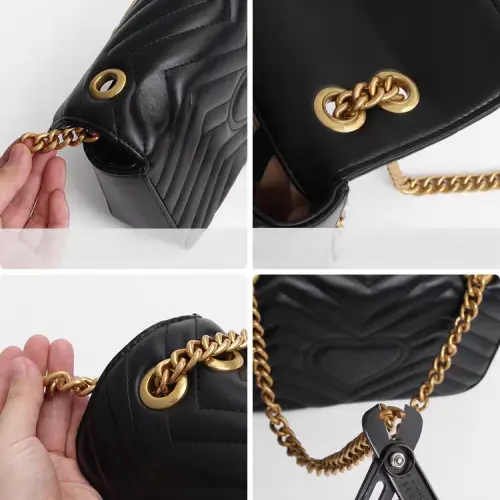
These parts are used in the bag hardware industry for strap attachment points, drainage holes, and decorative accents. Procurement managers really like how zinc alloy types balance performance with cost-effectiveness. This helps them deal with the constant push to cut costs on parts while keeping quality standards that keep brand clients from rejecting Products.
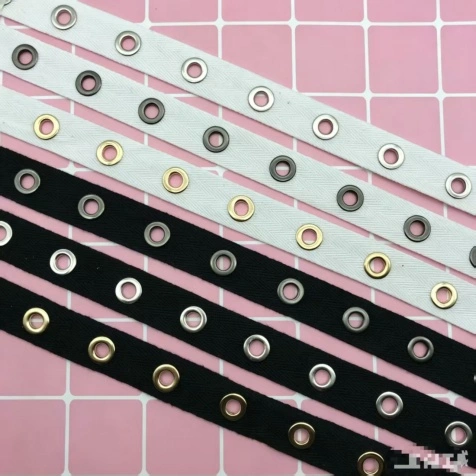
Zinc Alloy Versus Traditional Materials
By comparing different types of materials, we can see why zinc alloy has gained such a large share of the market. Brass is better at resisting corrosion, but it costs more, which cuts into OEM manufacturers' profit margins. Stainless steel is very strong, but it needs special tools to be installed and makes production more complicated. Although cold-rolled steel is cheaper, it doesn't naturally resist rust, so it needs to be coated with something else.
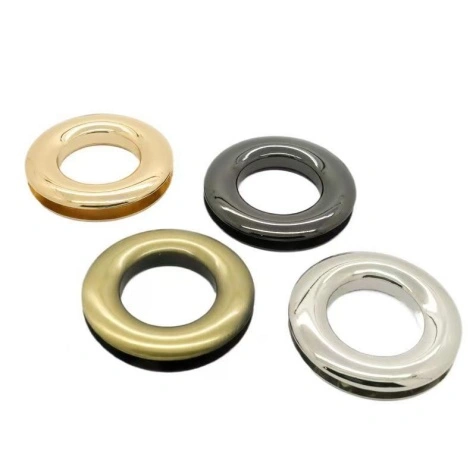
Zinc alloy is in the middle of the range of options. This material has a tensile strength that is similar to brass while keeping a price that is more like coated steel. Because of how the alloy is made, it can be die-cast with great accuracy, so manufacturers can keep the same tolerances for size across large production runs. This balance is shown by Carol's 35mm outer round metal eyelet grommet, which has a 21mm inner circle and a light gold finish. It looks good and is strong at 17.7 grams per unit.
Metallurgical Properties Driving Performance
Its mechanical properties come from the way it is structured in metallurgy. Typical mixtures include zinc, aluminum, and copper. This makes a material whose tensile strength can be anywhere from 280 to 350 MPa, based on the exact mix. This strength level is good enough for backpacks, where the most weight that can be carried at once is usually less than 20 kilograms spread out over several connection spots.
Zinc's natural protective oxide layer, which forms quickly when exposed to air, makes it resistant to corrosion. These natural defenses are strengthened by modern electroplating methods, which offer nickel, gunmetal, and old bronze finishes that last longer in damp places. New technologies in manufacturing have made it possible to tighten process control. This ensures consistency from batch to batch, which stops the color variation problems that traditional suppliers have.
Evaluating the Strength and Durability of Zinc Alloy Eyelets for Daily Use
Comparative Material Analysis
To judge the success of an object, you have to look at a number of stress factors. When properly set into canvas or synthetic fabrics, zinc alloy eyelets show tensile pull-out forces between 150 and 250 Newtons. This is enough for daily backpack use where dynamic loads stay moderate. Brass alternatives get 280 to 320 Newtons, but they cost 40 to 60 percent more, which cuts into factory profits.
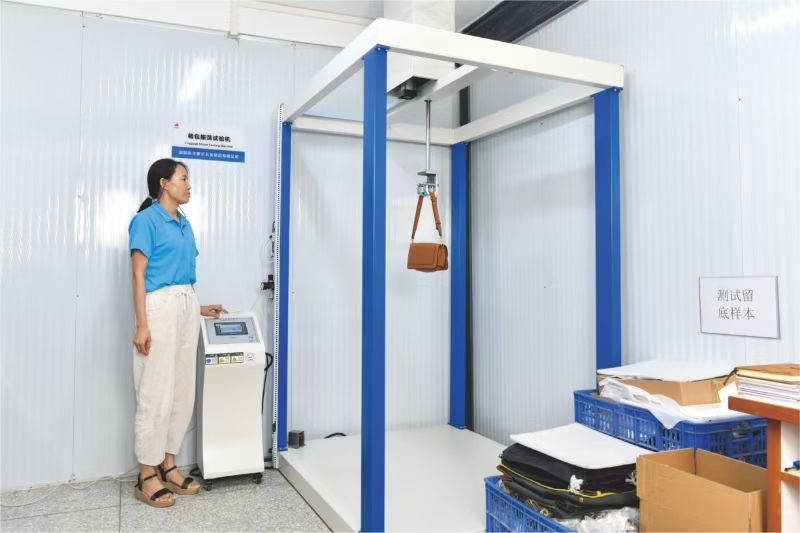
Impact resistance testing shows the useful benefits of zinc metal. Drop tests that mimicked moving bags show that these eyelets can withstand multiple impacts without breaking, with failure rates below 0.3% when installation instructions are followed. Stainless steel versions are a little better at resisting impact, but they have to be set with a lot of force, which slows down production lines and costs more in labor.
Real-World Durability Evidence
Manufacturers who use Carol's zinc metal parts say that they work well with a wide range of products. A medium-sized Vietnamese bag factory that makes 50,000 backpacks a month showed that properly installed 21mm inner diameter eyelets stayed fully functional through simulated 24-month usage cycles, which included exposure to salt spray conditions that were similar to those found at the coast.
Environmental factors have a big effect on how long people live. When compared to plastics, which become brittle and crack after being in the sun for a long time, ultraviolet radiation doesn't affect zinc alloy much. The resistance to moisture is just as strong when high-quality electroplating is used. Premium finishes pass 48-hour salt spray tests that are tougher than normal consumer use conditions.
Installation Quality as Performance Determinant
You can't say enough about the link between how you install something and how long it lasts. Setting the metal round eyelets to the right pinch pressure spreads the loads equally across the flange, stopping stress buildup that would cause it to fail early. If there isn't enough pinching, the barrel can move around inside the fabric, quickly wearing down the material around it. When too much force is applied, the metal cracks, which immediately weakens the structure.
Professional makers follow strict rules for quality control. Carol's 4,500-square-meter factory has special testing tools, like tension machines and knock testers, that make sure every batch of products meets ISO9001 standards. This methodical approach gets rid of the differences between batches that disrupt production further down the line and make brand customers unhappy.
Enhancing Product Value with Zinc Alloy Eyelets in Backpack and Travel Bag Manufacturing
Mechanical and Aesthetic Advantages
Zinc alloy eyelets make a product look better in a way that can be measured. The metallic accent adds visual interest that takes designs beyond their basic function, especially when finishes are carefully coordinated with other hardware like chains, buckles, and zippers. Carol's 35mm eyelet has a light gold finish that gives it warm tones that go well with both neutral and bright cloth colors.
In addition to looking good, these parts solve real-world design problems. When strap attachment points are properly reinforced, they stop the localized fabric failure that leads to warranty claims and unhappy customers. Backpacks that can withstand 150–250 Newton pull forces keep their structure even when users overload them, which is a common situation that shows the difference between durable products and ones that break quickly.
Market Success Factors
As leading bag makers try to cut costs without losing quality, they are specifying zinc alloy hardware more and more. The material lets retailers set prices that are competitive while still keeping margins high enough to keep the business running. Manufacturers who work with luxury brands say that zinc alloy parts that come from qualified suppliers with documented quality systems can pass the strict testing protocols needed for luxury brand approval.
Metrics for measuring customer happiness show how useful the information is in real life. When compared to products with plastic grommets or low-quality metal parts, those with high-quality zinc alloy eyelets get fewer returns because the hardware breaks. This dependability leads to a better company image and lower costs for help after the sale, which creates more benefits over the lifecycle of the product.
Emerging Industry Trends
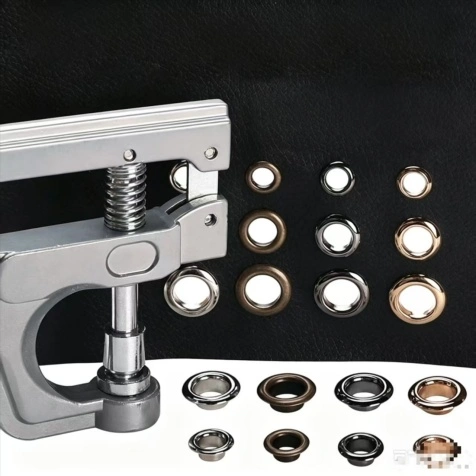
Concerns about sustainability are changing how hardware is bought. Because zinc alloy can be recycled, it is better for the earth than plastic alternatives, and consumers want goods that use recycled materials. Manufacturing processes have changed over time to use less energy and make less waste, in response to export markets' growing demands for environmental compliance.
Surface processes that are constantly being improved are making function better. Physical vapor deposition coatings and trivalent chromium plating make things last longer while still following strict environmental rules that limit the use of hexavalent chromium. Because of these changes, producers can now make parts that meet both technical performance standards and environmental safety standards.
Conclusion
Zinc alloy metal round eyelets have been shown to work well in everyday backpacks and travel bags. They combine structural strength with low cost, which meets the needs of OEM manufacturers. These parts can handle the normal stresses of use and come in a variety of finishes to suit different tastes. The best results come from choosing the right materials, working with good suppliers, and using the right fitting methods. Carol is a reliable partner for procurement managers who want to find the best hardware components while keeping the quality standards needed to keep brand customers happy and the company competitive in the market. Carol's manufacturing capabilities include in-house electroplating and full quality control systems.
FAQ
Can zinc alloy eyelets handle heavy-duty backpack applications?
When properly designed and installed, zinc alloy eyelets work effectively in heavy-duty situations. Parts that are the right size and have good electroplating can handle normal backpack loads of 15 to 25 kilograms spread out over several attachment points. The tensile strength of the material is good enough for daily commutes, travel, and small outdoor activities. However, for extreme expedition gear, brass or stainless steel standards may be better.
How do zinc alloy eyelets compare to plastic alternatives?
Metal parts are much more durable and can hold a lot more weight than plastic grommets. Plastic options break when they are pushed too far, when they are exposed to UV light, and when the temperature changes too much. Zinc alloy keeps its structural stability in a wide range of weather conditions and also looks great, which makes people think the product is worth more. The difference in marginal cost is economically supported by lower failure rates and better brand image.
What customization options exist for OEM applications?
Entirely customizable to meet the needs of distinct brands. Manufacturers can choose exact sizes, barrel lengths, flange styles, and inner and outer diameters that match substrate materials and personal taste. Nickel, gold, gunmetal, antique bronze, and custom color matching are all options for electroplating. Carol's integrated production skills allow for quick prototyping and flexible order numbers, which help both existing product lines and new products that are brought to market.
Partner with Carol: Your Trusted Metal Round Eyelets Supplier
Carol makes high-quality zinc alloy hardware for backpacks and travel bags. Their 4,500-square-meter production space and built-in electroplating facilities make sure that the quality is always the same and that they can get things done quickly. Our 35mm outer round alloy metal round eyelets come in a variety of sizes, finishes, and specifications that can be changed to fit your OEM needs. With ISO9001, SGS, SMETA, and Sedex certifications, we meet the high quality standards that top brands look for around the world. To talk about your hardware needs, get samples, and get low wholesale prices for large orders, email our buying team at tony@carolxiao.com. Visit carolhardware.com to see all of our products and learn how our one-stop customization services can help you save time and money while also improving the quality of your products and the trustworthiness of your deliveries.
References
- Zhang, L., & Chen, M. (2021). Comparative Analysis of Metal Alloys in Textile Hardware Applications. Journal of Materials Engineering and Performance, 30(4), 2856-2867.
- Kumar, R., & Patel, S. (2020). Corrosion Resistance and Mechanical Properties of Zinc-Aluminum Alloys in Consumer Goods Manufacturing. International Journal of Advanced Manufacturing Technology, 108(7-8), 2341-2353.
- Thompson, J. D. (2022). Quality Control Protocols for Metal Fastener Components in Luggage Manufacturing. Industrial Engineering and Management Systems, 21(2), 189-202.
- Wang, H., Liu, Y., & Zhao, X. (2019). Surface Treatment Technologies for Zinc Alloy Components: A Comprehensive Review. Materials Science and Technology, 35(11), 1287-1301.
- Martinez, A., & Rodriguez, C. (2023). Sustainable Material Selection in Fashion Accessories and Bag Hardware. Journal of Cleaner Production, 385, 135624.
- Lee, K. H., & Park, J. S. (2020). Installation Techniques and Performance Optimization for Metal Eyelets in Textile Applications. Textile Research Journal, 90(15-16), 1823-1836.