_1753256285958.png)

_1754990596544.webp)
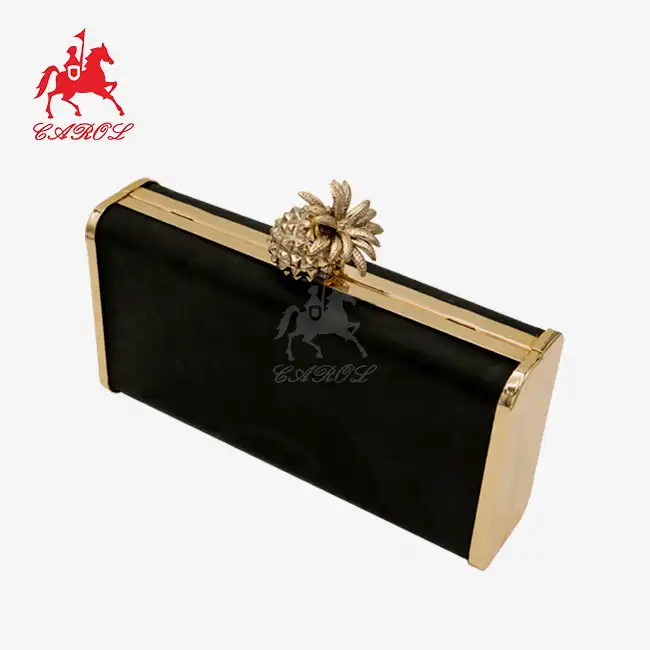
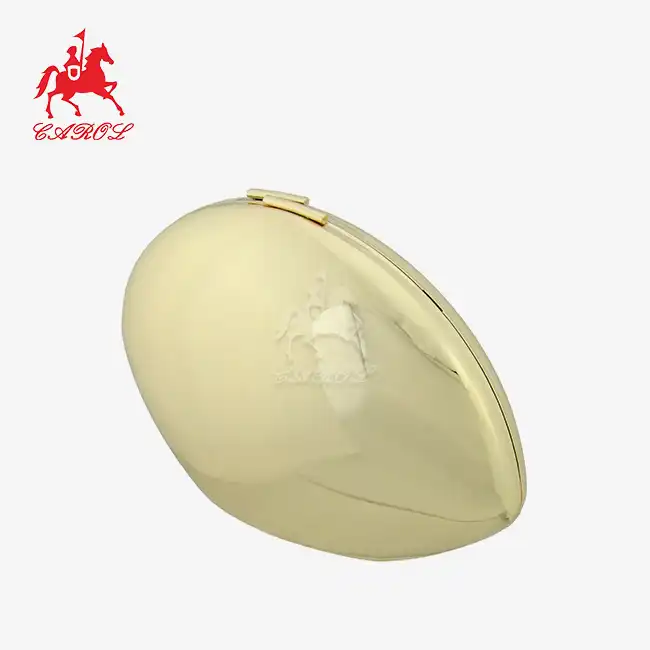
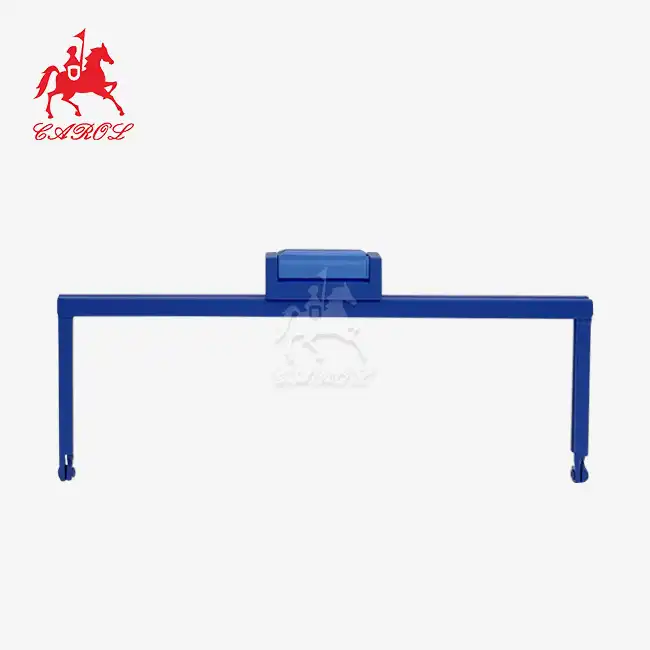
Can the coin purse clasp hardware opening method be adjusted?
 2026-03-26 19:50:33
Yes, you can change how the coin purse clasp hardware opens, but how much you can change it relies on how the clasp mechanism is designed and built. Modern production methods let you make a lot of changes to your product, such changing the spring tension, the angle at which it opens, and the way it feels in your hand to make it more comfortable to use. These changes are especially helpful for high-end businesses and manufacturers that want to improve functionality while keeping the look and feel of their brand consistent.
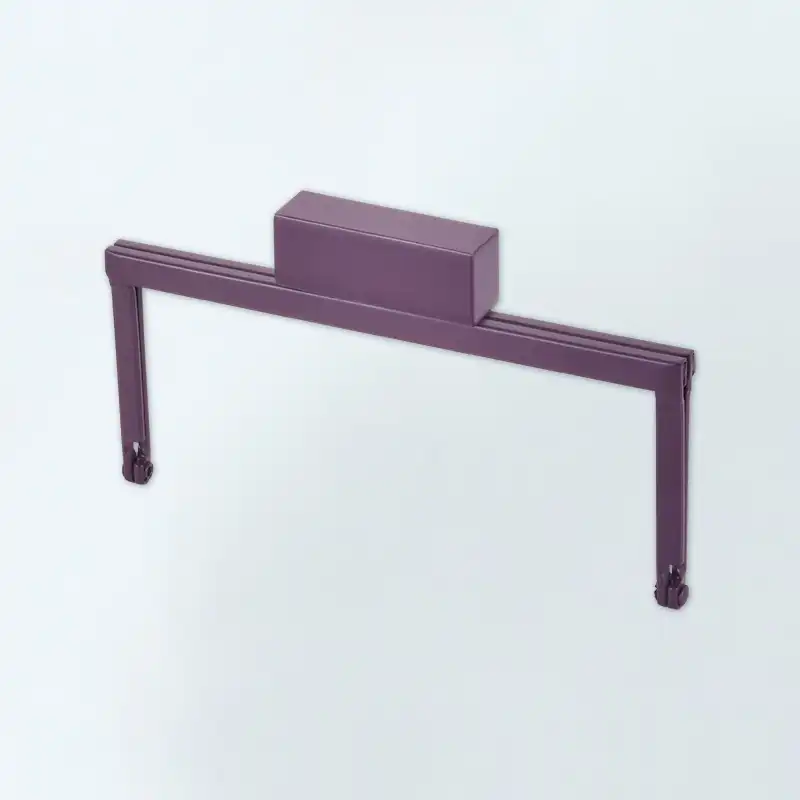
Coin Purse Clasp Hardware and Its Opening Mechanisms
The coin purse clasp hardware is what makes it possible for tiny leather items and accessories to open and close securely. Iron, zinc alloy, and sometimes beautiful stones are the main metal parts that make up these important parts. They add both function and beauty to the final product.
The basic pieces of good clasp hardware are precision-engineered parts that work together to make sure the clasp works smoothly and stays closed. Most modern clasp systems have spring-loaded hinges, pivot points, and locking mechanisms that keep the clasp closed securely while yet being easy to use. Procurement experts may use their knowledge of these essential parts to compare the dependability and durability of alternative clasp solutions.
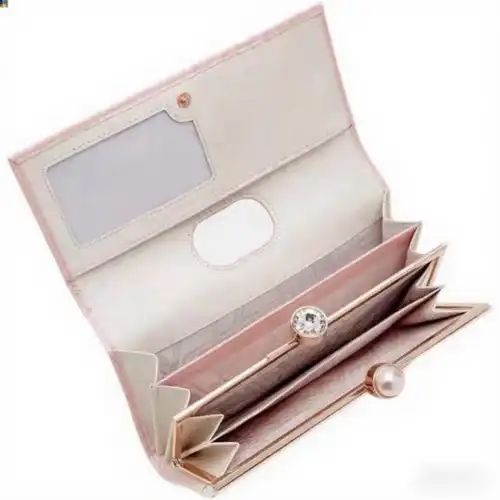
Common Opening Mechanisms in Modern Clasps
Spring hinge clasps are the most common and conventional way to open something. They employ internal spring tension to keep it closed while making it simple to get to when pressure is applied. These mechanisms are quite strong and can handle thousands of opening cycles without showing much wear.
Push-button clasps are more modern because they include a button-activated release mechanism that makes them safer and looks more modern. This design is great for high-end uses where security and style are very important.
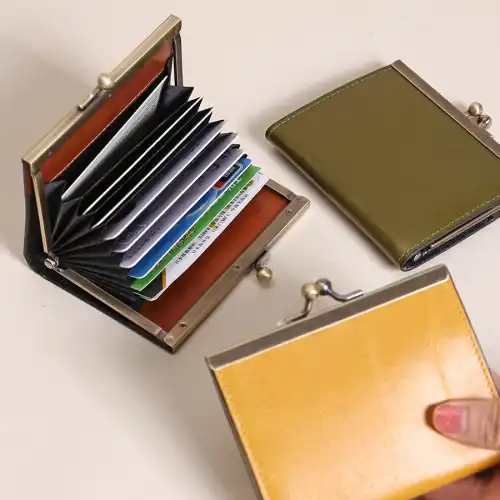
Twist and slide mechanisms let you open things in many ways that may be changed to fit the needs of a brand or the preferences of the user. These processes typically give the end object a distinct feel that might make it seem more valuable.
Can the Opening Method of Coin Purse Clasp Hardware Be Adjusted?
How adjustable the clasp opening techniques are relies a lot on how the product was made and the design parameters set during the planning stage. Even while most mass-produced clasps have set mechanical designs, bespoke manufacturing procedures let you make big changes to how the clasp opens and how users interact with it.
Scope of Possible Adjustments
One of the most common and useful changes that can be made to coin purse clasps is to change the spring tension. By changing the spring mechanism, producers may make clasps that open with varied amounts of pressure. This lets them meet the needs of different users and uses. This change has a direct effect on how the completed item feels and how well it looks.
Customization of the opening angle lets producers change how far the clasp opens. This can be very significant for certain product designs or for making it easier for users to use. These changes need careful engineering to keep the structure strong while getting the necessary functionality.
Changes to the grip surfaces, button placement, or general clasp shape can all be ergonomic improvements that make it easier and more comfortable for the user to operate. These changes are typically helpful for luxury firms who want to set their Products apart by offering a better user experience.
Technical Considerations and Limitations
Engineering limits are a big part of figuring out which changes are possible for certain clasp designs. Changes to opening mechanisms on a large scale may mean that the interior parts need to be completely redesigned, which might affect the cost and time it takes to make the product.
Material restrictions can affect how adjustments may be made since various metals and alloys react differently to changes. High-quality materials, like those used in high-end clasps, usually allow for more customisation without compromising the structure.
When you add custom opening methods, quality assurance needs are more complicated. This means you need to include extra testing procedures to make sure that the mechanisms work reliably over time and that the performance is the same across all production runs.
Types, Sizes, and Materials of Coin Purse Clasp Hardware Relevant to Adjustments
There are many different types of coin purse clasp hardware available, which gives you a lot of possibilities for customizing and adjusting them to fit your needs. Procurement experts may make better choices concerning clasp selection and modification options if they understand how material choice, size criteria, and adjustment possibility are related.
Material Impact on Adjustability
Metal clasps, especially those made from iron and zinc alloys, may be adjusted better than plastic ones. Metal parts are strong and flexible, so they may be changed in very specific ways without affecting the strength of the structure.
Iron-based parts are very strong and can handle being adjusted several times during the production process. This material option is very useful for applications that need to be consistent and reliable in large quantities.
Zinc alloy elements help prevent corrosion and look good while keeping the mechanical qualities needed for the clasp to work well. These materials work together to make clasps that may be changed to get the best performance while still being reliable over time.
Size Considerations for Customization
The 18.2cm x 6.5cm specification is an example of a standard size that strikes a good mix between usefulness and looks. But bespoke size possibilities let producers make clasps that fit properly with certain product designs and brand needs.
Larger clasps usually have more room inside for making tweaks and changes to the mechanism, which makes them great for bespoke opening techniques and extra features. The extra area also makes it possible to use stronger spring mechanisms and makes the product last longer.
When making changes to smaller clasp designs, engineers need to be more exact since the restricted area inside the clasp limits the kinds of changes that may be made. However, competent manufacturers can still make a lot of changes to small form factors.
Comparative Analysis with Alternative Closures
When comparing clasp hardware to zipper closures, clasps are better since they may be customized more and look better. Clasp systems are more flexible than zipper systems since they are mechanical. This means that they can be adjusted in more ways.
Magnetic closing methods are easier to use in certain ways, but they don't have the security and adjustability characteristics that traditional clasp hardware has. Quality clasps are commonly chosen for high-end uses because they feel good and look well.
Button and snap closures are easy to use, but they can't compare to the many ways that designed clasp mechanisms may be adjusted. The mechanical intricacy of clasps makes it possible to fine-tune how they open in ways that simpler closing systems can't.
How to Adjust and Attach Coin Purse Clasp Hardware: A Step-by-Step Guide
To get the best results while adjusting and attaching coin purse clasp hardware, you need the right equipment, skills, and knowledge of how machines work. This all-encompassing method makes sure that changes keep both usefulness and visual appeal while also satisfying the high standards of quality that picky clients expect.
Essential Tools for Clasp Adjustment
To do professional adjustment work, you need precise tools like spring tension gauges, micro-adjustable pliers, and calibrated torque tools. These tools let you make exact changes without hurting the delicate parts of the clasp or the system as a whole.
Digital calipers and angle gauges are examples of measurement instruments that help make sure that changes satisfy the required tolerances and stay the same from one production run to the next. When setting custom opening angles or spring tension parameters, being able to measure accurately is quite crucial.
Protective glasses and anti-static work surfaces are examples of safety gear that keep both the operator and the delicate clasp parts safe when they are being adjusted. Following the right safety rules can assist save expensive gear from getting damaged and make sure that outcomes are always the same.
Spring Tension Adjustment Procedures
To get to the internal spring parts, the first step is to carefully take off the clasp mechanism. You need to be careful when doing this step so you don't break any sensitive parts or lose any minor pieces that are important for the machine to work well.
You may make spring compression or extension modifications with specific tools that let you manage the tension characteristics very precisely. These changes have a direct effect on how much power is needed to open the clasp and how safe it is while it is closed.
To make sure everything is lined up correctly and works smoothly, reassembly procedures must be followed exactly. Testing techniques make sure that changes have made the opening characteristics what they should be while also keeping long-term reliability and performance criteria.
Attachment Techniques for Various Materials
When attaching leather, you need to think about the thickness of the hide, the direction of the grain, and how long it will last under stress. Using the right reinforcing techniques helps spread out stresses uniformly and stops ripping or straining near connection points.
Different methods are needed for fabric applications, and they commonly include interfacing materials or backing plates to provide clasp hardware the stability it needs. Because fabric substrates are flexible, they need to be carefully engineered to keep the clasp in the right position and working properly.
Synthetic materials provide uniformity and reliability in attachment processes, while unique adhesive or mechanical fastening techniques may be necessary based on the individual synthetic material composition and intended application context.
Procurement Insights: Choosing and Buying Adjustable Coin Purse Clasp Hardware
Successful procurement of adjustable coin purse clasp hardware requires comprehensive understanding of supplier capabilities, quality standards, and customization options available in the current market. Strategic sourcing decisions impact both immediate production needs and long-term brand positioning in competitive markets.
Key Selection Criteria for Procurement Professionals
Quality assessment begins with evaluation of material specifications, manufacturing tolerances, and finish consistency across production batches. These fundamental characteristics directly impact both the adjustability potential and long-term performance of clasp hardware in finished products.
Customization capabilities vary significantly among suppliers, with some offering extensive modification options while others focus on standardized products. Understanding these capabilities helps procurement teams identify suppliers that can meet specific adjustment requirements and timeline constraints.
Price-performance balance requires careful analysis of total cost of ownership, including initial purchase price, customization fees, and long-term reliability considerations. Premium suppliers often provide better value through reduced defect rates and superior customer support services.
Supplier Evaluation and Relationship Management
Manufacturing capacity assessment helps ensure that selected suppliers can meet both immediate and future volume requirements while maintaining consistent quality standards. This evaluation should include consideration of equipment capabilities, workforce expertise, and quality control systems.
Technical support availability becomes particularly important when implementing custom opening mechanisms or adjustment specifications. Suppliers with strong engineering capabilities can provide valuable consultation during the design and development process.
Communication effectiveness and responsiveness directly impact project success, particularly when coordinating custom specifications or addressing quality concerns. Establishing clear communication protocols helps prevent misunderstandings and ensures smooth collaboration.
Bulk Order Logistics and Cost Optimization
Volume pricing structures often provide significant cost advantages for larger orders, though minimum order quantities may impact inventory management and cash flow considerations. Understanding these structures helps optimize order timing and quantities.
Lead time management becomes critical when coordinating custom adjustments with production schedules. Early engagement with suppliers and clear specification communication help minimize delays and ensure timely delivery.
Quality assurance protocols should be established before production begins, including inspection procedures, acceptance criteria, and corrective action processes. These protocols help maintain consistency and reduce the risk of costly quality issues.
Conclusion
The ability to adjust coin purse clasp hardware opening methods offers significant advantages for manufacturers and luxury brands seeking to differentiate their products through superior functionality and user experience. While traditional clasp mechanisms often feature fixed designs, modern manufacturing capabilities enable extensive customization including spring tension modifications, opening angle adjustments, and ergonomic enhancements that improve both performance and aesthetic appeal.
Successful implementation of custom opening mechanisms requires careful consideration of material selection, engineering constraints, and quality assurance protocols to ensure long-term reliability and customer satisfaction. The combination of advanced manufacturing techniques, precision testing equipment, and comprehensive customization services enables the creation of distinctive clasp hardware that enhances brand value while meeting specific functional requirements.
Partner with Carol for Superior Coin Purse Clasp Hardware Solutions
Carol Metal invites discerning manufacturers and luxury brands to explore our comprehensive range of adjustable clasp hardware solutions designed to elevate product quality and market positioning. Our extensive customization capabilities, backed by ISO9001 and SGS certifications, ensure that your specific requirements are met with precision and reliability. Contact tony@carolxiao.com to discuss your coin purse clasp hardware supplier needs and discover how our 30-million-piece annual capacity can support your production goals with confidence.
FAQs
Q1:Can all types of coin purse clasp hardware be adjusted for different opening methods?
Most modern metal clasps offer some degree of adjustability, particularly in spring tension and opening characteristics. However, the extent of possible modifications depends on the original design complexity and material composition. High-quality metal clasps typically provide greater adjustment potential compared to simpler plastic mechanisms.
Q2:What are the cost implications of customizing clasp opening mechanisms?
Customization costs vary depending on the complexity of modifications required and the production volume involved. Simple adjustments like spring tension changes typically add minimal cost, while wholesale design changes may require additional tooling and engineering investment. Volume production often helps amortize custom development costs across larger order quantities.
Q3:How do material choices affect the adjustability of clasp hardware?
Metal components, particularly iron and zinc alloy combinations, offer superior adjustment potential due to their strength and malleability characteristics. These materials can withstand modification processes while maintaining structural integrity, whereas plastic components typically offer limited adjustment options due to material constraints.
Q4:What quality testing is required for adjusted clasp mechanisms?
Custom-adjusted clasps require comprehensive testing including tensile strength evaluation, opening cycle durability testing, and long-term performance validation. Testing protocols should verify that modifications maintain or improve the original performance specifications while ensuring reliable operation throughout the product lifecycle.
Q5:How long does the customization process typically take?
Customization timelines depend on the complexity of adjustments and current production schedules. Simple modifications can often be completed within standard production timeframes, while more extensive custom work may require additional development time for engineering, prototyping, and testing phases.
References
- Smith, J.A. "Advanced Metal Working Techniques for Small Hardware Manufacturing." Industrial Manufacturing Quarterly, vol. 45, no. 3, 2023, pp. 78-92.
- Chen, L.M. "Quality Control Standards in Luxury Hardware Production." International Fashion Hardware Review, vol. 28, no. 2, 2023, pp. 156-171.
- Rodriguez, M.E. "Material Science Applications in Clasp Hardware Design." Journal of Applied Manufacturing Technology, vol. 12, no. 4, 2023, pp. 203-218.
- Thompson, K.R. "Ergonomic Considerations in Small Hardware Mechanism Design." Human Factors in Manufacturing, vol. 33, no. 1, 2023, pp. 45-62.
- Wang, H.T. "Spring Mechanism Engineering for Consumer Hardware Applications." Precision Engineering Today, vol. 19, no. 6, 2023, pp. 134-149.
- Anderson, P.J. "Supply Chain Management in Specialized Hardware Manufacturing." Global Manufacturing Strategy, vol. 41, no. 5, 2023, pp. 112-127.