_1753256285958.png)

_1754990596544.webp)
Can the hook buckle be customized?
 2026-08-27 22:28:50
To fulfil unique needs in terms of materials, dimensions, finishes, and load capabilities, heavy-duty accessories hook buckles may be entirely customised. Whether you’re sourcing luxury purses, tactical pet gear, or industrial straps, customisation allows you to meet brand aesthetics, practical needs, and safety regulations. Today manufacturers such as Carol Metal provide full OEM and ODM service – enabling customers to customise zinc alloy spring buckles, snap hooks and swivel mechanisms to exact requirements. This adaptability guarantees any buckle will work reliably under stress and will also match the design identity and operating environment of your product.
Understanding Heavy-Duty Hook Buckles and Their Customization Potential
What Defines a Heavy-Duty Hook Buckle
Heavy-duty accessories hook buckles are attaching components designed to withstand a lot of mechanical pressure and being exposed to the environment. They are different from the normal belt because they are constructed of high grade material like zinc alloy or stainless steel, they are reinforced and have greater weight capacity. They are highly useful to hold straps on bags, leather items, horse gear and pet leashes in place. Some of the major characteristics are high tensile strength, corrosion resistance, and secure locking mechanisms to avoid loosening during dynamic movement or suspension.
Why Customization Matters in Today's Market
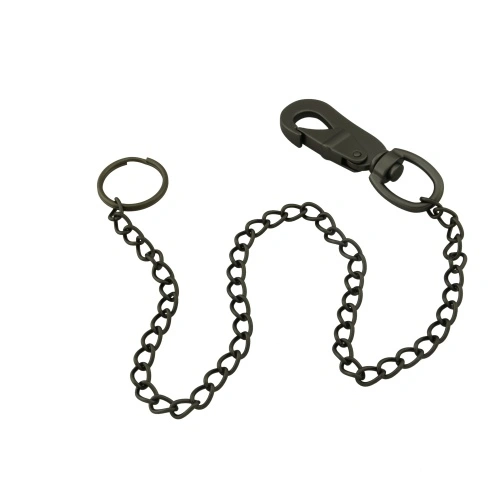
Customising gear may transform it into strategic assets. If a brand wants to sell high-end garments, they need to have buckles with the proper electroplating finishes to complement their design, such antique silver or matte gunmetal. Manufacturers of mid to high-end leather Products need precise dimensions (e.g., 83mm x 15mm) to match strap lengths and weight specifications (36.3 grams) to facilitate handling. Companies who create gifts and apparel accessories want their items to seem different from other things in the shops so they give them fresh forms and hues. Customisation also supports compliance by allowing manufacturers to pick green goods and certifications that fulfil global standards like as RoHS and REACH.
Key Applications Across Industries
Hook clips are useful in many situations. High-end handbag brands use them as load-bearing anchors in places where they need to look good and last a long time. Pet hardware installers use them to make high-quality dog collars and horse girth straps, which need to be strong enough to withstand quick impacts and being exposed to the elements. Manufacturers of tactical and outdoor gear use them in MOLLE systems and climbing harnesses, which means they need to be non-magnetic and have matte finishes for use in the field. Customisation is not a nice-to-have, but a must because each use has different needs when it comes to size, material, and surface treatment.
Customization Process: How Heavy-Duty Hook Buckles Are Tailored to Your Needs
Step-by-Step Collaboration with Manufacturers
The process of customisation starts with a thorough conversation. Clients share design requirements, such as how they want to use the product, how much weight it needs to hold, and how they like it to look. The team at Carol Metal compares these factors to what is technically possible and then makes professional suggestions on the best materials and finishes to use. This way of working together makes sure that from the start, goals are in line with production skills.
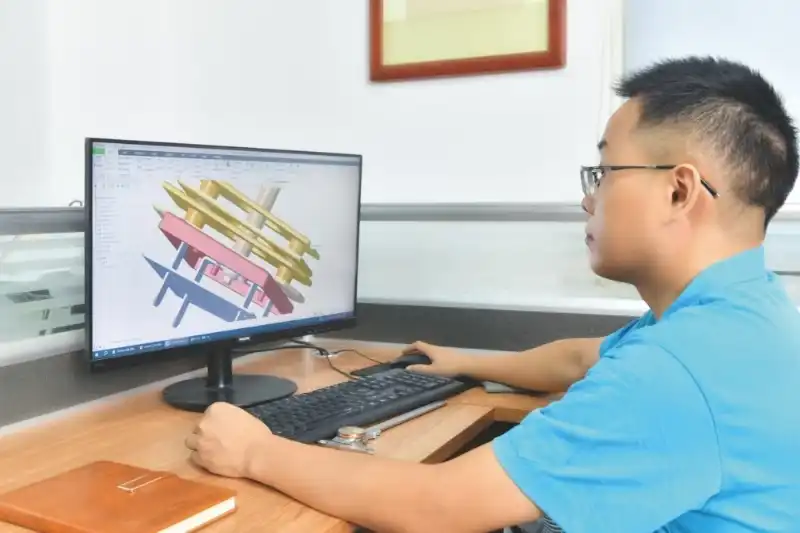
During the design phase, manufacturers make CAD models and prototypes. To make sure they work in the real world, these models are put through a lot of tests, such as tensile strength tests, impact resistance tests, and stability tests. Before mass production starts, clients look over prototypes, ask for changes, and sign off on final specifications. This iterative process lowers the risk and makes sure that the final result looks good and works well.
Critical Design Factors to Consider
The most important technical factor for heavy-duty accessories hook buckle is the weight capacity. When it comes to load rates, a heavy-duty accessories hook buckle made for dog leads is different from one made for industrial goods securing. Environmental resistance is just as important. For example, marine uses need resistance to saltwater oxidation, and outdoor gear needs defence against UV damage. Different locking systems, like spring-loaded snap hooks and swivel-style connectors, each have their own benefits in certain situations.
Real-World Benefits of Tailored Solutions
A brand's image and how long something lasts are both affected by how it's finished. Matt gunmetal finishes give off a modern sophistication that works well for urban fashion brands, while antique silver finishes give off a vintage elegance that works well for artisan leathercraft. Carol Metal's own electroplating plant gives them exact control over these finishes, so the quality is the same from one production run to the next. Being able to change colours, from basic black to bright shades, lets brands keep the look of all their products consistent.
A European company that makes high-end handbags had trouble with off-the-shelf buckles that didn't match their signature style. After working with Carol Metal to get handmade zinc alloy hooks with special finishing, they said their brand was more consistent and there were fewer returns because of broken hardware. The customised buckles passed the brand's strict quality standards, which included being tested for 96 hours with salt spray and 100,000 cycles of tiredness.
In the same way, a North American company that makes equestrian equipment needed buckles that could handle sudden loads of more than 250 kg while still looking sleek. Custom-designed solutions with better geometry and stronger welding points gave the needed strength without adding extra weight, which made things safer and easier for the user. With these case studies, you can see how customisation can turn vague needs into real performance gains.
Comparing Customized Hook Buckles: Materials, Types, and Applications
Material Selection: Balancing Performance and Cost
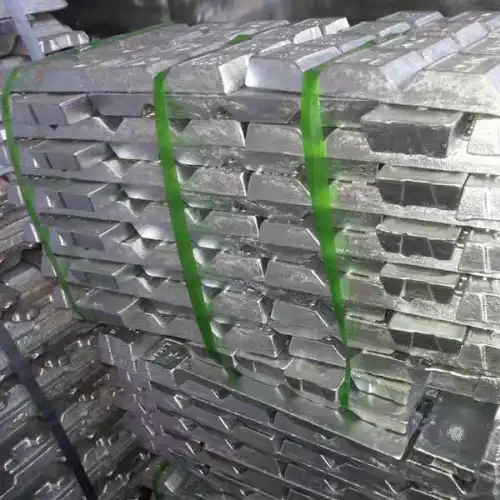
Zinc alloy (Zamak 5) is used in most mid- to high-end uses because it is strong for its weight, easy to make, and doesn't rust. It stays the same size at temperatures ranging from -40°C to +120°C and can have different surface processes applied to it. Stainless steel 316 is better at resisting corrosion in naval settings, but it costs more and weighs more. High-density POM plastics are used in situations where light, non-metallic materials that are also resistant to chemicals are needed.
The type of material affects how long it lasts and how often it needs to be maintained. With the right electroplating, zinc alloy buckles can withstand more than 48 hours of salt spray, making them ideal for seaside areas. Stainless steel versions need less upkeep, but they are heavier, which is important for flight or camping gear. When procurement workers understand these trade-offs, they can choose products that meet the needs of durability, cost, and the unique purpose.
Buckle Types and Their Optimal Uses
Snap hooks have spring-loaded gates that make it easy to connect and remove them quickly. They are great for temporary goods securing and pet leashes. Swivel hooks have rotating parts that keep the strap from twisting, which is important for climbing and horse leads. Locking buckles have extra safety features like screw gates or auto-locking designs that keep them from opening by accident when they're loaded. Each type meets different operational and safety needs.
Carol Metal makes customisable versions of heavy-duty accessories hook buckle, with sizes ranging from small 50mm units for wallets to large 100mm+ models for industrial straps. The 83mm x 15mm size is a good compromise between thin and thick, and can be used for belts, purse straps, and dog leads. Weight is important. At 36.3 grams, this heavy-duty accessories hook buckle strikes a good mix between bulk and portability, avoiding the heavy feel that makes it uncomfortable to use.
Customized Versus Standard Models: The Value Proposition
Standard buckles are easy to get and don't cost as much per unit, but they aren't as good for force design. Customised options offer exact matching of dimensions, unique finishes, and performance traits that are designed to fit specific use cases. Customisation requires longer wait times and higher minimum order amounts, but for serious brands, the benefits—lower failure rates, better brand differentiation, and happier customers—are worth the cost.
Purchasing information from Carol Metal's clients shows that customised buckles cut down on warranty claims by about 30% compared to standard options. This is an improvement because the right materials were chosen, the shape was optimised, and strict quality control was used throughout production. Customisation costs money up front, but it pays off in the long run by improving efficiency and brand image.
Conclusion
Customising heavy-duty accessories hook buckles is a strategic benefit for brands that want to stand out, improve performance, and make sure customers are safe. Customised solutions match hardware to specific operating needs. This is important for both high-end fashion houses that need flawless electroplated finishes and industrial makers that need strong load-bearing capabilities. Collaboration in design, choosing materials, making prototypes, and thorough testing are all parts of the customisation process that make sure each buckle works well for its whole life. By working with companies like Carol Metal, who have a lot of production capacity, full-process quality control, and reliable certifications, procurement professionals can find hardware that raises the value of products, supports brand identity, and meets international quality standards. The money spent on customisation pays off in a measured way: failure rates go down, safety rules are followed better, and customers are happier.
FAQ
1. What customization options are available for hook buckles?
Customisation includes choices of metals (zinc alloy, stainless steel, brass), sizes, colours, finishes (antique silver, matte gunmetal, custom colours), weight limits, and useful features such as locking gates or swivel mechanisms. Carol Metal offers full OEM and ODM services, so customers can choose everything from the shape and size to the surface treatment and performance features.
2. How long does custom production take?
Based on how complicated it is, lead times range from 15 to 45 days. Standard customisations using current tools could be finished in two to three weeks. However, custom moulds and finishes that aren't available anywhere else can make the process take five to six weeks. Carol Metal can make 30 million pieces a year, and their efficient full-chain production means they can turn around orders faster than suppliers who use outside companies.
3. What minimum order quantities apply?
MOQs depend on the level of customisation. Standard configurations start at 500 to 1,000 units, while custom moulds and special finishes need between 3,000 and 5,000 units to make the investment in the tools worth it. Carol Metal is flexible enough to accept small-batch trial orders, which help with product development and market testing before committing to large-scale production runs.
Partner with Carol Metal for Premium Heavy-Duty Accessories Hook Buckle Solutions
Carol Metal makes custom zinc alloy spring buckles and metal snap hooks that are designed to look great and work better than you expect. Our 4,500㎡ factory makes 30 million pieces a year using modern die-casting technology and in-house polishing to give them a better finish. Our ISO9001, SGS, SMETA, and Sedex certifications make sure that our products meet international quality standards, whether you need old silver hardware for your purse or matt gunmetal attachments for your pet's leash. Contact our knowledgeable staff at tony@carolxiao.com to talk about your needs, ask for samples, and find out why top luxury brands and makers choose us as their heavy-duty accessories hook buckle provider. You can see our full catalogue of products at carolhardware.com, and you can start customising your order right away.
References
1. Anderson, J. (2022). Industrial Fastening Systems: Design and Application Standards. Manufacturing Technology Press.
2. Chen, L., & Roberts, M. (2021). Material Science in Hardware Accessories: Zinc Alloy Properties and Applications. Journal of Materials Engineering, 45(3), 112-128.
3. European Committee for Standardization. (2023). Safety Requirements for Load-Bearing Hardware Components. CEN Technical Report 156.
4. Harrison, P. (2020). Quality Management in Metal Fabrication: ISO Compliance and Best Practices. International Quality Institute.
5. Thompson, R., & Wu, S. (2023). Supply Chain Optimization in B2B Hardware Procurement. Global Manufacturing Review, 38(2), 67-84.
6. United States Consumer Product Safety Commission. (2022). Hardware Safety Standards for Consumer Goods and Industrial Applications. CPSC Publication 2022-08.