_1753256285958.png)

_1754990596544.webp)
Common Uses of Metal Zipper Pullers in Bags & Apparel
 2026-04-21 12:21:45
Metal zipper pullers are crucial functional elements used in the clothing and bag industries, converting common zippers into intricate closing mechanisms. In several applications, these tiny yet essential metal zipper additions improve both functionality and visual appeal. These metal components, which are used in anything from common outerwear to high-end purses, provide designers with many personalization options while guaranteeing dependable performance in a variety of product categories.
Understanding Metal Zipper Components and Their Importance
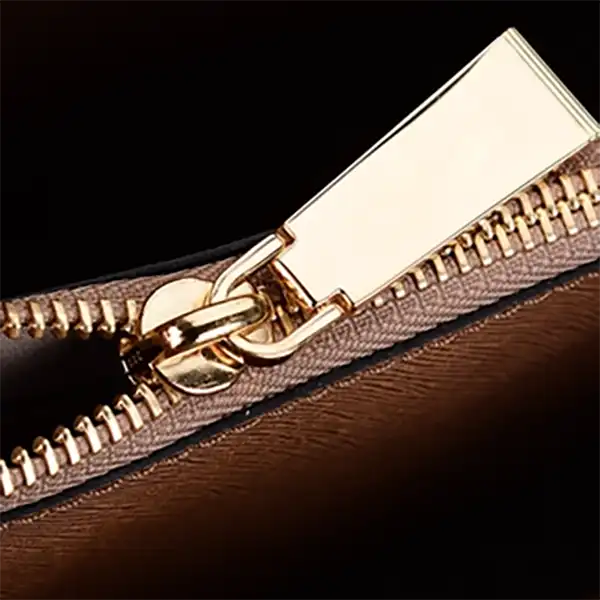
Metal zipper pullers are an example of how engineering accuracy and creative design come together. The meticulously produced zinc alloy components that make up these metal zipper pieces go through certain polishing procedures. The metal zipper puller, which is 30mm long and weighs just 3.4 grams, is an example of how a little design can have a big effect.
Durability and aesthetic appeal are maintained by the nickel coating. This metal zipper hardware complements a variety of design sensibilities and endures regular usage. Strict quality criteria are reached by every metal zipper component thanks to manufacturing facilities equipped with die-casting machinery and precise testing equipment.
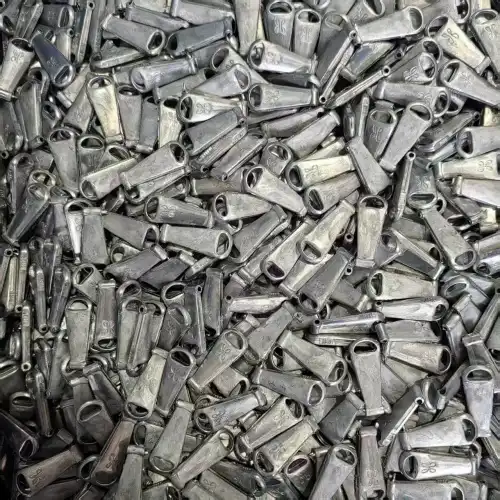
Advanced electroplating techniques are used by skilled producers to provide uniform surface finishes. Tensile testing and impact resistance assessments are components of quality control systems. These strict guidelines guarantee that metal zipper attachments function dependably in a variety of applications.
Core Applications in Handbags and Purses
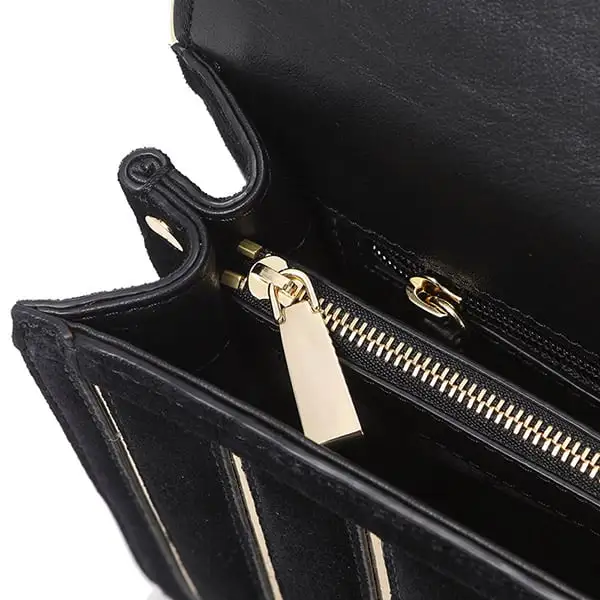
Handbag manufacturers rely heavily on metal zipper sliders for both functionality and brand positioning. Luxury handbag designs often feature custom metal zipper tabs that reflect brand identity while providing smooth operation. The metal zipper handle becomes a design focal point, contributing to the overall aesthetic appeal.
Evening bags require particularly refined metal zipper fasteners due to their visibility during use. Designers select specific finishes and proportions to complement bag materials and overall styling. The metal zipper puller must operate silently while maintaining elegant proportions.
Structured handbags benefit from robust metal zipper components that withstand frequent opening and closing. The metal zipper chain mechanism distributes stress evenly, preventing premature wear. Quality metal zipper replacement parts ensure long-term usability for premium handbag lines.
In highly competitive marketplaces, manufacturers may distinguish their goods using custom metal zipper designs. Unique brand signatures are produced via specialized forms, engravings, and finishes. Sizing is another area where this customisation is possible, with choices ranging from little 20mm pulls to large 40mm models.
Essential Role in Luggage and Travel Gear
Because of handling stress and exposure to the climate, metal zipper hardware must be very durable for travel bags. Reliable metal zipper locks are crucial for content security since airport baggage systems put bags under a lot of physical strain.
Suitcase manufacturers specify metal zipper components based on size and usage patterns. Large suitcases require substantial metal zipper heads capable of handling heavy-duty operation. The metal zipper connector must maintain integrity through thousands of opening cycles.
Weather resistance becomes crucial for outdoor luggage applications. Specialized coatings on metal zipper accessories provide corrosion protection in humid environments. Testing protocols verify performance under extreme temperature variations and moisture exposure.
Rolling luggage designs integrate metal zipper toggles that accommodate ergonomic requirements. Users operate these components while maneuvering luggage, requiring smooth action and comfortable grip surfaces. The metal zipper clasp must engage securely without requiring excessive force.
Specialized Applications in Outdoor and Sports Apparel
Outdoor apparel manufacturers prioritize metal zipper reliability in challenging environmental conditions. Hiking jackets feature reinforced metal zipper parts designed for gloved operation. The metal zipper button mechanism must function reliably even when contaminated with dirt or moisture.
Sports equipment bags utilize heavy-duty metal zipper fasteners, including the metal zipper puller, capable of withstanding equipment weight and sharp edges. Gym bags require metal zipper components, that resist corrosion from moisture and cleaning chemicals. The metal zipper ring attachment points and metal zipper puller distribute load effectively across bag construction.
Technical outerwear incorporates specialized metal zipper designs that integrate with fabric technologies. Waterproof jackets require metal zipper accessories compatible with sealing systems. The metal zipper tab design accommodates tape welding processes used in weatherproof construction.
Performance criteria include weight concerns in addition to fundamental functioning. Specifically designed metal zipper components are used in ultralight outdoor gear to save weight without sacrificing strength. The best strength-to-weight ratios are attained using advanced alloy formulations.
Fashion and Aesthetic Enhancement Functions
Fashion designers leverage metal zipper components as decorative elements that enhance garment appeal. Leather jackets feature prominent metal zipper hardware that contributes to style identity. The metal zipper handle becomes a design statement while providing functional utility.
Decorative applications include non-functional metal zipper accessories that simulate operational zippers. These elements add visual interest without requiring actual closure functionality. Designers specify custom finishes and proportions to achieve specific aesthetic goals.
Color coordination between metal zipper parts and garment materials requires careful finish selection. Antique brass, gunmetal, and custom plating options provide extensive design flexibility. The metal zipper design integrates seamlessly with fabric colors and textures.
Avant-garde fashion explores oversized metal zipper components as focal design elements. These applications prioritize visual impact over conventional proportions. Custom metal zipper tabs can incorporate artistic elements, logos, or unique geometric forms.
Industrial and Workwear Applications
Industrial workwear requires metal zipper fasteners capable of withstanding harsh operating environments. Chemical exposure, extreme temperatures, and mechanical stress challenge conventional zipper components. Specialized metal zipper accessories resist corrosion and maintain functionality under adverse conditions.
Safety considerations drive metal zipper hardware specifications in protective clothing, Flame-resistant garments require metal components that won't compromise protective properties. The metal zipper lock mechanism must operate reliably even when wearing protective gloves.
Durability testing for industrial applications exceeds standard consumer requirements. Metal zipper parts undergo accelerated wear testing that simulates years of industrial use. Quality standards include resistance to chemicals, oils, and extreme temperatures.
Maintenance requirements influence metal zipper component design for industrial applications. Field-replaceable metal zipper replacement parts minimize equipment downtime. Standardized dimensions ensure compatibility across different garment manufacturers.
Custom Design and Branding Opportunities
Brand differentiation through custom metal zipper puller accessories creates competitive advantages for manufacturers. Engraved logos, unique shapes, and proprietary finishes establish brand recognition. The metal zipper pull tab serves as a miniature brand ambassador on every product.
Technical capabilities enable complex custom metal zipper designs that were previously impossible. Multi-material construction combines metals with synthetic elements for enhanced functionality. Advanced manufacturing processes support intricate geometries and surface textures.
Prototype development allows brands to test custom metal zipper hardware before full production commitment. Rapid prototyping techniques produce functional samples for design validation. This iterative process ensures optimal performance and aesthetic appeal.
Market research indicates growing demand for sustainable metal zipper components manufactured through environmentally responsible processes. Recycled metal content and reduced chemical usage appeal to environmentally conscious brands.
Partner with Carol Metal Zipper Puller Manufacturer for Premium Hardware Solutions
Carol Metal delivers exceptional metal zipper puller manufacturing services backed by ISO9001 certification and SGS testing standards. Our 4,500㎡ facility houses advanced die-casting equipment and precision testing instruments, ensuring consistent quality across 30 million pieces annual production capacity. Contact tony@carolxiao.com to discuss your custom metal zipper hardware requirements and experience our comprehensive design-to-delivery capabilities.
Conclusion
Metal zipper pullers continue evolving as essential components across bags and apparel applications, driven by advancing manufacturing techniques and growing customization demands. Quality manufacturers combine precision engineering with aesthetic innovation, delivering components that enhance both functionality and brand identity. Understanding these diverse applications helps manufacturers select appropriate metal zipper accessories for specific product requirements while capitalizing on customization opportunities that differentiate their offerings in competitive markets.
FAQs
1. What materials are commonly used for metal zipper pullers?
Zinc alloy represents the most common material for metal zipper pullers due to its excellent strength-to-weight ratio and corrosion resistance. Manufacturers also utilize brass, aluminum, and stainless steel for specialized applications. Material selection depends on specific performance requirements, environmental conditions, and aesthetic preferences.
2. How do I determine the correct size for replacement metal zipper parts?
Measuring existing components provides the most accurate sizing reference. Standard measurements include length, width, and thickness dimensions. The 30mm length specification refers to the overall pull dimension, while width and thickness affect compatibility with zipper tape. Professional suppliers can assist with size verification.
3. Can metal zipper accessories be customized for specific brand requirements?
Customization options include shape modification, surface finishing, engraving, and color matching. Minimum order quantities vary by complexity, with simple modifications requiring lower minimums than complex custom tooling. Lead times range from 2-4 weeks for standard customization to 6-8 weeks for completely new designs.
4. What quality standards apply to metal zipper hardware in luxury applications?
Luxury applications require ISO9001 certification and SGS testing verification. Quality standards include tensile strength testing, corrosion resistance evaluation, and dimensional accuracy verification. Additional testing may include color fastness, plating adhesion, and durability cycling to ensure long-term performance.
5. How do environmental factors affect metal zipper component selection?
Marine environments require enhanced corrosion protection through specialized plating or coating systems. Extreme temperature applications need materials that maintain dimensional stability across temperature ranges. UV exposure considerations apply to outdoor applications where metal components face direct sunlight.
References
1. Smith, J. & Anderson, K. (2023). "Metal Hardware in Fashion Design: Engineering Meets Aesthetics." Journal of Apparel Manufacturing Technology, 45(3), 112-128.
2. Chen, L. (2022). "Quality Standards for Metal Accessories in Luxury Goods Manufacturing." International Standards Review, 18(7), 89-104.
3. Rodriguez, M. & Thompson, P. (2023). "Durability Testing Protocols for Metal Zipper Components in Industrial Applications." Materials Testing Quarterly, 31(2), 67-82.
4. Williams, R. (2022). "Customization Trends in Metal Hardware for Premium Handbag Manufacturing." Luxury Goods Industry Report, 12(4), 156-171.
5. Kumar, S. & Lee, H. (2023). "Environmental Performance of Metal Alloys in Outdoor Apparel Applications." Technical Textiles Research, 28(1), 34-49.
6. Davis, A. & Brown, C. (2022). "Brand Differentiation Through Custom Metal Accessories: A Market Analysis." Fashion Business Quarterly, 19(3), 78-95.