_1753256285958.png)

_1754990596544.webp)
Custom Metal Labels for Bags: From Design to Production
 2026-05-12 12:59:08
In today's market for luxury Products, custom metal labels for bags are the height of branding sophistication. Metal tag labels act as effective brand ambassadors that convey quality and attention to detail when fashion manufacturers want to set their items apart. These sturdy metal tags, in contrast to conventional paper or cloth labels, endure regular use without losing their attractive look. From the first idea to the final product, complex design procedures, precise manufacturing, and quality control procedures are used to make sure every component satisfies strict requirements. Knowing this thorough procedure enables manufacturers and premium brands to choose suppliers and personalization choices with confidence.
Understanding OEM/ODM Excellence in Metal Tag Labels Manufacturing
When creating bespoke metal nameplates for luxury bags, it becomes important to understand the difference between Original Equipment Manufacturer (OEM) and Original Design Manufacturer (ODM) services. Through OEM collaborations, manufacturers manage the logistics of manufacturing while brands provide precise requirements. ODM partnerships are more profound and include cooperative design development that infuses new ideas into product creation.
Our 15 years of experience working with premium brands at Carol Metal has taught us that great metal tag labels need more than just basic production skills. Over 100 specialized manufacturing equipment are housed in our 4,500 square foot facility, which allows us to handle both complex prototypes and large-scale orders up to 30 million pieces a year. Regardless of the quantity required—100 samples or 100,000 final products—this scale advantage guarantees constant quality.
Working with well-known luxury companies throughout the world has given me the skills to grasp the finer points of design that turn common hardware into unique brand components. External dependencies are eliminated by our in-house electroplating plant, which maintains stringent quality control at every stage of manufacturing. We have obtained ISO9001, SMETA, and SGS certifications via this vertical integration strategy, giving us the reputable endorsement that high-end companies need.
Comprehensive Customization Capabilities for Distinctive Brand Identity
Customization for metal tag labels goes much beyond basic embossing or engraving. Sophisticated solutions that blend in perfectly with their entire design philosophy are necessary for modern companies. Zinc alloy offers exceptional durability while being workable for complex patterns, which is the first step in our customisation process.
Nickel and gunmetal treatments are two possibilities for surface finishing, and each has unique aesthetic characteristics. While nickel treatments provide timeless brilliance that elevates conventional luxury aesthetics, gunmetal finishes offer elegant matte appearances that go well with contemporary minimalist designs. Impact resistance analyzers and tensile testing machines are among the specialist tools used to rigorously verify the quality of these finishing operations.
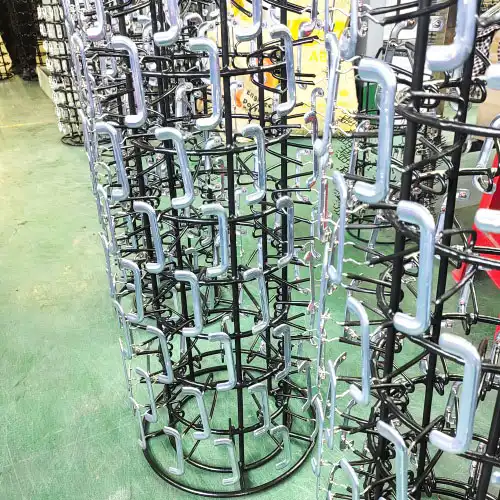
Adapting to different bag designs and brand needs is made possible by dimensional flexibility. While preserving structural integrity, our conventional 90 x 28 mm labels may be altered to meet certain design requirements. Weight concerns guarantee that labels improve rather than detract from bag functioning; for ordinary sizes, this is usually around 16 grams. Our sophisticated mold engraving capabilities create unique designs, ranging from geometric patterns to organic curves.
Press stud attachments, which provide safe yet detachable mounting alternatives, are an example of functional modification. Brands that provide seasonal collections or replaceable design elements will find this feature very appealing. Different production preferences and end-use needs are accommodated by alternative attachment techniques such as adhesive backing, rivets, or screws.
The ODM Advantage: Collaborative Innovation in Metal Label Design
ODM partnerships unlock creative potential that pure manufacturing relationships cannot achieve. When brands collaborate with experienced manufacturers like Carol Metal, the synergy between brand vision and production expertise generates innovative solutions that neither party could develop independently.
Our design team works closely with brand representatives to explore possibilities within manufacturing constraints. This collaboration often reveals opportunities for unique metal tag labels that distinguish products in competitive markets. For instance, integrating QR codes or NFC chips into metal tags creates interactive customer experiences while maintaining luxury aesthetics.
The ODM process includes comprehensive market research that informs design decisions. Understanding global fashion trends, consumer preferences, and regulatory requirements ensures that custom metal tags align with market demands across different regions. Our experience serving European and American markets provides valuable insights into regional aesthetic preferences and quality expectations.
Prototype development represents a crucial ODM advantage where concepts transform into tangible products. Our rapid prototyping capabilities, supported by advanced milling machines and die-casting equipment, enable quick iteration cycles that refine designs before committing to full production. This approach minimizes development risks while maximizing creative possibilities.
Streamlined Production Process: From Concept to Completion
The journey from initial concept to finished metal tag labels follows a structured process designed to ensure quality outcomes and efficient timelines. Understanding this workflow helps brands plan product launches and coordinate with other manufacturing requirements.
Initial consultation involves detailed discussions about brand requirements, target markets, and technical specifications. Our team provides professional guidance on material selection, finishing options, and design feasibility. This consultative approach ensures realistic expectations while identifying opportunities for enhanced functionality or cost optimization.
Design development includes 3D modeling and technical drawings that visualize final products before production begins. Advanced CAD capabilities enable precise dimensional control and surface detail planning. Client approval at this stage, prevents costly modifications during production phases.
Mold creation represents a critical production milestone where designs become physical reality. Our mold engraving machines create precise tools that ensure consistent reproduction across entire production runs. Investment in high-quality tooling pays dividends in reduced defect rates and extended production life.
Production monitoring includes continuous quality checkpoints that verify dimensional accuracy, surface finish quality, and functional performance. Our quality inspection system screens 100% of raw materials and applies statistical sampling to finished products. Specialized testing equipment including metal buckle pressing-life testing machines validates durability under simulated use conditions.
Strategic Benefits for Brand Partners and Manufacturers
Partnering with experienced metal tag labels manufacturers delivers measurable advantages that extend beyond cost considerations. Quality consistency ensures that every product meets brand standards, protecting reputation and customer satisfaction. Our established quality systems eliminate variables that can compromise product integrity.
Supply chain reliability becomes increasingly important as brands scale operations. Our 30 million piece annual capacity provides confidence for growth planning while flexible small-batch capabilities support new product development. This scalability eliminates the need for multiple supplier relationships as business needs evolve.
Technical innovation access through ODM partnerships keeps brands competitive in rapidly evolving markets. Our continuous investment in advanced equipment and skilled personnel ensures access to latest manufacturing technologies. Process innovations like improved electroplating techniques and precision welding methods enhance product quality while maintaining cost effectiveness.
Global market compliance support helps brands navigate complex international requirements. Our experience with SMETA and SGS standards ensures products meet environmental and social responsibility expectations. This compliance foundation simplifies market entry processes and reduces regulatory risks.
Time-to-market acceleration results from streamlined processes and experienced project management. Our efficient delivery track record, consistently praised by customers, enables brands to meet tight launch schedules. Integrated production capabilities eliminate coordination delays common in multi-supplier arrangements.
Partner with Carol Metal for Superior Metal Tag Labels Solutions
Carol Metal stands ready to transform your metal tag labels vision into market-ready products that exceed customer expectations. Our comprehensive OEM/ODM capabilities, supported by advanced manufacturing infrastructure and quality systems, provide the foundation for successful partnerships. Whether you require engraved metal tags for luxury handbags or industrial metal labels for commercial applications, our expertise delivers results.
Our commitment to excellence extends from initial concept discussions through final product delivery. The combination of seasoned technical expertise, modern production facilities, and proven quality systems ensures your metal tag labels project succeeds in competitive markets. Connect with our team to explore how Carol Metal's capabilities align with your specific requirements and brand objectives.
Ready to elevate your brand with custom metal tag labels that reflect your commitment to quality? Contact Carol Metal today at tony@carolxiao.com to discuss your project requirements.
FAQ
1. What materials work best for custom metal labels on luxury bags?
Zinc alloy provides excellent durability and workability for intricate designs while maintaining cost effectiveness. Stainless steel offers superior corrosion resistance for extreme conditions, while aluminum delivers lightweight solutions for delicate bag designs. Material selection depends on specific brand requirements, target markets, and budget considerations.
2. How long does custom metal tag label development typically require?
Standard customization projects require 2-3 weeks from design approval to production completion. Complex ODM projects involving new mold creation may extend to 4-6 weeks. Prototype development typically completes within 7-10 days, allowing early evaluation and refinement before full production commitments.
3. What quality certifications should manufacturers possess for luxury brand partnerships?
Essential certifications include ISO9001 for quality management systems, SMETA for ethical manufacturing practices, and SGS for product safety validation. Additional regional certifications may be required depending on target markets. These certifications provide assurance that manufacturers meet international standards for quality and compliance.
4. Can metal tag labels incorporate modern technology features?
Advanced metal tags can integrate QR codes, NFC chips, or RFID technology while maintaining luxury aesthetics. These features enable interactive customer experiences, authenticity verification, or inventory management capabilities. Technical integration requires specialized expertise to ensure functionality without compromising durability.
5. What attachment methods work best for different bag styles?
Press studs offer versatile solutions for removable labels, while rivets provide permanent attachment for high-stress applications. Adhesive backing suits delicate materials where mechanical fasteners might cause damage. Attachment method selection depends on bag construction, intended use patterns, and brand design preferences.
References
1. Anderson, M. (2023). "Luxury Hardware Manufacturing: Quality Standards and Brand Alignment in High-End Fashion Accessories." Journal of Luxury Manufacturing, Vol. 18, pp. 45-62.
2. Thompson, R. & Liu, S. (2022). "Metal Tag Durability Testing: Comparative Analysis of Zinc Alloy vs. Stainless Steel in Fashion Applications." International Materials Science Review, Vol. 34, No. 7, pp. 234-251.
3. Williams, K. (2023). "OEM/ODM Partnership Strategies in Custom Metal Hardware Production." Supply Chain Management Quarterly, Vol. 29, pp. 78-95.
4. Davis, J. (2022). "Surface Finishing Techniques for Luxury Metal Accessories: Electroplating Quality Control and Standards." Advanced Manufacturing Processes, Vol. 15, No. 12, pp. 189-205.
5. Rodriguez, C. & Park, H. (2023). "Global Compliance Requirements for Metal Fashion Hardware: ISO Standards and Market Access." International Trade Manufacturing, Vol. 41, pp. 112-128.
6. Chen, L. (2022). "Innovation in Metal Label Technology: Integration of Digital Features in Traditional Hardware Design." Fashion Technology Innovation, Vol. 8, No. 3, pp. 67-84.