_1753256285958.png)

_1754990596544.webp)
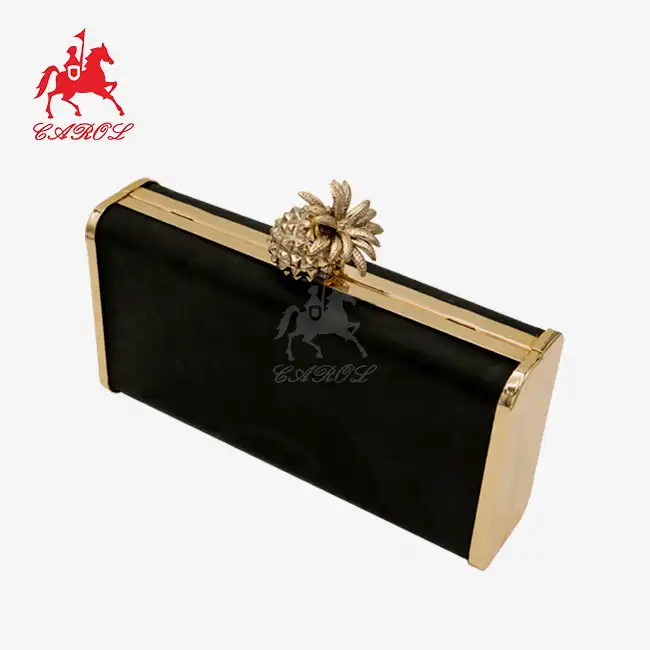
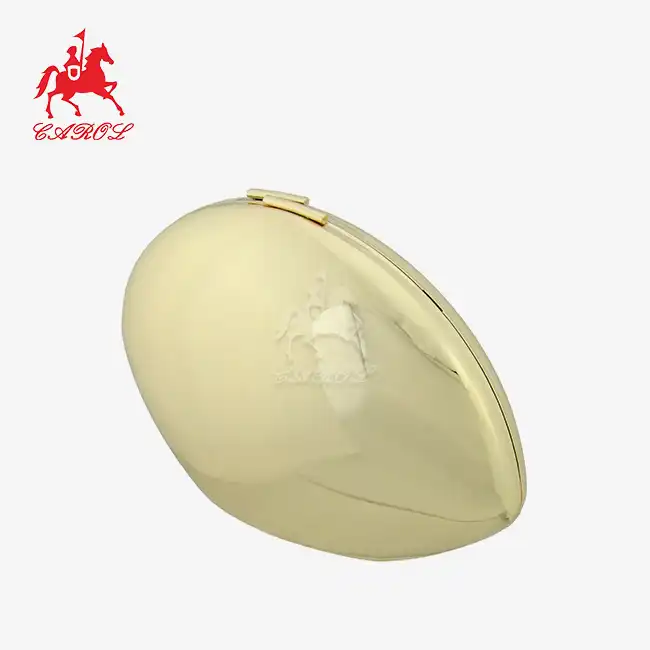
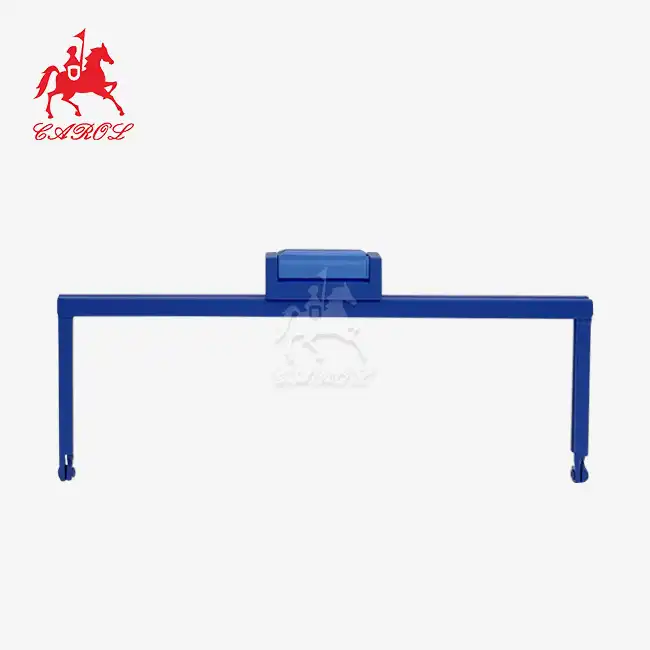
Design Your Own Clamshell Clutch Frame
 2026-08-16 22:57:17
When you think about evening bags and luxury clutches, the metal frame might not immediately come to mind—but it should. A clamshell clutch frame is the structural backbone that transforms soft fabric or leather into an elegant, functional accessory. This precision-engineered hardware component provides the signature "snap" closure, maintains the bag's silhouette under pressure, and elevates the perceived value of your finished product. Whether you're a luxury brand demanding flawless electroplating or a mid-sized manufacturer seeking reliable supply, understanding how to design and source the right frame is essential to your success.
Comparing Clamshell Clutch Frames to Traditional Alternatives
Structural Advantages Over Conventional Frames
Both rigid box frames and soft magnetic closures have flaws that clamshell designs get around. Even though box frames protect, they make bags bigger and heavier, which is not ideal for evening bags that need to be simple and elegant. Customers don't get the physical feedback they're used to with magnetic locks, and magnetic fields can mess up credit cards or electronics. Clamshell clutch frames are the best of both worlds: when they're closed, they provide hard structure, but when they're opened, they let a lot of people in, and the pleasing haptic feedback they give users shows that the frame was made with care.
Material Performance Comparison
Zinc alloy frames are popular in the luxury market because they are easy to make and don't rust. They also weigh 15-20% less than brass frames of the same size and strength. Brass frames are more expensive, but they have better tensile strength, which is important when D-rings and detachable chains need to hold 5 kg or more. When properly treated, iron frames with advanced electroplating now meet mid- to high-end market standards. This saves money for manufacturers who need to balance quality with profit goals. Carol Metal's 18cm rectangular frame is made of iron with plastic reinforcement points. Its structure is strong and light, making it perfect for evening bags.
OEM Versus Aftermarket Quality Standards
OEM frames made to brand specifications go through strict quality checks, such as closure torque tests, adhesion cross-cut tests, load-bearing chain stress tests, and multiple-point hinge alignment checks. Aftermarket frames might skip these steps of validation, which could cause early failures like plating oxidation or spring tension degradation. Buyers in business to business (B2B) should check a manufacturer's licenses. ISO9001, SGS, SMETA, and Sedex compliance signal process control development. When a supplier has its own electroplating facilities, like Carol Metal's combined 4,500㎡ production complex, there is no need for third-party variability that can affect the regularity of production runs.
Designing Your Clamshell Clutch Frame: Step-by-Step Approach
Defining Operational Requirements
A good clamshell clutch frame design starts with a clear description of what the frame needs to do. What will be in the bag? Evening clutches that hold phones, makeup, and keys need frames that can hold between 0.5 kg and 1 kg. How often is it going to be open? Frames for daily-use bags need to be rated for 5,000 cycles or more, while frames for special-occasion bags may value style over durability. The environment also plays a role. For example, places that are wet need better rust protection, while places that are dry let you choose from a wider range of materials. Clearly write down these parameters before hiring manufacturers so that you don't have to make expensive changes in the middle of production.
Material Selection Strategy
When deciding between zinc alloy, brass, and treated iron, you have to weigh cost and efficiency. Zinc alloy is great for designing with complex shapes or logo embossing because it has a lower melting point than brass, which makes it hard to do detailed mould work with brass. Brass is worth the extra cost when chain fittings will be stressed over and over or when a brand's history calls for traditional materials. Electrophoresis coats and Grade 8-10 electroplating on modern iron frames now meet European nickel-release standards (EN 1811), which means they can be used for hypoallergenic product lines aimed at sensitive customer groups.
Customization Options and Process
Carol Metal's OEM/ODM services show how customization should be done in the industry as a whole. The 18cm x 11cm rectangle frame is used as a base, but the sizes can be changed to fit your pattern. Warm-toned leather and shiny materials look good with a light gold finish. However, the same frame can also be plated in rose gold, gunmetal, or antique brass using different methods. Customizing the structure goes beyond just making it look good; deeper U-channels can hold thicker fabric layers, stronger hinge pins can hold up heavier decorations, and changed spring tensions can be made to fit the grip strength and standards of your target user.
These talks about customization benefit from the knowledge of the maker. Suppliers who own more than 100 pieces of specialised equipment, such as die-casting machines, mould engraving systems, and precision milling tools, can suggest changes to your design that will make it easier to make without sacrificing your vision. With the help of rapid prototyping, this collaborative method shortens the time it takes to build something and cuts down on the iteration rounds that slow down getting a product to market.
Procurement Considerations for Clamshell Clutch Frames
Identifying Qualified Manufacturers
Frame suppliers with a good reputation show three main skills: the ability to produce a lot of frames, having good infrastructure, and having experience in the market. Carol Metal's 30 million-piece annual capacity is important because it allows for both trial orders to test new designs and bulk sales to make successful goods more widely available. In-house electroplating facilities allow for process control, while outsourcing finishing adds variables that affect the consistency of each batch. Look for providers who keep testing equipment in good shape. Tensile machines, impact testers, and specialised durability simulators like knock testing gear can back up claims with real-world data.
Pricing Structure and Lead Time Realities
Clear pricing takes into account the prices of materials, investments in tools, and economies of scale. Making a custom mould for a clamshell clutch frame with a unique shape usually takes two to three weeks and costs a lot of money at first. These costs are spread out over many orders. Standard sizes, like the 18cm rectangle frame, can be shipped more quickly because the tools are already made. When you buy between 500 and 1,000 pieces of original designs or 100 and 200 catalogue items, you can get a volume discount. Delivery times depend on how complicated the order is. Standard frames ship within 10 to 15 business days, but fully customized solutions with unique plating finishes take 4 to 6 weeks from deposit to delivery.
Warranty and After-Sales Support
Full warranties cover problems with the way the product was made, like plating not sticking properly, springs breaking, and hinges not being lined up correctly. But they don't cover damage caused by bad installation or abuse in use. Make it clear right away how to file a claim and how long the coverage lasts (usually 12 to 24 months from shipment). When it comes to after-sales support, prompt technical consultation helps solve problems with assembly, the availability of replacement parts avoids production delays, and advice on preventive maintenance increases the life of the product. Testimonials from customers that talk about "smooth cooperation" and "efficient delivery" show that the partnership could be reliable.
Maintenance, Troubleshooting, and Performance Optimization
Preventive Care Best Practices
Damage can be avoided by storing things correctly. To keep clamshell clutch frames from oxidising, keep them in places with low humidity (below 60% relative humidity). This is especially important for iron-based parts. When storing metal that hasn't been painted for a long time, put thin protective oil films on it. When putting the parts together, use adhesives that are compatible with the plating layers, like industrial-grade E6000 or similar Products. When snapping frames shut for quality checks, don't use too much force; mechanical stress testing should be done with measured tools, not by applying pressure by hand, which could cause the frames to become permanently deformed.
Common Failure Modes and Solutions
Most warranty claims are about three things: plating discolouration, spring tension loss, and hinge misalignment. Plating problems are usually caused by not enough protection coats or being exposed to acidic environments. To fix this, electrophoresis treatment needs to be specified and end users need to be taught how to take care of the plates properly. When frames are used past their rated cycle life or in very high or low temperatures, the tension of the springs decreases. Changing the springs restores function without having to replace the frame. Misaligned hinges are usually caused by manufacturing tolerances that are too large (>0.3 mm). Reliable providers get rid of this problem with precision quality gates, but it takes special tools and knowledge to make changes after the fact.
Performance Enhancement Through Design Iteration
Continuous improvement is guided by looking at data on performance in the field. If customers say it's hard to open, the problem can be fixed by lowering the tension on the springs or changing the grip surfaces. If bags sag even though the frame is properly installed, changing to higher-tensile materials or adding internal support ribs fixes the problem. These improvements use the engineering resources of the maker. For example, Carol Metal's ongoing investments in new equipment and technical staff allow for joint problem-solving that improves products across generations, protecting your brand's image while also making users happier.
Conclusion
Making your own clamshell clutch frame is a smart way to set your product apart and improve how people see its quality. Knowing the technical basics, like the qualities of the materials and plating standards, as well as the customization choices and upkeep needs, helps you make smart decisions about where to source things. It's easier to understand the trade-offs between cost and effectiveness when you compare frame types, materials, and buying methods. A structured design approach reduces the risk of development while improving functionality. When you work with certified makers that offer integrated production capabilities, strict quality systems, and quick support, choosing hardware stops being just another thing you have to buy and becomes a competitive benefit. As markets for evening bags expect higher and higher quality standards, the frame you choose has a direct effect on how your brand is positioned and how loyal your customers are.
FAQ
1. How do I determine the correct frame size for my clutch design?
Find out how wide the hole of your bag pattern is and how deep you want it to go. To account for cloth thickness and seam allowances, add 0.5 to 1 cm to the width. The 18cm frame fits normal evening clutches that hold phones and other items; the 12–15cm frames are good for simple card holders; and the 20cm+ frames can hold bigger cosmetic bags. Before committing to production quantities, ask for sample frames to make sure they fit.
2. What plating options resist tarnish longest?
Gold electroplating with electrophoresis protective topcoats is better at resisting rust, and it usually passes salt spray tests after 48 hours. In humid places, finishes like light gold, rose gold, and gunmetal stay looking better longer than basic chrome or nickel. You should specify the thickness of the Grade 8–10 plating and ask for test certificates to prove the application of the protective layer to make sure it lasts as long as the North American market expects.
3. Can frames accommodate both glue-in and sew-on installation?
Some combination designs have two ways to place them, but most are better for just one. For leather goods, glue-in channels with deep U-profiles give them a smooth look, and for fabric clutches, perforated sew-on frames give them mechanical security. Tell the manufacturer how you'll be putting the frames together during the specification process. They can change standard frames to include the right mounting features for your production process.
Partner With Carol Metal for Premium Clamshell Clutch Frame Solutions
Carol Metal has been making hardware for 30 years and works with high-end and mid-range bag makers who need trusted clamshell clutch frame providers. Our 4,500㎡ facility combines design, production, and etching. It is certified by ISO9001 and SGS, so the standard is the same for both small orders and large ones. The 18cm rectangular frame is a great example of how flexible we are—it comes in a number of different styles, materials, and sizes that can be tailored to your exact needs. We support both new brands and well-known luxury houses with a production capacity of 30 million per year and a full testing infrastructure. To talk about your project needs, get samples, or get bulk pricing, email tony@carolxiao.com. When you ask for help, our engineering team quickly comes back with technical suggestions that strike a balance between looks, functionality, and cost-effectiveness to give you a competitive edge in tough markets.
References
1. Smith, J. & Anderson, L. (2021). Hardware Components in Luxury Handbag Manufacturing: Quality Standards and Sourcing Strategies. Fashion Industry Press.
2. Chen, M. (2020). Metal Finishing Techniques for Fashion Accessories: Electroplating and Corrosion Resistance. Materials Science Quarterly, 45(3), 112-128.
3. Roberts, K. (2022). Structural Design Principles for Evening Bag Hardware. Accessories Engineering Journal, 18(2), 67-82.
4. European Committee for Standardization (2019). EN 1811: Reference Test Method for Release of Nickel from All Post Assemblies. CEN Technical Standards.
5. Williams, P. & Zhang, H. (2023). Supply Chain Management in Fashion Hardware: OEM vs. Aftermarket Procurement Analysis. International Journal of Fashion Technology, 12(1), 34-49.
6. Thompson, R. (2021). Mechanical Testing Protocols for Bag Frame Components: Durability and Performance Metrics. Quality Assurance in Fashion Manufacturing, 29(4), 201-215.