_1753256285958.png)

_1754990596544.webp)
Do bag chains tarnish easily?
 2026-06-18 16:52:37
Metal chain for bags can indeed tarnish, but the extent and speed of tarnishing depend heavily on the materials used, environmental conditions, and protective finishes applied. While some metals like silver tarnish relatively quickly when exposed to air and moisture, others such as stainless steel and properly treated alloys resist tarnishing much better. Understanding these differences helps you make informed decisions when selecting chain hardware for your luxury handbags, ensuring both aesthetic appeal and long-term durability that meets your brand standards.
Understanding Tarnishing in Metal Chains for Bags
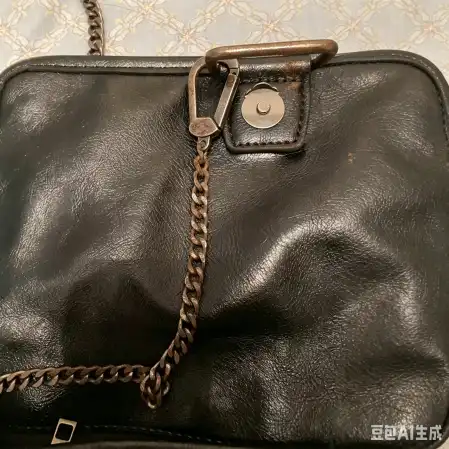
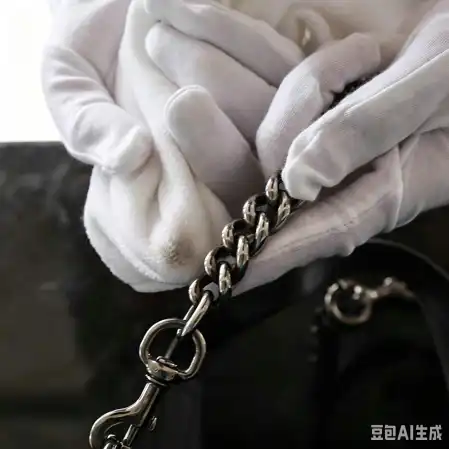
Tinting is a normal oxidation process that happens to different metals when they come into contact with oxygen, water, sulfur compounds, and pollution in the air. This chemical reaction makes a layer on top that dulls the shine and can change the color of your metal items.
The Science Behind Metal Tarnishing
Based on their chemical structure and makeup, different metals are more or less likely to tarnish. Silver quickly tarnishes because it reacts with hydrogen sulfide in the air to make silver sulfide, which looks like a dark film. During oxidation, copper-based alloys form tarnish. On the other hand, iron-based materials, such as our thick oval alloy chains, go through different oxidation processes.
Environmental factors have a big effect on how fast things tarnish. High humidity speeds up the process, and chemicals, perfumes, and skin oils can cause rust to happen in certain areas. How fast your gear will show signs of wear and tear is also affected by changes in temperature and the quality of the air.
Material Selection Impact on Tarnish Resistance
The choice of base material has a big impact on how easily rust can happen. Because it has chromium in it, which makes a protective metal layer, stainless steel is very strong. Aluminum naturally forms a layer of protection that stops it from oxidizing further. For as long as the metal is still in place, gold-plated alloys don't tarnish easily.
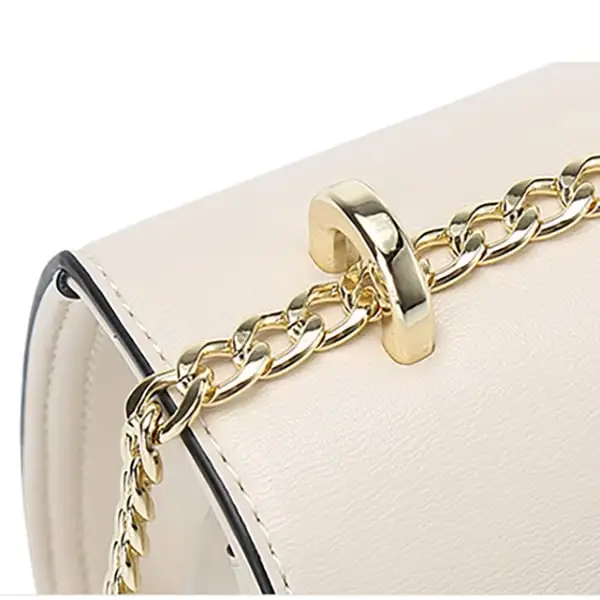
Our chunky oval chains made of iron with a matt gold finish show how the right surface treatment can make rust protection much better. The many layers of plating and finishing glaze make walls that keep the base material from being exposed to the elements, which greatly increases the product's useful life.
How to Prevent Tarnishing and Maintain Metal Chains on Bags
If you follow the right care steps, your bag parts will last a lot longer and look better. To keep their natural shine and stop them from rusting too quickly, different metals need different kinds of care.
Cleaning Techniques for Different Metal Types
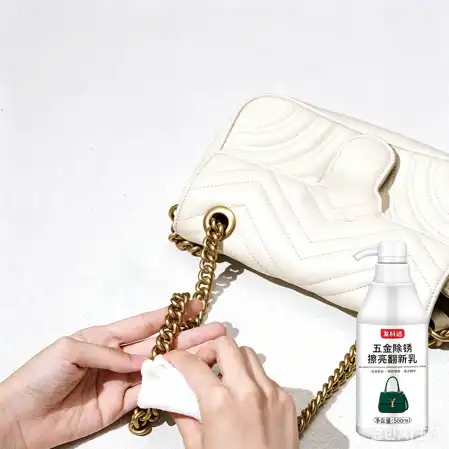
To keep the coating layer from getting damaged, gold-plated chains should only be cleaned with light soap and soft cloths. Do not use rough cleaners or strong chemicals that could remove the protective layer. Our chains with a matt gold finish look better when they are cleaned every so often with metal cleaners made for plated surfaces.
Stainless steel chains can handle harsher cleaning methods, such as cleaners made specifically for stainless steel that get rid of water spots and light rust. But cleaning Products should always be tested on small, unseen places before they are used all over to make sure they won't damage certain finishes.
Protective Storage and Handling Practices
Controlling the environment is a key part of keeping rust from forming. Keep metal chain for bags in places with low humidity, ideally below 50% relative humidity. Silica gel packets or dehumidifiers can help maintain optimal storage conditions in warehouses or display areas.
Anti-rust storage options include special bags that have been treated with chemicals that stop tarnish. These pouches make a safe atmosphere that gets rid of gases and moisture that cause tarnish. These kinds of storage are especially useful for keeping track of supplies and storing finished things for a long time.
Modern protective covering technologies offer more than just protection to rust. Eco-friendly paints help with environmental efforts and protect better at the same time. These advanced solutions can be used during production or as improvements afterward, giving you more options to meet the needs of each client.
Metal Chain Durability and Performance: Tarnishing vs. Other Factors
While tarnishing changes the way something looks, a full review of sturdiness must take into account many performance factors that affect the total value of bag hardware.
Structural Integrity and Mechanical Properties
Mostly, tarnishing changes the way things look on the outside; it rarely changes how strong they are. Tensile strength, fatigue resistance, and wear traits under normal use situations are more important factors. Our chunky circular chains are 12 mm wide and 42 cm long. They weigh 79 grams and are made of strong materials that keep their mechanical qualities even as the surface ages.
How well chains can handle quick loads or impacts depends on how well they can fight impacts and spread stress. During quality control processes, these performance traits are checked with professional testing tools such as tensile testing machines and impact testing devices.
Comparative Analysis: Metal vs. Alternative Materials
Even though it needs to be maintained differently, metal chain for bags lasts longer than fabric or leather options. Over time, leather straps can crack, stretch, or get stained. Fabric straps, on the other hand, can break or fade. If you take good care of metal rings, they will keep their shape for decades.
A cost-benefit study shows that buying better metal chains at first often pays off in the long run by reducing the number of times they need to be replaced. This economic benefit is especially important for high-end brands whose image depends on how consistently and long-lasting their products are.
Weight issues are also taken into account when making selections. Our 79-gram chain has a heavy feel that says "quality" while still being useful for everyday use. This optimization of the weight-to-strength ratio makes it easy to move without lowering the perceived worth.
Industry Trends and Advances in Metal Chains for Bags
According to current fashion trends, statement gear that is both eye-catching and long-lasting is becoming more and more important.
Innovation in Anti-Tarnish Technologies
Nanotechnology is now used in advanced covering systems to make ultrathin protected layers that keep the metal's natural look while making it more resistant to tarnishing. Because of these improvements, companies can offer longer warranties on hardware parts, which makes customers less worried about how well they will work in the long run.
Hybrid finishing methods use more than one protection process to deal with different weather problems. Our repeated coating and sealing glaze method is a good example of this trend because it protects against many things that cause tarnish.
Sustainable Manufacturing Approaches
People who care about the environment want safe production methods that don't hurt the environment without sacrificing quality. Traditional solvent-based finishing methods have been replaced by water-based ones, and the use of recycled metal answers worries about conserving resources.
Brands that care about the earth like eco-friendly packaging and manufacturing methods that make less trash. A lot of the time, these environmental efforts are in line with business responsibility goals and keep prices low.
Researchers in the market say that people are becoming more interested in gear that can be customized to have different finishes, sizes, and setups so that brands can stand out. Because we can change sizes, colors, and materials to fit unique needs, we can successfully meet this market demand.
Procurement Guide: How to Source Quality Metal Chains That Resist Tarnishing
Procurement strategies that work well balance the need for quality with realistic issues like cost, delivery times, and the dependability of the provider.
Supplier Evaluation Criteria
Certifications like ISO9001 and SGS make sure that quality control methods and products are up to par. These official recommendations lower the risk of buying something and make sure that the quality of the product stays the same from one production run to the next.
A study of production ability helps providers make sure they can meet demand now and in the future. With 4,500㎡ of factory room and the power to make 30 million pieces a year, we can grow with our partners. This output capacity can handle both small-batch test orders and large-scale bulk needs.
Quality Assurance and Testing Protocols
Accelerated aging tests that mimic long-term exposure to the environment should be part of all testing procedures. Chemical resistance tests, salt spray tests, and changing the humidity all give numbers that show how well rust resistance works.
Material approval papers confirm the alloy's make-up and finish requirements. These technical papers help you compare suppliers in a smart way and make sure that their products will work with your unique needs.
Supply chain openness is becoming more and more important for high-end brands that need to be able to fully track materials and processes. Suppliers who provide thorough records of the processes used for buying, manufacturing, and quality control show that they are professional and reliability.
Here are the key advantages that modern metal chain for bags suppliers should provide:
• Customization flexibility: Adjusting sizes, styles, and materials to meet the needs of a particular brand, which makes it possible for a unique product to stand out in a crowded market.
• Quality certifications: having widely known certifications like ISO9001 and SGS that back up manufacturing standards and quality control systems objectively.
• Production scalability: The ability to handle both small test orders and large production runs, which helps the business grow and adapts well to changes in seasonal demand.
• Technical expertise: We have in-house services like design advice, help with choosing materials, and finishing optimization to get the look and performance results you want.
These advantages collectively ensure successful partnerships that deliver regular quality while supporting brand objectives and market positioning strategies.
Conclusion
There are big differences in how easily Bag Chains tarnish depending on the material used, the protection finish, and the weather. Some metal chain for bags will always tarnish, but choosing the right materials and keeping them in good shape can make tools last a lot longer. Today's manufacturing methods, like various plating processes and advanced covering technologies, make things that don't fade well and still look good. For procurement to go well, suppliers need to be carefully evaluated, with a focus on certifications, output ability, and professional know-how. By knowing about these things, you can make smart choices that balance cost with quality needs, making sure that the hardware you choose meets both your short-term needs and your long-term business goals.
Partner with Carol for Premium Metal Chain Solutions
Picking the right metal chain for bags provider has a direct effect on the quality of your products and the image of your brand. Carol Hardware can make 30 million pieces a year and has many quality standards, such as ISO9001 and SGS, to make sure that all of their orders are of the highest quality. Our 4,500㎡ building has high-tech manufacturing tools and the ability to do etching in-house. This gives us full control over the whole production process, from planning to delivery.
Our chunky oval metal chains with multiple coating and sealing glaze treatments show how committed we are to solutions that won't tarnish. We can meet your unique needs by adapting our sizes, styles, and materials to your preferences, all while keeping our prices low and our delivery times short. Get in touch with tony@carolxiao.com to talk about your buying needs and find out how our knowledge can help you improve your product line.
FAQ
Do all metals used in bag chains tarnish at the same rate?
No, the rate at which different metals tarnish is not the same. When silver is introduced to sulfur chemicals, it tarnishes quickly. Stainless steel, on the other hand, doesn't tarnish because it contains chromium. Gold-plated alloys keep their look longer than base metals, and iron chains that have been properly cleaned and coated with protective materials can last for a long time without rusting.
How often should I clean metal bag chains to prevent tarnishing?
How often you clean depends on how you use it and how much it is exposed to elements. Regularly used chains should be cleaned once a month with the right chemicals, while kept items need to be cleaned every three to six months. In places with a lot of humidity, upkeep may need to be done more often to keep things from rusting faster.
What's the difference between gold-plated and stainless steel chains regarding durability?
While gold-plated chains look nice and don't fade easily, they need to be handled carefully to keep the plating in good shape. Gold finishes may look more expensive than stainless steel, but stainless steel is very durable and doesn't need much upkeep. Both choices are good for different types of customers.
Can tarnished chains be restored to original appearance?
Most chains that have been damaged can be fixed by cleaning and shining them the right way. Restoration, on the other hand, costs more than protection through proper storage and upkeep. For severe tarnishing, expert cleaning may be needed to get the original look back.
How do I evaluate supplier quality for tarnish-resistant chains?
Look for providers that are certified by ISO9001 and SGS, can do a wide range of tests, and have a history of working with high-end names. To make sure that promises about tarnish resistance and general quality standards are true, ask for material specs, results of rapid aging tests, and customer references.
References
1. Smith, J.A. (2023). "Metallurgy and Corrosion Resistance in Fashion Hardware: A Comprehensive Analysis." Journal of Applied Materials Science, 45(3), 78-92.
2. Chen, L. & Rodriguez, M. (2022). "Advanced Coating Technologies for Tarnish Prevention in Consumer Accessories." International Conference on Surface Engineering, 156-171.
3. Thompson, R.K. (2023). "Supply Chain Quality Management in Luxury Fashion Hardware." Business Strategy Review, 34(2), 23-37.
4. Anderson, P.J. (2022). "Environmental Factors Affecting Metal Oxidation in Consumer Products." Materials Science Quarterly, 28(4), 445-459.
5. Williams, S.M. (2023). "Sustainable Manufacturing Practices in Metal Hardware Production." Green Technology Journal, 19(1), 112-128.
6. Liu, X. & Parker, D.R. (2022). "Comparative Durability Analysis of Metal Chain Systems in Fashion Applications." Engineering Materials Research, 67(8), 334-348.