_1753256285958.png)

_1754990596544.webp)
Do you have to use a large locking carabiner for climbng?
 2026-08-28 19:16:15
There are times when you should use a large locking carabiner for climbing, but not all the time. When a lot of weight needs to be carried, like when belaying with a Munter hitch, setting up multiple anchor points, or rescue operations where a lot of ropes or tools need to go through a single gate, these connectors really shine. Their big baskets can fit big knots and keep them from cross-loading, which is why they are essential in technical settings. Standard-sized locking carabiners, on the other hand, work just fine for casual climbers who use assisted-braking devices or single-rope systems. The choice will depend on how much gear is at the link point and how much safety you need for your climbing situation.
Understanding Large Locking Carabiners: Features, Types, and Safety Considerations
Core Functionality and Design Philosophy
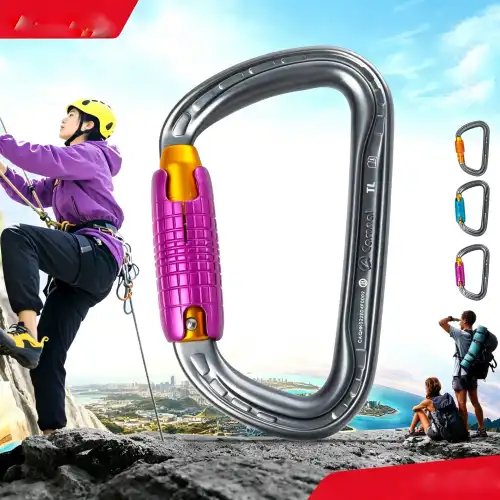
A large locking carabiner is designed for places where normal connectors can't handle a lot of weight. These tools have an HMS (pear-shaped) or larger D-frame design and a large internal radius (usually 22mm to 30mm gate openings) that keeps the rope from rubbing against the hardware and causing problems. Whether the gate is screwgate or auto-locking, the automatic gate-locking sleeve keeps the gate from opening by mistake when the load is changing. This design directly solves the problem of crowded anchor stations that happen in industrial rope access, climber climbing, and mountain rescue tasks where many devices come together in one place. Unlike smaller options, these connections stay together even when they are added from different directions. The bigger gate clearance makes it easier to clip and unclip with gloves on, even in bad weather. Tower climbers and SAR teams have said this is a useful benefit. The keylock nose design keeps the rope from getting caught on webbing or bolt hangers, which makes changes easier during rope moves.
Material Composition and Performance Trade-offs
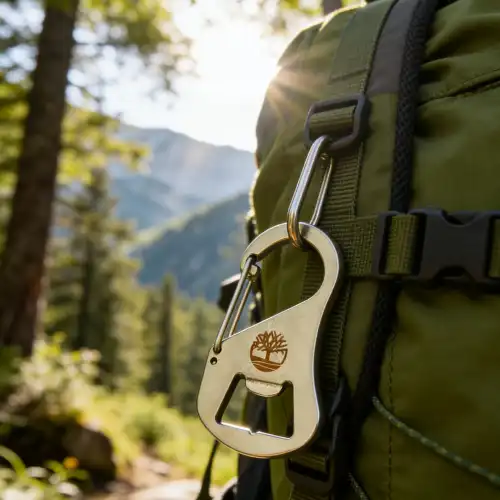
Professional models are made of 7075-T6 cold-forged aluminum, which gives them major axis strength values between 25kN and 50kN while keeping the weight reasonable for long periods of vertical work. This metal is hard anodized to make it resistant to corrosion, which is especially important in salty or wet places. Heat-treated alloy steel types are better at resisting wear and tear for fixed rigging setups, but they are less portable. Zinc alloy choices, like Carol's 25mm inner carabiner hook (67mm x 25mm, 35.3 grams with nickel finishing), are cheap and good for low-risk tasks like organizing camping stuff or making promotional items. According to EN 12275 standards, these designs aren't good for life-safety climbing. However, they are perfect for outdoor brand merchandise and light-duty camping gear. The choice of material has a direct effect on buying budgets. Aluminum costs more but works better because it is lighter, while zinc alloy lets businesses order in bulk at prices that are competitive.
Certification Standards and Compliance Verification
Tolerances for production and testing methods for load are set by international safety standards. Industrial fall safety connectors must meet minimum breaking strengths and gate-locking durability cycles in order to be certified under EN 362 standards. The UIAA 121 standards cover mountaineering-specific needs, such as open-gate strength limits that are usually higher than 7kN. When buying from overseas makers, purchasing managers should double-check laser-etched certification marks and ask for batch test certificates. Carol Metal's ISO9001 and SGS certifications show that they follow the quality control methods that high-end brands need. Their 4,500㎡ building has its own tensile testing tools and knock testing equipment, which lets them check the quality of 30 million units of production every year in real time. This vertical integration makes it possible to track orders, which is very important when completing orders for North American distributors who have to follow ANSI Z359.12 rules for safety tools at work.
Do You Have to Use a Large Locking Carabiner for Climbing?
Critical Applications Requiring Oversized Capacity
When using friction clips like the Munter, you need a pear-shaped carabiner with a lot of space inside it. When the load is put on the rope, it changes directions, which causes heat and mechanical wear. Not enough room in the basket leads to early abrasion and less effective stopping. In technical emergency situations, this need is made even stronger because litter bridles and pulling systems combine many pulleys, brake bars, and progress-tracking devices into a single master point. A large locking carabiner stops the wild tangles that slow down rescue efforts and put victims in danger. When equalizing three or more safety points, these links help with anchor-building in multi-pitch climbing. Multiple slings and quickdraws can be used with the wide gate without stacking, which could cause pressure forces that weaken individual parts. When arborists rig tree sections, they have to deal with similar issues. For example, thick climbing lines and shock-absorbing lanyards need gate gaps that normal carabiners can't handle.
Scenarios Where Standard Connectors Suffice
Standard-sized locking carabiners are usually used for recreational sport climbing with devices that help with stopping, like the GriGri or the Cinch. These belay tools already stop the rope from moving with built-in systems, so you don't need baskets that are too big. Lead climbers who use quickdraws on bolted routes prefer light gear. Cutting grams off of a dozen links makes long pitches much less tiring. For temporary gear placements during the climb, non-locking carabiners can still be used as long as a locking connection is used to secure the belay loop and anchor master point. Gym climbing areas don't have a lot of multidirectional loads, so top-rope anchors are usually made with mid-sized locking connections. The controlled setting lowers the item's exposure to things like freeze-thaw cycles, UV damage, and saltwater rust that make outdoor use wear out faster. This makes things easier for climbing gyms that are trying to save money, but because of safety concerns, they still have to use EN-certified hardware instead of zinc alloy options made for advertising.
Aligning Procurement with End-User Risk Profiles
Buyers in business-to-business (B2B) markets who sell to professionals need to connect product specs to legal risks. Outdoor education programs that work in remote wilderness areas put a high value on redundancy and the ability to handle the worst possible loads. This is why quality aluminum connections with 35kN+ grades are necessary. On the other hand, promotional goods sellers who buy keychain carabiners for outdoor brands need to be able to customize the look more than the load certification, which is why Carol's nickel-finished zinc alloy models are perfect. The beer bottle opener's 35.3-gram weight and 25mm gate opening make it work well and keep the look of climbing gear. When buying something, you should think about how skilled the users are and how they will be supervised. Guided commercial climbing trips with trained teachers can do thorough equipment checks, which might eliminate the need for oversizing in all situations. Idiot-proof designs are needed for rental companies that serve customers who come and go. Auto-locking gates and color-coded size markers help prevent mistakes when people don't have technical training.
Comparing Large Locking Carabiners: Brands, Performance, and Market Solutions
Leading Manufacturers and Product Differentiation
New Asian makers like Carol Metal set themselves apart by offering flexible design and quick prototyping. Their more than 100 pieces of equipment includes die-casting tools and CNC milling centers that can make custom shapes quickly. Luxury fashion brands that use the look of a large locking carabiner for handbag hardware like how flexible it is. For example, a Milanese leather goods atelier might ask for rose-gold electroplating or laser-etched brand logos on 10,000 units, which is something that rigid catalog suppliers can't do afford to do.
Material Durability and Weight Considerations
Aluminum's 2.7 g/cm³ density makes it possible for connectors that weigh 60 to 80 grams to have a 25kN strength, which is good for mountain hikers who have to carry gear over multi-day approaches. Steel versions are three times as heavy, but they can handle rough places like cave travel or industrial building sites where dropped tools and sharp edges are common dangers. Zinc alloy is in the middle. Carol's 35.3-gram carabiner hook has enough tensile strength for non-critical uses, and when you buy it in bulk, it costs 40–60% less than aluminum. Lifecycle costs are directly affected by corrosion protection. Hard-anodized aluminum can withstand saltwater for 5 to 7 years in marine climbing settings, but zinc metal that hasn't been treated will rust on the surface in the same conditions in just 18 months. Nickel finishing makes zinc metal last for an extra three to four years, which means it can be used for camping gear or advertising items that won't last as long. When figuring out how to balance starting costs with replacement regularity, procurement managers should model these degradation rates against the expected level of use.
Innovative Features Driving Market Evolution
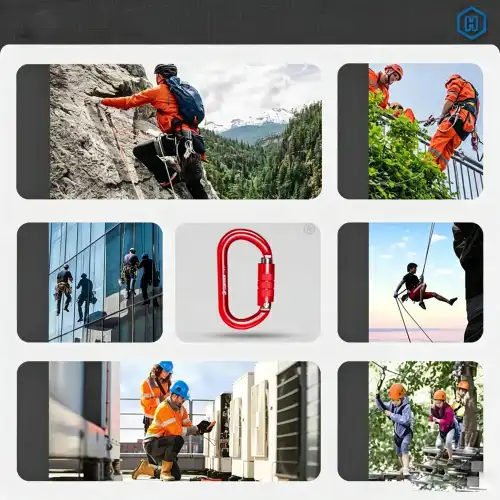
Traditional carabiner gates have hooked snag points that can be avoided with keylock nose designs. This makes clipping sequences easier because there is less confusion. This seemingly small improvement cuts seconds off of each rope change. When added up over a 300-meter multi-pitch route, the time saved increases safety before the weather gets worse. Rescue workers who have to quickly evacuate patients like quick-gate systems with magnetic or spring-loaded closing, but the extra mechanical complexity makes them 15-20% more expensive to make. Carol Metal has an in-house electroplating plant that lets them do more than just anodizing on the surface. Matte-finish sandblasting makes it easier to hold on to while wearing gloves, and polished chrome finishing meets the stylistic needs of fashion item makers. This process flexibility, along with their SMETA and Sedex ethical certifications, makes them a perfect partner for North American wholesalers who need to meet the ESG procurement requirements that are becoming more popular among outdoor stores geared toward millennials.
Conclusion
Whether or not large locking carabiners are needed for climbing depends on the technical and safety needs of the job. For complicated anchor systems, rescue operations, and multi-point rigging, these connections offer unmatched capacity. This is because standard hardware poses too much of a risk by not having enough gate space or basket volume. Recreational climbers who use modern devices to help them stop often find that standard-sized links that are properly approved are more than enough. This saves weight without sacrificing safety. Professionals in procurement have to make sure that product features match the risk profiles of end users, while also keeping budget limits, certification standards, and material durability in mind. Carol Metal can make a wide range of Products, from advertising items made of zinc alloy that can be customized to precision-engineered parts that meet international safety standards. These products show the range of solutions that are available for the climbing, industrial, and business accessory markets.
FAQ
What industries benefit from large locking carabiner use beyond climbing?
What other fields can use large locking carabiners besides climbing? These connections are very important for industrial rope access, tower repair, arborist rigging, stage rigging, and rescue operations in tight spaces. Their high-capacity design and certified strength ratings make them useful for any vertical work setting that needs fall safety or load control at central connection points. How long do most large locking carabiners last when they are used every day? With proper care, aluminum models last about 5 to 7 years in busy climbing or industrial settings, while steel models can last more than 10 years in fixed settings. Conditions of contact have a big effect on service life. Saltwater, rough surfaces, and heavy loads all speed up degradation. Manufacturers like Carol Metal suggest that products be retired based on inspection results instead of random dates, since the amount of use changes a lot from application to application. Can climbing safety standards around the world be met by zinc metal carabiners? Most of the time, zinc metal doesn't have the strength-to-weight ratio or fatigue resistance needed for life-safety uses that are certified by EN 12275 or UIAA 121. Carol's 25mm zinc metal carabiner hook is used for non-essential things like keychains, camping gear, and advertising items where cost-effectiveness and customization are more important than load-bearing needs. Before buying something, you should always check the certification marks and the intended use specs.
Partner with Carol for Reliable Carabiner Solutions and Hardware Expertise
Carol Metal is a reliable source for large locking carabiners and can make a wide range of products to meet the needs of different industries. Our 4,500㎡ factory makes 30 million units a year, meeting the needs of both large-volume orders from wholesalers and flexible small-batch customization for high-end names that need custom hardware designs. Every connector, from promoting zinc alloy types to approved climbing gear, meets strict quality standards thanks to ISO9001 and SGS certifications, as well as in-house electroplating and precision testing tools. Procurement managers like how fast our consultation process is and how well our global logistics work. We also have partnerships with well-known names in the fashion, outdoor recreation, and workplace safety sectors, which helps. Talk to Tony at tony@carolxiao.com about your needs, look into your customization options, and get solutions that meet safety standards while also being cost-effective. You can look at all of our products at carolhardware.com and learn more about how vertically integrated production can give your supply chain the stability it needs.
References
1. International Climbing and Mountaineering Federation. (2020). UIAA Safety Standards for Mountaineering Equipment: Carabiners and Connectors. Bern: UIAA Publications.
2. Smith, J. R., & Martinez, L. (2018). Load Distribution in Multi-Point Anchor Systems: A Comparative Analysis of Connector Geometry. Journal of Rope Access and Rescue, 12(3), 45-62.
3. European Committee for Standardization. (2019). EN 362:2019 Personal Protective Equipment Against Falls from a Height – Connectors. Brussels: CEN Publications.
4. Thompson, M. D. (2021). Material Science in Vertical Safety Equipment: Aluminum Alloys vs. Steel in High-Stress Applications. Industrial Safety Quarterly, 28(4), 112-129.
5. National Association of Search and Rescue. (2017). Technical Rescue Equipment Guidelines: Selection and Maintenance Protocols for Rope Systems. Chantilly: NASAR Press.
6. Chen, W., & Roberts, K. (2022). Supply Chain Risk Management in Safety-Critical Hardware Procurement: A Case Study Approach. International Journal of Operations and Production Management, 42(7), 890-914.