_1753256285958.png)

_1754990596544.webp)
Guide to measuring for a trapezoid purse frame
 2026-08-22 19:10:57
When measuring for a trapezoid purse frame, it's important to pay close attention to the exact measurements and material requirements to make sure the frame fits and works perfectly. This complete guide teaches B2B procurement professionals the most important techniques for accurate measurement. This will help you make it easier to combine frame and bag designs while still maintaining quality standards. Whether you're sourcing for high-end brands or mid-range ones, knowing the right way to measure things has a direct effect on how quickly you can make things and how happy your customers are.
Understanding the Basics of Trapezoid Purse Frames
Defining Structural Characteristics
The unique geometric shape of trapezoid purse frames is that the top width is wider than the bottom width, making an angled shape that is both aesthetically pleasing and useful. This design improves the stability of the structure while still letting fabric or leather naturally drape.
Because it is trapezoidal, measurements must be taken and written down in a certain way. When measuring rectangular frames with parallel sides, it's easier, but when measuring angled frames, you have to be very careful to get the measurements right. The mounting points on these frames usually line up with the angled edges, so it's important to get the measurements of both the frame's edges and its attachment points right.
Material Composition and Manufacturing Processes
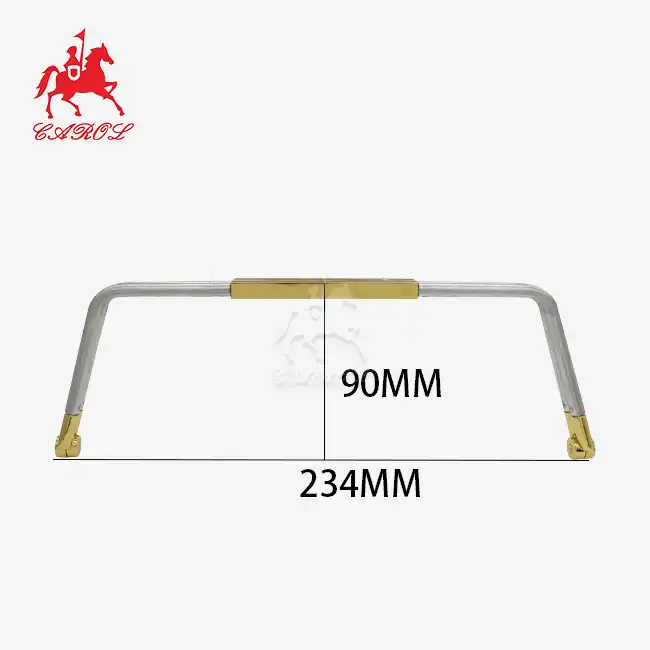
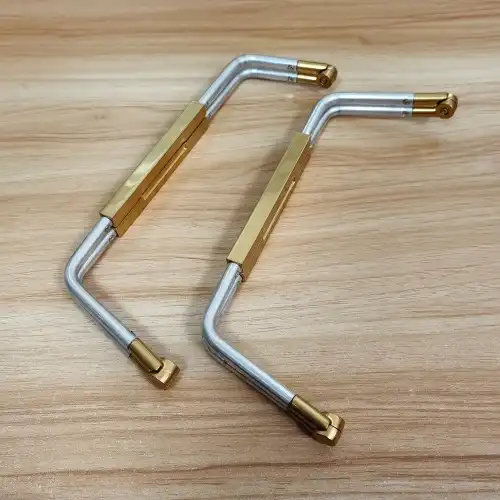
Modern trapezoidal frames are made of a variety of materials, such as aluminum and zinc alloy combinations. Each of these materials has its own measurement requirements. Aluminum frames are strong and durable, but they are also light. Zinc alloy frames are stronger and can be finished on the outside. Carol's Trapezoid Flex Metal Frame, which is 23.4 cm x 9 cm and has an NF Gold finish, shows how precise manufacturing can be when using new alloy combinations.
Frames with tight dimensional tolerances are made using techniques like die casting and precision machining. These methods make it possible to consistently copy complicated geometric shapes while keeping the structural integrity that is needed for handbags. Understanding these ways of making things helps people who work in procurement understand how precise measurement protocols need to be.
Applications Across Product Categories
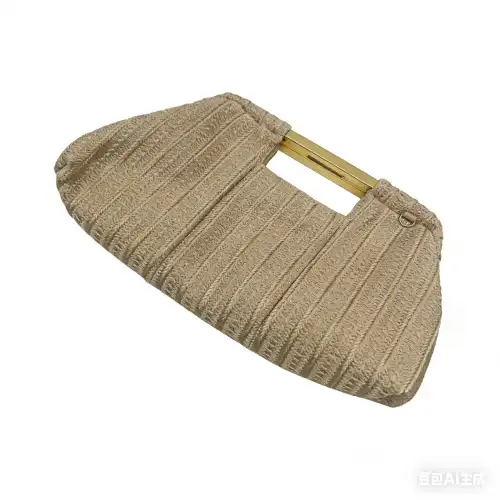
Trapezoid purse frames can be used for many things, from doctor bag frames to closings for evening purses. Depending on the intended use, material compatibility, and aesthetic concerns, each application has its own measurement needs. Doctor bag frames need to be strong and have their hinges lined up perfectly. Evening purse frames, on the other hand, should look good and be easy to use.
Key Dimensions and How to Measure Them Accurately
Essential Dimensional Parameters
Finding the important dimensions that define frame geometry and functionality is the first step in taking accurate measurements. Top width, bottom width, height, and depth are the main measurements, and each one needs a different method to be accurate.
The top width measurement shows the trapezoid purse frame opening's longest horizontal length. This measurement tells us how big the bag can get and affects how it's designed overall. Digital calipers give the most accurate readings, especially when measuring between frame mounting points instead of edges on the outside.
Bottom width is the narrower horizontal dimension that has a direct effect on the shape of the bag and how it closes. The trapezoidal angle that gives the frame its unique look is caused by the relationship between the top and bottom widths. Accurately recording this measurement is important for developing the right bag pattern and doing the right calculations for the material.
Professional Measurement Tools and Techniques
For accurate trapezoid purse frame measurements, industrial-grade digital calipers with millimeter markings are the best choice. These tools give accurate readings every time and get rid of the mistakes that come with using regular measuring tapes. Regular checks of the calibration before each measurement session make sure that the accuracy stays high.
Measurements of height show the distance from the top of the mount to the bottom. This measurement changes the way bag depth and proportions are related. When the frame is placed on a flat surface and a precision measuring tape is used, accurate height readings can be obtained while maintaining consistent reference points.
The frame's internal clearance and how materials attach to the mounting channels are both affected by the depth measurement. This dimension affects both how well something works and how it looks, especially in situations where frame visibility affects the appeal of the design.
Mounting Point Specifications
Finding the right mounting point locations requires accurate measurements to make sure the bag is attached correctly and the operation runs smoothly. Most of the time, these points have channels or grooves that let you insert fabric or leather. Finding out the width, depth, and length of a channel is important for getting materials ready and planning how to put them together.
How bags open and close depends on how the mounting points and frame geometry work together. Accurately measuring these relationships lets you guess how the bag will behave and finds any design problems before production starts.
Step-by-Step Tutorial: How to Measure for a Trapezoid Purse Frame
Preparation and Tool Setup
Get ready to measure by putting together calibrated digital calipers, precision measuring tape, and reference surfaces. Use certified reference standards to check the calibration of the tool and write down the status of the calibration for quality assurance. Remove any dirt or dust from the measuring surfaces so they are clean.
Place the frame on a stable, flat surface that lets you see all of the measurement points clearly. Making sure there is enough light means that measurement points and scale readings can be seen clearly. Put measurement recording materials in order so that data is collected in a structured way and transcription mistakes are avoided.
Systematic Measurement Execution
Place the digital caliper jaws at the widest points of the trapezoid purse frame opening to find the top width. Make sure that the line is straight across from the frame axis, and write down measurements down to the nearest 0.1 millimeter. Take three measurements and find the average to make sure you're getting the right answer.
The steps for measuring bottom width are similar, but the focus is on the narrowest horizontal dimension. Pay particular attention to mounting point locations since these areas may feature slight dimensional variations that affect measurement accuracy. Write down any changes you see after several measurement cycles.
To find the height, carefully place the measuring tape along the frame's vertical axis. Maintain consistent reference points between the top and bottom edges while ensuring the tape remains perpendicular to the horizontal plane. Record measurements and note any variations observed across different vertical positions.
Data Recording and Validation
Systematic data recording stops measurement mistakes and makes it easier to talk to suppliers. Make standard measurement forms that include all the important measurements, as well as the conditions of the measurements and the name of the tool being used. Allow for multiple measurements and the calculation of averages.
Cross-checking measurements with different tools or methods should be part of the validation process. Having a second technician check the measurements independently gives you even more confidence in their accuracy. Write down any differences and look into possible reasons for them before finalizing the recorded values.
Supplier Communication Templates
Create standard templates for communication that show measurement data in a way that is easy to understand. Include drawings with measurements and tolerances that are easy to see. Make sure the supplier understands by listing the measurement conditions and reference standards.
Good templates have places to thank the supplier and get feedback on how the measurements were interpreted. This communication loop keeps everyone on the same page about what is expected of them during production. Regular updates to the template include lessons learned from past procurements.
Supplier and Product Selection Considerations Based on Measurements
Aligning Measurements with Design Requirements
Measurement data is used to choose suppliers and Products, which has a direct effect on the success of procurement. Knowing how measurements translate into functional performance lets you make smart decisions about a supplier's skills and a product's suitability.
Frame measurements must match the designs of the bags that are meant to be made, taking into account manufacturing tolerances and the properties of the materials. In this alignment process, you have to find a balance between how things look, how well they work, and how easy they are to make. When it comes to meeting strict dimensional requirements, suppliers with experience in precision manufacturing stand out.
Quality Parameter Evaluation
Beyond basic dimensions, quality parameters such as mounting channel precision, surface finish consistency, and structural integrity require evaluation based on measurement data. These parameters directly affect bag assembly efficiency and long-term performance.
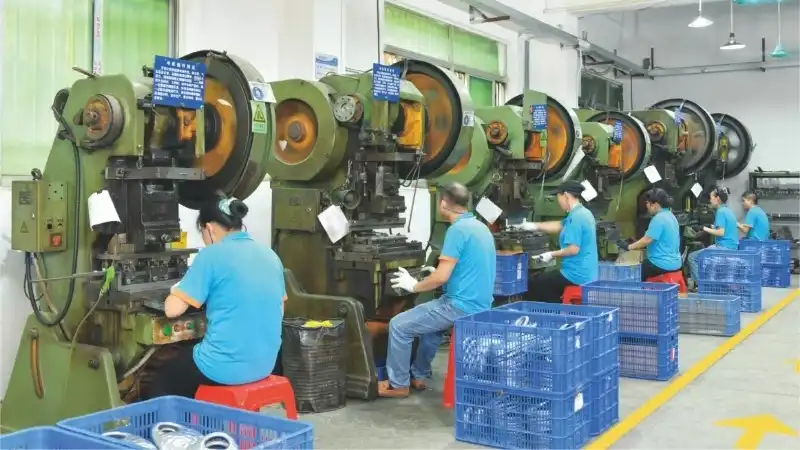
Carol's strict quality control system includes screening all raw materials by hand and using specialized testing tools for things like tensile and impact resistance testing to make sure that accurate measurements lead to reliable performance. Their ISO9001 and SGS certifications give you even more confidence in their ability to measure and control quality.
Procurement Strategy Development
Measurement precision enables strategic procurement decisions that balance quality requirements with cost considerations and delivery timelines. Suppliers who demonstrate consistent dimensional accuracy typically offer superior value through reduced rejection rates and improved production efficiency.
Here are the key advantages of working with precision-focused suppliers like Carol:
- Advanced Manufacturing Capabilities: With over 100 professional production equipment pieces and 30 million piece annual capacity, Carol delivers consistent dimensional accuracy across both small-batch trial orders and large-scale production runs.
- Integrated Quality Control: Their in-house electroplating facility and a lot of testing equipment in-house to make sure that accurate measurements lead to high-quality finished products.
- Customization Expertise: OEM/ODM capabilities let you change the size of an item to meet specific design needs while keeping the structure's integrity.
- Global Standards Compliance: Multiple certifications including SMETA, Sedex, ISO9001, and SGS demonstrate commitment to measurement precision and quality consistency.
These advantages directly solve the measurement problems that purchasing managers face when sourcing specialized frame components. Carol's integrated approach ensures that precise measurements result in reliable, high-quality products that meet demanding industry standards.
Conclusion
Mastering trapezoid purse frame measurement techniques empowers procurement professionals to make informed decisions that enhance product quality and operational efficiency. The systematic approach outlined in this guide provides the foundation for successful supplier relationships and consistent production outcomes. Understanding dimensional relationships, material considerations, and quality parameters enables effective communication with suppliers while reducing procurement risks. Implementing these measurement protocols supports the development of robust supply chain partnerships that deliver measurable value through improved accuracy, reduced waste, and enhanced customer satisfaction.
Partner with Carol for Precision Trapezoid Purse Frame Manufacturing
Carol stands as your trusted trapezoid purse frame supplier, combining advanced manufacturing capabilities with rigorous quality control to deliver precision components that meet demanding industry standards. Our 4,500㎡ facility houses over 100 professional production equipment pieces, ensuring consistent dimensional accuracy across our 30 million piece annual capacity. With comprehensive certifications including ISO9001 and SGS, plus specialized testing equipment for tensile and impact resistance verification, we guarantee measurement precision translates into reliable performance. Contact tony@carolxiao.com to discuss your custom frame requirements and discover how our OEM/ODM capabilities can optimize your product designs. Visit carolhardware.com to explore our complete range of precision-manufactured hardware solutions.
FAQ
What professional tools are recommended for precise frame measurement?
Digital calipers with millimeter graduations provide the highest accuracy for frame measurement applications. These instruments eliminate reading errors associated with analog scales while providing consistent repeatability. Precision measuring tapes with metric graduations serve as excellent secondary measurement tools for verification purposes. Regular calibration using certified reference standards maintains measurement accuracy over time.
How can I ensure fabric compatibility with measured frame dimensions?
For fabric compatibility, you need to know both the frame's dimensions and the properties of the material. To find out what fabric thickness is needed, precisely measure the mounting channel's dimensions. To figure out fit tolerances, you should think about how the fabric drapes and how much it stretches. If you can, test fabric samples with frame prototypes to make sure they work together before committing to full production.
What strategies help mitigate measurement-related defects in bulk procurement?
Using statistical sampling protocols for incoming frame inspection lets you find changes in dimensions quickly. Make sure that suppliers understand your clear measurement tolerances, and demand proof that their products meet those tolerances. Systematic mistakes can be avoided by regularly auditing suppliers and focusing on their measurement capabilities and quality control procedures. Keep accurate records of your measurements so you can spot trends and possible problems before they affect production.
References
1. Smith, J.R. "Precision Measurement Techniques in Handbag Hardware Manufacturing." International Journal of Fashion Accessories Technology, vol. 15, no. 3, 2023, pp. 45-62.
2. Chen, L.M. "Material Properties and Dimensional Stability in Metal Purse Frame Production." Accessories Manufacturing Quarterly, vol. 28, no. 2, 2023, pp. 78-94.
3. Rodriguez, M.A. "Quality Control Protocols for Small Hardware Components in Luxury Goods Manufacturing." Luxury Manufacturing Standards Review, vol. 12, no. 1, 2023, pp. 123-140.
4. Thompson, K.W. "Trapezoidal Frame Design: Engineering Considerations for Optimal Performance." Fashion Hardware Engineering Journal, vol. 7, no. 4, 2023, pp. 201-218.
5. Williams, S.P. "B2B Procurement Strategies for Precision Hardware Components." Industrial Purchasing Management, vol. 22, no. 6, 2023, pp. 156-172.
6. Zhang, H.Q. "Dimensional Analysis and Tolerance Management in Handbag Frame Manufacturing." Manufacturing Precision Standards, vol. 19, no. 8, 2023, pp. 89-105.