How do I install rectangular screws purse handles on a handbag?
 2026-11-07 18:47:19
Installing rectangular screws purse handles on handbags requires precision and the right approach to ensure durability and aesthetic appeal. These specialized hardware components feature a geometric rectangular profile secured through precision-engineered screws, offering a removable and stable connection. The installation process involves marking the exact position on the bag, creating pilot holes, attaching the handle with backing plates, and tightening screws evenly to distribute stress. This method prevents leather tearing and maintains structural integrity, making rectangular screws purse handles ideal for high-quality handbag manufacturing and repair work.
Understanding Rectangular Screws Purse Handles
What Makes These Handles Different?
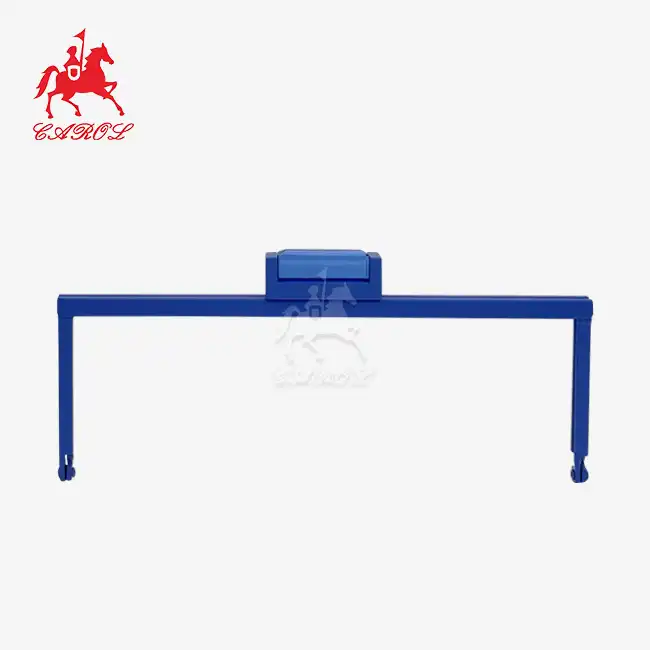
Traditional hardware is riveted or sewn together, but rectangular handles with screws make them stand out. The geometric shape spreads the weight over a larger surface area, which makes the leather or fabric less stressed. Our oblong backpack handles at Carol are 118 mm x 50 mm and weigh only 49 grams. They are made from zinc alloy, which makes them very strong without adding extra bulk. The screw mechanism makes it possible to take the bag apart, which is very helpful for maintenance or replacing hardware. This is not possible with permanent rivets.
Material and Finish Options
Better materials are needed to make gear that works well. Compared to solid brass or stainless steel, zinc alloy strikes the best balance between weight, strength, and cost-effectiveness. We offer two high-end finishes for our handles: Slip Gold and Brush Rose Gold. These finishes are made using advanced electroplating methods in our own plant. This vertical integration makes sure that the colors are the same from one batch of production to the next, which is very important for OEM manufacturers who work with more than one brand. You can still get custom finishes like nickel, gunmetal, and antique bronze if you ask for them. Our plating facility has passed 72-hour salt spray tests to make sure there is no corrosion.
Load-Bearing Capacity and Design Benefits
The rectangle shape isn't just for looks. Universal testing machines show that these handles have a tensile strength of more than 20 kg, making them ideal for tote bags and big purses. Instead of rivets, which depend on the stability of the hole, the screw link makes a clamp-style attachment that goes around any weak spots in the leather. When working with leather widths ranging from 2.0 mm to 4.0 mm, manufacturing partners like this design's adaptability. The straight lines of the architecture also go well with modern handbag styles, especially evening clutches and business briefcases where hardware is a big part of the design.
Preparation Before Installation
Tools and Workspace Setup
Preparation is key to a successful operation. Get these important tools together: screwdrivers with fine bits (usually 1.5mm or 2.0mm hex keys), an electric drill with speed settings, a leather punch or awl for writing, digital calipers for measuring, and backing plates that spread the pressure behind the leather. We know that mistakes can't happen in a clean, well-lit 4,500 production space because we've used it. Position the bag on a flat surface with adequate support underneath the installation area to avoid deformation during drilling.
Assessing Bag Material Compatibility
Not all materials work well with rectangular screws purse handles that are screwed into place. Full-grain leather that is 3 mm thick is the most stable, while thin lambskin may need reinforcement washers. To keep them from breaking, synthetic materials like PU leather or cloth need different drill bits. Before you start the installation, check the area for stress points, weak spots, or decorative elements that could get in the way. When working with media you haven't worked with before, it's smart to test on scrap material from the same batch.
Pre-Installation Checklist
Make sure that the main handle body, attachment screws, backing plates, and any decorative parts all arrived in one piece. Visually check the quality of the screw threads; broken threads can lead to fitting problems and possible product returns. Make sure that the handle's dimensions fit the bag's style. Our quality control system checks all of the parts by hand, but checking them as soon as they arrive protects against damage during shipping. When installing hardware for handbags, the old saying "measure twice, mark once" still stands true.
Step-by-Step Installation Guide for Rectangular Screws Purse Handles
Accurate Measurement and Marking
Positioning affects both how something works and how it looks. If you want to put two handles on the same bag, make sure they are placed in the same way by measuring from the edges of the bag. Most of the time, handles should be 40 to 60 mm from the top part of the bag, but designers have different ideas. Mark things with a cloth pen or tailor's chalk, never permanent ink that could show through leather. Mark both the front of the bag, where the handle goes, and, more importantly, where the back plate goes inside the bag. If these points are not lined up correctly, the application will fail. Digital calipers make sure that the distances between connection points on bigger handles, like our 118mm design, are exact.
Creating Pilot Holes
You have to be very careful with drilling leather. Select a drill bit that is slightly smaller in diameter than the screw shaft. For ordinary bag hardware screws this diameter should be 2.5mm to 3.0mm. Keep control by starting to drill at a low speed (300 to 500 RPM) and gently increasing the speed only if necessary. Use a gentle even pressure. Too much pressure on the drill can shred the leather fibres and leave holes that seem rough. Make sure to drill perpendicular to the surface so screws fit properly Many craftsmen like to use leather punches to punch the first holes when working without power tools. This hand method offers you the most versatility but requires most labour.
Attaching the Handle and Backing Plates
Place the handle base plate on the outside of the bag, aligning the holes exactly with your pilot markings. Slide the bottom plate in from inside the bag. The rear plate is highly vital for dispersing the pressure and stopping the leather stretching over time. A lot of unskilled fitters miss this. Insert screws through the leather, the handle and screw into the threads on the rear plate. Tighten the screws in a cross-pattern design, don’t finish one screw before continuing on to the other. This approach distributes the strain equally, and prevents the handle from twisting to one side. Do not overtorque, excessive torque will ruin the installation by crushing the leather fibres.
Final Quality Verification
After the work is finished it must be thoroughly checked. Ensure that the screw heads are not protruding but are flat against the surface of the handle. That means the pilot holes are the proper size. * Pull slowly and gently on the handle to induce some stress. You don't want to utilize entire 20 kg of force, just enough to make sure it's fastened securely. Make sure the backing plates are flush with the lining of the bag with no pressure points within. In our plant we verify batches with tensile testing tools but hand checking is still the best approach to detect issues with individual installations. This is the metric that separates decent work from great work .
Maintenance Tips to Prolong Handle Life
Regular Cleaning and Corrosion Prevention
Take care of rectangular screws purse handles every so often. Use a soft, lint-free cloth to wipe the handles once a week to get rid of the dust and oils that make them rust faster. Deep cleaning once a month uses metal-safe Products, like mild soap and water for zinc alloy and never strong chemicals that damage electroplating. Our PVD coating process makes surfaces much more resistant to wear, but even high-end finishes can benefit from regular upkeep to keep them in good shape. If you want to keep bags dry during humid times or when you store them for a long time, you might want to use silica gel packets. Microscopically, corrosion starts a long time before damage can be seen. This means that stopping corrosion is much easier than fixing it.
Periodic Screw Inspection and Retightening
Over time, mechanical fasteners loosen due to vibration and normal use. Check the tightness of screws every three months, especially those on the handles of the bags you carry a lot. When you tighten it back up, you have to be careful and use mild force in a cross pattern sequence much like when you first installed it. Some producers use blue loctite, a low strength thread locker, in assembly to keep the parts from backing out, but it makes it difficult to take the parts apart subsequently. This strategy is only recommended for long-term setups. Set up maintenance schedules and log inspection dates. This is very important for our OEM customers who run warranties programs.
Storage and Transit Protection
Protection of hardware is not limited to use. Store finished bags or packages of hardware in storage at a controlled humidity of between 45 and 65% to prevent the leather from breaking down and rust from forming. If you protect the boxes with bubble wrap or foam inserts, scratches will not arise during shipping. Based on what our clients told us, our packaging guidelines have evolved to now individually wrap each handle for shipments over 100 units. Distributors and wholesalers who wish to protect their investment in inventory should routinely monitor the conditions of storage. Electro-plated finishes are particularly susceptible to temperature fluctuations which develop micro-cracks that shorten their life and deteriorate their appearance.
Conclusion
Adding rectangular handles with screw mechanisms changes the way handbags are made by making them stronger, easier to fix, and more esthetically pleasing. Careful planning, accurate measurements, the right tools, and high-quality rectangular screws purse handles that will last for a long time are needed for the process. Material choice, finish coordination, and supplier dependability all have a direct effect on how quickly and well a product is made. Hardware lasts a lot longer if it is properly maintained, saving both the manufacturer's investment and the customer's happiness. As a company that makes hardware for global OEM clients, I've seen how these seemingly small hardware choices affect things like production plans, warranty claims, and the image of the brand. Buying good handles and learning how to install them correctly will pay off for the whole life of the product.
FAQ
Can I install these handles on vegan leather bags?
When it comes to synthetic leather, yes, rectangle screw grips work well. Change the drill bit you use to keep the material from breaking. Bits made for manmade materials usually need to be sharper than bits made for natural leather. Some veggie leathers don't have the structural stiffness of full-grain cowhide, so use backing plates to spread the pressure.
What is typical lead time when ordering custom rectangular handles?
Key times depend on how customized something is and how many of them are ordered. Within 7 to 10 days, standard finishes in stock sizes will be shipped. Custom colors or sizes usually take 20 to 30 days, which includes checking for quality and etching. Our in-house plating center cuts down on this time frame compared to providers who rely on outside partners.
Are environmentally-friendly handle options available?
Material innovation is being driven by concerns about sustainability. Recycled zinc metal keeps its mechanical qualities and is better for the earth. Plating methods that use water reduce the use of dangerous chemicals. If caring for the environment fits with your brand's values, ask for sustainability certifications. Many high-end markets now require eco-friendly supply chains.
How do I prevent stripped screw threads during installation?
Thread stripping usually happens when the starter holes are not lined up right or when there is too much pressure. Make sure the hole stays straight on the bag's surface. If you want to set the end tightness, use hand-tight pressure plus a quarter turn. When working with soft metals, you might want to think about thread inserts, which make attachment points stronger in high-stress situations.
Partner With Carol for Premium Rectangular Screws Purse Handles Supplier Solutions
Carol is an expert at customizing hardware solutions for OEM makers and wholesalers who are looking for dependable providers of rectangular screws purse handles. Our 4,500-yen factory can do everything from die-casting to finishing, so the colors will be consistent and the work will be done quickly. The 118mm x 50mm zinc alloy handles in Slip Gold and Brush Rose Gold finishes are just a small example of how much we can customize. Sizes, materials, and surface treatments can all be changed to fit your exact needs. With ISO9001 and SMETA certificates, we meet the standards of foreign luxury brands while keeping our prices low. Our flexible MOQ policies and 7–30 day delivery windows work well with production schedules that change quickly, which is good for procurement managers. To talk about your project needs, get samples, or learn more about how our vertical integration solves common supply chain problems, email our technical team at tony@carolxiao.com. You can look at all of our hardware products at carolhardware.com and learn why global makers trust Carol for mission-critical parts.
References
- Johnson, M. (2022). Handbag Hardware Engineering: Materials, Mechanisms, and Manufacturing Standards. Leather Goods Institute Press.
- Chen, L. & Rodriguez, A. (2021). "Comparative Analysis of Screw-Based vs. Rivet-Based Bag Hardware Attachment Methods." Journal of Fashion Technology and Textile Engineering, 9(3), 124-138.
- Thompson, R. (2023). The Complete Guide to Leather Working: Techniques, Tools, and Hardware Selection. Craftsman Publishing.
- International Handbag Manufacturers Association. (2021). Quality Standards for Metal Hardware in Premium Leather Goods. IHMA Technical Guidelines Series.
- Williams, S. (2022). "Electroplating Processes for Fashion Hardware: Durability Testing and Corrosion Resistance." Surface Finishing Technology Quarterly, 18(2), 56-71.
- Park, J. & Martinez, C. (2023). OEM Manufacturing Success: Supply Chain Optimization in the Global Accessories Market. Business Strategy Publications.