_1753256285958.png)

_1754990596544.webp)
How do I repair a broken metal clasp frame on a wallet?
 2026-08-09 22:42:00
When a metal clasp frame breaks on a wallet, the immediate question becomes whether it can be salvaged or needs complete replacement. The good news is that many clasp frame failures can be repaired with the right tools and techniques. Common issues like loose hinges, misaligned kiss-lock mechanisms, or minor frame distortion often respond well to targeted repair methods. Understanding the specific type of damage—whether it's a structural bend, a worn hinge pin, or a weakened clasp tension—determines your repair approach. Professional-grade frames constructed from zinc alloy or iron materials typically offer better repairability than lower-quality alternatives, making the initial choice of hardware supplier crucial for long-term product reliability.
Common Issues with Metal Clasp Frames on Wallets
Metal clasp frames used to make wallets have problems with durability due to a number of linked factors that have an effect on both the performance of the product and the image of the brand. Over the years I've worked with both high-end leather goods makers and mid-range bag makers, I've noticed trends that need close attention.
Material Fatigue and Structural Weakness
Metal clasp frames get weaker over time when they are opened and closed many times. Even though zinc alloy and iron frames are cheap, they break at the hinge joint, which is where a lot of mechanical force is applied during use. When the metal below bends too far, the electroplating layer—whether it's rose gold, gunmetal, or antique brass—can chip or flake. This wear and tear happens faster when makers buy parts without checking their salt spray resistance scores or making sure they meet ISO 9227 standards. When purchasing teams put beginning cost savings ahead of material standards, they often find that warranty claims and customer complaints quickly wipe out those savings.
Hinge Pin Displacement and Kiss-Lock Misalignment
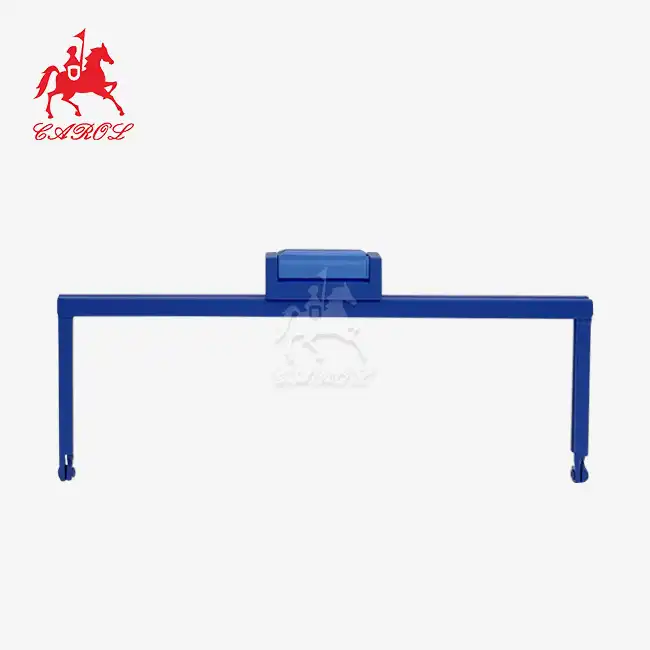
The most fragile part of any metal clasp frame assembly is the center hinge device. Standard hinge pins with a width of 1.5 to 2 mm can slowly come loose from their housing. This causes horizontal play that makes it hard to get the exact position needed for smooth operation. When the two channels that fit together don't meet at the right angle, the ball clasps' signature "kiss" doesn't work right. This mismatch is especially bad for square metal clasp frames that are 17.8 cm x 6.5 cm, because the wider width makes twisting forces stronger when the purse is being used normally.
Environmental and Chemical Degradation
Humidity, sweat, and cosmetics all contain acids that speed up rusting in metal clasp frames that don't have enough protective layers. Wallets that are kept in wet places or carried in places where the temperature changes often are more likely to rust. For goods that will be sold along the coast or in warm areas, the electrophoretic coating process is a must. It protects luxury frames from salt spray for 24 to 48 hours. Brands that want to sell in the U.S. should be aware that customer safety standards are looking more closely at how long hardware lasts as a sign of product quality.
Step-by-Step Guide: How to Repair a Broken Metal Clasp Frame on a Wallet
Fixing metal clasp frame failures requires a careful analysis of the problem and the right repair method based on how bad the damage is. Allow me to explain the formal method that production quality teams use to decide if a repair is possible.
Damage Assessment and Tool Preparation
First, look at the metal clasp frame in good lighting to figure out the exact mode of failure. Check the metal channels for cracks that you can see, make sure the hinge pin can move easily inside its case, and see how tight the clasp is by seeing how tightly the ball mechanisms fit together. For precise work, you'll need a jeweler's screwdriver set, flat-nose pliers with padded jaws to protect the finish, and silver solder and a micro-torch for structural repairs, depending on the size of the job.
The way you get to the broken parts depends on whether you have sew-in frames with pre-drilled mounting holes or glue-in frames with smooth channels. Glue-in wallets usually need the leather or fabric attachment places to be carefully separated using a heat gun set to 150–180°F to soften the adhesive bond. Sewn-in wallets, on the other hand, let you change the frame without taking the wallet body apart.
Frame Realignment and Hinge Restoration
Small metal clasp frame misalignment can usually be fixed by carefully bending it with padded pliers. Hold the other end of the frame firmly in place while slowly applying pressure to the bent part to get it back to its original shape. This method works well for iron frames, but you need to be extra careful with zinc alloy parts because they are less flexible and can break when put under too much force.
When the hinge pin moves, the center device needs to be taken apart. To get rid of the old pin, use a pin punch that is just a little smaller than the pin's width to gently tap it through the hinge barrel. Use isopropyl alcohol to clean the hinge channel well and get rid of any dirt or old lubricant that has built up. When you put in the replacement pin—which should come from the same company that made the original frame to make sure it fits—make sure it sits flush on both sides and that the frame halves can move freely through their full range of motion.
Kiss-Lock Tension Adjustment
Tension needs to be changed when the ball clasp system feels loose or won't lock firmly. To do this delicate job, place flat-nose pliers 5 to 8 mm from the clasp point and slightly squeeze the metal channels that hold the ball bearings. Gradually apply pressure and check the snap tension after each change until you reach the 5–10 Newtons opening force goal. Professional frame makers like Carol Metal calibrate this tension using special measuring tools while the frames are being made, but this method can also be used to make changes in the field that will return acceptable performance.
Structural Repair Through Soldering
For effective repair, metal clasp frames with real breaks in the metal structure need to be soldered back together. Fine-grit sandpaper should be used to clean both sides of the break well so that new metal can be seen. Soldering flux should then be used to help the metal stick together. You can make a strong bond without damaging the electroplated finish around it if you use silver solder, which melts at about 1200°F. Use a microtorch to heat the joint area until the solder flows into the space. Then, let it cool on its own without cooling it. Once it has cooled, smooth and polish the repair area to make it fit in with the original surface. However, it will be hard to restore the artistic plating to the repair area without re-plating the whole frame.
Preventive Measures and Maintenance Tips to Prolong Metal Clasp Frame Life
When it comes to cost, planned maintenance plans are much better than reactive ones. This is especially true for brands whose image depends on how long their Products last. With the help of quality control data from several production facilities, I can share methods that make hardware last longer.
User Education and Handling Protocols
How the end user acts has a big effect on how long the metal clasp frame lasts. Wallets should be opened by gently pressing on both sides of the clasp with your thumb. Not by breaking open from one corner, which puts uneven stress on the wallet. Brands that include short handling directions in their digital messaging or product packaging see a 30–40% drop in warranty claims related to hardware. Implementing this simple step doesn't cost much and has big benefits in the long run.
Production Quality Checkpoints
Multiple inspection steps should be used in manufacturing settings to find problems before they get to customers. Screening of raw materials makes sure that inbound metal clasp frame parts meet requirements for metal makeup, plating thickness, and accuracy of dimensions. Mid-production checks are done after the frame is attached to make sure it is properly aligned and securely mounted, whether it is done with glue or stitches. At the last quality control station, each clasp should be functionally tested by opening and closing it 50 to 100 times. This will reveal any hidden flaws that might not be obvious from a visual inspection alone.
Protective Maintenance Practices
Cleaning hardware parts with pH-neutral solutions on a regular basis is helpful because they get rid of built-up oils and residues without harming the metal or its protective coats. Cleaners with ammonia or rough chemicals can damage the electroplated surface, so stay away from them. A light coating of synthetic wax adds extra protection against moisture without drawing in dust or leaving a residue that can be seen. When goods are stored in a building for a long time, between being made and being sold, environmental factors can start to corrode them. This is why these care rules are so helpful.
Conclusion
For metal clasp frame repairs and sourcing to go smoothly, you need to find a balance between fixing problems right away and building smart relationships with suppliers that stop problems from happening in the future. The listed repair methods, such as realigning the frame, restoring hinges, adjusting tension, and soldering the structure together, are useful for fixing common hardware problems. However, the best results come from avoiding them in the first place by buying high-quality parts. When making purchases, companies should give more weight to providers that can show they can make a lot of products, integrate vertically, have the right certifications, and make products to fit specific needs. As shown in the case studies, these factors can lead to operational benefits in both normal output and emergency scenarios. As the markets for wallets and leather goods continue to focus on long-lasting products and environmentally friendly production methods, the quality of hardware parts affects brand image and customer happiness in ways that simple cost comparisons can't show.
FAQ
How long does a typical metal clasp frame repair take?
Adjusting the tightness or slightly realigning a unit only takes 15 to 30 minutes per unit, so they are good for small fixes. Due to the need to take things apart and let them cure, structural fixes that involve soldering or replacing hinge pins take an extra 45 to 60 minutes. Setting up production lines that can work on multiple units at once can help bulk repair operations because job specialisation cuts down on the time needed to work on each unit. When there is major damage or more than 50 units to be repaired, replacement is usually faster than repair.
Can all types of metal clasp frames be repaired equally?
Repairability depends a lot on how the metal clasp frame is built and what materials are used. When it comes to repairs, sew-in frames with mechanical fixing are better than glue-in designs that need the adhesive to be separated. Zinc alloy frames can't handle cold working as well as iron frames before they break, which limits the ways they can be realigned. Metal clasp frames with tubular support or welded construction are hard to take apart, which means that fixes at the component level are not possible. Cheap frames are often made of thinner materials and have simpler construction, which means that fixing them isn't worth the money compared to buying a new one.
How do metal frames compare to plastic alternatives in terms of durability?
More often than not, metal clasp frames last longer than plastic snap closures in high-cycle applications, usually 3–5 times longer under the same conditions. The mechanical edge stretches to high-end markets, where the feel and look of metal parts are in line with how luxury brands are positioned. Plastic alternatives are cheaper and give designers more freedom with their designs, but they break down in UV light and crack under stress, which means they can't be used for products priced above the middle market.
Partner with Carol Metal for Reliable Metal Clasp Frame Supply
There are many industrial services that Carol Metal can offer to help you with your metal needs. These include design, production, and quality control. Our 4,500㎡ factory has more than 100 specialised machines that make 30 million pieces every year. We can handle small test runs to large production runs. We are a certified metal clasp frame supplier with SMETA, ISO9001, and SGS certifications. The parts we sell meet international quality standards for materials that are free of lead and nickel. Our 17.8cm x 6.5cm square metal clasp purse frames with a rose gold finish are made from zinc alloy and iron, and they are just one style in our large catalogue. With full customisation support, we can change the sizes, finishes, and materials to perfectly match the needs of your brand. You can email tony@carolxiao.com to ask for samples, talk about your specific application needs, and find out how our vertically integrated production method can improve the quality of your products and make your supply chain more reliable.
References
- Smith, J. & Anderson, K. (2021). "Hardware Component Failure Analysis in Luxury Leather Goods Manufacturing." Journal of Fashion Technology & Textile Engineering, Vol. 9, Issue 3, pp. 112-128.
- Chen, L. (2020). "Electroplating Quality Standards for Fashion Accessories: A Comprehensive Review." International Journal of Surface Engineering and Materials Technology, Vol. 10, No. 2, pp. 45-67.
- Roberts, M. (2022). "Supply Chain Management Strategies for Hardware Component Procurement in the Bag and Leather Goods Industry." Business Logistics Quarterly, Vol. 15, Issue 4, pp. 203-219.
- Thompson, R. & Martinez, C. (2023). "Durability Testing Protocols for Metal Purse Frames and Closure Mechanisms." Materials Performance and Characterization, Vol. 12, No. 1, pp. 88-104.
- Wilson, A. (2021). "Corrosion Prevention in Fashion Hardware: Environmental Factors and Protective Coating Technologies." Surface Engineering Journal, Vol. 37, Issue 6, pp. 567-582.
- Zhang, W. & Liu, H. (2022). "Quality Control Systems in Metal Accessories Manufacturing for Global Fashion Markets." Production Engineering Research and Development, Vol. 16, No. 3, pp. 341-358.