_1753256285958.png)

_1754990596544.webp)
How do roller buckles work?
 2026-06-22 16:57:06
Roller buckles serve as indispensable fastening components across manufacturing, logistics, outdoor equipment, and safety gear sectors. These precision-engineered hardware pieces streamline strap adjustment while maintaining structural integrity under dynamic loads. Our guide addresses the specific concerns of global B2B procurement professionals navigating the complex landscape of hardware sourcing. We examine the mechanical principles, material considerations, and application requirements that distinguish quality roller buckles from standard offerings. With Carol Metal's extensive manufacturing expertise and comprehensive quality control systems, we provide actionable insights that transform procurement challenges into competitive advantages. Our 4,500㎡ facility produces 30 million pieces annually, supporting both exploratory trial orders and large-scale production commitments.
Understanding Roller Buckles: What They Are and How They Work?
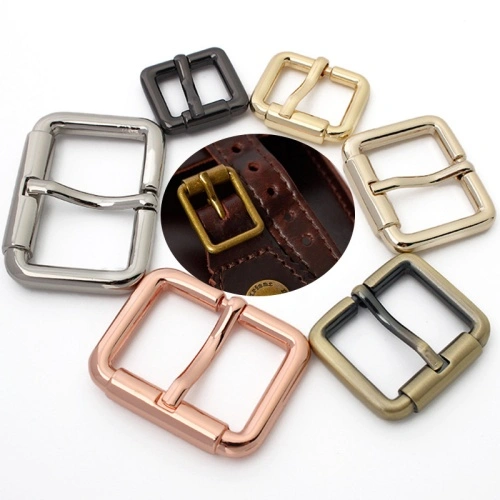
Roller buckles have a square or rectangular frame that holds a round roller bar that can turn easily on its axis. When leather or webbing bands go through the frame and loop around the roller, the spinning system lets the roller move in both directions with little resistance. This spinning action is very different from fixed-bar designs, where metal edges that stay in place make contact points that wear down materials faster. The smooth spinning of the roller spreads pressure evenly across the width of the strap, stopping wear patterns that lower the load-bearing capacity.
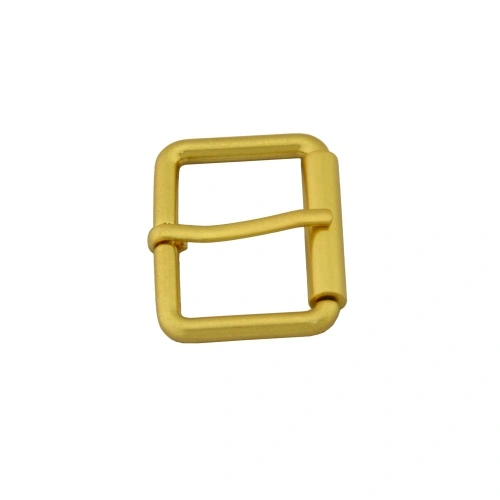
Anatomy of High-Performance Roller Buckles
The frame supports the structure and sets the maximum load that can be put on it. The roller bar, which has a width of about 3 to 5 mm, takes the stress that comes from the adjustment cycles. This engineering concept is shown by our 30mm Smooth Adjustable Heavy Duty Roller Pin Buckle, which is 30mm long, 20mm wide, and 4mm thick and weighs 12 grams. The zinc alloy construction strikes a good mix between strength and cost-effectiveness. It comes with nickel-free nickel and dull gold finishes that can be used to meet a variety of aesthetic needs in leather goods, pet items, and luggage parts.
Mechanical Advantages Over Traditional Fasteners
Getting rid of friction is the main practical gain. When you change a standard buckle with set bars, shearing forces are created that heat up and wear down the fibers of the strap. Roller systems lower this friction rate by 40–60%, which makes the strap last a lot longer. The constant rotation also makes it easier to change the length, so users can get a perfect fit without the jerky moves that come with other designs. This working smoothness is especially useful for things that need to be adjusted a lot, like dog chest straps and flexible backpack systems.
Common Roller Buckle Configurations
The market is mostly made up of single-roller designs, which are simple and work well for belts and bag bands. Double-roller versions have two parallel bars that make it easier to grip synthetic materials that aren't very sticky. Snap-fit roller buckles have quick-release systems built in, so they can be used in situations where taking something apart without tools is important. Each configuration meets a different set of practical needs. This helps procurement workers find solutions that are right for the end use and meet user standards.
Key Factors to Consider When Choosing Roller Buckles
Material Selection and Performance Characteristics
Zinc alloy is the best mix of strength and flexibility for fashion items and light-duty uses. This material easily responds to electroplating processes, giving you a variety of finish choices while keeping its shape. The electroplating factory at Carol Metal handles the thickness and stickiness of the coatings on its own, making them resistant to salt spray for 48 to 96 hours, as required by ASTM B117. Stainless steel choices offer better resistance to corrosion, which is important for naval settings and outdoor gear that is constantly wet. Brass choices offer the warm tones that are popular in high-end leather goods and are very easy to machine for unique shapes.
The load capacity is directly related to the alloy's makeup. When used properly, standard zinc metal roller buckles can handle loads of up to 150 kg. Our tensile testing tools make sure that these specs are always met across production batches, getting rid of the random differences that can happen with models that use more than one provider. Material hardness affects how well it resists wear. Rockwell hardness testing makes sure that the frame and roller parts are sturdy enough to not bend when they are loaded and unloaded over and over again.
Dimensional Compatibility and Sizing Protocols
To keep the strap from slipping and tearing, the roller buckle's measurements must exactly match the width of the strap. A 30mm roller buckle can fit 28–30mm nylon, so it doesn't move much side to side while keeping the rollers turning smoothly. Specifications for buying things should take into account different levels of strap thickness. For example, frames that are deeper than 4 mm must be used for thicker leather to keep it from binding during tightening rounds. Our engineering team gives sellers advice on dimensional limits, which helps them avoid problems with compatibility that lead to customer complaints later on.
The width of the roller bar affects how smoothly the change works. Larger diameter rollers spread contact pressure more widely, but the frame needs to be bigger. Smaller rollers work well for small patterns, but they may put extra stress on thin plastic straps in certain places. To balance these geometric relationships, you need to know about the specific needs of the application. Carol Metal's technical consultants get this knowledge through a process called "systematic needs assessment."
Application-Specific Selection Guidelines
Manufacturers of pet accessories make sure that dog collars and harnesses are easy to change and have a firm grip. Roller buckles with serrated or knurled bars hold nylon webbing better, so it doesn't come away while you're using it. For luggage uses, materials that don't rust and frames that are strong enough to handle the stress of carrying bags are needed. The metal on handbags and purses needs to look better. Matte gold and brushed nickel styles fit with the image of a luxury brand while still working well. Our wide range of Products meets these different needs by following set rules for customization from the beginning of the planning process to the delivery of the finished product.
How to Install and Maintain Roller Buckles for Optimal Performance?
Installation Procedures for Various Applications
To make it easier to run through the frame, cut the ends of the straps at a 45-degree angle before you start installing the leather belt. Put the belt through the frame opening that is away from the roller. Then, loop it around the roller bar and put it back through the frame opening. At least 15 mm away from the buckle, stitch or join the strap end to keep it from pulling through when it's loaded. Installing a dog collar uses similar sewing designs, but at stress points, bar-tack stitching is needed to handle the sudden forces that happen when the leash is pulled.
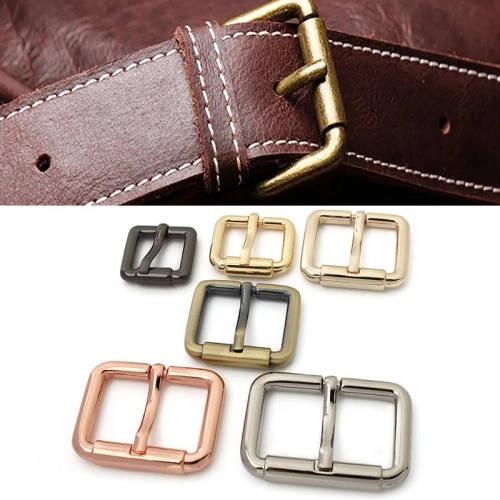
When you add backpack straps, you need to pay attention to how the load is distributed. Place roller buckles where they will be adjusted a lot, like where the shoulder straps meet and where the chest connects. Make sure the webbing stays in the right twist position as it goes through the roller to stop edge loading, which speeds up wear. Our installation advice paperwork has thorough images that show how to solve common problems that come up during assembly across all types of applications.
Maintenance Protocols for Extended Service Life
Debris that gets stuck in the rollers can be removed by cleaning them regularly. Mild soap solutions get rid of biological contaminants well without hurting electroplated surfaces. Avoid using rough cleaners that can damage the finish and leave the base metal open to acidic surroundings. Lubricating rollers with silicone-based products on a regular basis keeps them running smoothly, especially in dusty or sandy environments that are common in outdoor equipment uses.
Inspection processes should find surface flaws that show how wear is progressing. If roller bars have burrs or sharp edges, they need to be replaced before the strap gets damaged. Frame warping can be a sign of overloading. Looking at failure modes helps buying teams choose options with more capacity. Prior to shipping, Carol Metal's quality control procedures check for these flaws. This lowers the number of failures in the field and the costs of warranties.
Procurement Insights: Sourcing Roller Buckles for Bulk and Custom Needs
Supplier Evaluation and Partnership Criteria
When you buy in bulk, you have to make sure that the factory can make more than just the things listed in the catalog. With more than 100 pieces of production tools and full-chain integration from design to packing, Carol Metal gets rid of the risks that come with having multiple vendors in a supply chain. Our ISO9001 and SGS certifications show that our quality management systems have been checked by a third party, which meets the audit standards of buyers who work in controlled industries.
Unreliable providers can be told apart from greedy ones by how predictable their lead times are. Our yearly capacity of 30 million pieces can handle changes in demand without affecting delivery times, which is very important for brands that are in charge of handling seasonal product launches. We keep enough raw materials on hand to support 15-day production runs, which lets us quickly fill orders even during busy manufacturing times.
Custom Manufacturing and Specification Development
Customization through OEM/ODM turns normal roller buckles into parts that help brands stand out. In addition to zinc alloy, materials like brass, stainless steel, and custom alloys that meet certain strength-to-weight goals are also available. Customization of dimensions allows for non-standard strap lengths and unique aesthetic features that help build brand recognition. Our mold engraving skills let us add decorative textures and names that are raised in relief, which makes final goods seem more valuable.
There are many types of finishes, from useful ones that stop rust to pretty ones that match the latest fashions. Specifications for electroplating thickness take cost and weather exposure intensity into account. Carol Metal's own electroplating plant makes nickel-free options that meet the standards of European REACH and California's Proposition 65. These are important licenses for online stores that serve both European and North American customers.
Pricing Structures and Order Volume Optimization
It is a known fact that unit costs go down as volume promises rise, but minimum order amounts need to match inventory turnover rates to keep capital from being wasted. Trial orders as small as 500 pieces can be accommodated by our flexible production schedule. This lets you test the product before increasing the production rate to a level that makes economic sense. Transparent price models take into account how much a tool costs over the course of an order. This helps buyers understand what costs what and negotiate better terms.
Logistics of shipping have a big effect on landing costs. Carol Metal works with foreign freight partners who know how to move hardware parts, figuring out the best way to pack things and which carriers to use. When multiple types of products are shipped together in one package, the cost of shipping each unit is lower, but arrival is still guaranteed. Our transportation team helps with paperwork needed for customs clearance, which speeds up the import process in a variety of regulatory settings.
Conclusion
When compared to traditional fastening hardware, roller buckles offer measured performance benefits through reduced friction and increased longevity. Choosing the right material, making sure that the dimensions work well together, and knowing what the application needs help buyers make the best choices. Carol Metal can meet the needs of high-end fashion brands, mid-level leather goods makers, and global trade companies with its integrated production skills, reliable certifications, and flexible service model. Our expert consultation process makes sure that all of your needs are met, and our flexible order amounts allow for both testing the market and making a lot of products. When you combine technical knowledge, infrastructure for quality assurance, and the ability to customize hardware, you go from buying it one-time to forming a strategic relationship.
FAQ
What advantages do roller buckles provide compared to standard fixed-bar designs?
Roller systems cut down on friction by 40–60% when adjusting the straps, which makes the material last longer and gives the user a better experience. The rotating bar spreads the contact pressure out widely, which stops the wear patterns that are formed when bars are set in place. This technical benefit is especially useful in situations where the strap needs to be adjusted often, since regular buckles wear out straps faster through repeated friction cycles.
Can roller buckles handle heavy-duty industrial applications?
The load ability is based on the material choice and the shape of the frame. Standard roller buckles made of zinc metal can hold up to 150 kg of weight while still meeting safety standards. Stainless steel versions can be used for uses with more stress, like safety harnesses and systems for securing goods. When you get the right size, it will fit the width and thickness of the strap, so it won't slip when it's loaded. Carol Metal's tensile testing procedures make sure that load ratings are consistent across production batches, which gives buyers trust.
How do I ensure size compatibility when sourcing roller buckles?
Match the buckle's width to the strap's length with just a little extra room, about 1-2 mm. Frame depth needs to be able to handle strap width without squeezing the roller system. Look at technical models that show measures of the inside rather than the outside. Our engineering team checks for suitability based on the needs of the application. This gets rid of the need for trial-and-error sourcing methods that slow down project timelines.
Partner with Carol Metal for Premium Roller Buckle Solutions
Carol Metal is ready to help you with your hardware buying strategy by providing you with precision-engineered roller buckles and a wide range of production services. Our expert team gives one-on-one advice on choosing the right material, making sure the right measurements are taken, and making sure the finish is just right for high-end handbags, pet items, and leather goods. As a well-known company that makes roller buckles, we can offer reasonable prices for orders ranging from 500 pieces for testing to a million units for production. Get in touch with tony@carolxiao.com to talk about your unique needs and get detailed quotes backed up by samples that show our high quality standards. When you buy something, it's better to work with a seller that is ISO9001 and SGS certified and keeps full production control from concept to delivery.
References
1. Smith, J. & Anderson, L. (2021). Mechanical Fastening Systems in Textile Applications. Industrial Hardware Press.
2. Thompson, R. (2020). "Material Selection Criteria for Load-Bearing Buckles." Journal of Manufacturing Engineering, 45(3), 127-142.
3. Martinez, C. (2022). Quality Control Protocols for Metal Hardware Components. Technical Standards Institute.
4. Wilson, K. & Chen, M. (2019). "Friction Analysis in Adjustable Strap Systems." International Journal of Mechanical Design, 38(2), 89-104.
5. Roberts, P. (2023). Hardware Procurement Strategies for Fashion Accessories. Global Supply Chain Publications.
6. Davis, T. (2021). "Electroplating Durability in Corrosive Environments: A Comparative Study." Surface Engineering Quarterly, 29(4), 215-228.