_1753256285958.png)

_1754990596544.webp)
How to attach a metal clasp to a purse?
 2026-07-21 22:37:59
Putting on a metal purse clasp the right way changes how a wallet or backpack works and how it looks. The steps are picking out the right hardware, getting the material surface ready, placing the clasp precisely, and fastening it by sewing, welding, or screwing it in place. To place a metal purse clasp correctly, you need to pay attention to alignment, use the right tools, and know how to make sure the materials work together. When done by a professional, this connection makes the item last longer while keeping the high-end look that picky customers expect from high-end leather goods and fashion accessories.
Step-by-Step Guide: How to Attach a Metal Clasp to a Purse
This video shows you how to put a metal purse clasp on a purse step by step. Professional installation guarantees both reliable functionality and a nice look that buyers notice right away.
Essential Tools and Preparation
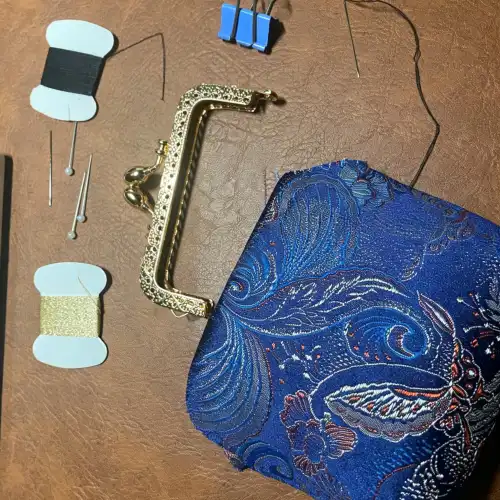
Getting the right tools together stops delays and mistakes during the installation process. Needle-nose pliers make it easier to work with wires precisely and set rivets. Leather punches make clean holes that are the same thickness as screws, so the material doesn't tear around the fixing points. Fabric markers let you make precise placement marks that disappear when the job is done. When you put a lot of stress on a seam, strong nylon thread in matching colors keeps it together. Metal files are used to round off any hardware's sharp edges that could hurt cloth or people's hands. You can use E6000 for flexible ties or cyanoacrylate for quick-setting tasks as an adhesive. Putting down cutting mats on the work area protects the tables below and gives you measurement lines to check the alignment.
Positioning and Marking Techniques
Accuracy at this stage keeps expensive materials from going to trash and output from being held up. Figure out the exact spot where the two halves of the metal purse clasp will meet to make the closure and fold the purse body into its final shape. Mark the middle point on both the front and back pieces, and measure more than once to make sure they are the same size. Trace screw holes or sewing places on the cloth with a fine-tipped marker as you press the clasp hardware against it. Think about seam allowances that could move when the whole thing is put together. Make sure that the chain pieces can hang easily and don't get tangled up with other parts of the bag. Before the closing device is permanently attached, it is tested to see if there are any problems that could happen with the lining materials or decorative elements.
Securing Methods: Sewing, Riveting, and Screwing
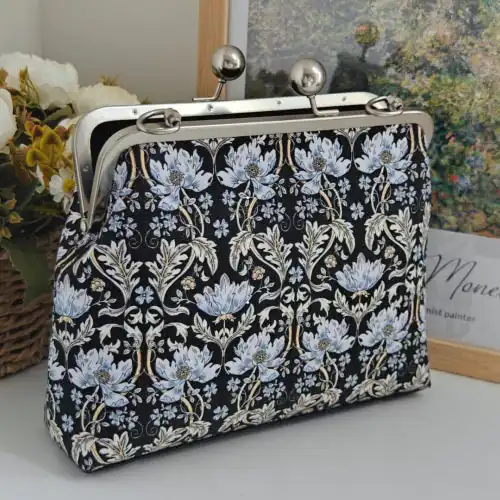
There are different ways to connect things for different production sizes and aesthetic needs. Kiss lock frames with perforated sides can be sewn together very well using blanket stitch or whipstitch, which spread the stress evenly over a number of places. For extra safety, thread each hole twice and tie off firmly with backstitching. Riveting gives things industrial strength that works well for high-stress situations like shoulder bags with heavy metal. Place the rivet driver so that it is perpendicular to the surface of the material and strike it hard to get the mushroom-head growth you want without over-compressing the metal. When it comes to metal purse clasps, screws give the cleanest look, especially when artistic screw caps match the finish palette. Pre-drill pilot holes that are just a bit smaller than the width of the screw shank to keep the leather from breaking and to make sure that the threads join tightly.
Troubleshooting Common Installation Challenges
Production teams often run into problems that affect the quality of their work and how quickly they can get it done. Pattern slippage during marking can cause holes to be out of place. Using temporary sticky spray to keep templates still during tracing can help avoid this problem. Loose fits mean that there wasn't enough force during riveting or thread tension during sewing. This problem can be fixed right away by adding more fixing points. Fabric puckering around clasp edges is caused by too much stress during connection. This flaw can be fixed by loosening the material a bit before final fastening. When metal tools rub against plated surfaces, they scratch the finish. To protect nickel and brass coats on plier jaws, wrap them in electrical tape.
Comparison & Selection: Metal Purse Clasps Vs. Alternatives
Metal Versus Plastic Hardware
Customers always choose metal parts for luxury brands because they think that weight and sound quality are signs of quality. Closures made of metal make pleasant click sounds, which are sensory experiences that plastic replacements can't match. Testing for durability shows that properly electroplated metal gear can handle more than 50,000 opening cycles without losing its functionality, while plastic parts usually break after only 10,000 cycles. For foreign shipping, temperature stability is important. Metal keeps its shape across climate zones, but plastic parts warp in hot car seats during the summer. Cost analysis shows that even though plastic is cheaper per unit, metal is the better choice for mid- to high-end placement because of warranty claims and damage to the brand's image from early failures.
Stainless Steel Versus Brass and Zinc Alloy
Each type of metal has its own benefits that are best for certain industrial needs. Stainless steel is very resistant to rust, which is important for seaside areas and humid conditions. It also keeps its look without any protective plating. Because the materials are more expensive, the goods are sold at higher prices where customers expect quality that will last for generations. Brass has warm tones that look good with leather patinas. Over time, it gains a lot of character that fits with heritage brand stories. Zinc metal makes it possible to cast complicated shapes at a modest cost. This makes it possible to add logos and patterns that stand out in crowded market segments. Our building is ISO9001 certified, which means that the alloy makeup stays the same no matter what batch size it is. This gets rid of the quality variations that come with buying from multiple vendors.
Top-Rated Clasp Styles for Different Applications
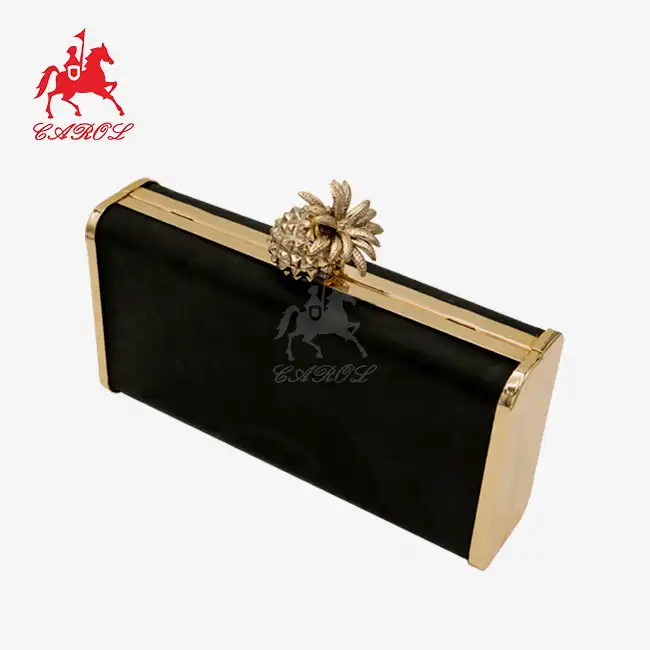
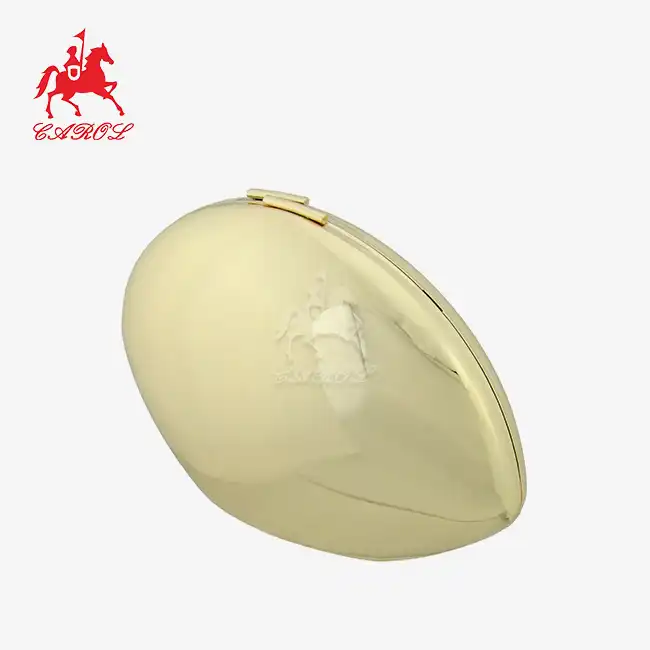
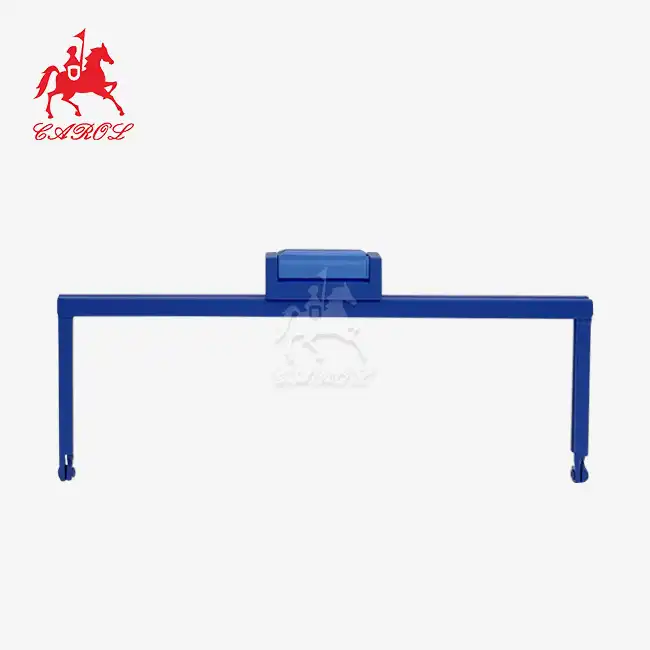
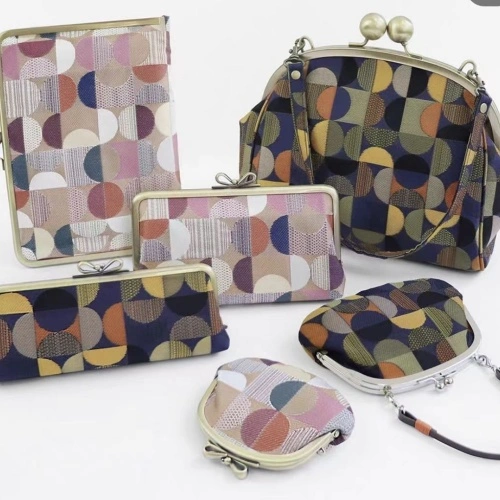
Market study among European and American stores that sell high-end goods shows clear preferences within certain groups. Modern clutches have simple rectangular frame clasps that go well with architectural fashion styles. Brushed nickel and matte black finishes are popular choices. Kiss locks with intricate floral embossing that look like they were made in the past are still very popular as wedding and special event accessories. Magnetic closures hidden inside metal frame structures appeal to older people who want easy-access usefulness without giving up a classy look. Our replacement wallet closing hardware with built-in chain loops fits the growing trend of carrying wallets on your body. It's 10.2 cm wide to fit current smartphone dimensions while keeping a slim profile.
Procurement Insights and Strategic Purchasing Tips
Quality security, cost savings, and supply chain stability must all be balanced in effective sourcing strategies that work with changing demand cycles.
Evaluating Supplier Capabilities and Certifications
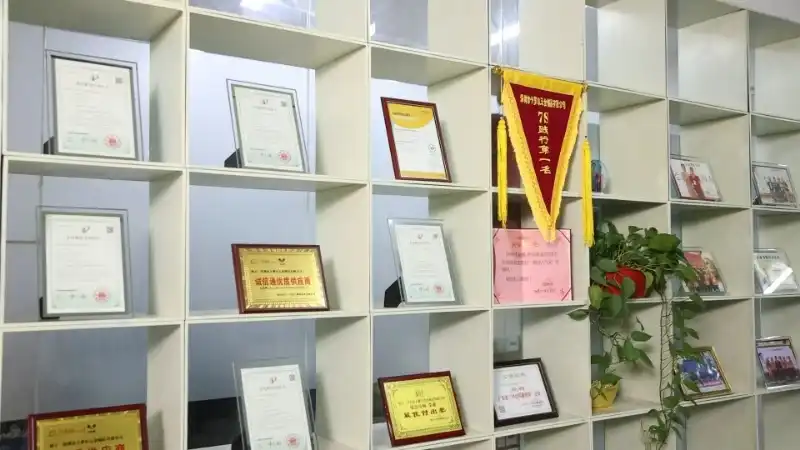
Doing your research before choosing a seller saves you money and keeps your brand's image from being hurt by costly production delays and poor quality. Check that suppliers keep their SMETA and Sedex certifications up to date. These show that they use ethical labor practices, which is something that more and more big stores and luxury companies want. Look over SGS testing reports that prove the make-up of the material and how long the finish will last under normal stress conditions. Production capacity is very important. For example, Carol Metal, which makes 30 million pieces a year, can take on pressing orders without having to extend lead times, but smaller businesses have a hard time during seasonal peak demand. Having the ability to do electroplating in-house ensures a consistent finish and gets rid of the organizational delays that come with hiring someone else to do the plating. Asking for tours of the plant shows how advanced the equipment is. Die-casting machines, mold engraving systems, and tension testing equipment show that the company is committed to making more than just putting things together.
Bulk Purchasing Advantages and MOQ Considerations
When you commit to a certain amount of metal purse clasps, you can set prices that greatly increase your profit potential while also getting priority production spots. Manufacturers with a flexible MOQ can handle both small orders to test out new designs and large orders to restock well-known SKUs. Carol Metal's method includes both small-batch customization to help with product development and repeatable production to handle seasonal demand spikes. By negotiating yearly contracts with quarterly call-offs, you can balance the costs of keeping inventory with lower prices per unit. This is especially helpful for stable product lines with regular patterns of consumption. Negotiating payment terms favors suppliers with strong capitalization; longer terms show financial stability and a focus on long-term partnerships rather than transactional vendor relationships.
Customization Options: Size, Finish, and Branding
In markets with a lot of competition, hardware customization that strengthens brand identity across product lines is becoming more and more important for standing out. Size changes can be made to fit different design ideas. For example, our normal 10.2cm x 1cm wallet closing can be made to fit different pattern needs through custom tooling. In addition to nickel plating, you can choose from finishes like old brass, brushed chrome, powder coating, and two-tone combos that match the latest fashion trends. Logo embossing turns plain hardware into branded touchpoints that customers notice as they use it every day. This makes them more likely to buy and shares on social media. Die development usually takes 15 to 20 days, and experienced makers keep large mold files that speed up repeat orders and version changes.
Conclusion
Learning how to connect metal clasps improves manufacturing skills while giving customers the high-end usefulness they expect from leather goods and fashion accessories of this caliber. When you know about the different kinds of hardware, their materials, and how to put them, you can make smart choices about what to buy that balance cost-effectiveness with brand positioning needs. Strategic relationships with suppliers that focus on certification, the ability to customize, and consistent quality assurance speed up production while lowering defect rates and guarantee issues. Forward-thinking makers can meet changing market standards in the luxury, mid-range, and gift accessory areas by being aware of maintenance issues and new sustainability trends.
FAQs
What tools are essential for attaching metal clasps professionally?
The basic tools include needle-nose pliers, leather punches, fabric marks, strong thread, metal files, and the right glues. For certain jobs, you might need rivet setters, screwdrivers with magnetic tips, and alignment jigs to make sure that all of the parts are positioned the same way in every production run.
Can metal purse clasps be customized for unique designs?
Customization choices include changing the size, choosing a finish like nickel or brass plating, stamping a name, and choosing a material from zinc alloy to stainless steel. Custom tooling development usually takes between 15 and 20 days, and experienced makers keep mold files that speed up the process of making small changes to the design over and over again.
How can buyers verify clasp quality before bulk orders?
Ask for samples that will be tested by a third party for tensile strength, resistance to rust, and finish stability. Check the supplier's certificates, such as ISO9001 and SGS reports that prove the composition of the materials. Factory audits show that the production tools and quality control facilities are very advanced, which shows that the company is committed to making more than just putting things together.
Partner with Carol Metal for Premium Hardware Solutions
Carol Metal makes high-quality wallet closing replacement hardware and purse frame parts that are used by high-end brands in both the European and American markets. Our 4,500㎡ building has more than 100 precise production systems that make 30 million pieces a year. The quality of the whole process is checked, from screening the raw materials to packing them at the end. Our OEM/ODM services let you change the sizes, styles, and branding elements of your Products to make them stand out, whether you need small test batches to test out new designs or large production to meet yearly demand surges. As a recognized metal purse clasp supplier that follows ISO9001, SGS, and SMETA rules, we take away the quality worries that come up when working with more than one vendor. Get in touch with tony@carolxiao.com to talk about how our nickel-finished iron and zinc alloy hardware, which comes in 10.2cm sizes and has built-in chain loops, can help you improve your leather goods collection and make your supply chain management easier.
References
- Johnson, M. & Richards, P. (2021). Hardware Selection for Luxury Leather Goods Manufacturing. Fashion Technology Press.
- Chen, L. (2022). "Material Science in Metal Accessory Production: Durability and Aesthetic Considerations." Journal of Fashion Engineering, 18(3), 145-162.
- Thompson, S. (2020). Quality Assurance Protocols in Hardware Manufacturing. Industrial Standards Publishing.
- Martinez, R. & Williams, K. (2023). "Sustainable Practices in Metal Hardware Production for Fashion Applications." International Journal of Responsible Manufacturing, 12(2), 78-94.
- Anderson, B. (2019). Comprehensive Guide to Purse Frame Installation Techniques. Craftsman Educational Series.
- Roberts, J. (2022). "Supply Chain Optimization in Fashion Hardware Procurement." Business of Fashion Quarterly, 29(4), 112-128.