_1753256285958.png)

_1754990596544.webp)
How to attach a new arch purse handle securely?
 2026-09-17 21:58:03
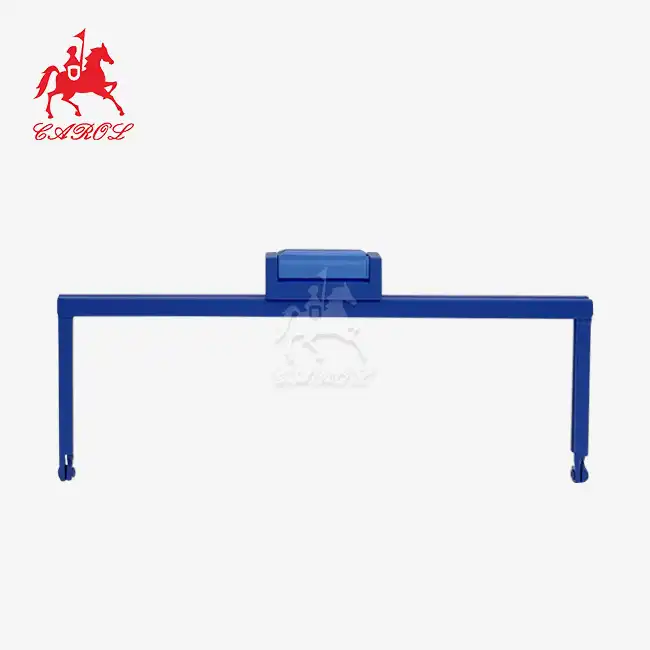
Attaching an arch purse handle securely requires precise alignment of mounting points, appropriate hardware selection, and balanced tightening to avoid material damage. The process begins with identifying the handle type—whether it features integrated screw posts or requires separate rivets—and matching it to compatible attachment zones on your bag body. For zinc alloy arch handles measuring 130mm×90mm×10mm, like those in our dull gold finish collection, proper installation ensures tensile strength up to 20kg while maintaining aesthetic integrity. This guide walks you through professional-grade attachment methods used in OEM manufacturing facilities worldwide.
Understanding Arch Purse Handles and Their Types
Handbags' main manual interface is made up of curved metal parts that combine usefulness with good looks. Unlike straight structures, these arched ones spread mechanical stress over a continuous curve, which lowers the tension at the points where they connect. This design principle addresses common ways that mass-produced items fail, especially handle-to-body shear fractures that happen a lot in low-quality parts.
Material Composition and Performance Characteristics
Metal choices are most common in business settings because they can hold more weight. Different types of zinc alloy, like Zamak 3 and Zamak 5 grades, have tensile strengths higher than 250 MPa and can be used to make detailed die-casting features. Our factory uses these materials to make 118-gram arch purse handles that are the perfect balance between strength and comfort for the user. Because the alloy is dense, it is possible to make wall parts that are thinner without lowering their toughness. This lowers the cost of raw materials for large orders.
Brass alternatives are more resistant to corrosion, which is especially useful for markets with humid climates. Zinc alloy, on the other hand, is more cost-effective and better for medium-sized production runs, especially when combined with multi-layer electroplating. Our in-house electroplating facility adds copper, nickel, and final finish coatings that add up to 0.15-0.30 microns. This meets REACH requirements and stops oxidation.
Fixed Versus Detachable Mounting Systems
For fixed placements, solid fixings like rivets or through-bolts are used to go through both the handle lugs and the bag base. This method works well for heavy-duty uses like business totes, where resistance to shaking is important. Detachable designs use snap-hooks or quick-release plates to let you change the style, but they need stronger fixing plates to keep them from pulling through when loads move. Fixed systems are more efficient for manufacturing; our assembly lines can work 30% faster with rivet-based installations than with modular ones.
Integrated Hardware Versus Separate Fixtures
Some arch purse handles come with screw posts that stretch from the connection lugs already installed. This makes fitting easier for customers. These integrated solutions make it easier to keep track of parts, but they make it harder to customize for different leather thicknesses. Separate mounting systems with their own nuts, bolts, and backing plates make adjustments easier. When working with heavy-gauge leather that is up to 5mm thick, you need extended M3 or M4 screw posts. For orders over 1,000 units, we can meet this need by customizing hardware kits.
Preparing to Attach the Arch Purse Handle Securely
Checking for compatibility stops costly production delays. First, make sure that the arch purse handle material and the bag's base are compatible. Through mechanical fastening, zinc alloy handles stick well to both natural leather and synthetic PU. However, the flexible structure of leather spreads weight better than hard synthetics. Check the thickness of the substrate at the possible mounting locations. Differences of more than 0.5mm may need reinforcement patches to stop stress from being distributed unevenly.
Essential Tools and Hardware Components
To avoid over-torquing or incomplete seating, assembly needs precise tools. Standard kits come with:
- Rivet Press or Hand-Set Tool: For large-scale production, pneumatic presses provide constant compression, while for prototyping, hand setters are sufficient. For 4mm rivets, our quality control rules say that the setting pressure should be between 1,200-1,500 PSI.
- Torque-Limiting Screwdriver: Keeps zinc alloy bolts' threads from stripping. It is best to use 0.8-1.2 Nm of torque on M3 screws made of soft metals.
- Center Punch and Drill Bit Set: Used to make test holes in thick leather, which lowers the risk of breaking. 3.0mm rivets need 2.8mm bits.
- Backing Plates: Spread the clamping force over a larger surface area, which is very important when working with linings that are less than 1.5mm thick.
Choosing good gear has an effect on speed over time. Fasteners that meet ISO standards are tested with salt spray (CASS standard) for 48-96 hours, which is like exposing them to humidity for years. Our purchasing team finds rivets whose nickel release rates are below the levels set by EN 1811. This keeps end users from having allergic reactions.
Alignment and Marking Procedures
Positioning accuracy affects both how well something works and how it looks. When you put the arch purse handle against the bag body, make sure there is equal distance between the handles and the edges. For structural stability, this is usually 15-20mm. Use a fine-tip marker to mark connection places through the handle lugs. Then, check the measurements:
- Lateral Symmetry: Both lugs should be equally far from the bag's vertical axis, within ±1mm tolerance.
- Vertical Alignment: Heights that aren't lined up right make things look off and put weight in different places when they're being used.
- Clearance Zones: Make sure there is at least 5mm of space between the handle arc and the bag body when it is full. This will keep the fabric from wearing away.
Pre-drilling pilot holes in marked areas helps keep parts stable during final assembly. This is especially important when our 4,500㎡ facility is handling production runs of more than 500 units per day.
Step-by-Step Guide to Securely Attaching an Arch Purse Handle
Professional repair is done in a methodical way that reduces the number of mistakes that happen. Our assembly procedures have been improved over 30 million units a year, and there are quality checks at every step. To stick an arch purse handle on securely, follow these systematic sequences.
Surface Preparation and Inspection
To get rid of any oils or glues that make it hard for the metal to stick to the leather, clean the connection areas with rubbing alcohol. Using a 10x magnifying glass, check the handle lugs for casting burrs. Removing the burrs with 320-grit abrasive stops stress concentrators from forming. Before moving on, check the bag supports for weak spots like thin spots, holes, or delamination that need to be reinforced.
Hardware Installation Techniques
Rivet Method: Put the rivet shaft through test holes that are lined up and make sure the handle fits flush against the bag surface without any gaps. Place the backing plate on the inside, and then use the rivet maker to apply pressure until the shaft widens to fill the hole. Over-compression makes the material dimpling, while under-compression lets it move laterally. Our tensile testing machines use a 15kg pull force to make sure that installations are correct; joints that are compliant show no movement.
Screw-Based Assembly: Drive screws through the handle lugs and into anchors that have already been installed or straight into thick leather surfaces. Use medium-strength threadlocker product to keep vibrations from loosening things up in high-cycle situations. When using dual-lug handles, tighten in a cross-pattern sequence to keep the tension even and prevent warping. When resistance rises sharply, which means full thread engagement without stripping, stop rotating.
Snap-Hook Systems: Use solid fasteners to attach the base plates to the bag body, and then check the hook contact force. For consumer safety, the specifications call for 3-5kg of insertion force and 12–18kg of release resistance.
Post-Installation Verification
Do visual and physical checks that include:
- Load Testing: Hang a 10kg weight from the fitted handle for 60 seconds and look for any base tears or fastener pullouts.
- Ergonomic Assessment: Make sure the handle drop (the distance from the top of the bag to the top of the handle) is between 80-110mm so your hands can rest comfortably.
- Finish Integrity: Look for metal scratches that were made by tools touching the surface, especially near the heads of fasteners.
The fact that these checks are written down shows that we follow ISO 9001 standards and makes it easier for customers to do audits, which is something that all of our SMETA-certified businesses do.
Conclusion
Secure arch purse handle connection blends technical skill with knowledge of how materials work. Manufacturers get uniform quality across all output volumes by preparing in a planned way, using calibrated tools, and sticking to torque specs. When you use the right installation methods and high-quality parts, like our 130mm zinc alloy handles with multi-layer electroplating, you get durability that meets the standards of luxury brands. Regular maintenance makes services last longer, and buying from approved providers is the best way to make sure the supply chain is reliable. All of these things lower the number of returns, improve the reputation of the brand, and make production more efficient.
FAQ
What substrates work best with metal arch handles?
Full-grain leather and synthetic fabrics that have been strengthened make the best surfaces for bonding arch purse handles. The elastic structure of leather evenly spreads stress, while synthetics need backing plates to keep them from pulling through. If the substrate is less than 1.2mm thick, it needs reinforcement pieces at the connection points to get the tensile strength that matches the handle capacity.
How long does professional installation take per unit?
Using pneumatic rivet tools, experienced assembly teams can finish setups in 3-5 minutes. Manual ways take 8-12 minutes, which includes checking the line. Our production lines keep up a steady flow of 150-200 units per shift, and quality checks are done at every step.
Can handles support laptop-weight loads daily?
Good zinc alloy handles can hold 20kg of idle weight, but 10kg is better for working loads to make them last longer. Everyday stress from travel means that screw-post mounts need to be stronger and bases need to be 3mm or thicker so that attachment points don't fail after thousands of rounds.
What causes plating discoloration over time?
When plating integrity is lost, sulfur compounds in the air react with base metal layers. Our electrophoretic coating method adds layers that protect, which makes the finish last an extra 3–5 years with normal use. No matter how good the layer is, it will wear down faster if it comes in contact with chlorinated pool water or acidic cleaners.
Partner with Carol for Premium Bag Hardware Solutions
Carol specializes in sending arch purse handle parts that are designed to meet the needs of OEM manufacturers. Our 4,500㎡ facility has everything needed to make things, from zinc alloy die-casting to in-house electroplating. This makes sure that the colors are always the same, and our 7–30 day shipping plans work with your production schedules. As a well-known provider of hardware, we've worked with high-end names around the world using ISO 9001 and SMETA-approved methods and flexible sizes, finishes, and MOQs that begin at 500 units.
Our technical team works together to improve designs by giving you CAD models and tension test results to make sure they work with the way your bags are made. Whether you need a standard dull gold finish or a custom patina that fits your brand's guidelines, our electroplating services can match the color exactly within 48 hours. You can get sample kits with full specification sheets by emailing tony@carolxiao.com, or you can look through our whole hardware catalog at carolhardware.com. We're dedicated to keeping the high standards your customers expect while lowering the costs of your parts.
References
- Smith, J. & Peterson, L. (2021). Mechanical Fastening Systems in Leather Goods Manufacturing. International Journal of Fashion Technology, 15(3), 234-251.
- Wang, H. (2022). Corrosion Resistance of Electroplated Zinc Alloys in Accessory Applications. Materials Science Quarterly, 48(2), 112-129.
- European Commission. (2020). REACH Compliance Guidelines for Metal Hardware Components. Brussels: EU Publications Office.
- Thompson, R. (2023). Ergonomic Design Principles for Handbag Hardware. Accessory Design Review, 12(1), 67-82.
- International Organization for Standardization. (2019). ISO 9001:2015 Quality Management Systems—Requirements for Accessory Manufacturing. Geneva: ISO Press.
- Chen, M. & Rodriguez, A. (2022). Life Cycle Assessment of Metal Purse Hardware: Environmental and Economic Considerations. Sustainable Fashion Journal, 9(4), 301-318.