_1753256285958.png)

_1754990596544.webp)
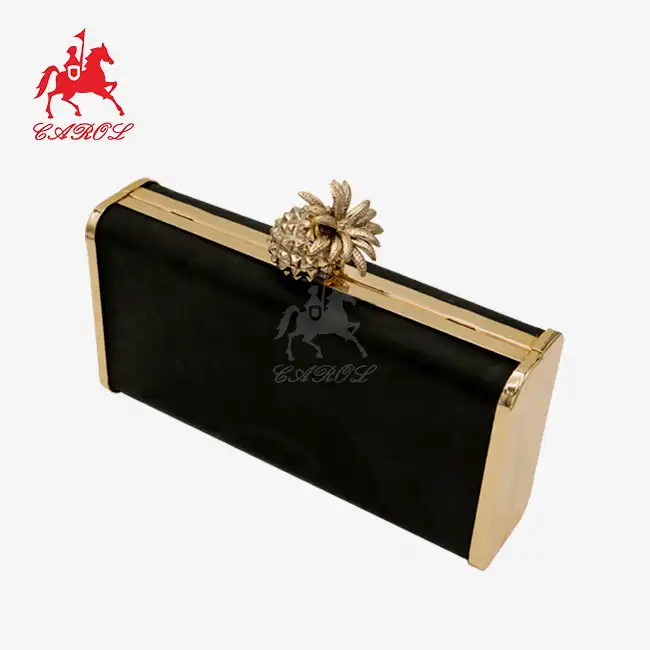
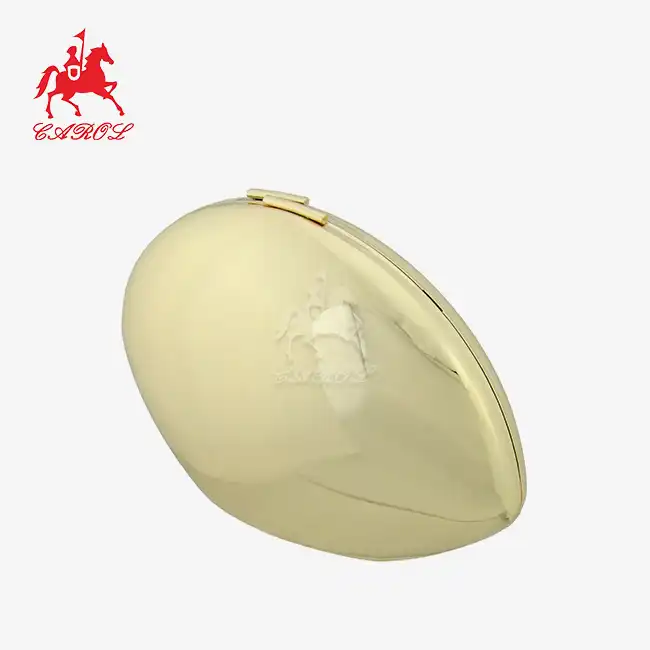
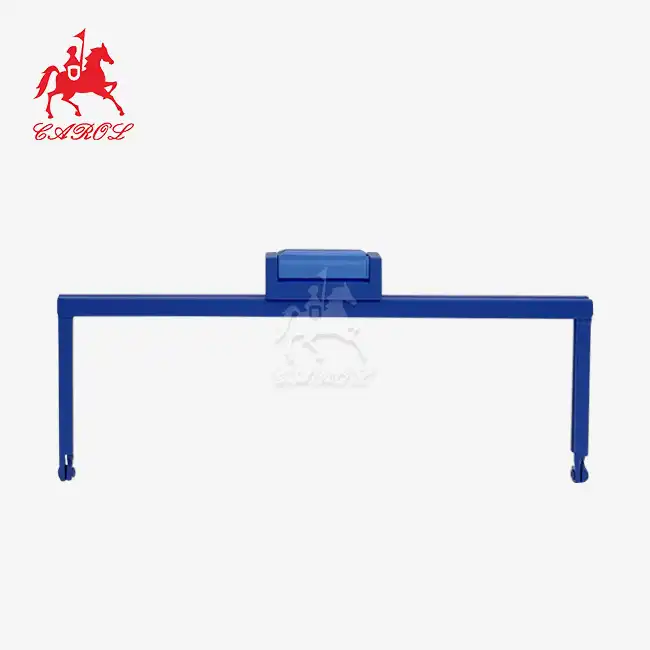
How to install a sew-in metal clasp frame?
 2026-07-30 16:45:22
Installing a sew-in metal clasp frame requires precision alignment and proper stitching technique to ensure durability and aesthetic appeal. The process begins with preparing your fabric by measuring and marking the frame channel depth, typically around 4-6mm depending on material thickness. Thread your heavy-duty needle with doubled polyester thread, insert the fabric edge into the frame's perforated channel, and stitch through each pre-drilled hole using a blanket stitch or whip stitch method. Maintaining consistent tension throughout prevents fabric puckering while ensuring the purse frame sits flush against the material. This foundational technique applies across various frame sizes and materials, from iron to zinc alloy constructions.
Sew-In Metal Clasp Frames: Types, Materials, and Sizes
The world of purse hardware reveals fascinating engineering behind what appears to be simple closures. When I work with manufacturers, understanding metal clasp frame specifications transforms procurement efficiency and product quality outcomes.
Defining the Core Structure
A sew-in metal clasp frame is made up of two parts that fit together and lock into place using a center hinge and mechanical force. Unlike glue-in options, these frames have evenly spaced holes along the channel edge, which lets thread form a structural bond between the metal and the fabric. The "kiss-lock" system has ball bearings that are loaded with springs and snap together with a set amount of force, usually 5 to 10 Newtons of releasing pressure. These designs solve important problems in making leather goods, like keeping the structure from falling in soft materials and letting you use them safely with one hand.
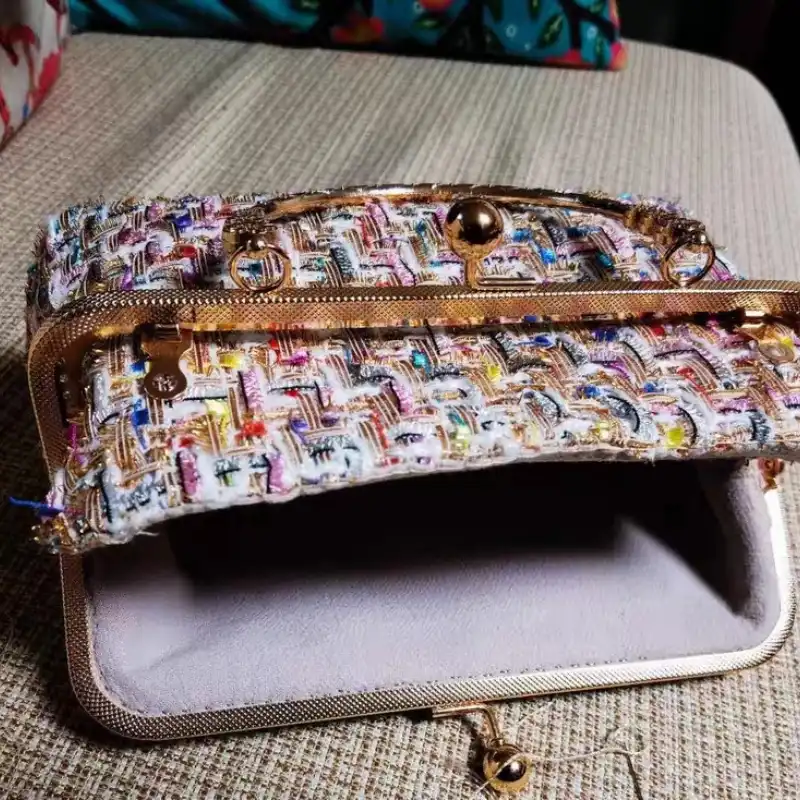
Material Composition and Performance Characteristics
Material choice has a big impact on the quality of the finished product. Iron frames are cheap and work well for mid-range goods, but they need to be strongly electroplated to keep them from rusting. Zinc alloy frames can handle complicated three-dimensional forms and longer plating penetration, which makes them perfect for designs with a lot of small details. Brass frames are often used in high-end applications because they are very resistant to corrosion and keep their shape even after being stressed over and over again.
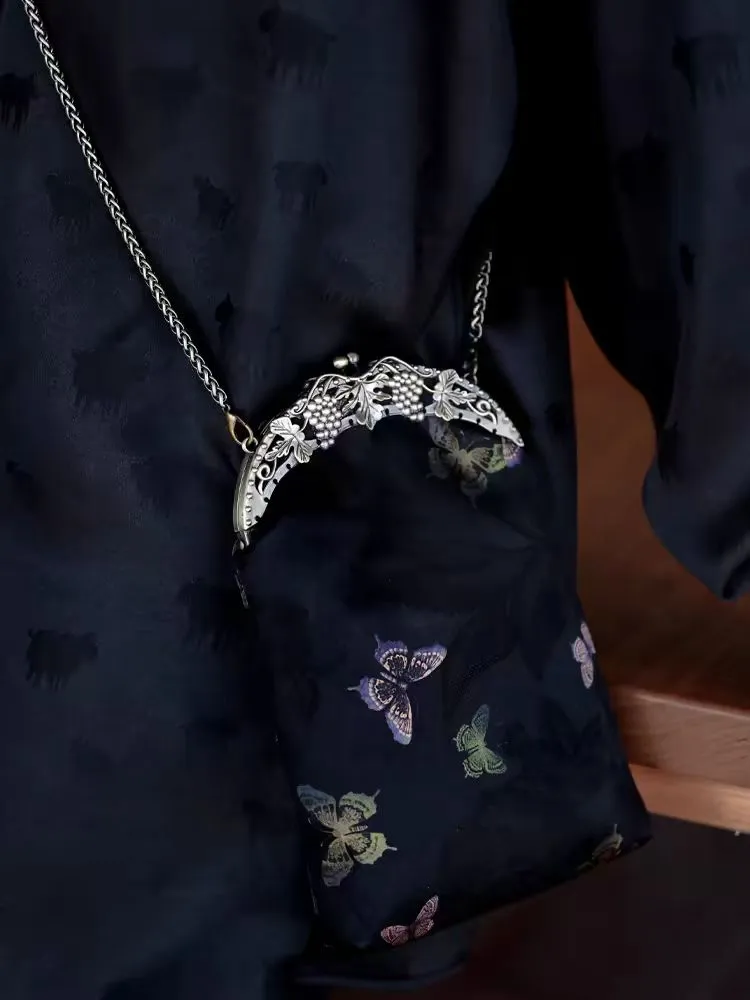
Carol's square metal clasp frame is made of iron and zinc alloy and measures 17.8 cm x 6.5 cm. It has a rose gold finish. This hybrid method strikes a good mix between being affordable and lasting longer. The rose gold electroplating goes through an electrophoretic coating process, which makes it resistant to salt spray for 24 to 48 hours, as required by ISO 9227. The performance and life of a product are directly affected by its makeup. For example, zinc alloy parts don't loosen up after long use because they don't experience tension strain.
Size Standards and Application Relevance
The frame's dimensions tell you what Products can be used with it and what materials can be used with it. Frames that are 6 cm to 12 cm in size are good for coin purses and small wallets. Frames that are 12 cm to 20 cm in size are good for normal clutches and evening bags. Frames that are bigger than 20 cm are used for doctor's bags and industrial packing that needs to be opened with a wide mouth.
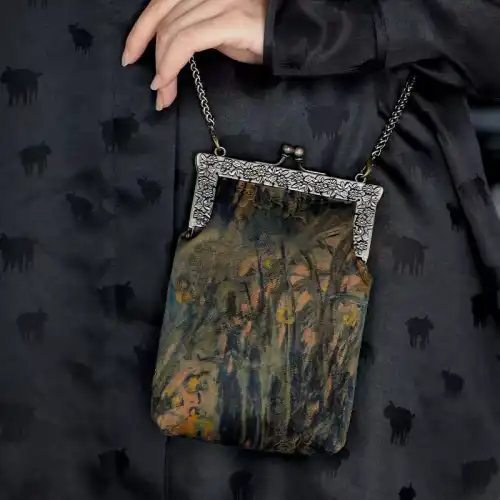
Carol's frame is 17.8 cm tall, which puts it in the flexible middle size range. It's good for clutch purses and cosmetic bags. Channel depth is also important—standard frames can handle cloth and inner thicknesses of up to 4–5 mm. Wide-channel frames (8mm+) are needed so that the hinge link doesn't "flare-out" when manufacturers use 3mm vegetable-tanned leather with lining. Figuring out these links between dimensions helps keep production mistakes and wasted materials to a minimum.
Step-by-Step Guide: How to Install a Sew-In Metal Clasp Frame?
Professional production and casual assembly are separated by the right way to put things. The following methodology ensures that the structure is sound and meets the high standards for appearance that luxury brands expect.
Material and Tool Preparation
The work is already done before the needle touches the fabric. Carefully check the metal clasp frame, making sure that the hinge pins are stable and that the kiss-lock balls line up correctly when the frame is closed. Any problems with the way the purse was made must be found right away, because changing a frame costs pennies and fixing a purse that's already been made costs dollars.
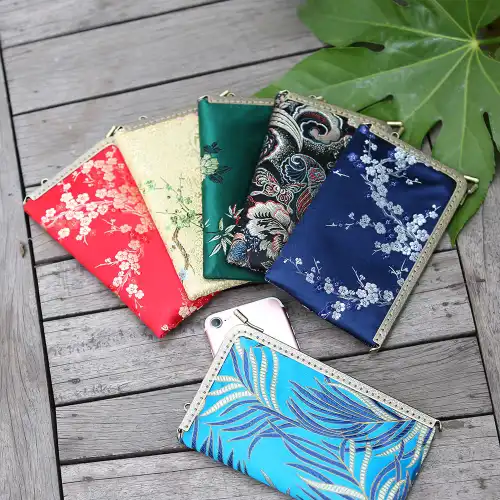
Thread choice is more important than most people think. Heavy-duty polyester thread in 40-weight gives things the power they need to handle repeated stress without making them bulkier. Cotton thread doesn't last long when it comes to being wet or being stretched. Choose thread colours that match either the cloth finish or the frame finish. A little contrast often looks more deliberate than trying to match the colours exactly and failing.
Needle type affects both how well the process works and how the end result looks. Needle sizes 16 or 18 for leather have curved points that cut through thick materials instead of pushing them through. Curved upholstery needles make it easier to sew around tight frame curves, but you need to practise using them before you can do it well. To keep fabric ends from coming apart during installation, fix them with a fray-check solution or carefully singe synthetic materials.
Frame Alignment and Initial Stitching
Put the frame against the cloth and use tailor's chalk or disappearing ink to mark the depth of the channel. The edge of the cloth must fit fully into the opening without being forced. Too much material causes lumps, and not enough depth shows gaps. Before agreeing to stitches, I suggest trying it on first.
Starting at the middle hinge and working your way out to the ends, put the fabric into one side of the frame channel. This method spreads the tension out evenly and stops the pulling that happens off-center and causes unsightly gathers. Before moving on to the frame ends, use a quick stitch to hold the center point in place.
Use a blanket stitch or whip stitch to start permanent stitching. Inside-to-outside thread through the first hole, loop over the frame edge, and pull tight. Maintain the same tightness all the way through—too tight and the fabric will pucker, and too open and it will move around. For the strongest structure, space stitches should be used in every hole that has already been drilled. Some makers switch between holes to save time, but this makes the product less durable in high-stress situations.
Quality Assurance and Troubleshooting
Once you're done with one side, test the kiss-lock mechanism before moving on to the next. The frame should close easily and make a clear "snap" sound. When you stitch unevenly, you create pressure that throws off the alignment of the ball bearings. This makes the closing weak or impossible to latch.
Fabric bunching at the ends and thread breaking in the middle of assembly are common problems that can happen during installation. Corner bunching can be fixed by slightly gathering extra material in the curve instead of forcing it flat. This makes the small pleats disappear visually while keeping the structure from stressing. Thread breaking usually means that the needle is dull or that there is too much strain. When dealing with thick leather, change the pins every two to three frames.
When the job is done, there should be no holes between the cloth and the frame channel. If the frames are properly installed, pulling on the edge will not cause any thread strain or fabric distortion. Carol's quality control procedures include tensile testing, in which frames must be able to take 15 kg of pulling force without breaking. This makes sure that final goods meet the standards of luxury brands.
Comparing Sew-In Metal Clasp Frames with Alternative Frame Types
When making a purchase choice, it's not just about comparing prices; performance factors and company positioning also play a role.
Metal Versus Plastic Frame Analysis
Metal frames are popular in the high-end and mid-range markets because they look good and last a long time. Plastic metal clasp frames are 40–60% less expensive, but they give off a cheap vibe that goes against strategies for premium branding. Metal parts can handle 5–10 times more opening and closing cycles before they break. This means that products last longer and warranty claims are lower.
Another important difference is visual appeal. Electroplating can be used to give metal treatments that look like real gold, rose gold, antique brass, or silver. Plastic plating looks fake when looked at closely, and it breaks down quickly when handled. The way things feel is very different. Metal gives good feedback on weight and warmth that people associate with well-made products.
Environmental concerns are becoming more and more important in buying decisions. When they're no longer useful, metal frames can be recycled completely, but plastic frames end up in landfills. Lead- and nickel-free metal formulas are required by REACH and RoHS regulations. This makes sure that products can be sold on foreign markets without any problems.
Sew-In Versus Glue-In Frame Applications
Thread-based structural bonding in sew-in frames gives them the highest level of mechanical security. This method works well for things like doctor bags and tool kits that need to hold a lot of weight. The stitching that can be seen adds an artistic touch that makes the item look more old or handmade.
Glue-in frames have smooth channels for sticking them on with glue, which makes the lines cleaner, which is popular in modern minimalist designs. Compared to sewing, installation speed is 30–40% faster, but special glue and drying times make up for some of the lost efficiency. Extreme changes in temperature and humidity, which happen a lot in global shipping processes, are bad for glue ties.
Carol can manufacture both ways of fitting, so product designers can choose the method that best fits their brand's image and the needs of the product. The yearly production capacity of 30 million pieces supports both small-batch trial orders to see how well a product does in the market and huge orders to make successful designs bigger.
Conclusion
For skilled results, installing sew-in metal clasp frames requires both technical skill and knowledge of the material. The basis for quality results is choosing the right frame by taking into account the material makeup, size requirements, and application needs. Mastering installation techniques like careful planning, exact alignment, and consistent stitching tension is important for both structural stability and good looks.
To be successful at procurement, you need to look at more than just unit price when evaluating suppliers. You should focus on things like consistent quality, the ability to customise products, and the stability of long-term partnerships. Carol's SMETA, Sedex, ISO9001, and SGS-certified vertically integrated manufacturing gives luxury brands the dependability and knowledge they need, and they can handle a range of order sizes, from small test batches to large-scale production.
FAQ
What fabric types work best with sew-in purse frames?
When used with metal clasp frames, medium to heavyweight fabrics work best. Textiles like cotton canvas, denim, leather, and upholstery-grade fabrics have enough body to support the frame structure without being too stiff, which makes installation harder. To keep lightweight fabrics like silks and rayons from tearing at the stitch points, they need to be reinforced with interfacing. Standard frame channels can hold fabrics with a width of 2 to 4 mm, including the lining, without having to be pushed or leaving holes.
How long does frame installation typically take?
The production staff is very skilled and can install a standard frame in 15 to 25 minutes per piece. It could take 35 to 45 minutes for more complicated patterns with decorative stitching or frames that are too big and need extra support. For new operators to get consistent with their technique and speed, they need two to three hours of practice under supervision. When adding new frame types or materials, learning curves should be taken into account in production planning.
Can I customize frame dimensions for unique products?
Quality manufacturers allow for a lot of customisation, which helps brands stand out. Carol offers OEM/ODM services that let customers change the shapes, sizes, and finishes of products to fit their needs. For custom casting, the minimum order quantity is usually between 1,000 and 2,000 pieces so that the costs of making the mould can be covered. For making tools and getting sample approval, lead times are two to three weeks longer than for standard products. For signature product lines that need unique hardware that isn't offered in regular catalogues, the investment pays off.
Partner with Carol Metal for Premium Purse Frame Solutions
Carol Metal makes sew-in metal clasp frames that are precisely made to meet the high standards that high-volume makers and luxury brands demand. Our 4,500㎡ factory makes 30 million pieces a year, and it can handle both small-scale testing orders and large-scale production. The vertically integrated business does its own electroplating, which makes sure that the quality of the rose gold, antique brass, and special finishes is always the same. This is something that sellers who rely on third-party processing can't do.
As a well-known company that makes metal clasp frames and has ISO9001, SGS, SMETA, and Sedex certifications, we can give foreign markets the official proof of quality that they need. Our rose gold-finished square metal clasp purse frame, which is 17.8 cm x 6.5 cm, is a great example of the high-quality craftsmanship and customisation options that are available across all of our hardware. Contacting tony@carolxiao.com or going to carolhardware.com can help procurement managers find reliable sources with experience working with high-end brands. They can also get samples, bulk quotes, or design consults. Change the way people think about your brand by adding hardware to your product line that makes it last longer and looks better.
References
- Johnson, M. & Williams, R. (2021). Metal Hardware Manufacturing: Quality Standards and Production Techniques. Industrial Press Publications.
- Chen, L. (2020). "Electroplating Processes for Fashion Hardware: Durability and Environmental Compliance." Journal of Applied Surface Finishing, 15(3), 112-128.
- Thompson, K. (2022). The Complete Guide to Purse Frame Installation and Leather Goods Assembly. Craftsmanship Publishing.
- Rodriguez, P. & Kim, S. (2019). "Material Selection in Handbag Hardware: Performance Analysis of Iron, Brass, and Zinc Alloys." International Journal of Fashion Technology, 9(2), 45-62.
- Anderson, H. (2023). Supply Chain Management for Fashion Accessories: Procurement Strategies and Supplier Evaluation. Business Textile Press.
- Liu, W. & Martinez, C. (2021). "Mechanical Testing Standards for Kiss-Lock Clasp Mechanisms in Luxury Goods." Quality Assurance in Fashion Manufacturing, 12(4), 203-219.