_1753256285958.png)

_1754990596544.webp)
How to make a box frame clutch purse?
 2026-08-09 22:38:23
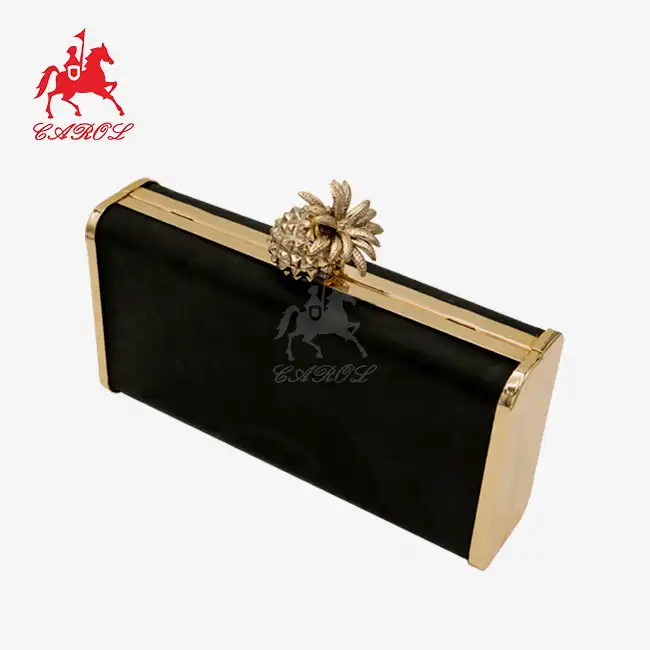
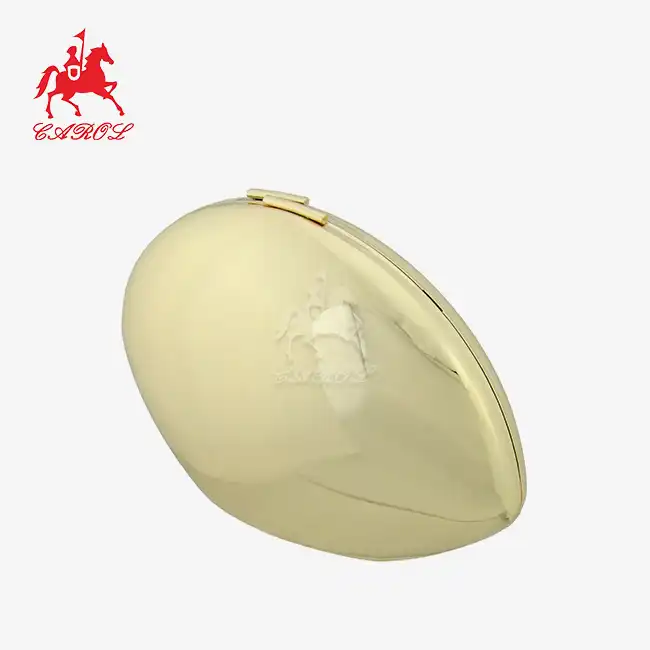
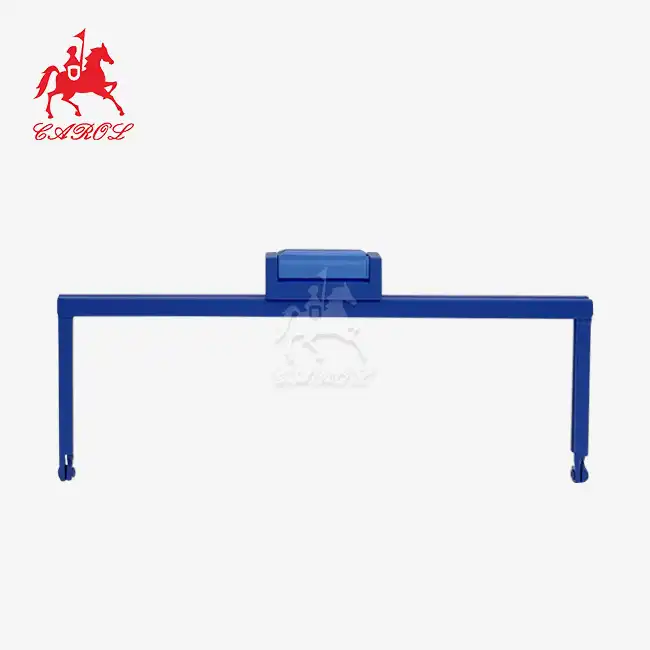
Creating a box frame clutch purse requires precision assembly where the box purse frame acts as the structural foundation of the entire accessory. The process begins by selecting a high-quality metal frame—such as a 10cm square glue-in frame in light gold finishing—and attaching fabric or leather panels using industrial adhesives or hand-sewing techniques. The frame's clasp mechanism must align perfectly to ensure smooth opening and closing, while the outer materials require careful pattern cutting to fit the rigid structure without gapping or warping. Quality control throughout assembly prevents common issues like hinge misalignment and ensures the finished clutch meets luxury market standards.
Understanding the Box Frame Clutch Purse and Its Components
Defining the Box Frame Clutch Structure
A box frame clutch is different from other soft handbags because of the way it is built: it is stiff and architectural. The metal skeleton keeps the shape and closes the product mechanically, so you don't need any other fasteners. This design makes a sophisticated silhouette that stays the same shape even when it's empty, which makes it perfect for events in the evening where presentation is important. The frame usually has two symmetrical halves that are joined together by precise hinges. The top closing is held in place by a clasp.
Material Variations in Frame Construction
As a way to balance weight, durability, and cost, modern clutch frames use a variety of materials. Zinc alloy is popular for mid- to high-end production because it has a great strength-to-weight ratio and looks great after being electroplated. Iron frames are less expensive and more durable than wood frames, but they need better anti-corrosion treatments. Hybrid designs use plastic or glass parts to make the whole thing lighter without changing the way it looks like metal. This is especially helpful for bigger clutch sizes where weight is a worry for buyers.
Closure Mechanisms and Their Engineering
Metal clasp frames are used to make most luxury clutches because they are reliable and feel good to the touch. Cycle testing—usually 5,000 to 10,000 open-close cycles—is done on these devices to make sure that the tension stays the same over time. The clasp has to click into place with a clear sound and be easy to use with one hand. This requires very close tolerances when it is made. Magnetic closures work quietly, but high-end buyers may not think they are as high-quality as mechanical clasps. This means that magnetic closures are better for modern casual designs than for formal evening items.
Step-by-Step Guide: How to Make a Box Frame Clutch Purse
Material Selection and Supplier Sourcing
Finding parts that meet both artistic and useful needs is the first step in making a clutch. When choosing a box purse frame supplier, look at the results of their salt spray tests to see how good their electroplating is. Frames should last 24 to 48 hours without turning black. The fabric or leather you choose should match the stiffness of the frame. Stiffer materials, like structured leather or backed silk, work better than drapey fabrics that bunch up in a way that doesn't look good. Buyers in charge of large-scale production benefit from suppliers with annual capacity of 30 million pieces. This makes sure that supplies are always available during busy times without lowering the quality of the goods.
Essential Tools and Assembly Techniques
Professional assembly needs tools that are different from regular sewing supplies. Precision cutting tools make sure that the fabric panels fit the frame's dimensions with little room for error. Industrial adhesives made for attaching metal to cloth work better than craft glues at keeping the panels in place. When sewing frames by hand, use curved needles made for working with leather and make holes in the material ahead of time to keep it from tearing. The glue-in method works well for 10cm square box purse frames. Applying adhesive along the inner channel of the frame secures the fabric edges without being seen, making clean interior lines that show skilled craftsmanship.
Embellishments and Finishing Details
Good production is different from high-end production because of the quality of the ending. Edge painting on leather parts hides the raw edges of the material, while installing inner lining needs precise measurements to keep wrinkles and glue lines from showing. Hardware like chain clips or nameplate bolts need to be perfectly aligned with the structure of the frame. This means that mounting holes must be pre-drilled to account for the thickness of the material. When you test each clutch after putting it together, you can find any problems that might be happening. A well-built piece should open easily at different angles, with no stress on the hinge pins or cloth coming apart at the glue points.
Choosing the Best Box Frame for Your Product Line
Critical Selection Factors for OEM Production
To figure out how durable something is, you must first know what it is made of and how thick its walls are. Professional box purse frames have walls that are 0.8mm to 1.2mm thick and are made of zinc alloy. This gives them the best resistance to bending stress while keeping the weight reasonable. Finishing the surface is just as important as the finish itself. Rack plating evens out the coverage better than barrel plating, which lowers the chance of colour differences that show up on light gold or rose gold finishes. When making cases for long-term carrying, weight is especially important because even 50 grams can make the user less comfortable during events that last for hours.
Supplier Reliability and Customization Options
When looking at possible box purse frame providers, you need to look at both their professional skills and their service infrastructure. A supplier with a 4,500㎡ building that does its own electroplating is an example of vertical integration, which makes quality control easier and cuts down on lead times. Different suppliers have very different minimum order amounts. Some need at least 1,000 pieces, while others are flexible enough to allow 100-piece trial runs, which let brands see how well their Products do in the market before committing to big inventory. You can customise more than just the size. You can also add your own clasp designs, engraved logos, and unique finishes that set your line of products apart from competitors who use standard catalogue parts.
Cost-Performance Analysis
To find the best price-to-quality ratio, you need to know what factors affect frame prices. Material costs change with the price of commodity metals, but differences in value are mostly due to how precisely the materials are made. When frames are priced below what the market average is, they often skimp on hinge sturdiness or plating thickness, which causes them to break early and require guarantee claims that wipe out any savings. For most mainstream fashion brands, mid-range prices get the job done, while premium frames are worth the extra money because they have better clasp mechanisms with self-lubricating pins that stop the squeaking that happens with cheaper hardware, hypoallergenic nickel-free materials that meet REACH standards, and longer testing certifications.
Overcoming Common Challenges in Making Box Frame Clutch Purses
Addressing Frame Attachment Issues
The most common quality issue in box purse frame production is gapping, which is usually caused by frame deformation during assembly or mistakes in applying the glue. Use alignment jigs to keep both frame halves in perfect alignment while the glue dries to avoid this. When you properly put things together, spring-back in lower-quality metals causes gaps that won't go away. High-pressure die-casting with ±0.2mm tolerances gets rid of this problem. When sewing frames instead of glueing them together, make sure the stitch tightness stays the same and use thread that has some give so it can handle the small flexing that happens with normal use without breaking.
Implementing Quality Control Protocols
Checkpoints at different stages of production are needed for quality assurance to work well. Before investing in materials, a raw frame check should find any surface flaws, odd plating, or hinges that aren't tight. During mid-production checks, the right amount of glue is used and the fabric is lined up, and mistakes can still be fixed. The open-close cycle must be tested, the weight must be confirmed, and the product must be inspected visually under bright lights that show small flaws that can't be seen in normal lighting. Companies with ISO9001 and SGS licenses show that they have good quality management, which lowers the number of defects that need to be returned, which costs a lot of money and hurts a brand's image in competitive markets.
Troubleshooting and Repair Strategies
Setting clear troubleshooting rules for common mistakes is helpful in production settings. If hinges have too much play, you can usually make them tighter by adjusting the tension on the pins. For loose clasps, you may need to slightly bend the catch mechanism, which is a delicate process that needs to be done by someone with experience to avoid metal fatigue. If fabric separates from glue-in frames early enough, localised adhesive reapplication may help. However, if the delamination is too severe, the whole unit has to be taken apart and reworked. Teaching production staff how to tell the difference between defective units that can be fixed and ones that need to be thrown away cuts down on material waste while maintaining quality standards.
Conclusion
When making box purse frames, you have to pay close attention to the quality of the parts, how precisely they are put together, and the supplier's abilities that go beyond just providing hardware. The process of choosing a frame affects not only how the final product looks, but also how well it works over time and how well the name is known. For production to go smoothly, you need to know how the materials work, follow strict quality standards, and work with manufacturers whose technical infrastructure allows for consistent output at scale. As the market moves toward sustainability and customisation, sellers who build relationships with suppliers that allow for new design ideas while keeping costs low will be rewarded. With these tips, procurement workers can confidently find the clutch gear they need, even when the process is complicated.
FAQ
1. What materials create the most durable box purse frames?
Luxury clutches last the longest when they have zinc alloy box purse frames with 1.0 mm wall thickness and rack-plated finishes. The alloy's makeup makes it resistant to bending stress, and the plating process makes sure that rust protection is even. Frames that meet the standards set by ASTM B117 for salt spray can stay shiny in damp places, so they can be sold all over the world, even in coastal markets.
2. How can buyers ensure design compatibility between frames and materials?
Ask for detailed sketches that show the exact frame sizes, along with the channel depths needed for glue-in assembly. Before committing to mass production, testing samples with your specific fabrics shows any problems that might arise, such as too much bulk or poor adhesion. Reliable suppliers give advice on how to match materials based on a lot of testing with different types of leather, synthetics, and textile weights.
3. Where can procurement teams source customizable bulk frames for OEM production?
Customisation is affordable when the manufacturer has the ability to engrave moulds in-house and the minimum order size is less than 500 pieces. Make sure that their design-to-delivery timeline works with your production plan and that they keep a steady stock of standard parts in case you need to place another order. Suppliers who have ISO9001 certification have the quality systems needed to reliably complete large orders without variations from batch to batch.
Partner with Carol for Premium Box Purse Frame Solutions
Carol is an expert at making clutch hardware that meets the high standards of luxury brands. Our 4,500㎡ building has everything needed for production, from die-casting to etching, so quality control can be done at every step of the process. The 10cm square box purse frame with a light gold finish shows how much we care about the little things. Before it ships, every piece is tension tested and cycle tested. Our team offers responsive technical support and variable MOQ structures, whether you need 100 examples to help develop a new product or a steady supply of 30 million pieces a year. To talk about your unique needs with skilled engineers who know how to make high-end accessories, email tony@carolxiao.com. We welcome procurement professionals who are looking for a dependable manufacturer of box purse frames that is dedicated to accuracy, customisation, and on-time delivery.
References
1. Johnson, M. (2023). Hardware Engineering in Luxury Accessories: Materials and Manufacturing Standards. Fashion Technology Press.
2. Chen, L. & Rodriguez, A. (2022). "Quality Control Protocols for Metal Frame Production in High-End Handbags," Journal of Fashion Manufacturing, Vol. 18, Issue 3, pp. 145-162.
3. International Handbag Components Association. (2024). Global Procurement Standards for Box Frame Clutches. IHCA Industry Report.
4. Williams, S. (2023). Sustainable Materials in Fashion Hardware: Trends and Innovations. Textile Research Institute.
5. Nakamura, H. (2022). "Electroplating Techniques for Corrosion-Resistant Luxury Hardware," Surface Finishing Technology Quarterly, Autumn Edition, pp. 78-91.
6. European Fashion Hardware Coalition. (2023). Technical Specifications for Evening Bag Frame Components. EFHC Standards Publication Series.