_1753256285958.png)

_1754990596544.webp)
How to make a box purse?
 2026-07-03 11:05:29
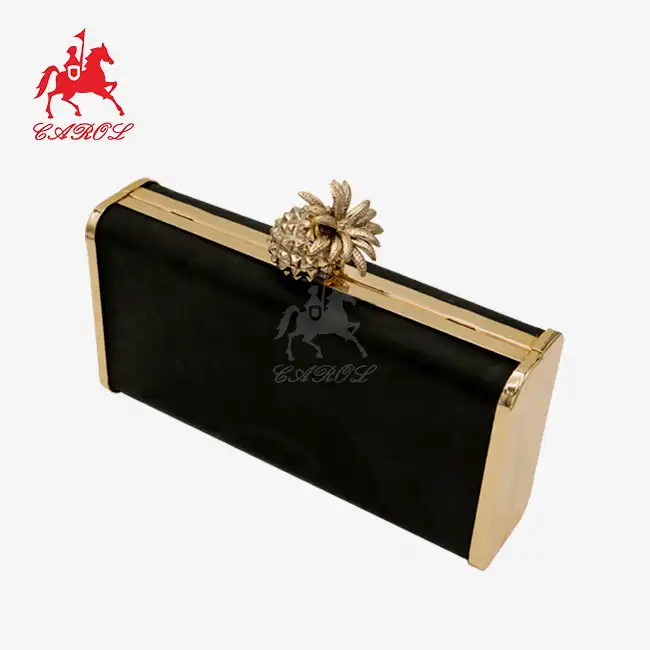
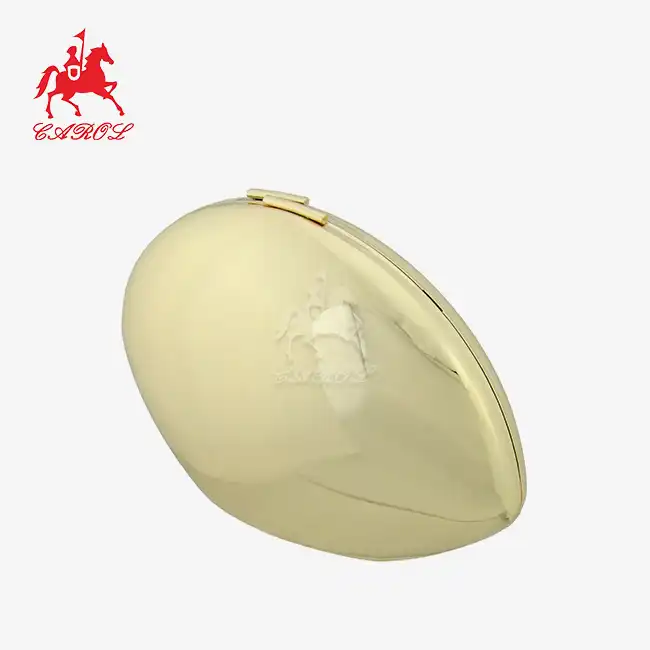
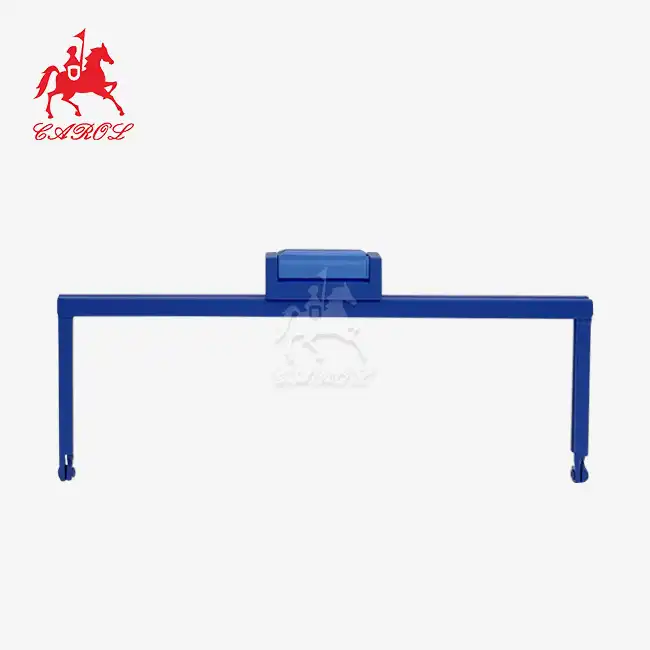
Choosing a good box purse frame is the first step in making a box purse. It acts as the hard framework for your design. This piece of structural gear gives the purse its shape and provides the necessary mechanical closing system for hard-case clutches. The frame has to line up properly when it's closed, and the hinges have to be very precise so they can handle thousands of opens and closes. Modern glue-in frames make connection easier by letting fabric or artistic materials stick directly to the inside channel of the frame. This means you don't have to sew around metal bars by hand. Different types of materials, like zinc metal and brass, have direct effects on how long something lasts, how heavy it is, and the quality of the finish that high-end buyers expect.
How to Make a Box Purse Using a Box Purse Frame?
Selecting Your Frame and Materials
To find the right box purse frame for your design idea, you need to think about the type of closing, the finish that will work with it, and the size. A square frame that is 10 cm in size fits small evening bags that are meant to hold basics like lipstick and credit cards. The glue-in design makes production easier because it doesn't need to be sewn by hand. This makes it perfect for companies that want to make more. Materials that go with the light gold finish, like silk dupioni, shiny leathers, or smooth acrylics, will make the frame look more cohesive. Plan for a cloth weight of about 200 to 300 grams, since frames can usually hold up to 3 kg of steady weight without the hinges deforming.
Pattern Design and Cutting Precision
Make designs that take into account the inside measurements of the frame plus seam allowances. The glue-in hole is usually 3–5 mm deep, so the ends of the fabric need to fit in neatly without bunching up. To make sure the sizes are all the same, cut the outer panels, the inner lining, and the interfacing materials at the same time. The end structure is affected by the thickness of the interfacing. Heavier weights make shapes that are rigid, while lighter choices allow for some slight flexibility. Mark alignment points on patterns that match the corners of the frames, because if they aren't lined up correctly when they are attached, the distortion will be clear. For quality stability across bulk sales, production teams should keep pattern templates in digital form along with physical samples.
Sewing Techniques for Professional Results
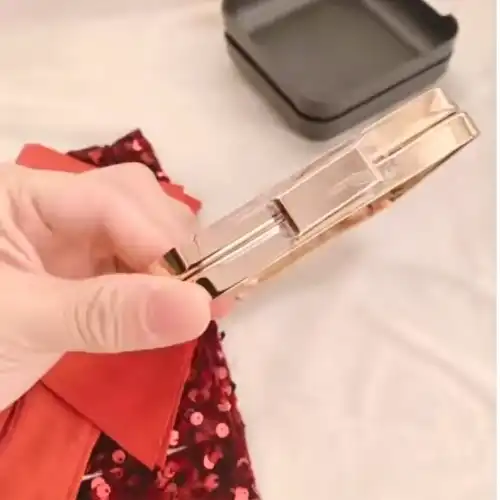
The construction process starts with the outside panels. Any decorations are attached to the panels before the purse body is put together. Sew the pieces together with the right sides facing each other, leaving a small gap at the top for attaching the frame. To make it easier to turn the right way out, cut the ends off at a 45-degree angle. Use the right heat settings for the type of fabric you're using to press seams open. Too much heat can damage metal finishes or melt fake materials. If there are interior pockets, they should be attached to the lining pieces before the lining is joined to the outside. The finished bag body should be a little smaller than the inside of the frame. This will let the fabric fit into the glue channels without having to be forced.
Frame Attachment Methods
Spread industrial-grade glue evenly in the frame's glue channel, making sure there is no extra that will squeeze out when the picture is put in. E6000 or other similar bendable glue work well and keep the bond strong even after being opened and closed many times. To avoid air pockets, insert the cloth edges in a planned way, beginning in one corner and making your way around the outside. During hardening, which usually takes 24 to 48 hours for full strength, clamps or clothespins keep the bond in place. At this point, quality control stops the "spring-back" problem, which happens when cloth pulls away from frames because the adhesive isn't covering them well enough or they were handled too soon.
Comparison and Choosing the Best Box Purse Frame for Your Needs
Metal Versus Alternative Materials
Metal frames are popular in the luxury market because they last longer and look more expensive. When it comes to die-casting, zinc metal is very accurate for making intricate shapes, and the prices are reasonable for large orders. Brass is naturally resistant to corrosion and makes beautiful family items, but the higher cost of the material means that market prices are higher. Plastic parts can be used for decoration or to make mixed box purse frames that are both cheap and useful. Manufacturers aiming for the middle market can benefit from iron frames that have been electroplated with high-quality metal, which gives them a high-end look at a price that most people can afford.
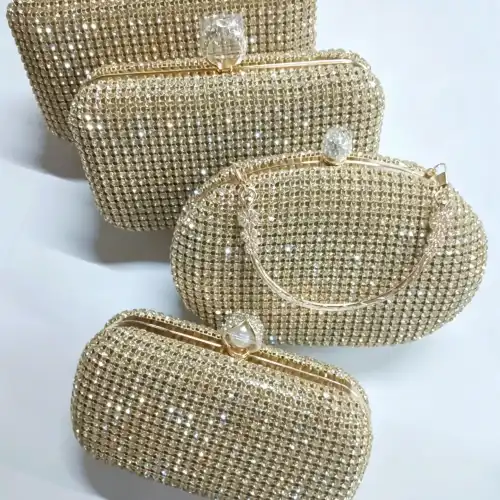
Vintage Aesthetics Versus Contemporary Design
Frames that look like they were made in the past have detailed metalwork, ball-clasp closures, and aged finishes that appeal to people who like romantic design. These types are popular for wedding accessories and retro fashion designs, even though they are hard to make. Modern frames have clean lines, simple clasps, and sleek metals that match the latest luxury styles. The 10cm square frame fits both styles because its geometric simplicity can be dressed up with retro accents or kept simple and beautiful for modern uses. A study of the market shows that there is a growing need for frames that can be customized so that brands can choose the stylistic elements that best match their brand's style.
Sourcing and Procuring Box Purse Frames: A B2B Buying Guide
Evaluating Supplier Credentials
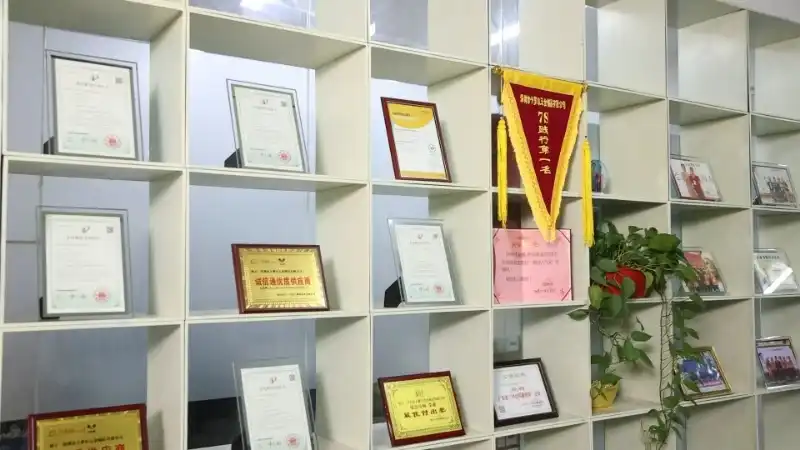
In addition to price quotes, looking at output skills is needed to choose box purse frame partners. Suppliers that run 4,500㎡ factories with more than 100 pieces of specialized equipment show that they have the manufacturing scale needed for reliable delivery. Vertical integration is shown by in-house electroplating plants, which get rid of the quality control gaps that come with outsourcing finishing. Tensile testers, knock testing machines, and FEIOU series instruments are examples of advanced testing tools that suppliers use to make sure that quality checks are done thoroughly. SMETA and Sedex licenses prove that workers are being treated fairly, which is becoming more and more important to high-end brands and people who care about social issues.
Customization and Design Collaboration
When providers offer OEM/ODM services, they become design partners instead of just vendors. Manufacturers who allow customization talk about design plans, suggest the best materials for different uses, and make prototypes before mass production. Changing frame sizes, finish colors, and clasp methods lets brands set their goods apart in markets where competition is high. Suppliers who work together stay in touch throughout the production process, giving updates on progress and effectively handling concerns. This partnership method speeds up the time it takes to bring new collections to market and makes sure that the finished goods meet brand standards.
Conclusion
Choosing box purse frames that are both structurally sound and aesthetically pleasing is an important part of making good box purses. Every step of the manufacturing process, from designing the patterns to attaching the frames, needs to be done with great accuracy so that the finished goods meet the high standards of the luxury market. The choice of materials, the quality of the finish, and the dependability of the supplier all affect whether final purses meet the high standards for durability and good looks that demanding customers expect. When manufacturers work with providers that offer flexible customization, strong quality control systems, and quick customer service, both parties gain. When brands know about frame specs, upkeep needs, and buying strategies, they can make smart choices that improve product quality while also making production more efficient and cutting costs.
FAQ
What frame size works best for different purse projects?
The 10cm x 10cm box purse frame fits small evening bags that are made for simple holding needs. Larger frames, between 15 cm and 20 cm, can hold everyday things like smartphones and makeup. When choosing a project, you should think about who you're making it for. For example, small, artistic frames work well for luxury evening bags, but bigger frames are needed for practical day clutches. Frame sizes affect how patterns are drawn and how much material is used. Square frames look balanced, while rectangular frames make shapes look longer.
Which fabrics work best with glue-in frames?
Fabrics with a medium weight, like silk dupioni, cotton canvas, and structured synthetics, fit easily into glue channels without adding too much bulk. If the fabric is lightly woven and frays, don't use it because the raw ends can damage adhesive ties. Light gold finishes look great with metallic leathers and smooth acrylics, making a luxurious look that flows together. The choice of interface is also important. Flexible options range from medium to heavyweight provide structure without making it impossible to insert cloth into frame channels.
How long does it take to complete a first box purse?
Beginners usually need between 6 and 8 hours spread out over several sessions to allow the glue to cure between building stages. Expert sewers can finish jobs in three to four hours because they know how to use standard methods and patterns. Specialized desks help production teams that are making large orders work more efficiently, and they finish dozens of units every day. Frame connection is the most time-sensitive step; it needs to cure for 24 to 48 hours without being moved before it can be inspected for quality.
Partner With Carol for Premium Box Purse Frame Solutions
Carol Metal is an expert at making precise box purse frames that meet the high standards that high-end names require. Our 4,500㎡ factory makes 30 million pieces a year, and it can handle both big sales and flexible small-batch customization. As a seller with a lot of experience in box purse frames, we keep our ISO9001 and SGS certifications and have our own electroplating facilities to make sure the quality of the finish is always the same. Our light gold 10cm square glue-in frames give your product line the level of engineering accuracy and visual refinement it deserves. To request samples, get detailed information, or talk about customization, sourcing managers and OEM clients can email tony@carolxiao.com. Find out how our responsive service and full-chain quality control turn buying gear into a smart relationship.
References
1. Fashion Institute of Technology (2021). Hardware Components in Luxury Handbag Manufacturing: A Technical Guide. New York: FIT Press.
2. Thompson, R. (2020). Material Science in Fashion Accessories: Durability Testing and Quality Standards. London: Textile Publishing House.
3. International Handbag Association (2022). Global Sourcing Best Practices for Bag Hardware Procurement. Geneva: IHA Publications.
4. Chen, M. & Roberts, K. (2019). Electroplating Techniques for Fashion Hardware: A Comprehensive Manual. Singapore: Manufacturing Excellence Press.
5. National Association of Leather Goods Manufacturers (2023). Quality Control Protocols in Handbag Frame Production. Milan: NALGM Industry Reports.
6. Williams, D. (2021). The Complete Guide to Clutch Purse Design and Construction. San Francisco: Craft & Design Publishing.