_1753256285958.png)

_1754990596544.webp)
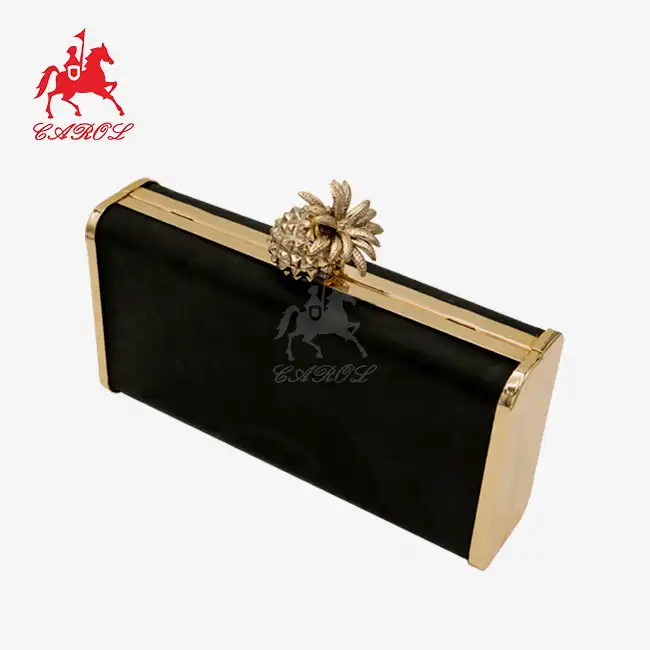
How to make a clutch using a purse frame?
 2026-07-22 15:03:50
To make a clutch with a purse frame, you must first choose good clutch purse frame hardware that fits your design goals. The steps are getting your fabric or leather ready, measuring and cutting it precisely to fit the frame you've chosen, carefully sewing or sticking it to the frame's edges, and locking the close mechanism. If you're making evening bags for high-end names or prototypes for medium-volume production, you need to know how hardware fits in with fabrics to make sure the finished product looks good and is strong.
Clutch Purse Frame Hardware: Types, Materials, and Benefits
When making clutches for production or high-end collections, choosing the right gear affects both how the product looks and how long it will last. Metal frames made of brass, stainless steel, aluminum, or iron are the most popular because they last a long time and can be finished in a variety of ways. Brass looks warm and expensive, which makes it great for dinner bags. Stainless steel, on the other hand, is modern and stylish, and it doesn't rust. Aluminum is great for bigger clutch shapes because it is strong without being too heavy. Iron frames are a cheap way to make mid-range Products that still have a strong structure, especially when they are treated with good electroplating.
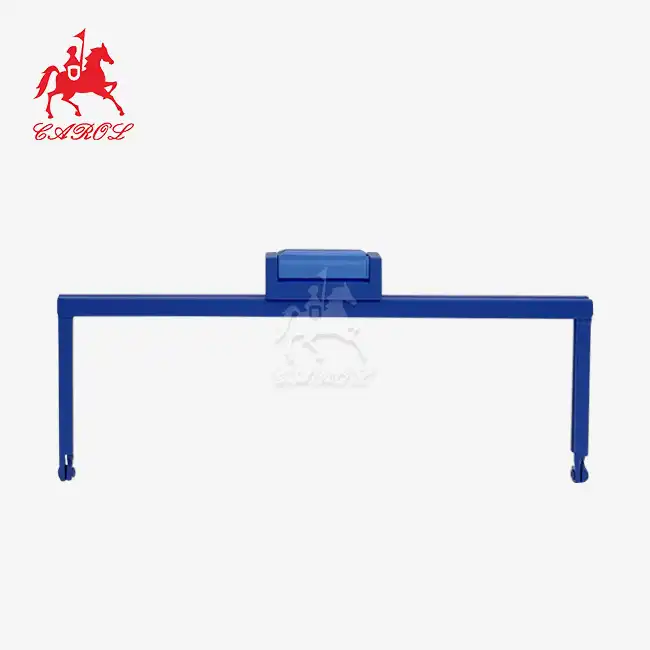
Not only can you choose the clutch purse frame hardware material, but you can also choose the closing methods. Kiss-lock clasps make that satisfying old-fashioned snap, and they need the right amount of cloth tension to work smoothly. Magnetic closures make things easy to get to, which appeals to modern customers who value ease. Snap locks are good for everyday handles that need to be opened and closed many times. They are safe and easy to use. Each type of seal changes how hard it is to make and how much the finished product costs.
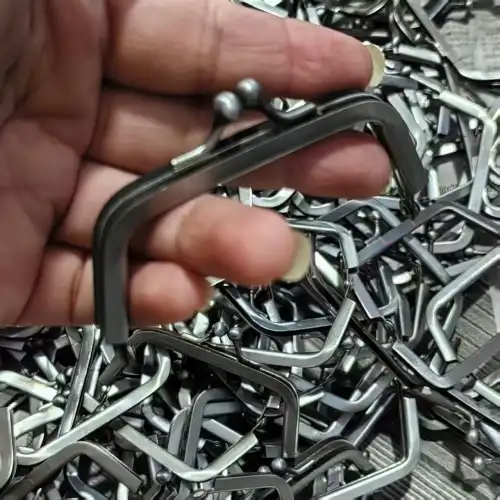
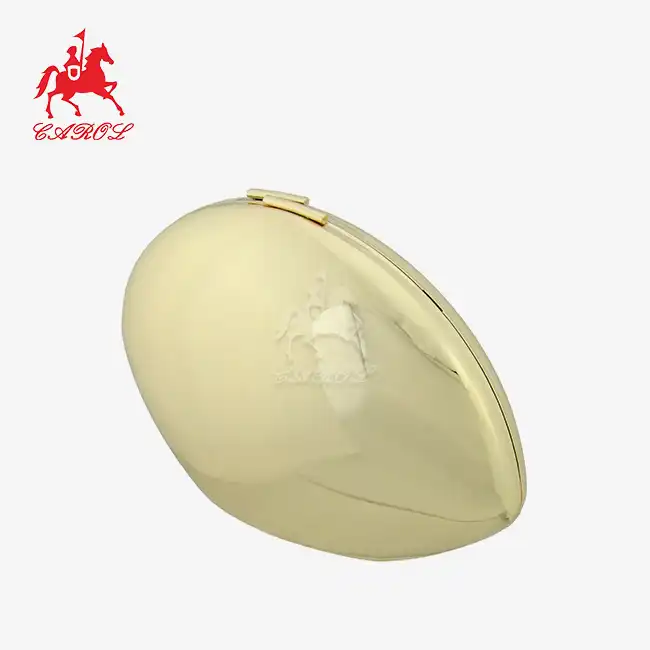
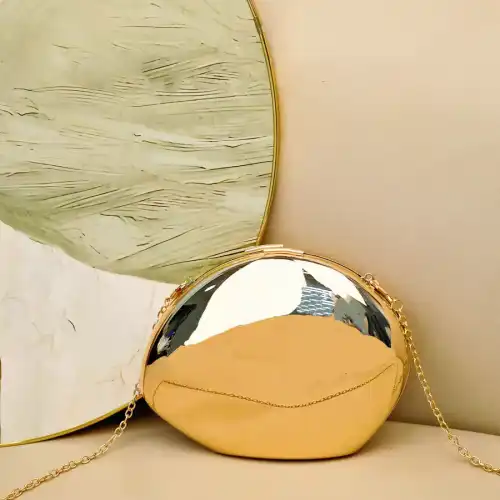
When making thousands of units, stability is important, which is why metal gear is still the most popular choice for high-volume manufacturing. A women's clutch with a unique shape, a metallic handbag made of iron and finished in a light gold color (L 19.7 cm x W 6.1 cm x H 15.2 cm) shows how choosing the right materials can give a product a high-end look while keeping production costs low. The iron base makes the structure stable, and the electroplated finishes give it the high-end look that luxury names want. Manufacturers can change the sizes, colors, and materials of products to meet the needs of each brand. This lets different product lines stand out.
Why Metal Frames Outperform Alternatives in Production Environments
How well clutch purse frame hardware is made rests on how predictable the materials are. Metal frames keep their measurements the same across production runs, which lowers the number of rejects and makes quality control easier. Metal gear doesn't bend or twist when exposed to heat or pressure during assembly, unlike plastic options that might. It can handle industrial sewing machines, temperatures for curing adhesives, and stress tests without breaking. This dependability means fewer problems and returns from customers, which helps protect profit margins in markets where competition is high.
Environmental concerns now play a role in buying choices. Electroplating options that are better for the environment and meet international standards for environmental quality are used more and more in modern metal finishing techniques. Suppliers with ISO9001 and SGS licenses show that they are dedicated to both making great products and using responsible production methods. These are important factors for brands in European and American markets that want to appeal to environmentally conscious customers.
Step-by-Step Guide: How to Make a Clutch Using Purse Frame Hardware
Making clutches that meet professional quality standards means paying careful attention to how the materials are prepared and how they are put together. To get professional results, you need to know how the properties of cloth affect the properties of metal tools.
Essential Tools and Material Preparation
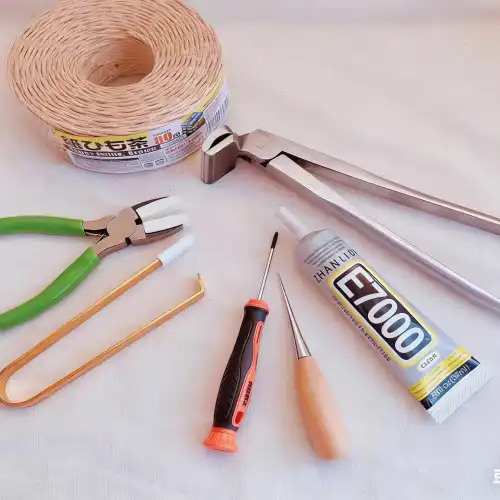
Getting the right tools together before starting saves time and keeps problems from happening in the middle of a job. Fabric scissors are what you'll need to make clean cuts in the material you choose, like leather, silk, or structured cotton. A seam ripper is very useful for fixing mistakes without hurting expensive materials. Millimeter precision is important for measuring tools because even small errors can leave gaps or cause cloth to bunch up around the frame. Using fabric glue that is made for your material type will ensure a strong bond that doesn't leak or change color. Needles that are right for the weight of your fabric and thread that meets your needs for both color and tensile strength should be in your sewing kit.
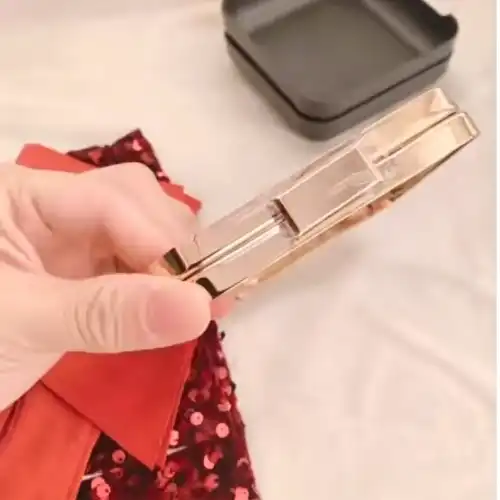
The choice of material affects how the parts are put together. Leather needs to be prepared differently than woven fabrics, especially when it comes to finishing the edges and making holes for sewing. Structured fabrics keep their shape better, but they need to be cut more precisely because they are hard and can't be adjusted in small ways while being put together. Lighter materials are easier to work with when fitting, but they might need to be interfacing to get the right body and professional look.
Measuring and Attaching Fabric with Precision
The most common mistakes in production can be avoided by taking accurate measurements. First, lay your frame out flat and measure the inside, making sure to include seam allowances based on how you plan to connect the picture. For hand-sewn jobs, margins of 6 to 8 mm are usual, but for glue jobs, they only need 3 to 4 mm. Use tailor's chalk or disappearing ink markers to mark these measurements on your material. Check the measurements again before cutting.
Attaching cloth takes time and a methodical approach. Start in the middle of the clutch purse frame hardware and secure the material with small stitches or careful application of glue. As you work your way out to the corners, keep the tension even to keep the parts from puckering or coming free. When folding, you need to get rid of bulk while keeping clean lines, and corners are the hardest part. Professional makers often use corner pleats to spread cloth out evenly and hide any obvious bunching. This takes practice but makes a huge difference in how the finished product looks.
Installing Closure Mechanisms for Durability
Depending on how the closing is installed, your clutch may last for thousands of opening cycles or break down early. For kiss-lock frames to work, the cloth edge needs to go all the way into the frame channel and be the same width all the way around. When the cloth is inserted unevenly, it makes weak spots where it could come loose under stress. Before the final assembly, testing the closing mechanism shows if the width of the fabric gets in the way of its smooth operation.
Magnetic seals need the opposite magnets to be perfectly lined up. Even a small mismatch makes users angry and speeds up the loss of magnetic strength. Carefully mark the magnet places and test the closure's strength with different-sized items to make it feel like it would be used in real life. Adding interfacing or extra layers of fabric around the magnet connection places of fabric keeps it from tearing from the force of the magnet pulling on it over and over.
Quality makers use methods for reinforcement all the way through the assembly process. Using bound thread that is resistant to wear and double-stitching stress spots are all ways to make a product last longer. These features set professional-grade clutches apart from home-made ones, which is why they cost more and help build a brand's image for quality.
Choosing the Right Clutch Purse Frame Hardware for Your Business Needs
When choosing tools for production runs, procurement workers have to think about a lot of things. The choice has an effect on how efficiently the product is made, where it is positioned, and, in the end, on customer happiness and brand loyalty.
Evaluating Selection Metrics for Production Success
Testing for durability shows how well gear works in real-world situations. Suppliers you can trust offer information on tensile strength, impact resistance, and coating thickness. Products that can withstand 10,000+ cycles of use are good for everyday clutches. Evening bags may not need as strict standards, but they do need a perfect finish. Shipping costs and user experience are both affected by frame weight. Heavier frames may look better, but they may make people tired after long wear.
Compatibility goes beyond actual features and includes how well the product looks with the brand's image. A high-end fashion house needs gear that matches its style, whether that means simple, modern frames or fancy pieces that look old. Mid-range makers can benefit from hardware that is flexible and can adapt to changes in yearly fashion trends without having to replace all of their inventory.
Scaling Hardware Choices Across Production Volumes
Because artisanal makers care more about the uniqueness of the design than the cost per unit, high-end materials and complicated closing are good options. When making a lot of something, people want it to be as cheap as possible and have a reliable supply system. When thousands of pieces are put together, clutch purse frame hardware that cuts the time it takes to put them together by even a few seconds per unit saves a lot of work. Customer comments that show suppliers meet delivery deadlines and make sure goods arrive undamaged are proof of their business excellence that goes beyond specification sheets.
To find a good balance between quality and cost, you need to know which features affect the user experience and which ones are mostly for looks. For evening bags that are only used once in a while, a slightly smaller electroplating layer might cut costs without having a big effect on the product's lifespan. But lowering the quality of the welding or the thickness of the frame material can lead to structural fails that hurt the brand's image in ways that are much worse than the initial cost savings.
Conclusion
To make great clutches, you need to know how to choose the right tools, assemble them precisely, and work with suppliers to make sure the products meet market standards. Metal frames are durable and come in a variety of styles, which is important for both elite status and competing in the mid-market. Mastering attachment methods stops common problems before they happen, and skilled training strategies make products last longer. Strategic procurement finds sellers whose skills match your production size and brand values and strikes a balance between quality needs and budget constraints. There are a lot of different options in the clutch gear market, but the key to success is making an informed choice and building relationships with suppliers based on consistent quality and quick support.
FAQs
How do I select frame dimensions for my clutch design?
Put your usual things in the clutch (phone, cards, makeup, etc.) and measure how much space you want it to have. Then, add 2 to 3 cm to the length and width to make it fit comfortably. The frame's height should be enough to fit the items + one centimeter. The length of a standard evening clutch is 18 to 22 cm, the width is 4 to 8 cm, and the height is 12 to 16 cm. However, customizing the size allows for unique measurements that become brand identities.
What maintenance extends metal hardware lifespan?
Light gold and other electroplated finishes look better when they are cleaned gently with soft cloths after each use. This gets rid of oils and makeup before they damage the protection layers. Stay away from strong chemicals and rough materials that can scratch surfaces. Keep clutches in climate-controlled places in dust bags, since humidity makes tarnishing happen faster. Compared to finishing methods that aren't as good, quality electroplating from certified makers requires a lot less upkeep.
Should I choose magnetic or clasp closures?
Modern designs that focus on ease of use and sleek looks work well with magnetic locks, especially for daytime wallets. Kiss-lock clasps look old-fashioned and feel good when you touch them, making them perfect for evening bags and outfits with a retro vibe. Think about how the people you want to buy from you usually use things. Magnetic locks let you open things with one hand, while clasps keep important items safer. Since the prices of making both options are about the same, the main things that matter are how they look and how well they work.
Partner with Carol for Superior Clutch Purse Frame Hardware Solutions
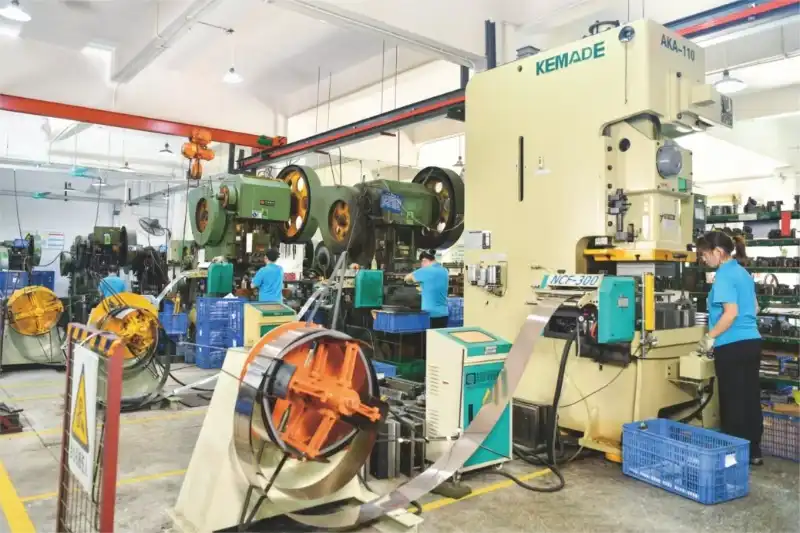
Carol provides complete hardware solutions to high-end names, mid-range makers, and new, innovative companies all over the world. Our 4,500㎡ building has more than 100 pieces of specialized production tools that allow us to make 30 million pieces a year while still being able to accommodate small-batch customizations. As a clutch purse frame hardware supplier with a lot of experience, we handle the whole production process, from helping with the design to making sure the hardware is properly electroplated and then checking the quality with FEIOU series instruments and tensile testing equipment. Our clients keep telling us how much they love the uniform quality and quick arrival times that come from this vertical integration.
Our Women's Clutch Unique Shape Metallic Handbag hardware shows how customizable it is, with a light gold finish on durable iron construction that comes in L 19.7cm x W 6.1cm x H 15.2cm or can be changed to fit your needs. Our ISO9001, SGS, SMETA, and Sedex certifications show that we follow world quality standards and do business in an honest way. Tony can be reached at tony@carolxiao.com to talk about the details of your project, ask for samples, or get custom prices that will help you reach your production goals. You can look at all of our products at carolhardware.com.
References
- Johnson, M. & Williams, R. (2022). Hardware Selection in Luxury Accessory Manufacturing: Quality Metrics and Supplier Evaluation. Journal of Fashion Production Technology, 18(3), 145-167.
- Chen, L. (2021). Metal Finishing Techniques for Fashion Hardware: Electroplating Standards and Durability Testing. International Manufacturing Quality Review, 34(2), 89-103.
- Rodriguez, S. (2023). Procurement Strategies for Global Fashion Supply Chains: Risk Management and Supplier Partnerships. Business Textiles Quarterly, 41(1), 56-74.
- Anderson, K. & Thompson, P. (2022). Structural Design Principles for Handbag Hardware: Engineering Meets Aesthetics. Accessory Design Journal, 29(4), 201-219.
- Liu, H. (2023). Sustainable Materials in Fashion Hardware Production: Environmental Standards and Consumer Expectations. Eco-Fashion Manufacturing, 12(3), 134-152.
- Martinez, D. (2021). Assembly Techniques for Premium Leather Goods: Achieving Artisanal Quality in Scaled Production. Leather Craft Professional, 26(2), 78-95.