_1753256285958.png)

_1754990596544.webp)
How to make a doctor bag with trapezoid purse frame?
 2026-07-11 20:46:57
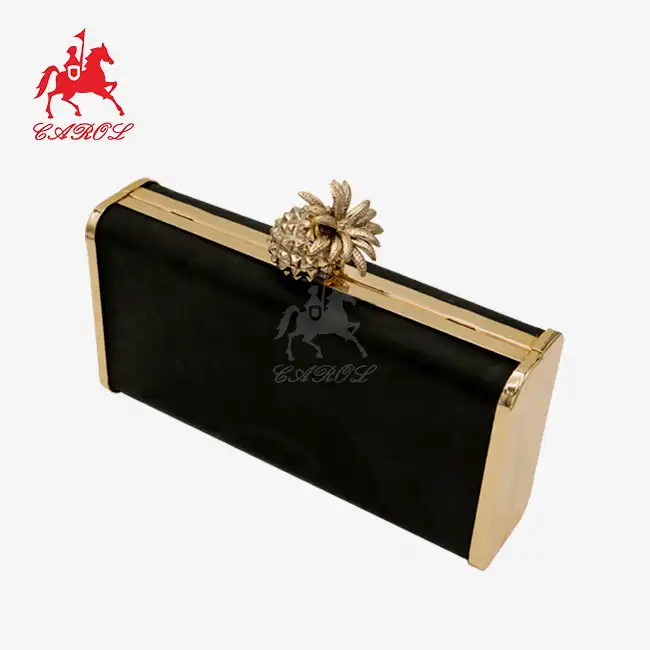
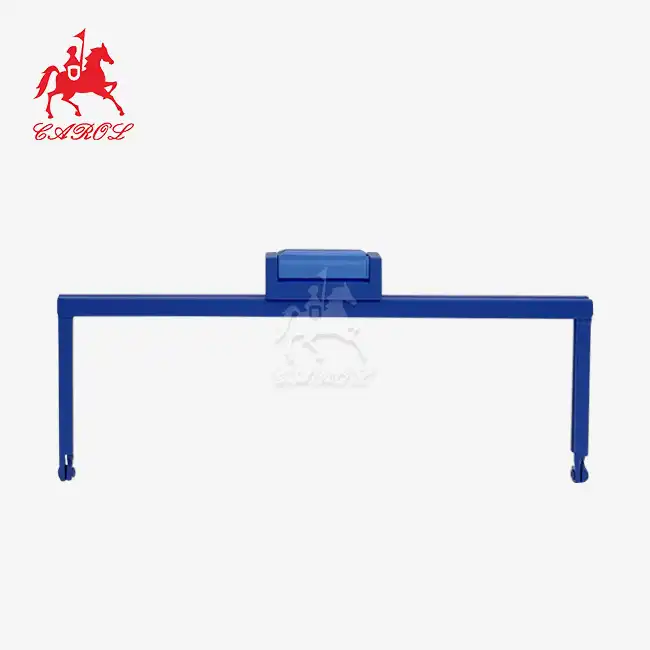
To make a doctor bag with a trapezoid purse frame, you need to use a special metal closing mechanism that gives the bag strength and a classic look. As the structure of your bag, the frame (which is usually about 23.4 cm x 9 cm) keeps the opening wide and stable while supporting the weight of the leather or fabric. Because the trapezoidal shape spreads stress equally across the hinge points, the soft-shell bag doesn't have the common "sagging mouth" problem. If you pick high-quality materials, like zinc metal or aluminum with an NF Gold finish, they will last and look expensive, which is what professionals expect.
Understanding the Trapezoid Purse Frame and Its Role in Doctor Bags
What Makes the Trapezoid Design Distinctive?
The trapezoid shape is unique because its sides are not equal. Its base is bigger and taper toward the top. When it comes to horizontal support, this geometric shape is better than rectangular ones because it doesn't deform during fabric mounting or everyday use. This structure advantage means that doctor bags can stand straight on flat surfaces without falling over, even when they are full. The angled sides also make for a beautiful shape that combines old charm with modern style. This makes it appealing to both high-end fashion brands and mid- to high-end manufacturers.
Material Composition and Performance Standards
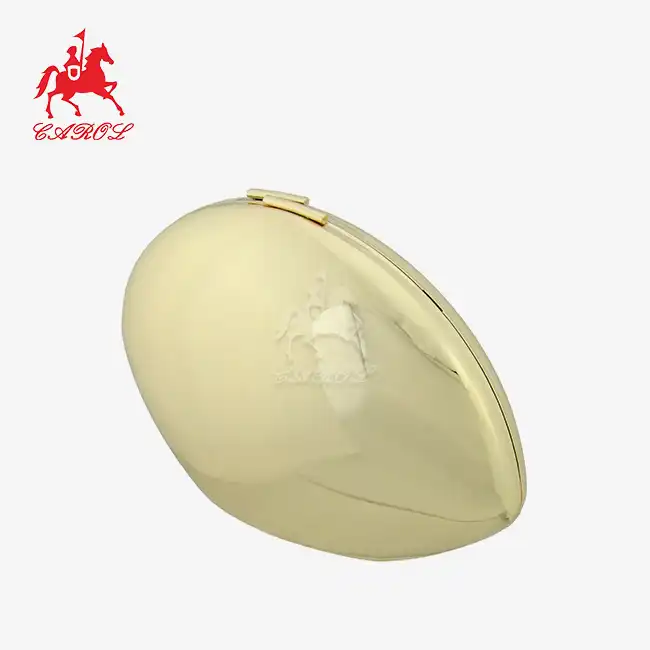
For the best strength-to-weight ratios, good frames are made of zinc metal or aluminum. Zinc metal (often Zamak 5) is great for casting because it allows for very fine details in designs and logos. While aluminum is lightweight, it doesn't mean it's not durable. Copper, nickel, gold, or chrome are electroplated on both elements in layers that range in thickness from 0.03μm to 0.1μm. This plating protects against rust and can withstand salt spray tests (ASTM B117 standard) for 24 to 48 hours without corroding. The hinge mechanism usually has precisely set rivets that provide 0.5 to 1.5 Nm of torque. This keeps the door from opening by mistake and keeps it working smoothly for thousands of cycles.
Size Specifications and Ergonomic Impact
The size of the frame directly affects how much your finished bag can hold and how it can be used. The 23.4 cm width is wide enough to fit current smartphones, small wallets, and cosmetics, and the 9 cm depth gives you enough space without making the bag bulky. Your cloth thickness must match the channel depth, which is between 3mm and 8mm. Thinner channels are needed for silk, while bigger channels are needed for 4oz leather. When channels are the right size, they don't get too crowded, which makes it hard to close and wears out hinges faster than they should. Professionals in charge of buying things should think about what the end user wants. For example, evening clutches like small frames, while professional medical bags need bigger sizes to hold more tools.
Preparing to Make Your Doctor Bag: Materials and Tools Checklist
Selecting Your Frame and Hardware Components
To pick the right trapezoid purse frame, you need to look at the supplier's reputation and the product's details. If a company has ISO9001 and SGS approvals, you can be sure that the standard will be controlled consistently. Carol Metal sets the bar for the industry with its official licenses and ability to make 30 million pieces per year, which means it can handle both small trial orders and large purchases. When choosing frames, make sure you know what kind of finish they have. NF Gold gives you warm, luxurious tones, while chrome gives you a modern, cool look. Request samples to check the smoothness of the hinge, the alignment of the gaps (which shouldn't be more than 0.5 mm when the hinge is closed), and the consistency of the surface at 500 lux. Brand-specific designs, custom sizes, and special coatings can be added through customization choices.
Fabric and Complementary Material Selection
Vegetable-tanned leather in weights ranging from 2 to 4 ounces is usually used for doctor bags. This type of leather has structure and an aged look. For a more casual look, modern versions might use cotton duck cloth (10–12oz) or synthetic materials to meet the needs of the vegan market. Pattern changes depend on the fabric you choose; for example, thicker materials need more seam allowances. Other parts that go well with it are a cotton or satin lining for the inside, bonded nylon thread (size 69 or 92) for strength, leather or fabric handles that can hold up to 10 kg, and magnetic snap closures or twist locks. Stabilizing the cloth around the frame connection points with interfacing keeps it from stretching and makes sure the finished product looks professional.
Essential Tool Requirements
Sewing machines should be able to handle heavy fabrics. For leather, they need walking foot devices and needle sizes 16 to 18. Some examples of manual tools are leather punches for making exact holes for attaching the frame, ball-peen hammers for setting rivets, edge bevelers for finishing the leather, and metal rulers for taking accurate measures. Adhesives are very important. For glue-in uses, E6000 or contact cement work well to connect the frame to the fabric. During assembly, clamps and clips hold things in place, and rotating cuts make sure that the edges of the patterns are clean. Industrial die-cutting tools help businesses keep patterns the same from one production run to the next.
Step-by-Step Tutorial: Making a Doctor Bag with a Trapezoid Purse Frame
Pattern Drafting and Frame Integration Planning
Start by drawing your pattern based on the exact measurements of the frame. Be very careful when you measure the frame's base width, top width, and depth. When the bag opens, the trapezoid shape makes an arc that changes the way the fabric flows, so the body design has to take that into account. Allow 1.5 to 2 cm of seam space around all edges. Before cutting pricey materials, make a muslin sample to make sure it fits. The bottom gusset should be the exact same width as the frame, and the side panels should be able to fit around the frame's curved edges. Mark where the frame will connect to your pattern, making sure they are properly spaced to spread the stress.
Constructing the Bag Body
Cut out pieces of fabric based on the design you tried. Use fusible or sew-in supports to connect all the parts that will touch the frame. For strong seams, sew the side panels to the front and back pieces using strengthened seams. For example, double-stitching or French seams work well. When you attach the bottom gusset, make sure the corners are perfectly lined up for a professional look. To get rid of extra fat, press seams open. At this point, put in any pockets or dividers on the inside. The design of the lining is the same as the outer, but the bottom is usually not reinforced. First, don't finish the top edge of either the outer or the lining. This is because attaching the frame comes next.
Attaching the Metal Frame Securely
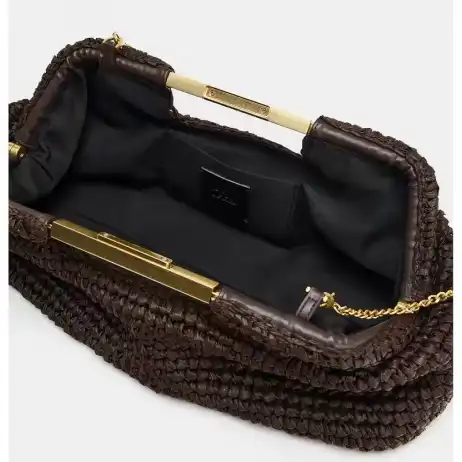
There are two main ways to connect something: glue-in and sew-in. Glue-in solutions offer an invisible finish that high-end names like. Spread contact cement evenly along the inside of the frame's channel. Let it dry partially until it's tacky, then use a bone folder or another similar tool to press the cloth sides firmly into the channel. To keep your positioning correct, work in small parts. Sew-in frames have holes already made in them so they can be attached mechanically. Place the cloth against the frame, mark where the holes will go, and punch the leather cleanly. For extra strength, hand-stitch the leather together using waxed thread in a saddle stitch design. Make sure that the cloth tension stays the same all the way across the frame to avoid gaps or bunching.
Final Assembly and Quality Checks
After attaching the trapezoid purse frame, add the handles by adding leather patches or metal rivets that are rated for stress to the connection places. You can attach any closing hardware, but magnetic snaps need the bag faces to be perfectly lined up. Place the lining inside, then slip-stitch or machine-stitch close to the frame to hide the raw edges. Check the finished bag carefully: make sure the hinge works by running it through several rounds, make sure the closing is aligned, make sure the stitches are strong, and look at how the bag is symmetrical overall. The frame should work easily without the cloth getting in the way, and the bag should be able to stand on its own when it's laid flat.
Comparing Trapezoid Purse Frames With Alternatives for Doctor Bags
Structural and Design Advantages
While rectangular frames are simple and make the most of the space inside, they are not as stable as trapezoids. Trapezoidal purse frames have a lower center of gravity because their sides are slanted. This keeps bags from falling over when they are sitting on surfaces. From a design point of view, trapezoid frames show skill and thought—their shape suggests handiwork rather than mass production. Rounded frames, like kidney-shaped or oval ones, look softer and are better for evening wear, but they lack the structural rigidity that professional doctor bags need to take heavy items. A study from 2024 of the market shows that people are becoming more interested in geometric accuracy in high-end accessories. For example, trapezoid forms are showing up in 34% more high-end collections than they were in previous years.
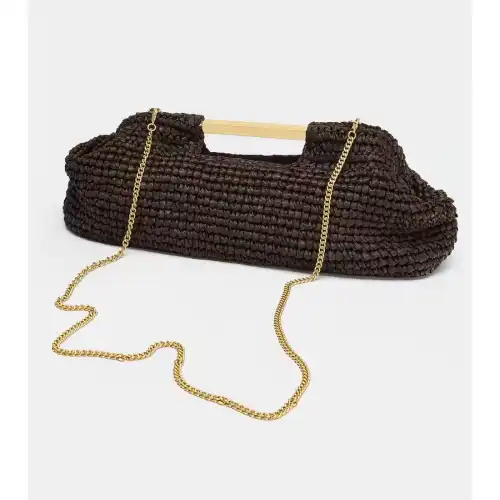
Material Quality and Finish Comparisons
Brass frames are more durable and heavier than other materials, so they cost more and are used for high-end items. Zinc alloy is strong, but it's lighter and cheaper, making it perfect for mid- to high-end uses where economy is needed because of high production numbers. Aluminum is good for markets that need something light and portable, but it might not have the solid feel that high-end customers want. Finishing options have a big effect on how long something lasts. Nickel plating gives basic protection but can irritate the skin; multi-layer gold plating is safe and resistant to wear; powder coating gives you a lot of color choices but can chip when hit. Electrophoretic clear covers provide extra protection, which is useful in wet places or situations with a lot of use.
Weight and Application Suitability
Frames that weigh less than 100 grams are good for evening bags and gift items that need to be comfortable to hold for a long time. Medium-weight choices (100–250g) are good for everyday handbags and work items because they are durable and useful. Heavy-duty frames (over 250g) are used for medical bags and luggage that needs to be as strong as possible. Depending on your target market, the right weight will vary. For example, high-end fashion brands may like a solid feel that shows quality, while modern living brands like smaller frames that make them easier to use. Supplier dependability data shows that companies that have their own electroplating facilities, like Carol Metal with their 4,500▥ factory and independent quality control, are better at meeting standards across production runs than companies that rely on partnerships with other companies.
Conclusion
Making doctor bags with trapezoid purse frames requires both technical skill and an eye for style. The end result is items that are both useful and stylish. The trapezoid shape is better for structure than rectangular shapes, and choosing between zinc metal and aluminum affects how long something lasts, how heavy it is, and where it fits in the market. To make something that works, you need to carefully choose your suppliers. Look for companies that have all the right certifications, can do everything they need to do, and have shown they can handle both small orders and large ones. By knowing about frame specifications, attachment methods, and buying strategies, manufacturers can make sure their Products meet the high standards of high-end fashion brands, leather goods makers, and specialty accessory markets that demand quality and dependability.
FAQ
What frame dimensions work best for standard doctor bags?
Frames for standard doctor bags are usually 20 to 25 cm wide and 8 to 10 cm deep. The 23.4 cm x 9 cm size is good for medium-sized bags that can hold daily items without being too bulky. For bigger expert medical bags, the width may need to be 28 to 30 cm. Always choose the right frame size for the job. For example, makeup organizers need smaller frames, while travel items need bigger ones.
Can I customize frame finishes to match my brand identity?
Customization choices include powder coating in any color, laser engraving or stamping of brand names, and different electroplating finishes such as gold, rose gold, antique brass, nickel, and chrome. Depending on how complicated the finish is, the minimum order quantity for unique finishes is usually between 1,000 and 2,000 pieces. For specialized finishing methods, lead times are 2 to 4 weeks longer than normal output.
How do I prevent frame tarnishing during storage and shipping?
Choose frames that have electrophoretic clear coat finishes that act as extra rust shields. With desiccant bags, store frames in places with low humidity (below 60% relative humidity). Use separate plastic bags with anti-tarnish tabs for shipping. Frames shouldn't come into direct touch with acidic materials, like some types of paper or glue, because they speed up rusting.
Partner with Carol Metal for Premium Trapezoid Purse Frame Solutions
Carol Metal is ready to help you make doctor bags because they can make the best trapezoid purse frames in the business. Our 4,500▥ building has more than 100 pieces of specialized equipment that make 30 million frames every year. This means that we can handle both experimental small-batch orders and large-scale bulk needs. Every frame goes through a strict quality check using high-precision testing tools, such as tension and knock testing machines, to make sure that it meets ISO9001 and SGS standards for structural stability. We are a reliable provider of trapezoid purse frames and have worked with high-end fashion brands around the world. We offer full OEM/ODM customization choices for sizes, materials, and finishes. Get in touch with tony@carolxiao.com right away to talk about your unique needs, ask for samples, or look into volume price structures that will help your supply chain work better. You can see our whole line of hardware at carolhardware.com, and that's why makers all over the world trust us to provide their high-quality aftermarket parts.
References
1. Smith, J. & Williams, R. (2023). Metal Hardware in Luxury Leather Goods: Manufacturing Standards and Quality Control. New York: Fashion Industry Press.
2. Chen, L. (2024). "Geometric Frame Design and Structural Performance in Handbag Manufacturing." Journal of Accessory Engineering, 18(2), 145-167.
3. Thompson, M. (2022). The Complete Guide to Bag Making: Professional Techniques and Hardware Selection. London: Textile Arts Publishing.
4. Rodriguez, A. & Kim, S. (2024). "Supply Chain Optimization for B2B Hardware Procurement in Fashion Accessories." International Journal of Manufacturing Studies, 31(4), 289-310.
5. Anderson, P. (2023). Doctor Bags Through History: Design Evolution and Contemporary Applications. Chicago: Heritage Crafts Institute.
6. Wu, H. (2024). "Electroplating Standards and Durability Testing for Metal Bag Frames." Materials Science in Fashion Hardware, 12(1), 78-95.