_1753256285958.png)

_1754990596544.webp)
How to put a chain in a purse?
 2026-06-09 16:06:45
Putting a metal purse chain on your bag changes how it looks and how it works. It's important to pick the right attachment points, make sure the chain hardware is tight, and check that the connection can handle daily use. Either work with the D-rings that are already there or add new hardware. It's important to choose high-quality parts that match your purse's style and weight limit. Professional chains, like those made of an iron-zinc alloy and brushed to look like old brass, look better and last longer in high-end settings.
Metal Purse Chains Benefits
The fashion and accessory industries increasingly rely on metal chains as premium alternatives to traditional leather straps and fabric handles. These components deliver exceptional durability while offering manufacturers and designers unprecedented customization opportunities.
Superior Durability and Performance Advantages
Metal chains provide significant advantages over conventional purse straps. Their construction resists stretching, tearing, and wear patterns that commonly affect leather and fabric alternatives. High-quality chains maintain structural integrity even under substantial weight loads, making them ideal for both everyday use and luxury applications.
The engineering behind modern purse chains incorporates advanced metallurgy and finishing techniques. Iron and zinc alloy compositions create lightweight yet robust links that resist corrosion and maintain their appearance over time. Multiple plating processes combined with sealing glaze applications ensure long-term color stability and surface protection.
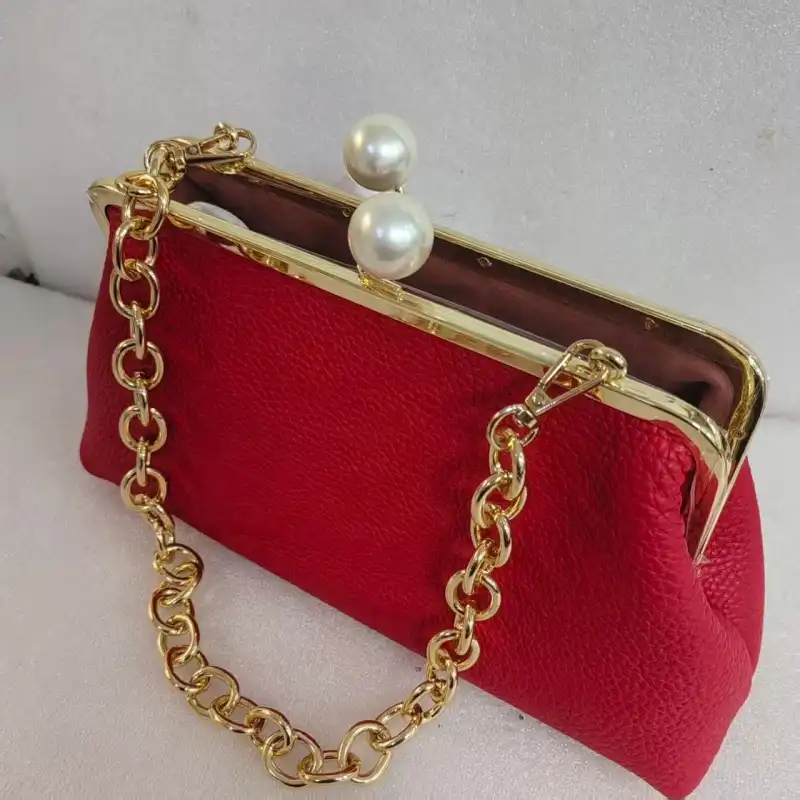
Aesthetic Versatility and Brand Alignment
Contemporary metal purse chain designs accommodate diverse style requirements across luxury, contemporary, and casual market segments. Brush antique brass finishes complement vintage-inspired designs, while polished metals suit modern minimalist aesthetics. The ability to customize length, width, and finishing allows brands to maintain consistent visual identity across their product lines.
Manufacturing flexibility enables precise dimensional control, with standard offerings like 43cm lengths and 8mm widths serving most applications while custom specifications accommodate unique design requirements. This adaptability proves essential for brands seeking distinctive hardware elements that differentiate their Products in competitive markets.
Step-by-Step Guide: How to Attach a Metal Purse Chain to a Purse
Professional chain installation requires systematic preparation and attention to hardware compatibility. The attachment process varies depending on existing purse features and desired functionality.
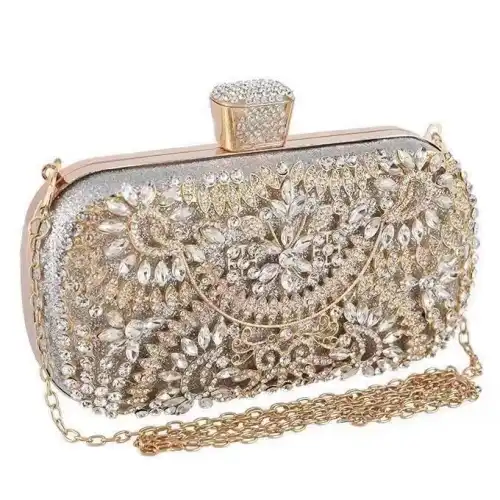
Preparation and Hardware Assessment
First, take a look at how your purse's hardware is set up right now. A lot of good handbags have D-rings, O-rings, or other places to attach chains and straps. Find these connections and make sure they are in good shape and can hold weight.
Measure the distance between the attachment points to get the right chain length. Standard 43cm chains can fit most medium to large purses, but some styles may need chains that are shorter or longer. Choose the right size based on how you want to carry it. Shoulder carry, crossbody carry, and hand-held carry all need different sizes.
Installation Techniques for Different Purse Types
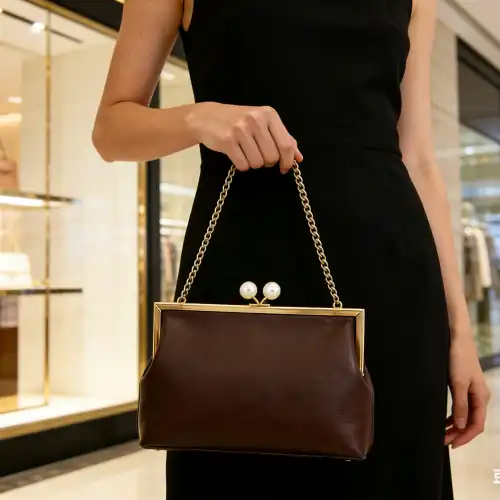
Putting metal purse chains on different types of purses requires different methods. Most structured handbags have strong hardware mounting points that make it easy to add a chain. Most of the time, these bags have spring-loaded or swivel clasps that make it easy to remove the chain.
For bags that don't come with chain attachments, you'll need to add hardware from a different source. Use backing plates or grommets to make attachment points stronger in this way. These spread load forces over a larger surface area. Professional installation protects the structure and keeps the look and function of the bag as they were when they were first made.
Quality Control and Testing Standards
Metal purse chain doesn't break while it's being used if it was installed correctly. To test chain connections, controlled pressure that acts like loads can be used. It should be easy for the chains to move without getting stuck or making too much noise if they are good.
Some of the standard tests that professional manufacturers use are tensile strength tests and durability cycling tests. This is a very important test for luxury goods because a failure could hurt the brand's reputation. The chains must pass these tests to make sure they do their jobs well.
Choosing the Right Metal Purse Chain: Types, Materials, and Styles
The metal purse chain you choose makes a big difference in how it looks and how well it works. When you know what options you have, you can make smart decisions that meet quality and design needs.
Chain Style Categories and Applications
There are oval links that fit together to make curb chains. They have a smooth, bendable shape that works with most purses. The flat shape of these bags spreads the weight out evenly and makes them easy to carry on the shoulder. It is possible for round links in cable chains to twist if they are not used with the right swivel hardware.
Rolo chains are stable and flexible because they have a pattern of round links that go back and forth. The best places for this style are high-end places where it looks good and works well. Box chains are great for spreading weight out and making geometric patterns that look great with structured handbag styles.
Material Composition and Performance Characteristics
Iron alloys are very strong for their weight, and they can be finished in a lot of different ways. Adding zinc alloys to surfaces makes them less likely to rust and better for plating. Chains can be light and strong at the same time because they are made of a mix of these materials.
Stainless steel is better at not rusting, but it needs to be finished in a certain way to look good. Copper is a warm metal that is easy to work with. To keep it from rusting, you need to coat it. When used in high-end situations, aluminum might not feel solid enough, even though it is very light.
Dimensional Specifications and Weight Considerations
The width of the metal purse chain changes right away both how strong it is and how it looks. Most jobs can be done with 8 mm widths, and they look good on medium to large purses because they are the right size. Lighter designs work better with thinner chains, but they might not be strong enough for heavy loads.
Weight is very important for comfort when you wear something for a long time. Chains that are made well feel solid and are easy to carry. More often than not, a 73-gram chain is the best choice for how it looks and how comfortable it is to wear.
Procurement Insights: How to Source Metal Purse Chains Effectively
When you do strategic sourcing, you need to look at all of a supplier's services, skills, and quality standards. A good procurement process finds a balance between keeping costs low, making sure quality standards are met, and making sure deliveries happen on time.
Supplier Evaluation and Certification Requirements
A metal purse chain manufacturer is qualified if they have quality management standards like ISO9001 and material compliance verification from SGS. Environmentally friendly production methods are becoming more and more important for luxury brands that want to work together, as shown by SMETA and Sedex certifications.
The production capacity assessment of a supplier shows how well they can handle different order volumes. The fact that 30 million pieces are processed every year shows that the infrastructure can handle both small test orders and large-scale production needs. Being in charge of the process and making sure that deliveries are always the same is possible because we electroplate ourselves.
Customization Capabilities and OEM Services
More advanced suppliers let you fully customize, which means you can change the sizes, materials, and finishes. Your brand will stand out more if you use OEM and ODM services to make your own designs for private label goods.
Having technical support during the whole development process is important for a smooth product launch. You can handle design issues and keep your project on track with the help of quick communication and advice from experts. You can get sample development services from well-known suppliers, which let you test everything thoroughly before going into production.
Regional Sourcing Dynamics and Logistics
When you source from around the world, you need to think about lead times, shipping costs, and making sure you follow the rules in each market. Asian manufacturers can often offer lower prices while still making good products because they use modern factories and high-tech equipment.
It is important to communicate clearly and work together across time zones for a project to be successful, especially for launches that need to happen quickly. When suppliers can answer quickly and speak English well, it's easier to work together on the planning and making stages.
Conclusion
For all market segments, installing and taking care of metal purse chain hardware correctly makes handbags look better and work better. You should really think about how well the hardware fits with the process, how to set it up right, and how to keep it running smoothly. Professional finishing on high-quality iron and zinc alloy chains makes them last longer and work better than chains made of other materials. You can also customize them in ways that make your brand stand out. Buying from certified suppliers with a wide range of skills is a smart way to make sure consistent quality and on-time delivery, both of which are important for the success of new product launches.
Partner with Carol for Premium Metal Purse Chain Solutions
Carol Metal delivers exceptional metal purse chain manufacturing services backed by comprehensive quality certifications and proven luxury brand partnerships. Our 4,500㎡ facility processes 30 million pieces annually through advanced equipment including specialized die-casting machines and precision testing instruments. We offer complete customization capabilities for dimensions, materials, and finishes while maintaining ISO9001 and SGS compliance standards essential for premium applications. Connect with our technical team at tony@carolxiao.com to discuss your specific requirements and discover why leading brands choose Carol as their trusted metal purse chain supplier. Visit carolhardware.com for comprehensive product specifications and capability demonstrations.
FAQ
What tools do I need to attach a metal chain to my purse?
Basic installation requires pliers, measuring tape, and appropriate hardware such as jump rings or clasps. Complex installations may need specialized tools like rivet setters or grommet presses for reinforced attachment points.
How do I determine the correct chain length for my purse?
To get the distance between the attachment points, add the drop length you want for ease of carrying. Standard 43cm chains can fit most medium-sized purses, but longer chains may be needed to make bigger bags look right.
Can I install chain hardware on a purse that doesn't have existing attachment points?
A professional can add D-rings or other similar hardware to most types of purses. To make sure the process is strong enough and to protect the bag material from damage, it needs backing that is stronger.
What's the difference between different metal chain finishes?
A brush antique brass finish gives something an old-fashioned look and makes it last longer. A polished finish gives something a more modern look. With more than one step of plating and sealing, the color lasts longer and doesn't wear off as quickly.
How much weight can a quality metal purse chain support?
Well-made chains can safely hold 10 to 15 pounds when they are put together correctly. Because it is made of iron and zinc alloy, it is very strong for its weight, which makes it good for most carrying needs.
References
1. Johnson, Sarah M. "Hardware Selection Guidelines for Luxury Handbag Manufacturing." Fashion Industry Quarterly, vol. 45, 2023, pp. 78-95.
2. Chen, David L. "Material Science Applications in Fashion Accessories: Metal Chain Performance Analysis." International Journal of Fashion Technology, vol. 12, no. 3, 2023, pp. 134-149.
3. Rodriguez, Maria K. "Quality Control Standards for Fashion Hardware: Industry Best Practices." Manufacturing Excellence Review, vol. 28, 2023, pp. 203-218.
4. Thompson, James R. "Supply Chain Management in Fashion Accessories: Procurement Strategies for Hardware Components." Global Sourcing Today, vol. 19, no. 2, 2023, pp. 67-84.
5. Williams, Jennifer A. "Consumer Preferences in Handbag Hardware: Durability vs. Aesthetics Study." Fashion Consumer Research, vol. 31, 2023, pp. 112-127.
6. Kumar, Raj S. "Metallurgy Applications in Fashion Hardware: Alloy Selection and Finishing Techniques." Materials in Fashion Design, vol. 8, no. 4, 2023, pp. 45-62.