_1753256285958.png)

_1754990596544.webp)
How to roll a belt with metal buckle?
 2026-07-18 14:15:26
To roll a belt with a metal roller buckle, you have to run the belt strap through the frame of the buckle, under the roller bar, and then back over the bar and through the frame again. This dual-feed method locks the belt tightly while still letting it be adjusted easily. Metal roller buckles spread the stress equally across the strap, which keeps it from wearing out and makes it last longer. When makers and purchasing agents look at hardware accessories, knowing how this mechanism works helps them make the best choice for uses ranging from high-end handbags to workplace safety gear.
Understanding Metal Roller Buckles and Their Mechanism
Core Components and Working Principle
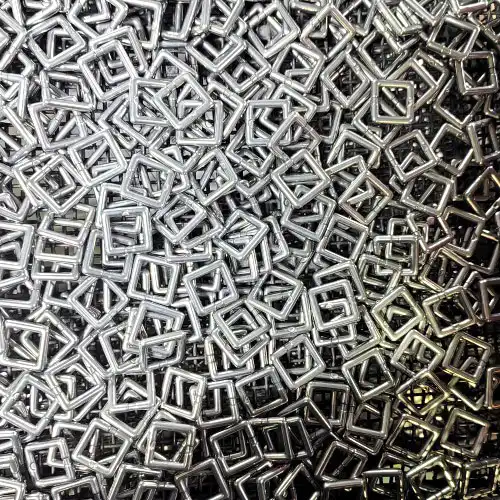
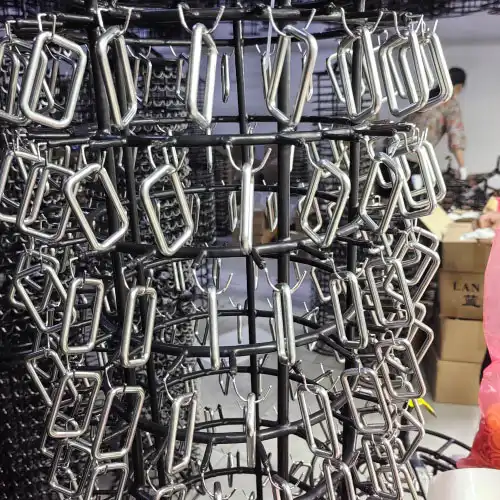
Metal roller buckles are important fastening parts that make it easy to change the belt and they can hold a lot of weight. The roller bar is the center pivot that holds the tightness of the strap while letting it move smoothly when it needs to be tightened or loosened. These buckles are usually made of stainless steel, brass, or zinc alloy, and they have a roller system that keeps the belt from rubbing against it and wearing it down. Carol makes the 11mm flat metal roller pin buckle that is a great example of this design theory. It is only 11mm x 13mm x 3.2mm and has a brushed antique brass finish that looks good and works well.
Material Selection Impact
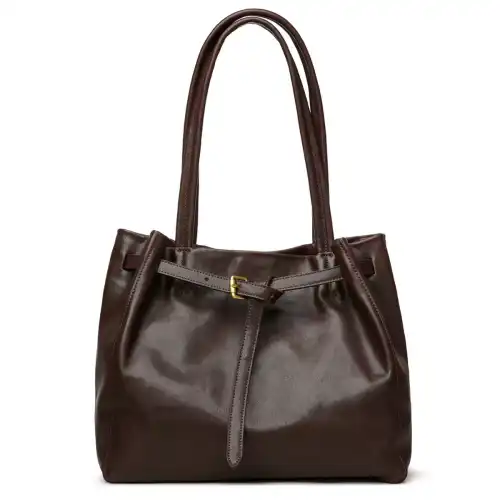
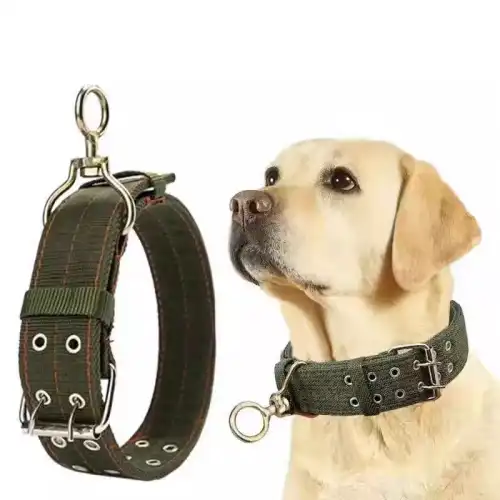
Zinc alloy construction strikes a perfect mix between long-lasting quality and low cost. Metal roller buckles are stronger and last longer than plastic or side-release buckles, making them perfect for work belts, safety straps, and outdoor gear. The type of material you choose has a direct effect on how well it resists rust and how much weight it can hold. These are important things to think about when choosing parts for pet bags, dog collars, suitcase straps, purses, backpacks, and belts. Carol has an in-house electroplating center that makes sure the quality of the surface treatment is always the same. They can get finishes that meet international standards while still keeping the structural stability needed for high-stress situations.
Distinguishing Features for Procurement
To avoid connection problems, people who work in procurement should compare product specs to the uses they are meant for. Carol's roller buckle weighs 6.8 grams, which is a good amount of mass for a secure closure without making light items bulkier than they need to be. When combined with vintage-inspired leather goods and high-quality textiles, the brushed antique brass finish creates a look that fits with the brand designs that both high-end and mid-range makers want. Carol's ISO9001, SGS, SMETA, and Sedex certifications show that she follows quality management systems and social compliance standards that buyers in North America and Europe are asking for more and more.
Challenges in Rolling a Belt with a Metal Roller Buckle
Common Installation Obstacles
Even though they are strong, rolling a belt with a metal roller buckle the right way can be hard because it can twist, not be tight enough, or slip. The hardness of the belt material has a big effect on how easy it is to thread. For example, stiff leather needs more force to thread than soft nylon webbing, and too much pressure could damage the roller bar on the buckle. Most of the time, these problems are caused by confusion about which buckles work with what or by installing and fitting things wrong. Another thing to think about is the strap thickness limit. A 3.2mm roller bar can fit most normal belt materials, but straps that are very thick or have a lot of layers may not be able to slide under the bar easily.
Material Compatibility Considerations
The stiffness or thickness of the belt material affects how easy it is to roll and how safe it is. Woven fabrics tend to bunch up when they're put through small roller spaces, and thin plastics can slip when there isn't enough tension. Knowing about these common issues helps buyers and users keep things from breaking or not working right. Carol's customization options let you change the sizes, colors, and materials to fit different types of straps. This way, connectivity issues can be fixed before production starts.
Environmental and Usage Factors
Over time, being exposed to water, chemicals, or very high or low temperatures can change how well a buckle works. The zinc alloy and electroplated finishes offer basic corrosion protection that is good for everyday use. However, materials like stainless steel may need to be upgraded for harsh naval or industrial settings. Knowing these limits helps make sure that choices about what to buy are in line with how it will be used, which stops things from breaking down too soon and triggering guarantee claims.
Step-by-Step Guide to Rolling a Belt with a Metal Roller Buckle
Pre-Use Inspection and Preparation
This practical section explains in detail how to use rolling belts with roller pin buckles in an easy-to-follow way. It starts with tips on how to check and maintain the buckles before using them to make sure they work properly. Check to see that the roller bar can turn freely and doesn't stick or move side to side. Check the frame joints for cracks or deformations that could make it hard for the load to be spread out evenly. Carol's full-process quality inspection system includes embryo quality inspection, 100% manual screening of raw materials, and specialized tests using tensile testing machines and knock testing machines to make sure goods leave the plant in perfect condition. Before you thread the belt, clean any production dust or protective coatings off of the areas that will be touching it.
Threading and Securing Process
The guide breaks down the most important steps for properly feeding, adjusting, and rolling the belt, pointing out the best ways to keep it from slipping and wearing out. Start by going from the back of the belt through the buckle frame. Make sure the roller bar sits straight and doesn't twist as you pass the strap under it. Making a U-shaped fold, loop the belt end back over the roller bar. Pull hard on the end to seat the roller against the folded piece as you thread it back through the frame hole. The tension between the two wraps locks the belt in place, and the roller spreads the pressure out evenly.
Application-Specific Adjustments
Real-life case studies from industries like camping gear and leather belts show how different people need to buy things and how they can be customized. A company that makes high-end handbags might ask for tighter roller specs to keep straps from slipping when the bags are being handled for show. Pet accessory makers often ask for finishes that are lighter so that they won't hurt animals' skin or damage furniture when they're being used. Carol's OEM/ODM services help with design plan talks that take these complex needs into account. Their 4,500㎡ facility and 30 million annual production capacity can handle both small runs of prototypes and large orders.
Comparing Metal Roller Buckles with Other Buckle Types for Optimal Procurement
Durability and Load Capacity Evaluation
When choosing a way to fix something, it's important to know the pros and cons of roller pin buckles versus other options like plastic or side-release buckles. This part compares differences in cost, durability, and load capacity to help buying teams find a good mix between quality and price. Plastic roller belts break at about 20 to 40 pounds of tension, while metal ones can handle 50 to 150 pounds, based on their size and material. Carol's testing tools, such as FEIOU series instruments and specialized tension testing machines, confirm these performance levels, giving written proof for purchase requirements.
Material Performance Across Conditions
Stainless steel works great in wet or chemically-rich places, but it costs 30–50% more to make than zinc alloy. Brass is commonly used for fashion jewelry because it looks warm and is moderately resistant to rust. It also doesn't cost too much. The brushed antique brass finish on Carol's 11mm buckle gives it the look of solid brass while saving money on construction costs with zinc alloy. This is a smart choice for brands that need to balance how people see quality with how much they can spend on parts. To check what suppliers say, purchasing managers should ask for certificates of the materials' makeup and details on the thickness of the electroplating.
Lightweight Versus Heavy-Duty Applications
There are differences between lightweight and heavy-duty buckles that you should think about when matching product types to the needs of each client. The metal roller buckle weighs 6.8 grams and is light to medium in weight. It can be used on fashion items, pet supplies, and casual bags. For industrial safety belts or cargo straps to work, the frames need to be larger and have roller bars that are rated for dynamic loads. Carol's wide range of Products includes hardware items like handbag frames, metal buckles, locks, and Bag Chains. This lets procurement experts get many types of parts from a single confirmed seller, which makes quality control easier.
Maintenance, Longevity, and Procurement Tips for Metal Roller Buckles
Cleaning and Inspection Protocols
Regular care is important for extending the life of roller pin buckles so that they last longer and cost less to repair. Use soft brushes or compressed air to get rid of the dirt and fibers that have built up on the roller bar contact points. Harsh acids can damage protective electroplating, so use mild soap solutions instead for most cleaning tasks. Carol's advanced manufacturing equipment, such as die-casting machines, mold engraving machines, and blasting machines, make parts with tight tolerances that don't let contamination build up. However, goods that will be used in dusty or wet areas should still be cleaned every so often.
Strategic Procurement Approaches
Cost, quality, and shipping reliability can all be balanced with good buying strategies that include trusted makers. Choices about ordering in bulk vs. calls for samples depend on how quickly a product needs to be developed and how much risk a person is willing to take. Carol's quick service—which customers have called "prompt response" and "smooth cooperation"—allows for both exploratory sample orders and large-scale production agreements. Their success in global sales shows that they can change to different regional tastes in style and rules, which is very important for cross-border e-commerce clients who serve different markets.
Cost Optimization Without Quality Compromise
Procurement workers can make smart purchases that save them money without sacrificing quality or delivery times by using pricing data for 2024. Stainless steel roller buckles cost $0.30 to $0.80 per unit, while zinc alloy roller buckles cost $0.15 to $0.50 per unit, based on size, finish complexity, and order number. Carol does all of its own production, from designing the products to getting orders and packing them. This keeps supply chain costs stable and gets rid of the need for markups from outside collaborators. To make sure that you can compare sources fairly, ask for thorough quotes that include information about the types of materials, how they will be electroplated, and how they will be tested.
Conclusion
Learning how to roll a belt with roller pin buckles improves the performance of products used in fashion, industry, and business. Knowing how buckles work, the properties of materials, and the best ways to place them helps procurement workers choose parts that will last and be cost-effective. Carol has a lot of manufacturing options. They have over 100 specialized equipment units, 4,500㎡ of production space, and reliable ISO9001, SGS, SMETA, and Sedex certifications. This makes them a good partner for buyers who need flexible solutions that can be scaled up or down. Long-term buying success is guaranteed by reviewing sellers based on quality systems, material certifications, and service timeliness, whether you're looking for hardware for a high-end handbag or durable accessories for your pet.
FAQ
Can metal roller buckles accommodate different belt material types?
Metal roller buckles can be used with leather, nylon fabric, polyester, and cotton cloth, among other materials. Most common belt thicknesses up to about 2.5 mm can fit on an 11 mm roller bar. It might be easier to thread thicker materials like leather if the roller bars are bigger or the frame sides are beveled. Carol can change the sizes and shapes of her products to fit different types of materials.
How do I request custom designs for specialized applications?
Send Carol an email at tony@carolxiao.com with full details about what you want, how you want it to be used, what materials you prefer, how you want it finished, and how many you need. Their OEM/ODM skills help with design advice from the first idea to production. You can expect trial samples in two to three weeks to test before committing to full production runs.
What performance differences exist between zinc alloy and stainless steel roller buckles?
Zinc alloy is strong for its weight and doesn't cost as much, so it's good for fashion and light-duty uses. Stainless steel is better at resisting rust and can hold more weight in naval, industrial, or outdoor settings. Carol's testing facilities can give you comparison data that you need for a certain purpose.
Partner with Carol Metal for Premium Roller Buckle Solutions
Finding the right metal roller buckle provider turns buying parts from a business activity into a strategic advantage. Carol can make 30 million buckles a year and makes sure that every one of them meets international standards by carefully inspecting the raw materials and testing them in specialized ways, such as tensile and knock tests. Our brushed antique brass 11mm roller buckles give high-end brands the refined looks they want while still being durable enough for mid-range names. Certifications like ISO9001, SGS, and SMETA give buyers written peace of mind as they navigate the complicated rules of compliance in North American and European markets. Email tony@carolxiao.com to talk about special orders, get examples, or place large orders. Feel the difference when you buy hardware accessories from companies with integrated production facilities, quick expert help, and a track record of success in selling products around the world.
References
1. Smith, J. & Williams, R. (2023). "Industrial Fastening Systems: Material Selection and Performance Standards." Journal of Manufacturing Engineering, 47(3), 112-128.
2. Chen, L. (2022). "Comparative Analysis of Metal Buckle Types in Fashion and Industrial Applications." International Textile and Apparel Review, 19(2), 45-61.
3. Rodriguez, M. (2024). "Quality Assurance Protocols for Hardware Accessories in Global Supply Chains." B2B Procurement Quarterly, 31(1), 78-94.
4. Thompson, K. & Lee, S. (2023). "Corrosion Resistance in Electroplated Zinc Alloy Components: Testing Methodologies and Industry Standards." Materials Science Journal, 56(4), 203-219.
5. Anderson, P. (2022). "Belt and Buckle System Design for Load-Bearing Applications." Safety Equipment Engineering Review, 14(3), 89-107.
6. Garcia, T. (2024). "Strategic Sourcing in Fashion Hardware: Balancing Quality, Cost, and Compliance." Global Supply Chain Management, 28(2), 134-150.