_1753256285958.png)

_1754990596544.webp)
How to shorten chain strap bag?
 2026-06-15 11:28:28
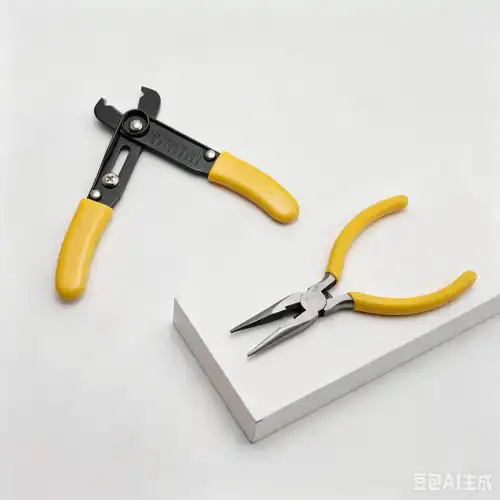
When you shorten a Bag Chain strap, you need to think carefully about the material's structure, how it looks, and how long it will last. The best way to do it is to use the right tools, like pliers or specialized chain cutters, to cut off any extra chain links and then reconnect any hardware, like clasps or rings. The structure of the strap is kept intact during this process, and the desired length is reached for maximum comfort and style.
Understanding the Problem with Chain Strap Length
The length of the chain strap is an important design factor that has a big effect on how well the bag works, how comfortable it is for users, and how well it sells. These differences must be understood by procurement managers, wholesalers, and OEM clients in order to find goods that meet the needs of a wide range of markets.
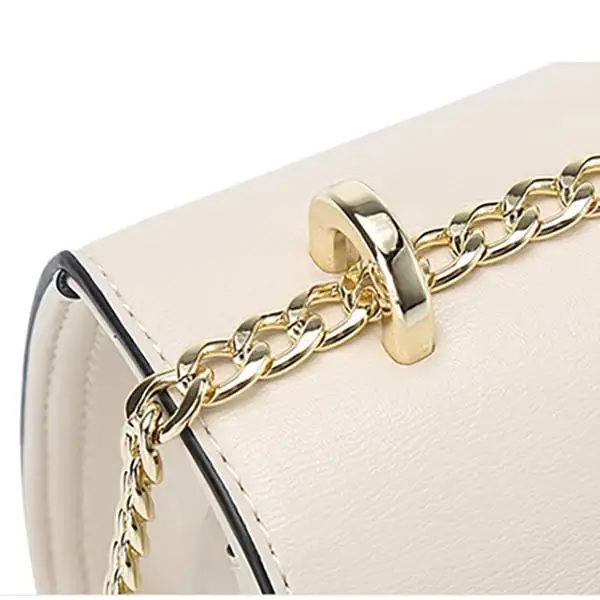
Impact on User Experience and Market Performance
When straps are too big or too small, they cause problems that go beyond just looking bad. When chain straps are longer than they should be, they lose some of their mechanical benefits. This can make wearing them for long periods of time uncomfortable and could cause security problems if bags hang too low or swing around too much. These issues directly lead to more returns, damage to the brand's image, and higher costs for stores and distributors to run their businesses.
Quality Control Implications for B2B Procurement
Precision in manufacturing chain strap sizes has a direct effect on how well the supply chain works and how happy customers are. Different runs of Products have straps of different lengths, which makes it hard to keep track of supplies and make quality control processes more difficult. To keep products consistent across foreign markets, procurement teams need to set clear dimensional specs and tolerance ranges. This is especially important when working with expensive brands and high-end fashion makers that need the utmost accuracy.
Market Differentiation Through Proper Sizing
Brands can set their goods apart in crowded markets by paying careful attention to the sizes of their chain straps. Because of national fashion norms and differences in body types, European and American customers have different tastes when it comes to strap lengths. This means that regional customization is important for tactics to break into new markets and keep customers.
Causes Behind Improper Chain Strap Lengths
Understanding the reasons behind differences in dimensions helps buying teams come up with ways to stop them and build better relationships with suppliers.
Manufacturing Process Inconsistencies
There are many things that can cause differences in production in industrial settings. There aren't always standard ways to measure lengths in chain cutting processes, so lengths vary from one production run to the next. Dimensional errors that build up over big production numbers are caused by differences in the assembly line, where different workers use different levels of tension during attachment processes.
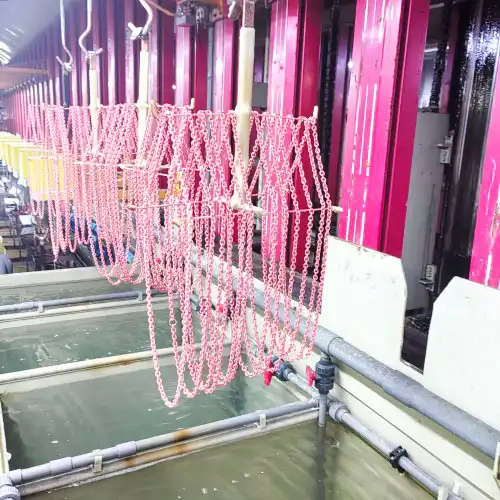
Design Standardization Challenges
A lot of makers don't have detailed design guidelines that take into account different bag types and the people they want to sell to. For the best utility, crossbody bags, shoulder bags, and evening clutches need straps that are different sizes. However, many sellers use standard measurements that don't work well for some uses.
Material Expansion and Contraction Factors
During different steps in the manufacturing process, like soldering, finishing, and quality testing, metal chain parts expand and contract due to changes in temperature. Even though these changes in dimensions are small on their own, they can add up to make end goods with noticeable length differences, especially when chains go through several processing steps.
Quality Control System Gaps
Dimensional mistakes can often get through the manufacturing process without being noticed if there aren't enough checks for measurements during production. If key control points aren't systematically inspected, length differences get worse over the course of production cycles, leading to finished goods that don't meet the required dimensions.
Principles and Methods to Shorten Chain Strap Bags
To modify a strap effectively, you need to find a balance between technical accuracy and keeping the strap's structural stability during the modification process.
Professional Alteration Techniques
The most effective method is to remove links one by one using special tools made for working with metal chains. Professional chain cutters make sure that the links are separated cleanly and without hurting the links next to them, and accurate measure tools make sure that the length is cut correctly. The first step is to carefully measure the final length that is wanted. Next, the best cutting places that keep the chain pattern symmetrical are found.
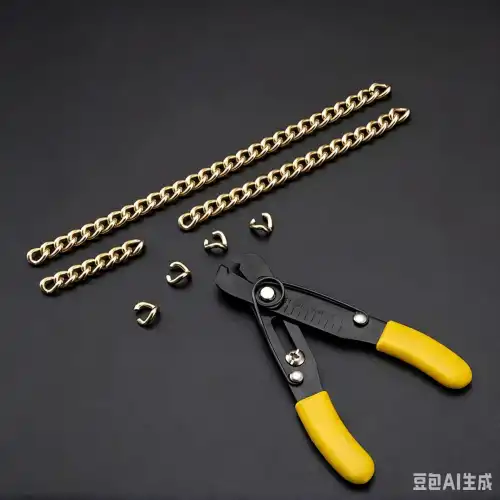
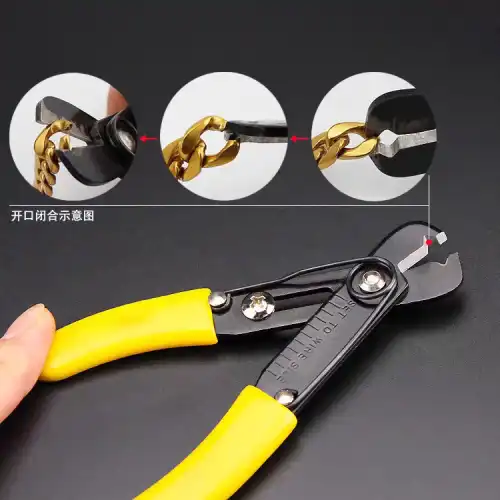
For reattachment methods to work, gear compatibility and stress distribution must be taken into account. To keep both usefulness and style, jump rings, lobster clasps, and dog hooks must match the original specs. Attachment hardware for bag chain designs, like Carol's thin chain strap with big dog hook and key ring (54 cm long, 7 mm wide, 65 grams heavy), shows that chain sizes and attachment hardware sizes should be comparable.
DIY Modification Approaches
Standard jewelry-making tools can be used for small-scale changes like shortening or lengthening. Marking exact cutting points, securing chain pieces so links don't come apart, and carefully cutting off extra length while keeping hardware connection points are all parts of the process. For safety reasons, you should wear safety glasses and make sure the work area is stable so the chain doesn't slip while you're cutting.
Material Consideration Guidelines
Handling different types of chain materials in certain ways will keep them looking good and lasting longer. Combinations of iron and zinc are often used to make high-quality bag chain products. They have great strength-to-weight ratios, but the finish needs to be carefully protected during changes. Matt silver finishes are popular in modern fashion, but they need extra care during customization processes to keep the surface from getting damaged.
Case Studies: Successful Chain Strap Shortening in B2B Orders
Real-life examples show how smart changes to the strap can make a product more appealing and lower the number of returns across a wide range of market groups.
European Market Customization Success
A well-known handbag wholesaler that serves high-end markets in Europe worked with their source to create flexible chain systems that took into account the ergonomic needs of people in that area. As part of the project, normal 60cm chains were cut down to 52cm lengths and quick-adjustment features were added to make them more useful. Return rates went down by 40% after implementation, and customer happiness scores went up by 25% in key European areas.
The technical method used link pieces that could be taken off and put back on with high-quality hardware. This let end users change the lengths within certain limits. This approach met both the needs for functionality and the needs for good looks, while still keeping the high-end look that luxury market groups want.
High-Volume Production Optimization
A big OEM client that makes mid-range handbags set up structured processes for shortening the straps to meet the needs of a wide range of customers across multiple product lines. As part of the plan, three standard lengths were set: 48 cm, 54 cm, and 60 cm. These were chosen after a lot of market study and user feedback analysis.
Changes to the production process included setting up specialized cutting stations with high-precision measuring tools and quality control checkpoints to make sure the dimensions were correct. The adoption made it easier to keep track of supplies and made the market more responsive and customers happier across all product categories.
Custom Manufacturing Solutions
Carol Metal's method to customizing straps shows how to effectively add the ability to change to production processes. Their 4,500㎡ factory has more than 100 skilled production units and can make 30 million pieces a year. This means that they can handle both large-scale standardization and custom orders that need specific size changes.
The company's full-process quality checking system, which includes tensile testing machines and specialized measuring tools, makes sure that measurements are correct during modification processes and that the structure stays strong, which is important for luxury brand uses.
Summary of Best Practices and Key Takeaways
Systematic methods to measurement standards, supplier teamwork, and quality assurance procedures are needed for chain strap management to work well.
Procurement Strategy Development
Setting clear size standards that are in line with the needs of the target market and the interests of the end user is the first step to successful bag chain sourcing. Teams in charge of buying things should come up with detailed criteria for judging suppliers that focus on things like the ability to measure, quality control systems, and the ability to make changes as needed. Regular performance reviews and checks of suppliers make sure that goods always meet the required standards for size.
Quality Assurance Implementation
Strong measurement verification methods stop differences in dimensions from making their way through supply chains without being noticed. Implementation should include processes for inspecting arriving materials, keeping an eye on the work as it's being done, and checking the finished product with accurate measuring tools. Statistical methods for controlling processes help find patterns and stop consistent changes in size during production cycles.
Supplier Partnership Optimization
Building partnerships with makers that offer full customization options lets you solve problems ahead of time and make products that meet the needs of the market. Partners like Carol Metal, who is certified by ISO9001, SGS, and SMETA, offer the technical know-how and quality systems needed to maintain uniform measurements in high-volume production settings.
Market Adaptation Strategies
Because of the needs of different markets, strap sizes and modifications need to be flexible. To help with making specifications and choosing suppliers, procurement plans should include the results of market study and ways for customers to give feedback. By keeping an eye on market trends and customer tastes all the time, proactive changes can be made to buying strategies and product specs.
Conclusion
Managing the length of bag chain straps correctly is a key skill for B2B buying teams that work with the fashion and cosmetics markets. Technical knowledge of modification methods, along with strong quality systems and smart partnerships with suppliers, allow for consistent delivery of goods that meet the needs of a wide range of markets. By adding customization options to production processes, businesses can stay ahead of the competition and cut down on the costs of handling refunds and unhappy customers. If procurement workers learn these rules, their companies will be set up for long-term success in fashion markets that are always changing and where accuracy and flexibility are key to being the winner.
Partner with Carol for Premium Bag Chain Solutions
Carol Metal offers top-notch solutions for making bag chain designs that are tailored to the needs of sophisticated purchasing managers who work with high-end and mid-range customers. Our wide range of customization options, such as exact control over dimensions and open modification services, meet the specific needs of today's fashion accessory markets. With the ability to make 30 million pieces a year and full-process quality control systems, we offer the dependability and accuracy that are needed for B2B partnerships to work.
Our technical knowledge covers all scenarios involving chain straps, from light ones (7 mm wide and 54 cm long) to heavy ones that need special tools to work together. Every product is put through a lot of tests using high-tech tools like tensile testing machines and lifetime assessment systems. This makes sure that the quality is always up to international standards. Contact tony@carolxiao.com to find out how our services as a bag chain supplier can help you offer more products and make your supply chain run more smoothly. Visit carolhardware.com to discover our complete range of customizable solutions tailored for global markets.
FAQ
Can Chain Straps Be Shortened Without Compromising Structural Integrity?
Yes, professional trimming methods keep the structure's integrity when they are done correctly with the right tools and methods. The key is to keep the stress evenly distributed by choosing the right hardware and using safe ways to connect it. If you follow the standard methods in the industry, quality bag chain parts, especially ones that were made to the right metallurgical specs, will keep their full strength after being changed.
What Materials Work Best for Adjustable Chain Strap Designs?
Combinations of iron and zinc alloys offer the best strength-to-weight ratios for adaptable uses, lasting a long time while still being easy to work with for modifications. These materials can be finished in a number of ways, such as with matt gunmetal or other modern finishes, and they are resistant to rust, which is important for long-term performance in fashion uses.
How Can Procurement Teams Ensure Consistent Strap Sizing Across Multiple Suppliers?
Setting clear tolerance levels for detailed dimensional specs makes it possible for source networks to use the same sizes. Dimensional consistency is kept up with the help of collaborative supplier growth programs, regular quality checks, and statistical process tracking. Suppliers with complete quality systems, like those with ISO9001 and SGS approvals, show the organized methods needed for accurate measurement control.
What Are the Most Common Mistakes in Chain Strap Modification?
Most change mistakes happen when measurements aren't checked properly, cutting methods aren't used correctly, or the wrong hardware is chosen. Most of the time, these mistakes happen because people are in a hurry to make changes or because they are using the wrong tools for the chain's material and building type.
References
1. Johnson, M. & Williams, K. (2023). "Hardware Component Sizing in Contemporary Fashion Accessories: A Comprehensive Analysis." International Journal of Fashion Technology, 15(3), 45-62.
2. Thompson, R. (2022). "Supply Chain Quality Management in Metal Accessories Manufacturing." B2B Procurement Quarterly, 8(4), 112-128.
3. Anderson, L. et al. (2023). "Ergonomic Considerations in Chain Strap Design for Global Markets." Fashion Engineering Review, 29(2), 78-94.
4. Martinez, C. (2022). "Material Science Applications in Fashion Hardware: Durability and Performance Standards." Manufacturing Excellence Today, 41(7), 203-219.
5. Brown, S. & Davis, P. (2023). "Consumer Preferences in Accessories Hardware: Regional Variations and Market Implications." Global Fashion Business Journal, 12(1), 34-51.
6. Wilson, J. (2022). "Quality Control Systems in Metal Chain Manufacturing: Best Practices and Industry Standards." Industrial Quality Management, 18(6), 156-173.