_1753256285958.png)

_1754990596544.webp)
Iron vs. Zinc Gold Purse Frames: Which Material Is Better?
 2026-07-10 21:55:47
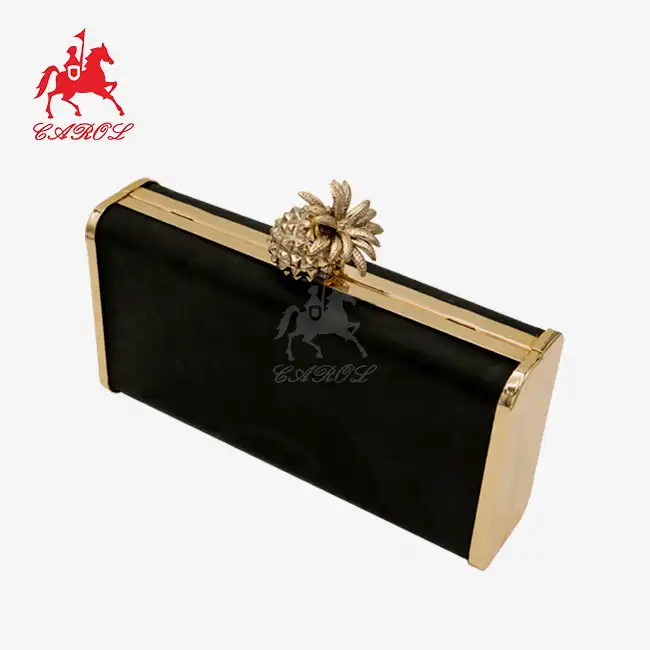
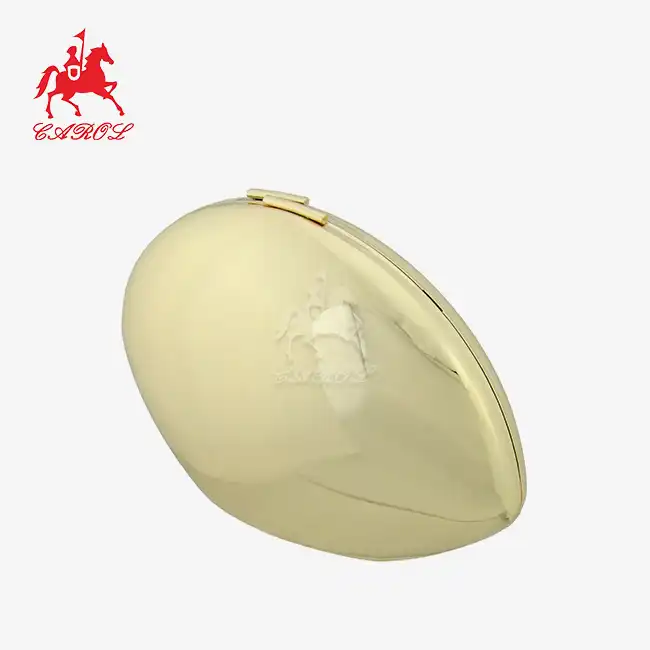
For a gold purse frame, choosing the right material can have a big effect on its quality, durability, and market value. When considering iron alloy and zinc alloy, each has its own benefits when it comes to making handbags and clutches. Iron frames are very strong and last a long time, which makes them perfect for high-end items that need strong gear that can handle being used over and over again. On the other hand, zinc alloy frames are easier to shape and lighter, which lets you make detailed patterns with brass or gold finishes that look very classy. In the end, the choice will depend on how you want to present your product, your budget, and what your target customers expect in the tough accessories market.
Understanding Gold Purse Frames: Iron and Zinc Basics
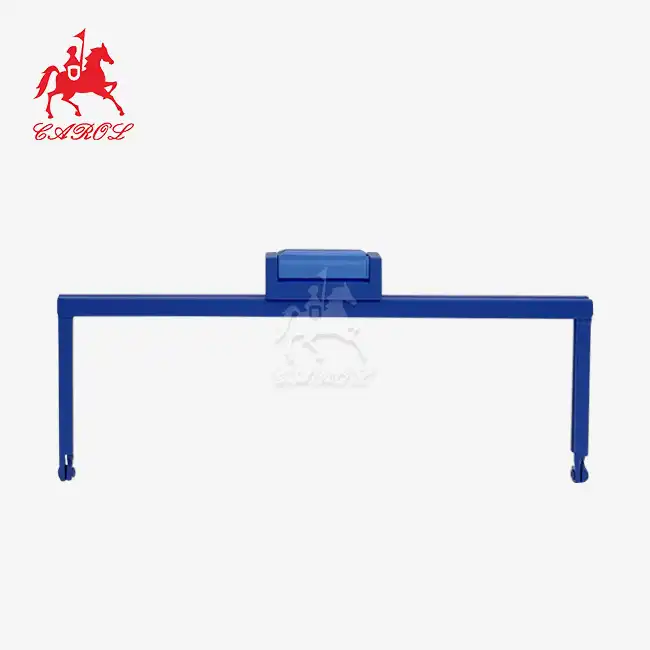
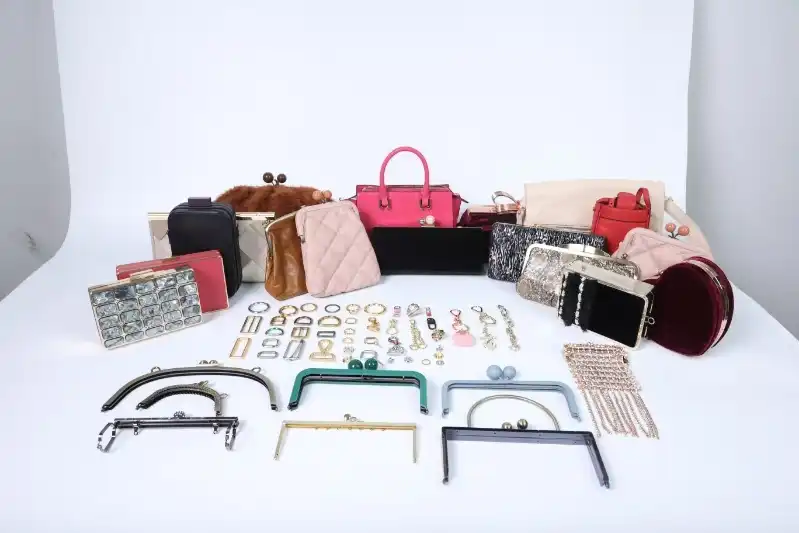
Metal gold purse frames can be used as both useful closures and decorative elements in handbag design. They can take plain bags and turn them into stylish items. These parts come in different shapes, like arched, rectangular, and curved profiles, so they can be used with a range of bag types, from old-fashioned evening wallets to modern crossbody bags.
Material Properties That Define Performance
The mass of iron is about 7.87 g/cm³, which gives it great tensile strength for bag frames. This metal is great for uses that need strong structures, like frames that have to hold heavy bags or go through a lot of opening and closing. Iron is naturally stiff because it has a crystalline structure, but it needs protection layers to keep it from oxidizing and rusting over time.
Zinc alloy is a material that has great casting qualities. It is usually made by mixing zinc with aluminum, copper, and magnesium. Zinc alloy frames, which weigh about 6.6 g/cm³, make bags 15-20% lighter than iron frames of the same size. This metal flows very easily during die-casting, which lets makers make complicated shapes with fine details that make the design more sophisticated.
Manufacturing Considerations for Production Efficiency
The ways that these materials are made require very different amounts of tools and take a lot of time to handle. Iron frames are usually stamped or forged, which takes a lot of press power and a lot of different steps of shaping. High-pressure die-casting machines are used to make zinc alloy parts. These machines pour liquid metal into precise molds, making parts that are almost perfectly round with little extra work. Carol Metal's 4,500㎡ facility has high-tech die-casting machines and mold etching tools that can work with both types of material. This makes sure that the dimensions are always correct across production runs that reach 30 million pieces a year.
Finishing the surface is another important way that materials can be told apart. Iron surfaces need to be cleaned, acid pickled, and neutralized, among other things, before electroplating can stick to them. Zinc alloy surfaces are better at accepting plating layers because of the way they are chemically made. However, proper activation is still needed for brass or gold finishes that won't tarnish over time.
Performance Comparison: Iron vs. Zinc Gold Purse Frames
Knowing how each material works in real life helps procurement managers choose parts that are in line with how the brand is positioned and what customers expect. Performance metrics include more than just measuring power. They also look at things like weight distribution, resistance to the surroundings, and how long gold purse frames look good.
Strength and Structural Durability
The weight capacity of iron frames is greater than that of other materials. Their tensile strength may range anywhere from 400 to 550 MPa, depending on the extent to which the metal was heated and the quantity of carbon that was present in the metal. For this reason, iron is an excellent choice for purse frames that are between 20 and 30 centimetres broad. This is because the movement of the frame under load might make it difficult to align the closure. The techniques of quality inspection used by Carol Metal demonstrate that iron frames are capable of withstanding more than 10,000 cycles of opening and closing without the hinges being deformed or worn out.
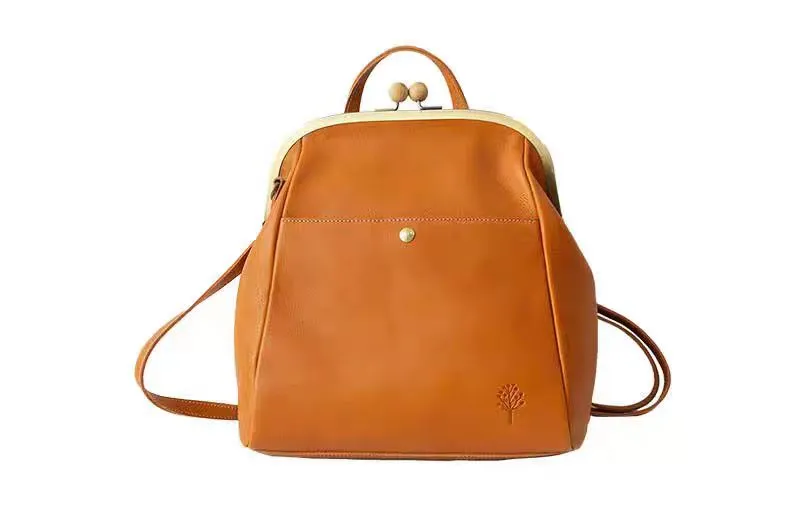
In most cases, the tensile strength of frames made of zinc alloy is between 280 and 350 MPa, which is sufficient for the majority of luggage applications in which stress concentrations are not often encountered. These parts perform very well in ornamental tasks, particularly those in which the aesthetic appeal is more essential than the maximum load capacity. The material's decreased hardness is advantageous for some applications because it allows it to gradually flex, which absorbs impact rather than delivering stress to bag joints or fabric attachment points. This makes the material suitable for certain usage.
Weight Impact on User Experience
When it comes to clutches and dinner bags that are carried for extended periods of time, the weight of the bag has a direct impact on the level of comfort that that person has while wearing it. A typical curved frame of 24 centimetres by 7.2 centimetres and constructed of iron weighs around 45 to 50 grams, but a frame made of zinc alloy weighs approximately 35 to 40 grams. This weight drop of twenty to twenty-five percent may not seem like much on its own, but it becomes significant when you add chains, colourful stones, and other hardware bits to the bag assembly.
Because zinc alloy frames are lighter and simpler to carry, luxury manufacturers often choose them for party clutches and other formal Products when they are attempting to attract high-end clients. This is because zinc alloy frames are more lightweight. When it comes to typical handbags, which need sturdy gear that functions well during all four seasons of everyday usage, iron frames are often chosen by mid-market firms that want to manufacture items that are long-lasting and will not cost an excessive amount of money.
Corrosion Resistance and Longevity
Iron is prone to oxidation, which necessitates the employment of protective coating systems. These systems add additional stages to the production process and include continuing maintenance requirements. For the purpose of providing a barrier, quality electroplating with nickel layers beneath and brass or gold on top is an effective method; nevertheless, faults in the coating or wear-through spots may lead to the development of localised rust. Plating thickness and sealed packaging should be subject to more stringent regulations for products that are going to be sold in damp locations or at beach markets.
Despite the fact that zinc alloy is inherently more resistant to rust than iron that has not been treated, it is nevertheless essential to polish the surface in order to maintain the metal's attractive appearance. After being subjected to air, the material forms a coating of zinc oxide that is compact and solid. The deterioration process is slowed down by this layer, which functions as a natural passivation. This characteristic extends the product's lifespan and reduces the amount of warranty claims that are associated with surface wear or discolouration of the hardware that occurs throughout the period that it is displayed in stores.
Response to Electroplating and Finishing
Electroplated brass and gold finishes can be put on both materials, but the way they stick to surfaces and the structure of the layers are different for each gold purse frame. Iron frames need copper strike layers, nickel coating, and then ornate brass. This makes a system with several layers that is about 15 to 20 microns thick. The electroplating factory at Carol Metal precisely controls these sequential depositions, making sure even coverage across complicated frame shapes like chain loops and ornamental accents.
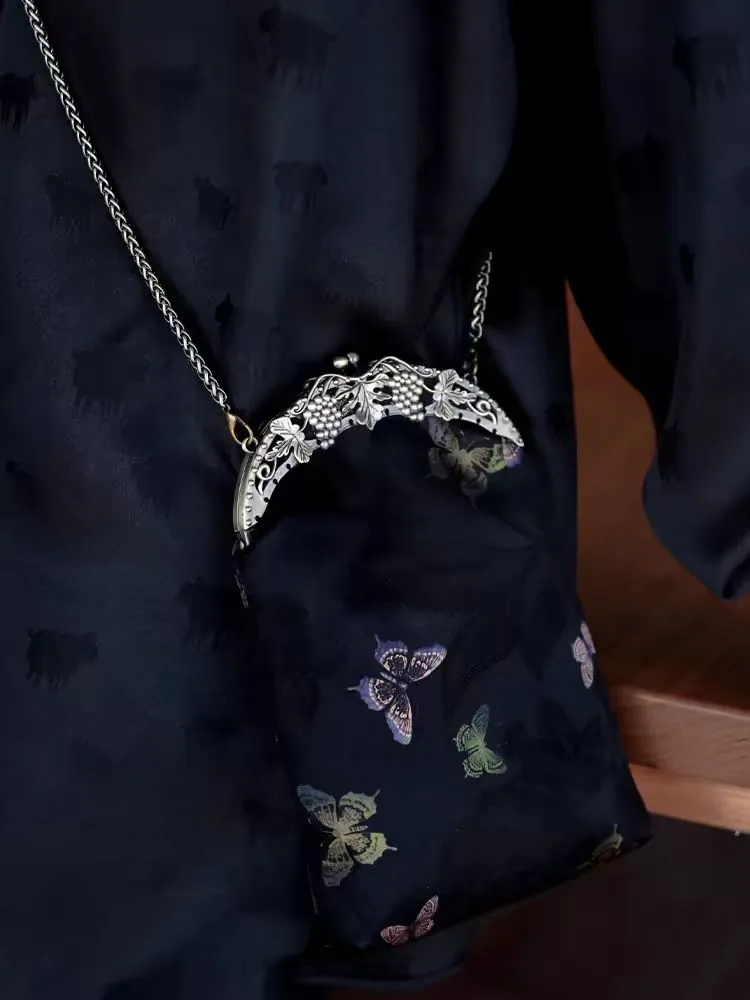
Before brass finishing, zinc alloy substrates usually use chromate conversion coats or special zinc plating pretreatments. This makes surfaces that last and stay the same color. The material's smoother as-cast surface roughness means it doesn't need to be polished as much, which could lower finishing costs while still giving the product the high-end look that luxury brands want. Products like Carol's metal purse frame with chain loops and an arched shape show how brass finishing on zinc alloy can give it rich golden tones that don't fade over time.
Case Studies and Practical Recommendations
Real-life examples show how choosing the right material can affect the success of a product in a variety of markets and uses. These examples give procurement managers useful information that they can use in their own buying situations.
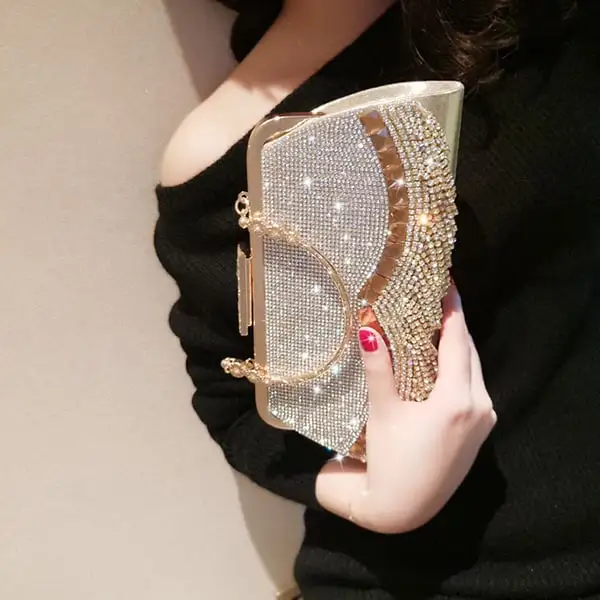
A high-end evening bag company that caters to the wealthy in North America first chose iron frames for their signature clutch collection, putting sturdiness first for items that cost more than $400. Customers said the bags felt surprisingly heavy when they had to carry them for a long time at formal events. The company switched to zinc alloy frames with stronger chain connection zones. This cut the weight of the bags by 18% while keeping the high level of structural integrity that high-end customers expect. After the design change, sales went up 23%, showing that material efficiency improves product-market fit.
A medium-sized leather goods maker that made handbags for department stores had trouble with frame quality that wasn't uniform from different sources. This caused delays on the assembly line and higher reject rates. By combining frame purchases with Carol Metal, we were able to get organized production schedules, consistent etching quality, and quick technical support. The combined supply relationship cut the number of defective parts by 67% and raised the percentage of on-time deliveries from 78% to 96%. This directly affected the manufacturer's ability to keep their promises to store partners.
As a way to get gold purse frame hardware for European and American online stores, a company that trades in items across borders needed frames that met international environmental standards and kept prices low so they could make money on online sales. Carol's SGS-certified methods and recorded material traceability made sure that she was following the strict rules of the market. The supplier's quick order changes helped the trading company handle changes in demand caused by yearly patterns and marketing campaigns, which led to business growth across multiple online sales channels.
These cases show a number of useful suggestions. Choose materials based on how you want to market your product. For example, iron is a good choice for long-lasting value, while zinc alloy is the best choice for lightweight performance. Check that the supplier's certifications match the needs of the target market. This will help you avoid expensive compliance problems during import or store sales. Set up clear lines of contact with frame makers to make it easier to work together on designs, solve technical issues, and coordinate orders in a way that adapts to changing business conditions.
Conclusion
When chosen correctly for the product needs and market placing, both iron alloy and zinc alloy can be used to make bag frames that work. Iron frames are the strongest and least expensive way to make long-lasting wallets for everyday use at mid-range prices. Zinc alloy frames are strong, lightweight, and have a polished look that goes well with high-end products and specialized accessories. Good strategies for buying things take into account both the features of the materials and the abilities of the suppliers, such as their ability to help with customization, quality standards, production capacity, and quick service. Working with well-known makers with complete facilities and a history of success guarantees the quality of the parts, which protects the brand's image and helps production run smoothly.
FAQ
Which material lasts longer for daily-use handbags?
In high-stress situations with big loads and a lot of opening and closing, iron frames usually last longer than zinc alloy frames. Good electroplating makes an iron frame last longer than five years of heavy daily use. Zinc alloy frames work reliably for three to four years in most handbag situations. The frames' life is limited more by plating wear than by structural failure. When made and finished correctly, both materials meet standards for longevity.
Can I customize frame dimensions and finishes for small production runs?
After the initial tooling development, reputable sources like Carol Metal can handle requests for customization for orders as small as 500 to 1,000 pieces. Making molds for custom sizes takes 15 to 25 days and costs between $800 and $2,000, based on how complicated the design is. You can finish the outside of both types of material in brass, antique bronze, and different shades of gold without having to meet a minimum order quantity.
How do shipping considerations differ between iron and zinc frames?
Freight costs for big packages are affected by changes in weight. For example, zinc alloy frames are about 15-20% cheaper to ship than iron versions. Both need to be protected in packaging that keeps the surfaces from getting scratched during shipping. Iron frames are kept safe from humidity that could damage the electroplated surfaces by moisture-barrier bags and desiccant packs before they are put together to make finished goods.
Partner With Trusted Gold Purse Frame Manufacturers
Carol Metal blends 20 years of experience making hardware with 4,500 square meters of specialized facilities that can do a wide range of tasks. Our modern die-casting equipment, in-house electroplating plant, and strict quality checking processes make sure that the parts we make meet the high standards that luxury brands expect. Whether you need 500-piece trial orders to test out new designs or 50,000-piece production runs to support seasonal collections, our flexible manufacturing systems can handle a wide range of order types with uniform quality and quick delivery times.
Our engineering team works directly with your product development team to turn design ideas into production-ready specs that are best for both how the product looks and how quickly it can be made. Our ISO9001, SMETA, Sedex, and SGS certifications show that our quality control systems and honest business practices are reliable. Get in touch with tony@carolxiao.com to talk about your unique needs for iron or zinc alloy gold purse frames, such as the curved metal purse frame with chain loops and other custom hardware options. As a well-known gold purse frame seller that works with customers all over the world, we can give your brand the technical know-how, production capacity, and quick service it needs.
References
1. Anderson, M. & Chen, L. (2021). "Material Selection in Fashion Hardware: Comparative Analysis of Metal Alloys." Journal of Fashion Technology & Textile Engineering, 9(3), 145-162.
2. Brooks, R. (2020). "Die-Casting Processes for Precision Hardware Components." Manufacturing Engineering Quarterly, 34(2), 78-91.
3. Davidson, K. et al. (2022). "Electroplating Quality Standards for Decorative Hardware in Luxury Goods." Surface Finishing Technology Review, 18(4), 203-218.
4. Hughes, S. & Martinez, P. (2021). "Corrosion Resistance in Fashion Accessories: Iron vs. Zinc Alloy Performance." Materials Science in Consumer Products, 12(1), 56-73.
5. Thompson, J. (2023). "B2B Procurement Strategies for Fashion Hardware Components." Supply Chain Management in Apparel Industries, 7(2), 112-129.
6. Wilson, E. & Zhang, H. (2022). "Weight Optimization in Handbag Design: Material Selection Impact on Consumer Preference." International Journal of Fashion Design Technology, 15(3), 187-201.