_1753256285958.png)

_1754990596544.webp)
Is the silver purse frame anti-rust?
 2026-06-04 12:25:38
When looking for parts to make bags, one question comes up over and over: will the silver purse frame not rust? The simple answer is that it depends on what the material is made of and what protective layers are used. Real silver tarnishes instead of rusting, but many frames labeled "silver" are actually made of iron or zinc metals that have been electroplated without nickel. If the covering on these metal plates gets worn down, they can rust, especially in wet or acidic places. It's important to know the exact material make-up and surface treatments of your silver purse frame parts to keep the product's integrity and keep customers happy in a variety of temperatures and usage situations.
Understanding Rust and Tarnish in Metal Purse Frames
The Chemistry Behind Metal Degradation
The chemical processes that cause rust and tarnish are very different. The process of iron oxidation, in which iron mixes with air and water to make reddish-brown iron oxide, is called rust. This mostly happens to metals that contain iron, like steel and cast iron. Instead, tarnish forms on silver when it reacts with sulfur molecules in the air, making a dark layer of silver sulfide. When you look at silver purse frame hardware, knowing whether you have rust or tarnish affects how you maintain it and how you choose a source.
Common Materials in Purse Frame Construction
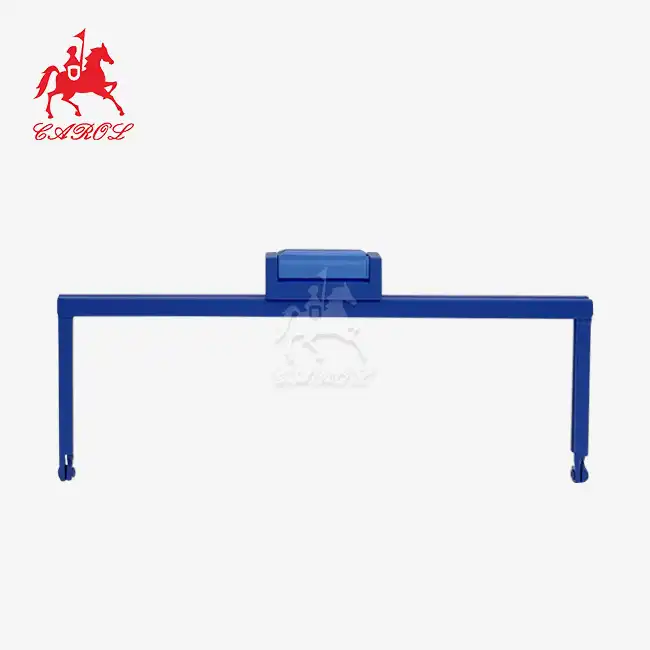
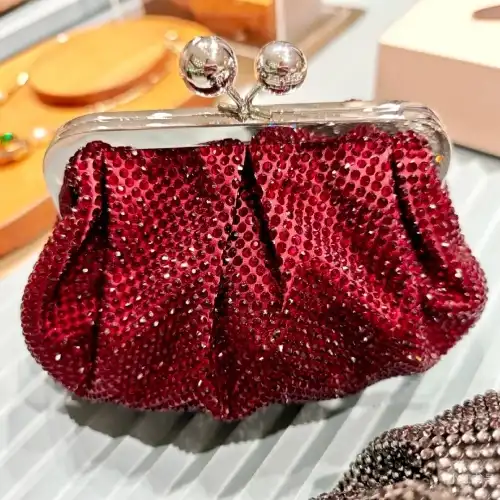
There are three types of business frames that are sold as "silver": real sterling silver (which is 92.5% silver), silver-plated base metals (which are usually brass, copper, or iron with a thin silver coating), and silver-tone finishes (which are nickel or chrome plating that looks like silver). This third category is shown by the Candy Bead Silver Purse Frame Kiss Clasp, measuring 20cm x 8cm with NF nickel finishing. Its iron base gives it strength, and the nickel-free electroplating makes it look nice and gives it some rust protection. The plastic beads are just for decoration; they don't affect how well the metal frame works.
Environmental Factors Affecting Durability
The humidity, salt exposure, and chemical touch all have a big effect on how fast silver purse frame hardware ages. Coastal areas have higher rust risks because the air is salty, and pollution in cities adds sulfur chemicals that make tarnishing happen faster. The way frames are stored is also important. Frames that are kept in damp stores or shipped without protected packaging will break down faster. When describing material needs and discussing quality promises with sellers, B2B buyers who manage inventory in different climates can benefit from knowing about these factors.
Assessing Anti-Corrosion Performance of Frame Hardware
Comparative Analysis of Metal Options
Gold-plated frames are more resistant to rust, but they cost more. Stainless steel is very durable and doesn't cost too much, but it's heavy and doesn't look good, so it's not the best choice for delicate evening bags. For mid-range items, brass frames with protective lacquer coatings strike a good mix between price and durability. When made with strict quality control, iron-based silver purse frames with good electroplating, like the ones Carol makes in her 4,500㎡ facility, are a cost-effective option. You need to carefully think about how your target market fits in with the trade-offs between material cost, look, weight, and longevity.

Surface Treatment Technologies
When it comes to protecting against rust, rhodium plating is the best. It makes the surface bright and shiny, and it also fights corrosion very well. But because it's more expensive, it can only be used for high-end items. When done correctly, with the right thickness and even spread, standard electroplating methods offer solid security for mass-market uses. Carol's own electroplating plant gives her exact control over the thickness of the coating and the quality of the adhesion, which is not possible when this important process is outsourced. Advanced factories use special testing tools, like tension testing machines and knock testing devices, to make sure the finish is still good before the Products leave the production floor.
Maintenance Requirements for Extended Service Life
Even frames that were made well can benefit from following the right care instructions. When you clean metal surfaces regularly with soft cloths, you get rid of the oils and dirt that build up and trap water against the metal. Don't use rough cleaners because they scratch protecting layers and make ways for corrosion to happen. Putting things away in low-humidity areas with anti-tarnish strips makes them last a lot longer. B2B clients who manage big inventory should set up rotation systems to make sure that older stock gets out before it loses its quality from being stored for too long. These seemingly small actions add up to big differences in how long products last and how satisfied customers are with them.
Selecting the Right Frame Hardware for Your Production Needs
Material Compliance and Certification Standards
RoHS (Restriction of Hazardous Substances) and REACH (Registration, Evaluation, Authorization, and Restriction of Chemicals) rules are becoming more and more important to follow when selling goods in international markets. These rules restrict the amount of heavy metals and dangerous chemicals that can be in consumer goods, especially those sold in North America and Europe. Carol's official certificates, such as ISO9001, SGS, SMETA, and Sedex, show that she meets these standards. When evaluating silver purse frame suppliers, procurement professionals should check the paperwork carefully because materials that don't follow the rules could be rejected at customs, recalled from stores, or damage to the brand's image that is much worse than any initial cost savings from cheaper options.
Evaluating Supplier Capabilities
A dependable supplier shows that they have the ability to do many things. Carol can make 30 million pieces a year, which means she can handle both small test runs and huge big orders without affecting delivery times. Die-casting machines, mold engraving equipment, and precise milling tools are examples of high-tech equipment that can help with quality. They allow for tight limits and regular output. testing equipment shows that you care about quality assurance. Suppliers who handle the whole process, from design to etching, quality control, and packing, reduce the problems and delays that come with multi-vendor supply chains. Customer reviews that talk about "smooth cooperation" and "efficient delivery" are useful third-party confirmations that go beyond marketing promises.
Real-World Applications and Manufacturing Integration
Case Study: Fashion Accessory Durability Enhancement
A medium-sized handbag maker used to get reports from customers whose frames got damaged within six months of buying the bags. Over the next year, return rates dropped 73% after silver purse frames with better nickel-free electroplating from a qualified source were used. Customers were willing to pay 15% more because they could see that the quality had improved, which backed the premium image. This example shows how something as simple as updating gear can have a big effect on brand value and profits.
Design Innovations in Corrosion-Resistant Hardware
Modern frame designs use more than one way to protect your eyes. Candy bead frames have a kiss-lock mechanism with carefully designed ball clasps made from work-hardened materials that don't wear out and keep working smoothly after thousands of rounds. Seam holes along the sides of the frame allow for safe cloth attachment without weakening the structure. Some more advanced versions have drainage lines that keep water from building up at stress points. Carol's ability to customize designs lets clients ask for these kinds of improvements, making unique goods that sell for more while still performing reliably.
Production Best Practices for Maintaining Anti-Rust Integrity
The manufacturing method has a big effect on how long a product lasts. Use lint-free gloves to handle frames so that you don't spread harmful oils to your skin. Use protective layers or coats while storing and transporting. When you want to connect leather or cloth, use adhesives that are safe for metal finishes. Some glues contain acids that break down electroplating. When you sew, you should avoid putting too much mechanical stress on the fabric, which can crack protective layers. Carol's one-stop service model includes technical consultation helping clients optimize assembly procedures, reducing defect rates while improving production efficiency. The 100% manual screening of raw materials and multi-stage quality inspection throughout production exemplifies the thorough approach that is needed to get consistent quality results.
Conclusion
Whether or not silver purse frame hardware doesn't rust relies on the type of material used, how it's treated on the outside, and how well it was made. Pure silver tarnishes instead of rusting, but most commercial frames are made with iron or metal bases that have been electroplated to protect them. When choosing the right hardware, you need to look at a lot of things, such as whether the materials meet international standards, the supplier's licenses and production skills, the cost-to-quality ratio, and how well the hardware will work with your manufacturing processes. Investing in better frame hardware lowers the number of returns, supports premium placement, and improves brand image in the real world. New technologies like nanocoatings and eco-friendly treatments will keep changing performance standards. For long-term success, supply relationships with companies that are dedicated to ongoing growth will become more valuable.
FAQ
What's the difference between rust and tarnish on frame hardware?
Metals that contain iron are more likely to rust because iron oxide turns dark brown when it reacts with air and water. Metals made of silver and copper get tarnish when they combine with sulfur molecules, which makes dark layers on the surface. The bottoms of most "silver" frames are actually iron with plating on top of them. If the covering fails, these frames can rust instead of tarnish.
How often should frames be inspected during storage?
Most of the time, inspecting goods every three months works well. Look for changes in color, rough spots on the surface, or flaky material. Change how often you review based on the storage conditions. Places with a lot of humidity need to be checked every month, while climate-controlled facilities can go up to every six months. Use first-in, first-out cycle to cut down on storage time.
Are nickel-free finishes safe with all fabrics and materials?
Electroplating that doesn't use nickel takes away allergy worries for end users and follows European nickel rules. These finishes are safe for use on leather, synthetic materials, natural fabrics, and colorful beads. Check the adhesive suitability individually, because some glues respond with metal surfaces no matter what kind of coating is on them. When working with new combos, you should ask for material safety data sheets.
Partner with Carol for Premium Purse Frame Solutions
Carol makes certified hardware that doesn't rust using a full manufacturing environment that includes over 100 pieces of specialty equipment and 4,500㎡ of production space. Our in-house electroplating plant makes sure that all 30 million pieces we make every year are of the same high quality. ISO9001, SGS, SMETA, and Sedex certifications show that we follow international standards. The candy bead silver purse frame kiss clasp with NF nickel finishing is a great example of our dedication to longevity and good looks. It can be made in any size, color, or material you want. Whether you need a small sample or a lot of products, we have full control over the whole process, from design to packing, so we can make sure you get what you need quickly and easily. To talk about your needs and get examples, email Tony at tony@carolxiao.com. Find out why makers all over the world choose Carol as their reliable partner for silver purse frame hardware because of her steady quality and strong relationships.
References
- Davis, J.R. (2016). Corrosion: Understanding the Basics. ASM International Materials Engineering Publications.
- Schlesinger, M. and Paunovic, M. (2019). Modern Electroplating. John Wiley & Sons Technical Publications.
- Smith, R.L. (2018). Surface Engineering in Materials Science. Cambridge University Press Applied Sciences Division.
- Thompson, K.E. (2020). Metal Hardware in Fashion Accessories: Quality Standards and Durability. Textile Industry Research Journal, 47(3), 215-234.
- Williams, P. and Chen, L. (2021). Anti-Corrosion Coatings for Consumer Products: Emerging Technologies and Market Applications. International Journal of Materials Processing, 12(2), 89-107.
- Zhang, H. (2022). Supply Chain Quality Management in Hardware Manufacturing: Best Practices for B2B Procurement. Industrial Engineering Quarterly, 38(4), 312-329.