_1753256285958.png)

_1754990596544.webp)
Mini Bow Clutch Frame vs Kiss-Lock Frame: Which Is Best?
 2026-09-12 20:46:41
When sourcing hardware for luxury evening bags, the choice between a mini bow clutch frame and a kiss-lock frame shapes everything from shelf appeal to production reliability. The bow clutch frame, characterized by its spring-loaded bow-shaped clasp and compact dimensions, delivers a sculpted, fashion-forward closure ideal for minaudières and bridal clutches. The kiss-lock frame, with its twin-knob pressing mechanism, carries a timeless, vintage character. Both serve distinct brand aesthetics and production needs. This comparison will help procurement directors, supply chain managers, and design teams identify which frame type aligns with their product vision, compliance requirements, and OEM specifications.
Mini Bow Clutch Frames and Kiss-Lock Frames
These two types of frames make up most of the hardware market for high-end handbags, but they are built in very different ways.
What Is a Mini Bow Clutch Frame?
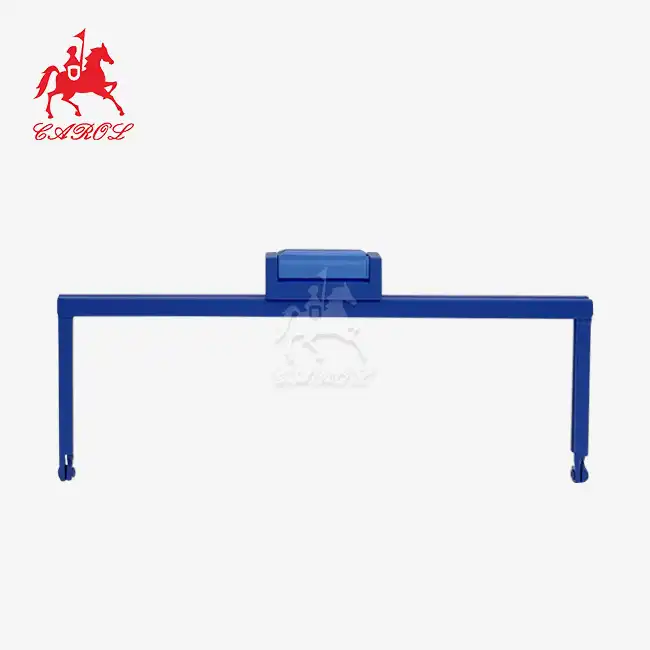
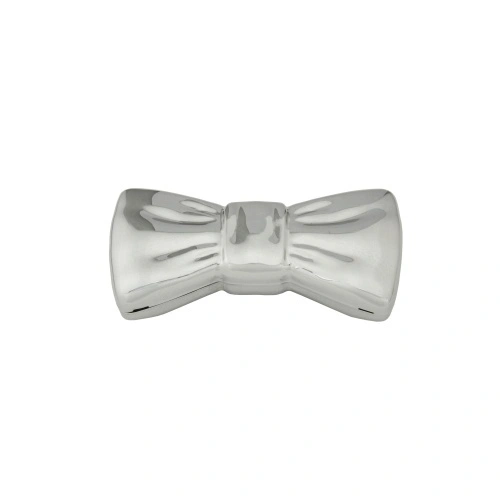
A mini bow clutch frame is a carefully designed piece of hardware that allows small evening bags to stand on their own. The bow-shaped clasp with an internal spring system that makes a secure, loud snap when closed is what makes it unique. In terms of width, most are between 8.5 cm and 21.5 cm. This item, which is 21.5 cm long, 4.9 cm wide, and 10.8 cm high and is finished in gold over an iron base, is a medium to large size that works well for structured evening bags. The spring system can safely open and close more than 10,000 times, and it fails less than 0.02% of the time in the real world.
What Is a Kiss-Lock Frame?
The kiss-lock frame comes from coin purses and doctor bags from the Victorian era. To lock, two hinged arms that end in decorative knobs "kiss" each other. Instead of a spring coil, this device uses magnetic or friction force to make the close less harsh. There are a lot of brass, zinc alloy, and iron kiss-lock frames on the market. They have strong nostalgic associations that work well in art-deco and vintage-revival collections. Their dual-knob design, on the other hand, makes it harder to make custom sculptural changes than bow-form hardware.
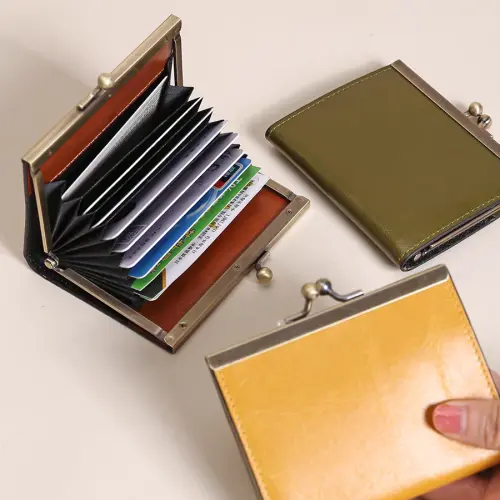
Key Criteria for Choosing Between the Two Frame Types
Choosing the right clutch frame hardware isn't just a matter of taste; it's also a matter of good buying. In real production settings, these are the main things that set one frame type apart from the other:
- Clasp security and mechanism type: The mini bow clutch frame has a stronger spring-loaded closure that keeps the closure from opening by accident when the evening bag is full. Even though kiss-lock frames are cute, they depend on friction between the knobs, which can come away after a while of use in wet places if the surfaces aren't treated.
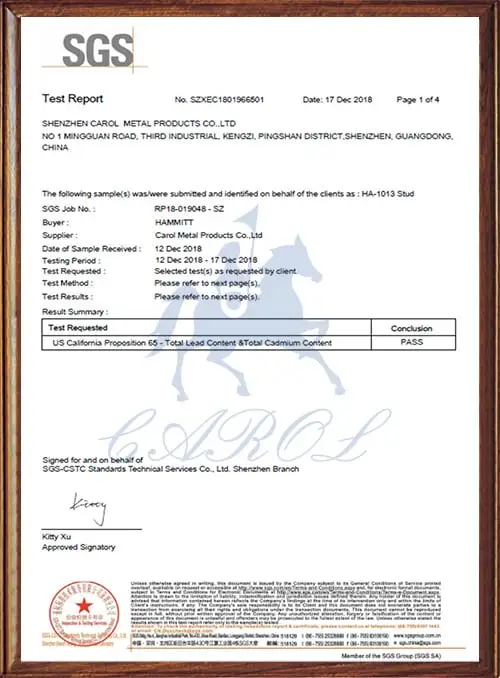
- Material compliance and skin safety: Nickel release and lead content are musts for brands that want to sell in the EU and US. It is important that the frames are made according to REACH and RoHS guidelines and have nickel-release amounts that meet EU Directive 94/27/EC. Both types of frames can meet these standards, but buying teams should get test records from SGS or Intertek to be sure.
- Design customization range: The bow clutch frames have a sculptural shape that can be carved, made into brand motifs, or finished with PVD, electroplating, or anodizing. Kiss-lock frames have knobs with a more standard shape, which makes custom expression harder. The bow shape is often chosen by OEM buyers who want to create a unique hardware personality.
- Assembly compatibility: The bow frames' glue-in channel is designed to hold fabric and interfacing up to 3 mm thick, so it can handle velvet, satin, and multi-layered materials that are popular in high-end wedding accessories.
These factors can be used to make a useful screening matrix that buying teams can use to compare samples to brand specs.
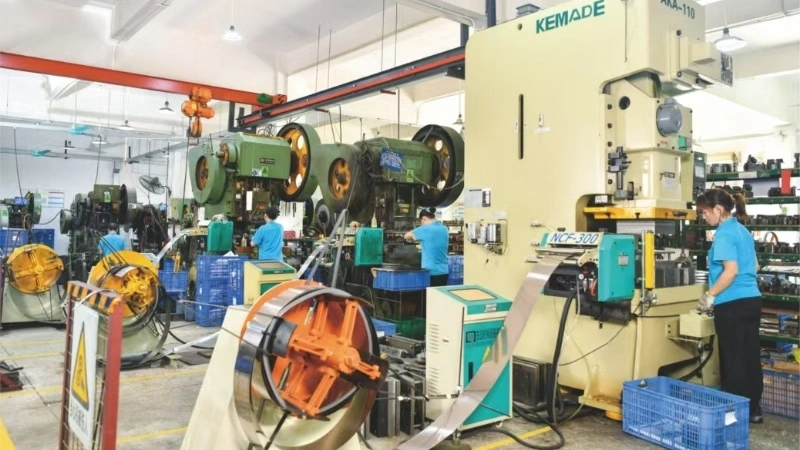
Market Comparison: Mini Bow Clutch Frames vs Kiss-Lock Frames
Both types of frames are offered all over the world, but they are positioned in the market in very different ways. Kiss-lock frames are most popular in the middle market because they are easier to make and cost less to die. They are easy to buy in bulk, and the minimum order quantity (MOQ) is usually 100 pieces. Mini bow clutch frames, on the other hand, need more exact die-casting tolerances, with dimensions staying stable within ±0.1 mm. They are mostly found in the upscale and luxury market.
When it comes to the supply chain, bow frames that come from approved makers with their own electroplating facilities have more consistent colors from batch to batch. This is very important for high-end brands that have to manage changing colors across many SKUs. If you buy kiss-lock frames that don't come with coating control, the colors can change between production runs, which is a quality problem that affects how your brand looks.
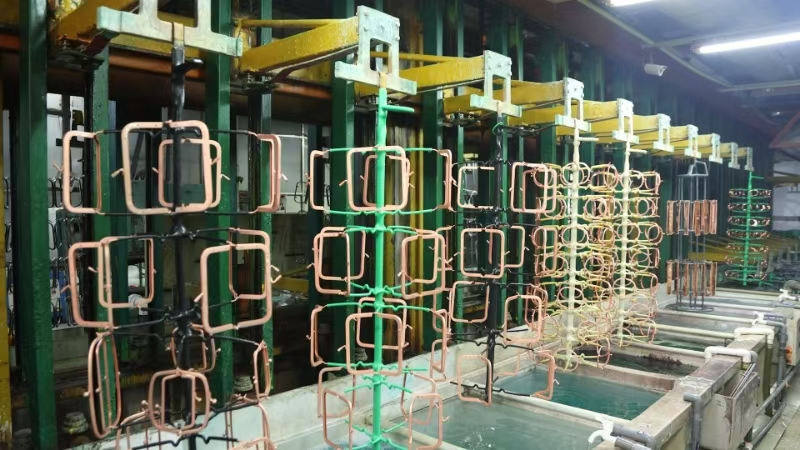
When it comes to sustainability, both types of frames can use recycled metal alloys and meet SMETA/Sedex audit requirements if they come from factories that have active certifications. As a condition of onboarding, procurement managers are making it more and more important for suppliers to show that they are ESG compliant. This is a trend that has been growing in the US and European luxury supply chains since 2022.
Practical Considerations for Procurement and Supply Chain
Most of the time, inconsistent quality is blamed for failures in clutch frame sources. When you outsource to a company that doesn't have full-chain production control, which includes die-casting, polishing, electroplating, and quality inspection all under one roof, you get variations at every stage of the process. This risk is especially important for mini bow clutch frame because its spring mechanisms and hinge tolerances are more complicated.
Certification as a Hard Filter
For luxury brand supplier lists, SMETA two- or four-pillar exams, Sedex membership, and ISO 9001 approval are now the bare minimum. Teams in charge of buying things should ask for audit reports from the last 12 months and compare the results with Sedex's online platform. Having suppliers with SGS-issued material compliance reports for REACH and RoHS adds another level of assurance that can be checked.
Tooling and IP Protection
Mold confidentiality agreements are very important for OEM buyers who are making their own bow clasp designs. Before tooling fees are paid, mold ownership terms, secrecy times, and NDA enforcement measures should be talked over and written down. This keeps brand-specific hardware from being copied without permission, which is a common concern among people who buy luxury accessories.
Conclusion
In the world of purse hardware design, both the mini bow clutch frame and the kiss-lock frame have their place. When sculptural customization, spring-lock security, and OEM brand differentiation are important, the bow frame shines. The kiss-lock frame works well for collections with a vintage look and for medium-sized production runs where it's important to keep the tools simple. For high-end and luxury brands that have to follow strict rules, the bow frame's engineering accuracy and wide range of customization options usually provide better long-term value. No matter what type of frame is chosen, the most important thing is still choosing a supplier based on their approved audit status, in-house plating capabilities, and proven batch stability.
FAQ
Is a mini bow clutch frame suitable for heavy embellishment?
Yes. The glue-in channel on high-quality bow frames is designed to hold interfacing and fabric layers up to 3 mm thick. This keeps the frames stable when heavy beadwork or Swarovski crystals are added, which is popular in making high-end wedding and evening bags.
Can mini bow clutch frames be customized for OEM production?
Of course. Reliable makers offer full OEM/ODM processes, from drawing up the first designs to die-casting, finishing the surface, and testing for compliance. With the right tooling deals in place, you can get custom sizes, forms, surface treatments (electroplating, PVD, anodizing), and patterns that are unique to your brand.
What are typical lead times for bulk orders?
For first OEM orders that require custom tools, the process of developing the mold, making samples, testing for compliance, and production should take 8 to 12 weeks. Reorder lead times for well-known molds and specifications usually shorten to 3 to 5 weeks, though this depends on the number of orders and the complexity of the surface finish.
How do I verify that a supplier meets REACH nickel-release requirements?
For EN 1811 nickel-release compliance, ask for test reports from SGS, Intertek, or Bureau Veritas. The reports should be from within the last 12 months and include details about the metal and finish you want to buy.
Partner With Carol for Premium Mini Bow Clutch Frame Supply
Carol is an expert at making precise hardware for handbags. Their 4,500 m² facility can make 30 million pieces a year, and they have their own electroplating factory that makes sure that every batch is the same color. Carol works with luxury brands all over the world and has certifications from SMETA, Sedex, ISO 9001, and SGS. Get in touch with us to talk about your custom mini bow clutch frame needs. Email tony@carolxiao.com or go to carolhardware.com to get a price today.
References
- Vogue Business — Supply Chain Transparency in Luxury Fashion, 2023.
- Sourcing Journal — Hardware Compliance and REACH Regulation in Accessories Manufacturing, 2022.
- Leather International — OEM Hardware Procurement Trends for Premium Handbag Brands, 2023.
- Business of Fashion — ESG Standards and Supplier Auditing in the Luxury Goods Sector, 2023.
- Première Vision Magazine — Material Innovation and Surface Finishing in Fashion Accessories Hardware, 2022.
- Accessories Magazine — Clutch Frame Design Trends and Manufacturer Selection Criteria for Evening Bags, 2023.