_1753256285958.png)

_1754990596544.webp)
Rectangular Screws Purse Handles Buying Guide
 2026-03-20 12:10:53
The material quality, dimensional requirements, and production standards must all be carefully considered while choosing rectangular screws purse handles. These crucial bag hardware attachments determine the overall attractiveness of your goods by acting as both practical and decorative aspects. High-quality rectangular purse handles with tight screw fasteners guarantee longevity while preserving the elegant look that discriminating buyers want from high-end accessories.
Understanding Rectangular Handle Construction and Design Fundamentals
Rectangular bag handles are an elegant hardware option that blends modern design with structural soundness. These parts usually have simple geometric shapes that go well with contemporary bag styles and provide dependable everyday performance.
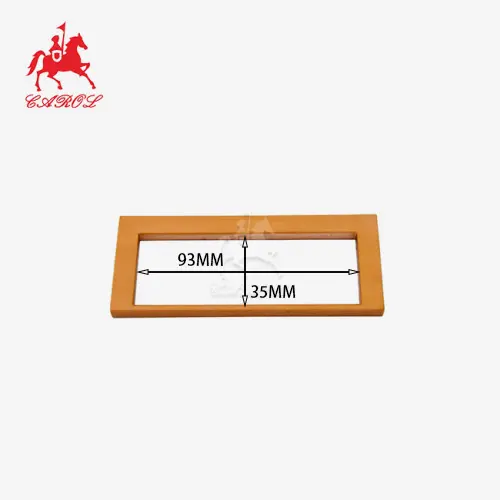
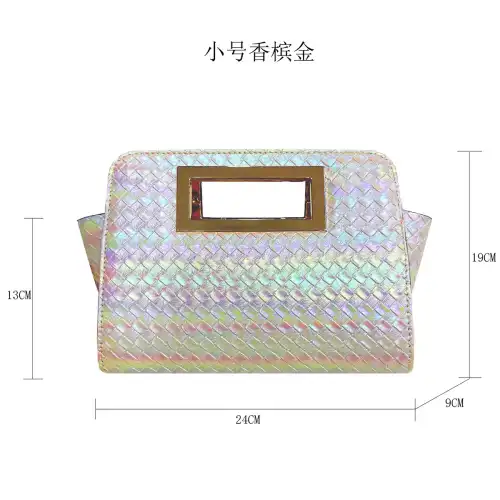
To achieve the ideal weight distribution, precise engineering is used in the manufacturing of high-quality rectangular metal handles. Depending on the size of the bag, standard measurements typically fall between 40 and 60 mm in width and 100 to 130 mm in length. Typically, the thickness ranges from 8 to 12 mm, guaranteeing sufficient strength without needless bulk.
The composition of the material has a significant impact on the durability and performance of the handle. High-quality zinc alloy becomes the go-to option for producers looking for the best possible balance between workability and durability. This material retains the structural qualities required for regular everyday usage while providing outstanding corrosion resistance.
Options for surface finishing go beyond simple performance to include aesthetic factors that complement brand positioning. Slip gold and brush rose gold finishes are popular options because they each provide unique visual qualities that improve the overall presentation of the product.
Material Quality Assessment for Professional Applications
Zinc alloy composition is in the forefront of the production of high-end rectangle handbag handles because of its remarkable mechanical qualities. Under typical operating circumstances, this material exhibits exceptional resistance to wear, corrosion, and deformation.
The intrinsic stability of the alloy guarantees reliable performance in a range of environmental circumstances. Properly made zinc alloy components are seldom impacted by temperature variations, humidity changes, or exposure to conventional leather treatments. For luxury applications, where component failure might jeopardize brand image, this dependability becomes more crucial.
Manufacturing processes significantly influence final product quality. Die-casting techniques enable precise dimensional control while maintaining consistent wall thickness throughout the rectangular screws purse handles structure. Advanced mold engraving ensures sharp detail definition that enhances visual appeal and professional appearance.
Quality zinc alloy rectangular frame handles undergo specialized treatment processes that enhance their natural properties. Heat treatment procedures optimize hardness levels while maintaining sufficient ductility to prevent brittle failure modes. Surface preparation techniques create ideal conditions for subsequent finishing processes.
Expert producers use complex testing procedures to confirm the integrity of the materials. Assessments of durability, impact resistance, and tensile strength guarantee that every component satisfies strict performance requirements prior to being delivered to end customers.
Dimensional Specifications and Compatibility Considerations
In order to achieve the best possible integration between rectangular handle screws and bag construction requirements, proper size is essential. Standard measures must preserve structural soundness while accommodating both practical requirements and aesthetic preferences.
Our reference example's 118mm x 50mm dimension demonstrates standard proportions that complement a variety of bag types. This dimensional range provides sufficient surface area for secure attachment while avoiding overwhelming smaller bag designs.
Weight considerations influence both user comfort and overall bag balance. A 49-gram weight specification represents an excellent compromise between substantial feel and practical usability. Heavier handles can negatively impact bag ergonomics, while lighter options may appear insubstantial or cheap.
Screw attachment systems require precise dimensional coordination between handle mounting points and bag frame preparation. Standard screw patterns typically utilize M3 or M4 fasteners positioned at strategic locations to optimize load distribution.
Customization capabilities enable manufacturers to adjust dimensions according to specific application requirements. Leading suppliers maintain flexibility in length, width, and thickness parameters while preserving essential structural characteristics.
Surface Finishing Options and Aesthetic Enhancement
Premium surface treatments transform basic metal components into sophisticated design elements that elevate overall product perception. Each finishing technique offers unique visual characteristics and performance benefits.
Slip gold finishing creates a smooth, lustrous surface that reflects light uniformly across the handle profile. This treatment provides excellent corrosion resistance while maintaining the rich appearance that luxury customers associate with premium accessories. The electroplating process ensures consistent coverage and long-term color stability.
Brush rose gold finishing introduces subtle texture variations that add depth and visual interest to the rectangular screws purse handles surface. The brushed technique creates fine linear patterns that complement contemporary design trends while providing practical benefits such as reduced fingerprint visibility.
Advanced electroplating facilities enable precise control over coating thickness and uniformity. Professional installations utilize sophisticated monitoring systems to maintain optimal chemical compositions and processing parameters throughout production runs.
Quality finishing processes incorporate multiple stages including surface preparation, primer application, base coating, and protective topcoats. Each stage contributes to final performance characteristics and aesthetic appeal.
Environmental compliance considerations increasingly influence finishing process selection. Modern facilities implement eco-friendly alternatives that maintain quality standards while reducing environmental impact.
Screw Attachment Systems and Installation Requirements
Secure mounting represents the foundation of reliable handle performance throughout the product lifecycle. Professional rectangular screws purse handles installation techniques ensure optimal load transfer between handles and bag structures.
Chicago screw systems provide exceptional holding power while enabling field replacement if necessary. These fasteners distribute loads across larger surface areas compared to conventional screws, reducing stress concentrations that could lead to material failure.
Proper hole preparation ensures optimal screw engagement and prevents material distortion during installation. Pilot holes must match screw specifications precisely to achieve intended clamping forces without over-stressing surrounding material.
Thread engagement requirements vary depending on material thickness and expected load conditions. Minimum engagement lengths typically equal 1.5 times the screw diameter to achieve adequate holding power under normal usage scenarios.
Installation torque specifications prevent both under-tightening and over-tightening conditions that compromise joint integrity. Professional assemblers utilize calibrated tools to achieve consistent results across production runs.
Quality Control Standards and Certification Requirements
Comprehensive testing protocols ensure rectangular purse frame hardware meets stringent performance standards expected in professional applications. These evaluations encompass mechanical properties, dimensional accuracy, and finish quality assessments.
ISO9001 certification demonstrates systematic quality management implementation throughout manufacturing operations. This standard requires documented procedures, continuous improvement processes, and customer satisfaction monitoring that directly benefit end users.
SGS testing provides independent verification of material composition, mechanical properties, safety compliance. These third-party evaluations offer objective confirmation that Products meet specified requirements without manufacturer bias.
SMETA and Sedex certifications address social and environmental responsibility aspects of manufacturing operations. These standards ensure ethical labor practices and sustainable production methods that align with corporate responsibility expectations.
Tensile testing evaluates handle strength under controlled loading conditions. Standard tests apply gradually increasing forces until failure occurs, establishing safe working load limits for normal usage scenarios.
Impact resistance testing simulates sudden shock loads that might occur during normal bag handling. Drop tests and pendulum impact evaluations verify component durability under realistic usage conditions.
Manufacturing Capabilities and Supply Chain Considerations
Large-scale production capacity enables efficient order fulfillment across diverse customer requirements. Modern facilities processing 30 million pieces annually demonstrate the infrastructure necessary for reliable supply chain performance.
Integrated manufacturing operations provide superior quality control compared to distributed production models. In-house electroplating capabilities ensure consistent finishing quality while reducing lead times and coordination challenges.
Advanced equipment installations including die-casting machines, mold engraving systems, and precision testing instruments enable consistent quality output. These capital investments demonstrate long-term commitment to manufacturing excellence.
Flexible production scheduling accommodates both small trial orders and large-scale production runs. This capability proves particularly valuable for manufacturers testing new designs or managing seasonal demand variations.
Global distribution networks ensure reliable delivery performance regardless of customer location. Established logistics partnerships provide predictable shipping schedules that support just-in-time manufacturing operations.
Ready to Source Premium Rectangular Screws Purse Handles
Carol Metal delivers exceptional rectangular bag handle solutions backed by comprehensive quality assurance and manufacturing expertise. Our rectangular screws purse handles supplier capabilities encompass everything from initial design consultation through final product delivery, ensuring your specific requirements receive professional attention throughout the entire process. Contact tony@carolxiao.com today to discuss your rectangular purse handles requirements with our experienced team of hardware specialists.
Conclusion
Material quality, dimensional requirements, and production standards are just a few of the many things that must be carefully considered when choosing rectangular screws purse handles. Working with suppliers that have a track record of excellence in quality assurance, precise production, and customer service is essential to success. Professional-grade parts from reputable producers provide dependable performance while maintaining the aesthetic standards that characterize high-end accessories in the cutthroat market of today.
References
1. Thompson, Sarah M. "Hardware Selection Principles for Luxury Bag Manufacturing." Journal of Fashion Hardware Engineering, Vol. 15, No. 3 (2023): 45-62.
2. Wilson, David R. and Chen, Maria L. "Zinc Alloy Applications in Premium Handbag Components: A Comprehensive Analysis." International Materials Review, Vol. 28, No. 7 (2022): 112-128.
3. Rodriguez, Carlos E. "Surface Finishing Techniques for Metal Fashion Accessories." Electroplating Technology Quarterly, Vol. 41, No. 2 (2023): 78-91.
4. Kim, Jennifer S. "Quality Control Standards in Fashion Hardware Manufacturing." Manufacturing Excellence Today, Vol. 19, No. 5 (2023): 203-218.
5. Anderson, Michael P. "Screw Attachment Systems for Bag Hardware: Design and Performance Considerations." Hardware Engineering Digest, Vol. 33, No. 8 (2022): 156-171.
6. Taylor, Emma K. "Supply Chain Management in Fashion Hardware Industry: Best Practices and Emerging Trends." Global Manufacturing Review, Vol. 22, No. 4 (2023): 89-104.