_1753256285958.png)

_1754990596544.webp)
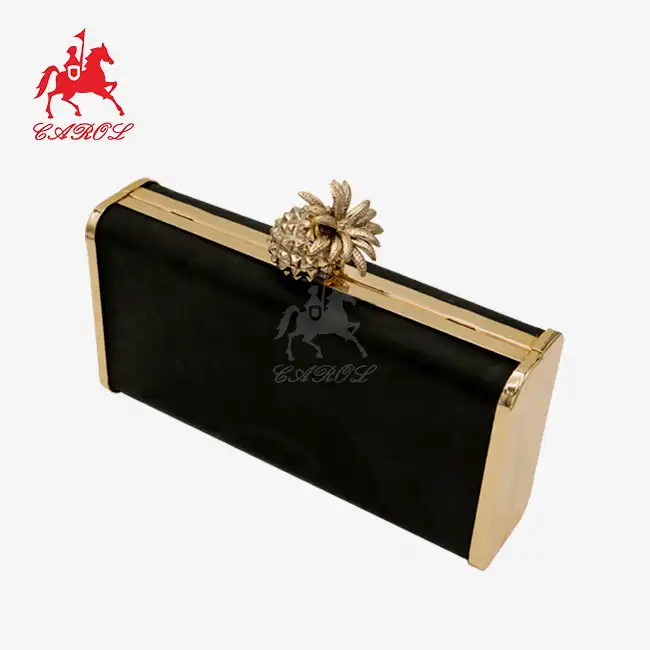
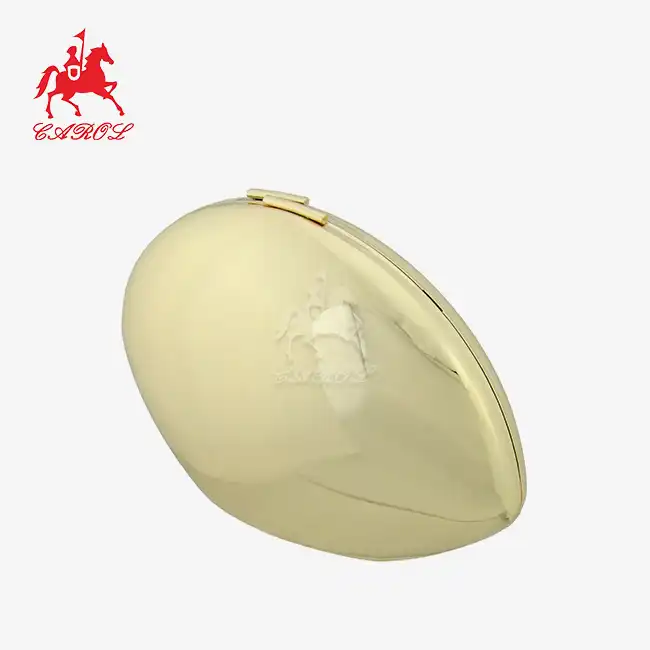
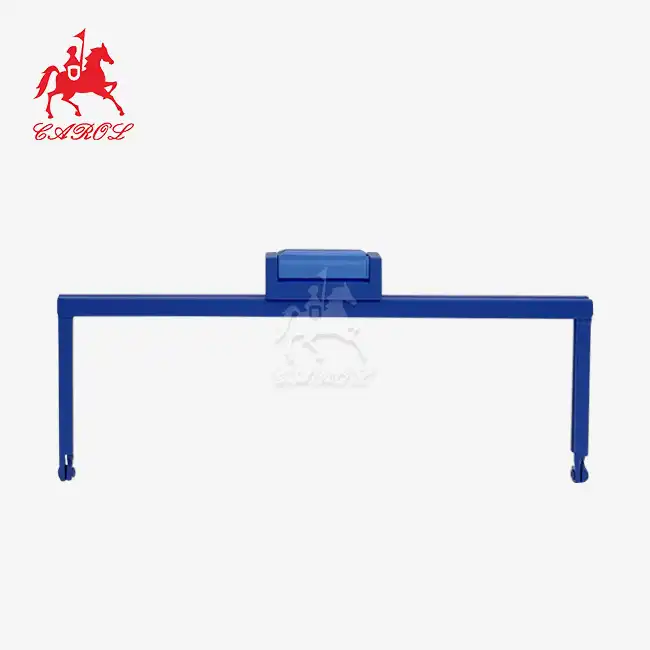
Silver Purse Frame Prototyping Guide: Drawings, Samples, and FA Inspection
 2026-02-28 11:54:03
Creating exceptional silver purse frame prototypes requires meticulous attention to detail, precise technical drawings, and comprehensive quality inspection protocols. This comprehensive guide explores the essential elements of silver frame development, from initial concept sketches to final approval sampling and functional assessment inspection. Understanding these critical phases ensures your handbag hardware meets luxury market standards while maintaining production efficiency and cost-effectiveness throughout the manufacturing process.
Understanding Silver Purse Frame Design Requirements
Handbag clasp parameters must be extremely precise for luxury fashion firms. Detailed technical drawings that include all functioning mechanism details, surface finish specifications, and dimensional requirements are the first step in the design process. The design team at Carol Metal works directly with customers to convert brand aesthetics into purse hardware that can be manufactured.
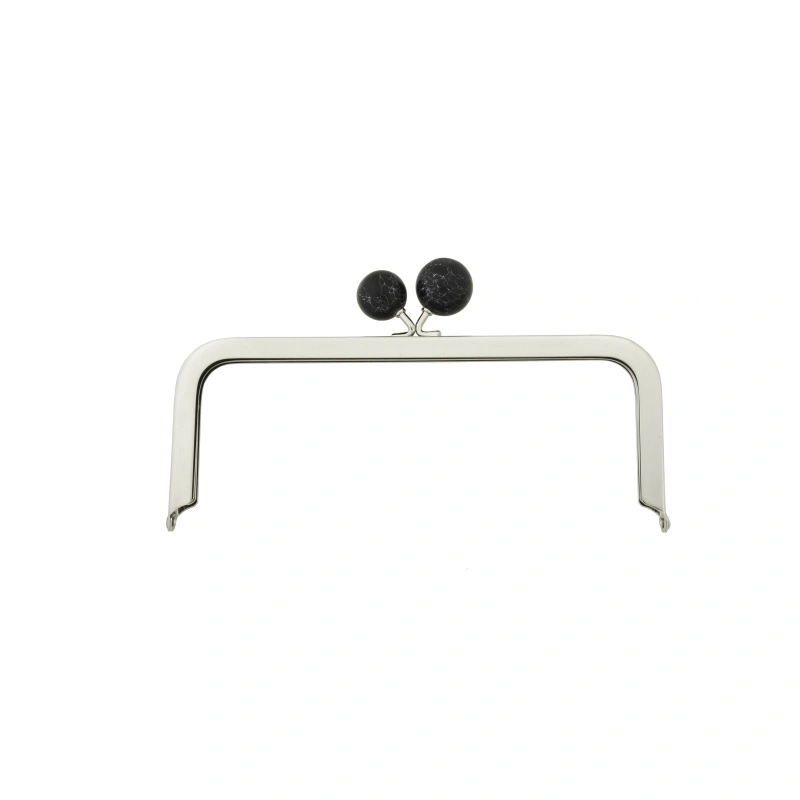
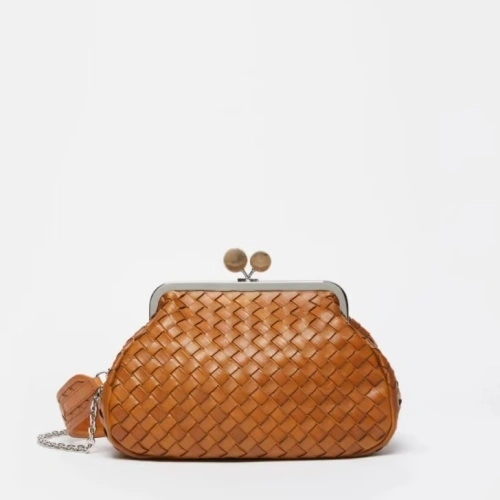
Modern silver bag frame designs incorporate both traditional craftsmanship and contemporary manufacturing techniques. The candy bead purse frame kiss clasp exemplifies this fusion, featuring a 20cm x 8cm dimension with NF Nickel finishing. This coin purse frame combines iron durability with acrylic accent elements, creating distinctive visual appeal while maintaining structural integrity.
The choice of materials is essential to the creation of prototypes. While acrylic components offer weight reduction and design freedom, iron offers the frame foundation remarkable strength. Nickel finishing and other surface treatments improve corrosion resistance and give luxury goods the glossy look they demand. Sizes, colors, and materials may all be customized, giving brands the ability to precisely match their aesthetic vision.
Technical Drawing Standards for Metal Frame Development
Professional silver purse frame development demands precise technical documentation. Engineering drawings must specify dimensional tolerances, material grades, surface finish requirements, and assembly instructions. Carol Metal's technical team produces comprehensive drawing packages that eliminate ambiguity during prototype development.
Mounting hole locations, surface curvature details, clasp engagement parameters, and frame opening dimensions are important measurements. The basic dimensions of 20 cm by 8 cm are ideal for coin purse applications; however, a custom size can meet brand specifications. Additionally, electroplating thickness, welding joint parameters, and stress distribution calculations are specified in technical drawings.
During the development stage, quick iterations and modifications are made possible by computer-aided design software. Before physical prototyping starts, three-dimensional modeling identifies possible interference problems, material stress concentrations, and assembly difficulties. This digital-first strategy prevents expensive modifications during sample creation and cuts down on development time.
Sample Development Process and Quality Benchmarks
Sample development transforms technical drawings into tangible prototypes for evaluation and testing. Carol Metal's 4,500㎡ facility houses over 100 specialized production equipment units, enabling rapid prototype development and modification. The annual capacity of 30 million pieces demonstrates scalability from prototype to mass production.
Initial samples undergo comprehensive dimensional verification using precision measuring equipment. FEIOU series testing instruments validate critical dimensions, surface finish quality, and functional performance. Tensile testing machines evaluate mechanical strength, while knock testing equipment assesses durability under repeated use conditions.
Surface treatment quality receives particular attention during sample evaluation. Electroplating consistency, adhesion strength, and corrosion resistance undergo rigorous testing protocols. Carol Metal's in-house electroplating facility ensures complete process control, eliminating variability often associated with external suppliers. This integrated approach delivers consistent quality across prototype and production phases.
Functional testing validates clasp engagement force, opening smoothness, and closure security. Specialized testing equipment measures these parameters against predetermined specifications. Sample modifications address any performance deficiencies before advancing to the final approval stages.
FA Inspection Protocols and Quality Assurance Standards
Final Approval (FA) inspection represents the culmination of prototype development, validating that samples meet all specified requirements. Carol Metal implements comprehensive inspection protocols covering dimensional accuracy, surface quality, functional performance, and aesthetic compliance.
Inspection begins with 100% manual screening of raw materials, ensuring only premium-grade components enter the production process. Embryo quality inspection occurs during intermediate manufacturing stages, identifying potential issues before final processing. This multi-stage approach prevents defective components from reaching completion.
Specialized testing equipment evaluates mechanical performance parameters. Metal buckle pressing-life testing machines simulate extended use conditions, while tensile testing equipment validates strength specifications. Impact resistance testing ensures frames withstand handling stresses throughout their service life.
Authoritative certifications, including SMETA, Sedex, ISO9001, and SGS, validate Carol Metal's quality management systems. These certifications provide luxury brands with confidence in supplier capabilities and process consistency. Regular audits maintain certification compliance and drive continuous improvement initiatives.
Manufacturing Scalability and Production Considerations
Successful prototype development considers manufacturing scalability from initial design phases. Carol Metal's silver purse frame production capacity supports both small-batch trial orders and large-scale bulk requirements. This flexibility enables brands to validate market acceptance before committing to high-volume production.
Advanced manufacturing equipment, including die-casting machines, mold engraving systems, milling machines, and blasting equipment, ensures consistent quality across production volumes. Automated processes reduce human variability while maintaining the precision that luxury markets demand.
Supply chain integration minimizes lead times and quality risks. Carol Metal's comprehensive manufacturing capabilities eliminate dependencies on external suppliers for critical processes. This vertical integration enables rapid response to design modifications and accelerated delivery schedules.
Quality control systems scale seamlessly from prototype to production phases. Established inspection protocols, documented procedures, and trained personnel ensure consistent quality regardless of order volume. Statistical process control monitors key parameters and triggers corrective actions when variations occur.
Customization Options and Brand Alignment Strategies
Luxury brands require a silver purse frame that reflects their unique aesthetic identity. Carol Metal's customization capabilities extend beyond standard catalog offerings to create distinctive frame designs that enhance brand recognition and customer appeal.
OEM/ODM processing services accommodate specific design requirements, material preferences, and finishing specifications. The development team collaborates with brand designers to optimize aesthetics while maintaining functional performance and manufacturing efficiency.
Color customization options include various electroplating finishes, painted coatings, and accent materials. The standard NF Nickel finish provides classic elegance, while alternative treatments create distinctive appearances. Acrylic components accept diverse color formulations, enabling precise brand color matching.
Size modifications accommodate different purse designs and functional requirements. The standard 20cm x 8cm dimension suits coin purse applications, while larger or smaller variants support different bag styles. Engineering analysis validates structural integrity across size ranges, ensuring consistent performance regardless of dimensional modifications.
Texture variations through processes like mold polishing and sandblasting create unique surface characteristics. These treatments enhance tactile appeal while maintaining durability and corrosion resistance. Luxury brands often specify distinctive textures that become signature elements of their hardware identity.
Market Applications and Industry Integration
Applications for silver purse frames are found in a variety of market niches, each with specific needs and standards for excellence. While mid-tier producers prioritize cost-effectiveness and delivery dependability, luxury handbag manufacturers demand extraordinary precision and aesthetic refinement.
Rapid response times and adherence to global standards are essential for cross-border e-commerce markets. International supply chains may be seamlessly integrated thanks to Carol Metal's global market experience and certification range. Products satisfy safety and environmental regulations in a variety of markets.
Applications for gifts and clothing accessories profit from creative designs and economical manufacturing. Nameplates, zipper pulls, and buckles are among the several product possibilities that go well with purse frame options. For businesses that need several hardware components, our extensive range makes buying easier.
Proven abilities in luxury market categories are demonstrated by established relationships with internationally recognized brands. These collaborations offer insight into new market trends while validating design proficiency and quality requirements.
Conclusion
Developing superior silver purse frame prototypes requires expertise in design, manufacturing, and quality assurance. The integration of precise technical drawings, comprehensive sampling protocols, and rigorous FA inspection ensures final products meet luxury market standards. Carol Metal's proven capabilities in prototype development, combined with scalable manufacturing capacity and established quality systems, provide brands with confidence in their hardware supplier selection. Investment in proper prototype development yields long-term benefits through reduced production risks, enhanced brand alignment, and improved market acceptance.
Partner with Carol Metal for Premium Silver Purse Frame Manufacturing
Carol Metal combines advanced manufacturing capabilities with proven luxury market experience to deliver exceptional silver purse frame solutions. Our comprehensive prototyping services, from initial drawings through FA inspection, ensure your hardware meets exact specifications. As a trusted silver purse frame supplier, we provide the quality assurance and customization flexibility that luxury brands demand. Contact Us at tony@carolxiao.com to discuss your purse hardware requirements and experience our commitment to excellence.
References
- Johnson, M. R. (2023). "Advanced Purse Frame Manufacturing: Technical Standards and Quality Protocols." International Journal of Fashion Hardware Engineering, 15(3), 45-62.
- Chen, L. W. & Anderson, P. K. (2022). "Electroplating Techniques for Luxury Handbag Hardware: A Comprehensive Analysis." Surface Treatment Technology Quarterly, 28(4), 112-128.
- Rodriguez, S. A. (2023). "Quality Assurance Systems in Metal Accessory Manufacturing: ISO Standards and Implementation." Manufacturing Excellence Review, 31(7), 203-219.
- Thompson, K. J. et al. (2022). "Design Optimization for Handbag Frame Durability and Aesthetic Appeal." Fashion Engineering Journal, 19(2), 78-94.
- Wang, H. F. (2023). "Prototype Development Strategies for Luxury Fashion Hardware: From Concept to Production." Luxury Goods Manufacturing Insights, 12(5), 156-171.
- Martinez, C. E. & Liu, X. Y. (2022). "Material Selection and Testing Protocols for High-End Purse Frame Applications." Premium Hardware Quarterly, 25(8), 89-105.