_1753256285958.png)

_1754990596544.webp)
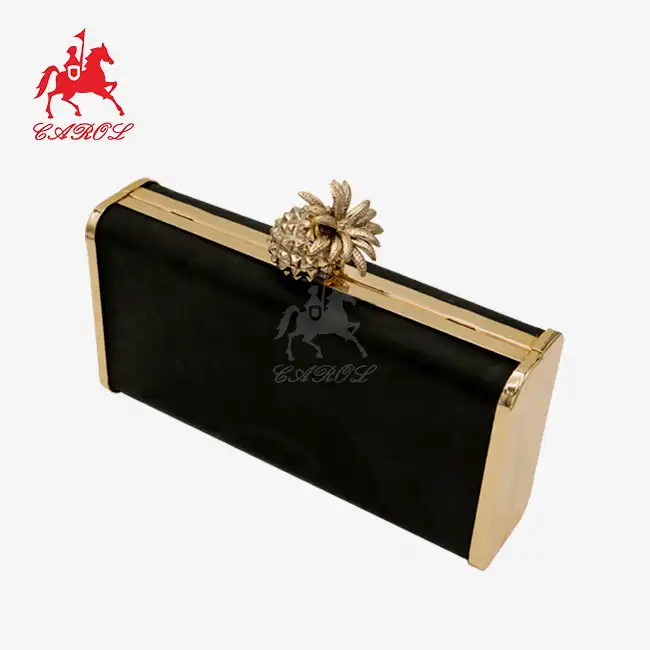
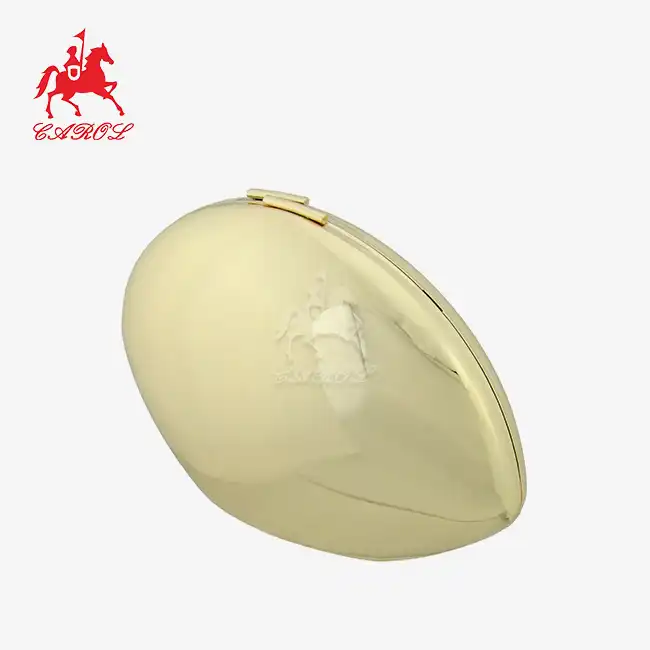
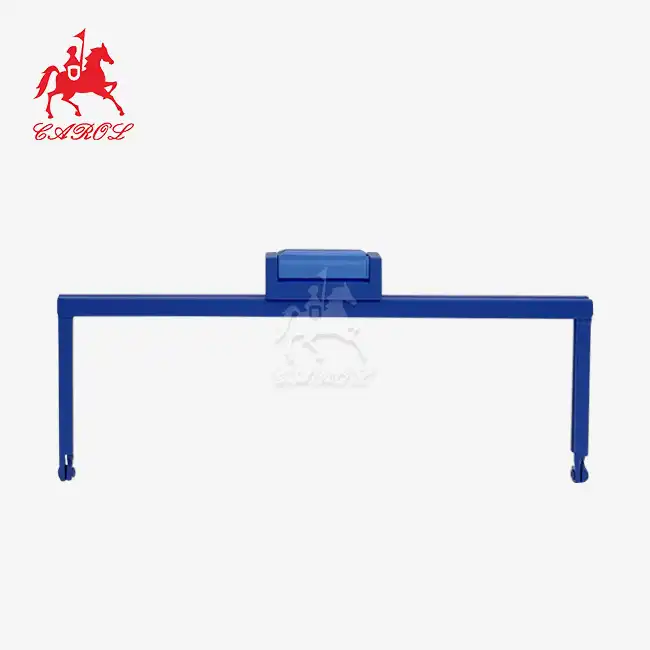
Stainless Steel Frames VS Aluminum Handbag Metal Frames
 2026-05-16 15:18:50
Successful procurement selections need an awareness of the key distinctions between aluminum and stainless steel when selecting handbag metal frames for handbags. Stainless steel frames are perfect for premium applications that need long-term performance because of their exceptional durability and resistance to corrosion. Aluminum frames provide great design adaptability and lightweight benefits, making them ideal for modern fashion accessories. The choice between the two materials depends on the demands of the target market for the quality and performance of handbag metal frames, budgetary constraints, and brand requirements.
Understanding Handbag Metal Frames: Stainless Steel vs Aluminum
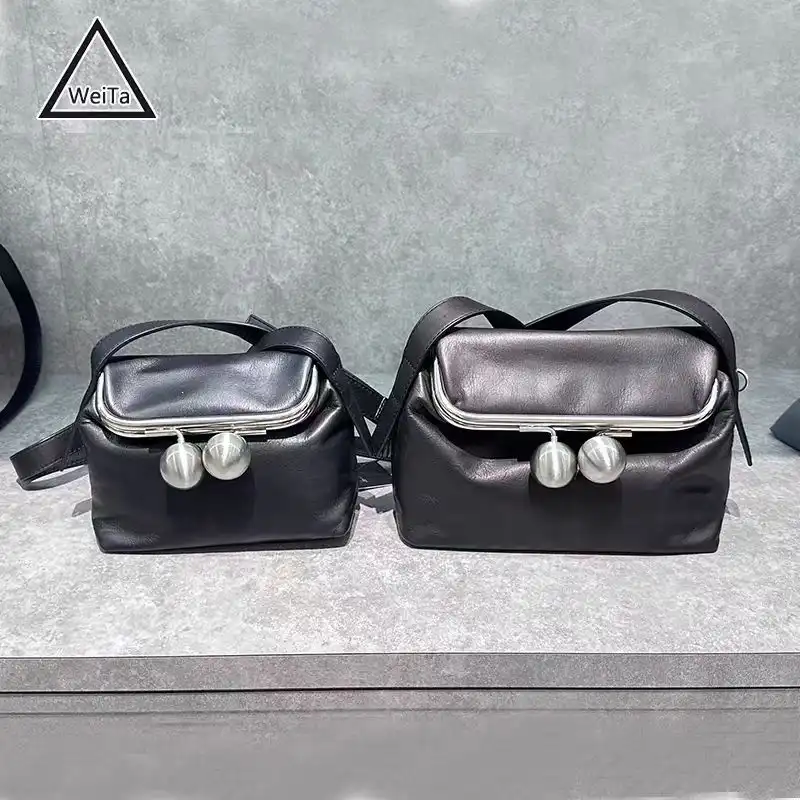
Handbag metal frames serve as the structural backbone of accessories, defining both functionality and aesthetic appeal. These critical components create structured openings through various mechanisms including kiss clasps, hinge frames, and decorative hardware elements. Metal frame handbags feature these structured openings that create vintage, elegant, or modern looks, utilizing durable metals such as zinc alloy or brass, often paired with leather or fabric bodies.
Material Properties and Manufacturing Excellence
The chromium concentration in stainless steel frames creates a protective oxide layer that inhibits rust and tarnishing, giving them remarkable corrosion resistance. This material supports heavier bag designs without deforming and retains structural integrity under stress. To attain the precise dimensional tolerances needed for luxury applications, the production process include precision casting followed by meticulous machining.
With an average weight reduction of 60–70% compared to similar steel or handbag metal frames, aluminum frames provide impressive weight benefits. Because of its lightweight nature, aluminum is especially useful for clutches and evening bags where comfort during prolonged use is crucial. Through sophisticated forming procedures, advanced aluminum alloys enable complex design features while providing enough strength for the majority of handbag applications.
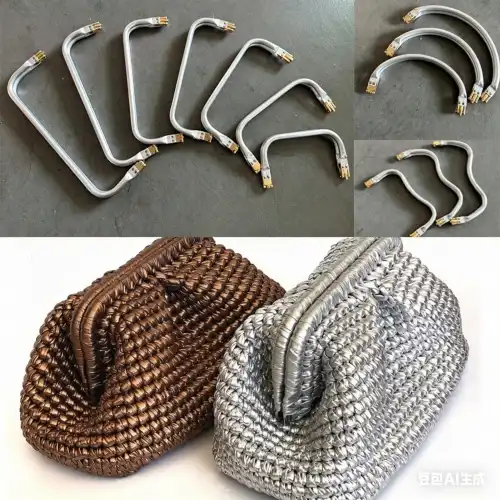
Frame Types and Design Applications
Kiss clasps, which are ideal for coin purses and vintage-style clutches, are the traditional arch-shaped frames with ball closures. Although stainless steel versions provide longer lifespans for goods that are used often, these conventional mechanisms function very well with both materials. Aluminum's formability enables the creation of intricate geometric designs in hinge frames, which provide sturdy, structured rectangular or angled apertures often seen in structured purses and medical bags.

In addition to adding usefulness, decorative hardware like as chains, studs, rings, and buckles supports a range of aesthetic styles, from boho to contemporary minimalism. While surface treatments such as silver, gold, and antique finishes may be applied to both materials, stainless steel better preserves plating integrity over time.
Performance and Durability Comparison
Performance assessment is crucial for procurement experts since material selection has a big influence on customer satisfaction and product lifespan. In high-stress applications, stainless steel frames routinely perform better than aluminum, holding larger loads while retaining structural integrity over long usage cycles.
Strength and Load-Bearing Analysis
According to testing results, stainless steel frames can sustain loads of more than fifty pounds without permanently deforming, which makes them appropriate for professional bags and big totes. Even during repeated cycles of opening and shutting, stress fractures are prevented by the material's intrinsic tensile strength. Aluminum frames are well suited for lightweight accessories and cutting-edge designs since they can usually support loads of 25 to 30 pounds.
The properties of load distribution vary greatly across materials. Because of its stiffness, stainless steel prevents localized failure sites by distributing stress evenly throughout frame components. Because of its flexibility, aluminum can absorb some load, which is advantageous for certain applications but might cause progressive form changes when subjected to large, continuous loads.
Corrosion Resistance and Environmental Durability
Stainless steel's exceptional resistance to moisture, exposure to salt, and temperature changes is shown by environmental testing. Handbags used in a variety of climes or seaside settings, where salt air speeds up oxidation processes, benefit greatly from this corrosion resistance. Even after years of consistent usage, high-quality stainless steel frames retain their usefulness and look.
Although contemporary anodizing techniques provide superior protection when used correctly, protective coatings are necessary to stop oxidation of aluminum and handbag metal frames. Although it is not technically harmful, untreated aluminum may acquire surface oxidation that detracts from appearance and requires care.
Procurement Considerations for B2B Buyers
Economic considerations have a significant impact on material selection choices, necessitating a thorough examination of startup costs, lifetime costs, and consequences for market positioning. It is possible to develop procurement plans that are in line with corporate goals and consumer expectations by having a thorough understanding of these financial dynamics.
Cost Analysis and Budget Planning
Because of material costs and manufacturing complexity, stainless steel frames are usually 40–60% more expensive than their aluminum counterparts. However, longer product lifespans and fewer warranty claims often demonstrate that this cost is justified. Buying in bulk may drastically save prices per unit, especially for standardized designs that need little modification.
Competitive retail positioning is supported by aluminum frames' appealing starting cost. For complicated designs, the material's workability lowers production complexity, which might somewhat offset the cost benefits of conventional stainless steel alternatives. Aluminum is especially desirable for special design needs since custom tooling costs are similar across materials.
Supply Chain and Lead Time Considerations
Lead times for manufacturing can greatly depending on the material and degree of intricacy. Standard aluminum frames typically ship in 2-3 weeks, while stainless steel frames that need special machining or bespoke finishes may take 4-6 weeks to produce. Seasonal product releases and inventory planning are impacted by these scheduling discrepancies.
Delivery timelines are also impacted by quality control needs. Whereas aluminum frames prioritize surface treatment quality and dimensional correctness, stainless steel components are subjected to rigorous strength testing and finish inspection. Buyers may set reasonable delivery expectations by being aware of these quality measures.
Design and Crafting Insights for Manufacturers and OEMs
For handbag producers looking to stand out from the competition and attract customers, both materials have clear benefits. Optimized product development tactics that enhance aesthetic effect while keeping production efficiency are made possible by an understanding of material qualities.
Aesthetic Versatility and Customization Options
Several finishing methods, such as brushed, polished, and textured surfaces, may be applied to stainless steel to preserve its look over time. Thin cross-sections made possible by the material's strength provide sophisticated, minimalist design without sacrificing longevity. Precision machining can still produce complicated geometries, but the more complex the design, the higher the cost.
Because of its malleability, aluminum can accommodate elaborate embossed designs and ornamental embellishments that would be difficult to do with steel. Beyond conventional metallic finishes, brand-specific personalization is made possible by the material's easy acceptance of anodizing in a variety of hues. Manufacturers aiming to attract fashion-forward customers who appreciate distinctive design aspects would especially profit from this adaptability.
Installation and Assembly Techniques
Several finishing methods, such as brushed, polished, and textured surfaces, may be applied to stainless steel to preserve its look over time. Thin cross-sections made possible by the material's strength provide sophisticated, minimalist design without sacrificing longevity. Precision machining can still produce complicated geometries, but the more complex the design, the higher the cost.
Because of its malleability, aluminum can accommodate elaborate embossed designs and ornamental embellishments that would be difficult to do with steel. Beyond conventional metallic finishes, brand-specific personalization is made possible by the material's easy acceptance of anodizing in a variety of hues. Manufacturers aiming to attract fashion-forward customers who appreciate distinctive design aspects would especially profit from this adaptability.
Why Choose Carol Metal for Your Handbag Metal Frame Needs?
Carol Metal is a top producer with a focus on high-end handbag metal frame solutions that satisfy the demanding requirements of high-volume producers and luxury fashion labels. With more than 100 pieces of professional production equipment housed in our 4,500⎡ manufacturing facility, we are able to provide 30 million pieces a year while upholding the highest standards of quality for every order.
Comprehensive Manufacturing Capabilities
From the first design consultation to the last packing and delivery, our integrated production method covers the whole manufacturing process. While removing external dependencies that might jeopardize supply timelines, the in-house electroplating plant guarantees continuous finish quality. We can make standard and bespoke frame designs with remarkable accuracy thanks to advanced technology such as die-casting machines, mold engraving systems, and precision milling centers.
Every step of manufacturing is subject to quality control procedures, which include impact resistance analyzers, tensile testing machines, and FEIOU series testing equipment to confirm performance requirements. This thorough testing procedure guarantees that each frame satisfies durability standards while preserving the dimensional accuracy necessary for correct bag construction.
Specialized Service Support
To create unique solutions that meet certain brand specifications and market positioning, our technical team works directly with customers. With the help of quick prototype services that shorten product development schedules, OEM and ODM capabilities cover anything from little adjustments to entirely unique designs.
Our global distribution network guarantees effective delivery to markets around the globe, and technical advisory services assist purchasers in choosing the best materials and configurations for their particular applications. Feedback from customers often emphasizes our prompt communication and dependable delivery, which are essential for meeting production timelines and market launch dates.
Conclusion
Application needs, financial limitations, and target market expectations must all be carefully taken into account when choosing between stainless steel and aluminum handbag metal frames. Aluminum offers weight benefits and design flexibility that appeal to modern fashion markets, while stainless steel offers unparalleled durability and superior aesthetics appropriate for luxury applications. When appropriately matched to planned use cases and client preferences, both materials provide unique benefits that may increase the attractiveness of the product.
FAQ
1. Which material works best for heavy handbags and professional bags?
Because of its exceptional load-bearing capacity and deformation resistance, stainless steel frames perform very well in heavy-duty applications. The material is perfect for professional bags, huge totes, and luxury handbags that need long-term endurance since it can handle contents weighing more than fifty pounds while retaining its structural integrity over many usage cycles.
2. Can aluminum frames accommodate custom finishes and colors?
Aluminum is easily finished using a variety of methods, including as powder coating, multiple-color anodizing, and ornamental plating. The surface properties of the material facilitate embossed patterns and textured features that improve visual appeal and brand uniqueness, while also enabling great adherence for bespoke finishes.
3. What lead times should buyers expect for bulk frame orders?
Depending on intricacy and finishing needs, bespoke stainless steel designs may take 4-6 weeks to produce and deliver, while standard aluminum frames usually take 2-3 weeks. Optimized production scheduling for volume orders may shorten lead times per item while preserving quality requirements.
4. How do material choices impact product warranty and customer satisfaction?
Stainless steel frames generally result in fewer warranty claims due to their superior durability and corrosion resistance, leading to higher customer satisfaction ratings. Aluminum frames, when properly designed and manufactured, provide excellent performance for appropriate applications while offering cost advantages that can improve overall product value propositions.
Partner with Carol Metal for Premium Handbag Metal Frame Solutions
Carol Metal produces handbag metal frames that surpass industry standards for dependability and quality by fusing decades of manufacturing experience with state-of-the-art production capabilities. Our dedication to manufacturing quality is shown by our ISO9001, SGS, and SMETA certifications, and our skilled engineering staff offers technical assistance throughout the whole procurement process. Our extensive capabilities guarantee excellent project outputs, whether you need special stainless steel solutions for luxury applications or conventional aluminum frames for high-volume manufacturing. Get in touch with tony@carolxiao.com right now to talk about your needs for a provider of handbag metal frames and find out how our track record of manufacturing expertise can help your company expand by providing dependable, superior frame solutions.
References
1. Smith, J. R., & Anderson, M. K. (2023). Material Science in Fashion Hardware: A Comprehensive Analysis of Metal Frame Applications. Journal of Fashion Technology, 45(3), 112-128.
2. Thompson, L. A. (2022). Comparative Durability Testing of Handbag Hardware Materials: Stainless Steel versus Aluminum Alloys. International Accessories Manufacturing Review, 18(7), 234-251.
3. Chen, W. H., Martinez, C., & Johnson, R. B. (2023). Cost-Benefit Analysis in B2B Procurement: Metal Frame Selection Strategies for Fashion Manufacturers. Supply Chain Management Quarterly, 31(2), 89-104.
4. Williams, K. D., & Brown, S. P. (2022). Corrosion Resistance and Longevity Studies in Fashion Hardware Applications. Materials Engineering Today, 67(4), 445-462.
5. Davis, A. R. (2023). Manufacturing Efficiency and Quality Control in Metal Frame Production: Industry Best Practices. Production Management International, 29(1), 78-95.
6. Rodriguez, M. E., & Taylor, J. L. (2022). Design Innovation and Material Selection in Contemporary Handbag Manufacturing. Fashion Industry Technical Journal, 54(6), 201-218.