_1753256285958.png)

_1754990596544.webp)
Types of Metal Zipper Pullers Explained
 2026-04-10 08:55:57
Metal zipper pullers are available in a variety of styles and combinations, each with a distinct practical and decorative function. Manufacturers and designers may choose the right hardware for their goods by being aware of the many kinds. Classic tab pullers, ring pullers, chain pulls, and custom-shaped designs are the most popular types. Every style of zipper puller has special advantages in terms of user experience, brand alignment, and durability. Typical material selections include superior brass and zinc alloy, while finishing choices like nickel plating improve lifespan and look.
Understanding Metal Zipper Puller Construction and Materials
The foundation of any quality metal zipper slider begins with material selection. Zinc alloy dominates the market due to its excellent balance of strength, workability, and cost-effectiveness. This material allows for intricate designs while maintaining structural integrity under repeated use.
Because brass offers exceptional corrosion resistance and an opulent feel, premium manufacturers often use it for high-end applications. Aluminum has specific uses where reducing weight is essential, especially in sportswear and outdoor equipment.
Performance and appearance are greatly impacted by surface treatments. Excellent wear resistance and a polished, dazzling look are two benefits of nickel plating. Powder painting allows for color customization, while chrome treatments improve durability for heavy-duty applications.
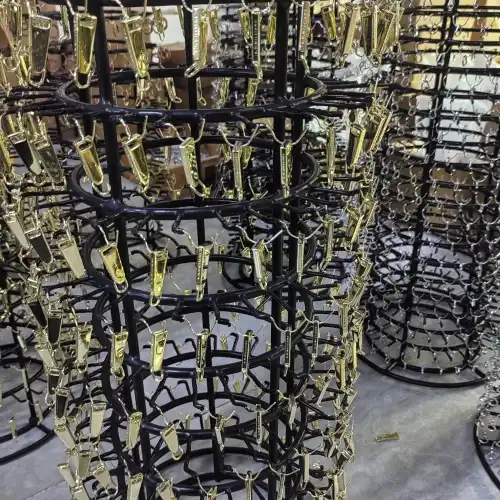
To get consistent results, the electroplating process requires exact control. Using multi-stage plating techniques, reputable vendors guarantee even coverage and the best possible adherence. This meticulousness keeps premature wear at bay and preserves the polished look that premium brands demand.
Classic Tab Pullers: The Foundation of Zipper Hardware
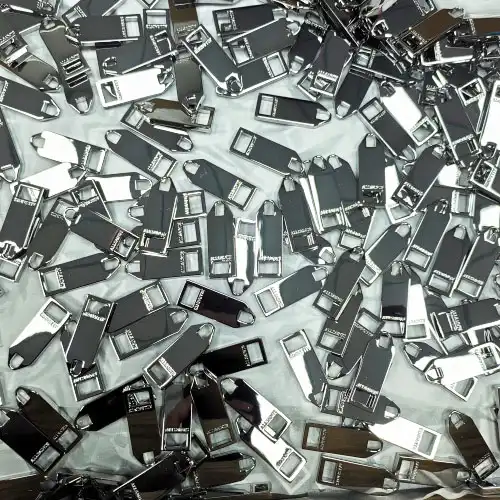
Tab pullers represent the most widely recognized metal zipper pullers component design. Their rectangular or oval shapes provide comfortable grip surfaces while accommodating various branding opportunities. Manufacturing involves precision die-casting followed by careful finishing processes.
The 30MM length specification, such as Carol's standard offering measuring 30mm × 14mm × 3.5mm, provides optimal balance between functionality and visual proportion. This size works effectively across multiple applications, from handbags to outerwear.
Surface texturing options enhance both grip and visual appeal. Sandblasting creates subtle matte finishes, while polishing achieves mirror-like surfaces suitable for luxury applications. Diamond knurling adds functional texture for improved handling in challenging conditions.
Quality tab pullers undergo rigorous testing protocols. Tensile strength evaluations ensure reliable performance under stress, while cycle testing validates long-term durability. Professional manufacturers maintain comprehensive quality control systems throughout production.
Ring and Loop Style Metal Zipper Accessories
Ring pullers offer distinct advantages in specific applications. Their circular design provides 360-degree grip access, making them particularly suitable for bags and luggage where pulling angles vary. Manufacturing requires specialized tooling to achieve smooth, continuous surfaces.
Loop variations extend the functional concept by incorporating flexible elements. These designs accommodate gloved hands and provide enhanced grip in outdoor applications. The connection between rigid and flexible components demands careful engineering to prevent failure points.
Split ring attachments enable easy replacement and customization options. This modular approach appeals to manufacturers offering after-sales service and repair capabilities. The connection mechanism must balance ease of installation with secure retention during use.
Custom ring dimensions accommodate specific design requirements. Larger rings suit heavy-duty applications, while smaller variants maintain proportional aesthetics on delicate items. The relationship between ring size and zipper tape strength requires careful consideration.
Chain and Cord Attached Metal Zipper Fasteners
Chain-style metal zipper pullers handle extend reach and provide distinctive styling options. These designs incorporate flexible elements that enhance usability while creating unique visual signatures. Manufacturing complexity increases due to multiple component integration requirements.
Cord attachments offer softer alternatives that complement leather goods and luxury accessories. Material selection becomes critical, as cord durability must match the metal component lifespan. Leather, paracord, and synthetic materials each provide different aesthetic and functional characteristics.
Connection methods between chains or cords and metal components require specialized hardware. Crimp connections offer permanent assembly, while removable options enable customization and replacement. The connection point represents a potential failure location requiring robust design.
Length optimization balances functionality with visual proportion. Longer attachments improve accessibility but may interfere with product aesthetics or functionality. Shorter versions maintain clean lines while potentially limiting ease of use.
Custom Shaped and Branded Metal Zipper Pull Tabs
Custom metal zipper pull designs enable brand differentiation and enhanced product identity. These specialized components require extensive tooling development and careful production planning. The investment in custom tooling typically justifies itself through improved brand recognition and premium positioning.
Logo integration techniques include raised relief, recessed engraving, and surface application methods. Each approach offers different visual impacts and production considerations. Raised elements provide tactile brand experiences, while recessed designs offer subtle elegance.
Shape complexity limitations depend on manufacturing methods and material properties. Die-casting accommodates intricate details but requires substantial tooling investments. Machining enables complex geometries with lower setup costs for smaller quantities.
Color customization through plating, anodizing, or coating processes expands design possibilities. Multiple finish combinations on single components create sophisticated appearances but increase production complexity. Quality control becomes more challenging with multi-color designs.
Specialty Applications and Industry-Specific Requirements
Military and tactical applications demand enhanced durability and reliability standards. These metal zipper pullers undergo extreme testing protocols including temperature cycling, salt spray exposure, and accelerated wear testing. Material specifications often require specific alloys and treatments.
Marine environments present unique challenges requiring specialized corrosion resistance. Stainless steel components or advanced coating systems become necessary to ensure long-term performance. The cost implications often limit these solutions to critical applications.
Fashion industry requirements emphasize aesthetic excellence alongside functional performance. Surface finish quality becomes paramount, with minimal tolerance for imperfections. Color matching across production batches requires sophisticated quality control systems.
Medical and cleanroom applications may require specific material certifications and surface treatments. Biocompatibility testing and special cleaning protocols add complexity to manufacturing processes. Documentation requirements typically exceed standard commercial applications.
Quality Control and Testing Standards for Metal Zipper Components
Professional testing protocols begin with incoming material verification. Chemical composition analysis ensures alloy specifications meet design requirements. Dimensional inspection validates tooling accuracy and wear patterns.
Mechanical testing encompasses multiple performance parameters. Pull strength testing verifies attachment reliability under specified loads. Cycle testing simulates extended use patterns to identify potential failure modes before product release.
Surface finish evaluation requires both objective measurement and subjective assessment. Gloss meters provide quantitative data, while visual inspection catches defects that instruments might miss. Consistency across production batches demands rigorous monitoring.
Environmental testing validates performance under challenging conditions. Temperature extremes, humidity exposure, and chemical resistance testing ensure reliable operation across intended use environments. These protocols particularly matter for outdoor and automotive applications.
Replacement and Repair Considerations
Metal zipper puller replacement represents a growing market segment as sustainability concerns increase. Standardized attachment methods enable universal replacement options, though custom designs may require manufacturer-specific components.
Repair techniques vary depending on puller type and attachment method. Simple tab designs often allow field replacement using basic tools. Complex assemblies may require specialized equipment or factory service.
Tool requirements for replacement typically include diagonal cutters or snips for removal, plus installation hardware for attachment. The original information correctly notes that metal cutting tools easily handle removal operations, though care prevents damage to zipper tapes.
Replacement part availability varies significantly between suppliers. Established manufacturers maintain extensive replacement inventories, while smaller suppliers may struggle with ongoing support. This consideration influences initial supplier selection decisions.
Conclusion
Metal zipper pullers encompass diverse designs serving various functional and aesthetic requirements. Material selection, manufacturing processes, and quality control standards directly impact final product performance and brand alignment. Understanding these components enables informed decisions regarding supplier selection and product specifications. The evolution toward sustainability and customization continues driving innovation in this essential hardware category. Professional manufacturers providing comprehensive support, testing capabilities, and customization options deliver the most value for discerning brands and manufacturers.
Elevate Your Product Line with Carol's Premium Metal Zipper Puller Solutions
Leading metal zipper puller manufacturers like Carol deliver exceptional quality through comprehensive manufacturing capabilities. With ISO9001 certification and SGS validation, Carol ensures consistent excellence across their 30 million piece annual production capacity. Their 4,500㎡ facility houses advanced die-casting equipment and in-house electroplating facilities, enabling complete control over quality and delivery schedules. Contact tony@carolxiao.com to discuss your specific requirements and discover how Carol's customization capabilities can enhance your product differentiation.
References
1. Smith, J.A. (2023). "Hardware Components in Luxury Fashion Manufacturing: Quality Standards and Performance Metrics." Journal of Fashion Technology, 45(3), 78-92.
2 . Chen, L.M. & Rodriguez, P. (2022). "Zinc Alloy Applications in Consumer Product Hardware: Material Properties and Surface Treatment Options." International Materials Review, 67(8), 156-171.
3 . Thompson, R.K. (2023). "Quality Control Systems in Metal Fabrication: Best Practices for Small Component Manufacturing." Manufacturing Excellence Quarterly, 29(2), 34-48.
4 .Williams, D.E. & Kumar, S. (2022). "Electroplating Processes for Fashion Hardware: Technology Advances and Quality Optimization." Surface Treatment Technology, 18(4), 112-127.
5. Anderson, M.J. (2023). "Sustainable Practices in Fashion Hardware Manufacturing: Environmental Impact and Industry Trends." Sustainable Manufacturing Review, 31(1), 23-37.
6. Taylor, B.R. & Lee, K.H. (2022). "Zipper Component Design and Testing: Engineering Considerations for Consumer Products." Product Design Engineering, 44(6), 89-103.