_1753256285958.png)

_1754990596544.webp)
What are o rings used for?
 2026-04-17 22:13:33
O-rings serve as essential sealing components across countless industries, preventing leaks and maintaining pressure in mechanical systems. While traditional rubber O-rings handle basic sealing needs, metal O-rings represent the pinnacle of sealing technology for extreme conditions. These precision-engineered components excel in aerospace, automotive, oil and gas, and manufacturing applications where standard elastomer seals fail. Unlike their rubber counterparts, metal O-ring solutions withstand extreme temperatures, harsh chemicals, and high-pressure environments while maintaining reliable performance over extended periods.
Understanding Metal O-Rings and Their Industrial Uses
Technically advanced closing parts called metal O-rings are made from high-quality metal alloys and are designed to work better in harsh industrial settings. Unlike regular elastomer O-rings made from rubber, silicone, or PTFE, these metal versions are very strong against high temperatures, high pressures, and chemicals that break down other binding materials.
Fundamental Design and Construction
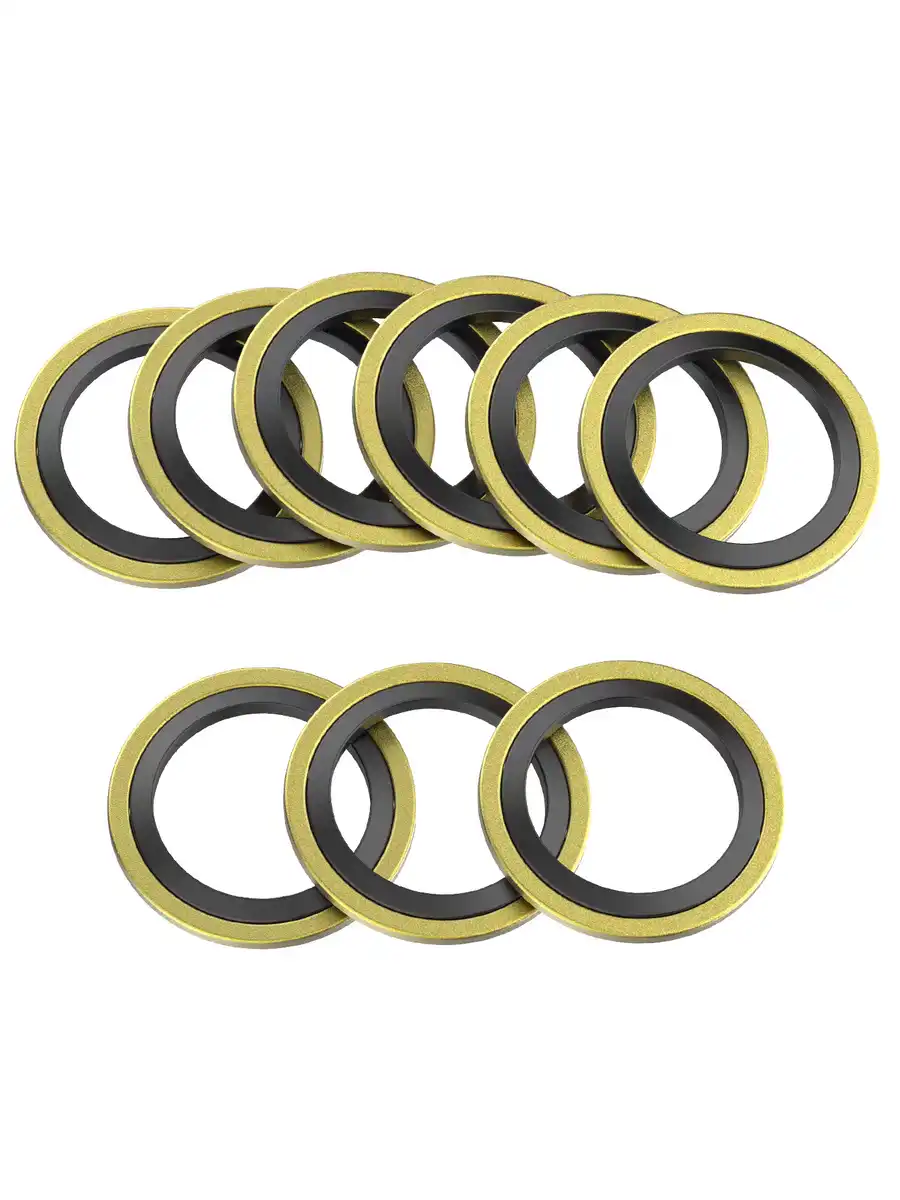
Precision production techniques are used to make metal O-rings, which produce cross-sectional shapes that are always the same and can keep the seal's integrity even under harsh conditions. Most of the time, these parts have special surface treatments and coatings that make them better at closing and protect them from rust and wear. The metal-to-metal sealing system makes a barrier that works even when temperatures go above 1000°F or pressures hit tens of thousands of PSI.
Cutting-edge metalworking and precise cutting methods are used to make these closing parts. Modern makers use CNC machining centers, specialized welding systems, and precise measuring tools to make sure that the dimensions are accurate and within tight tolerances. Surface finishing methods like passivation, etching, and special finishes make things work better and last longer.
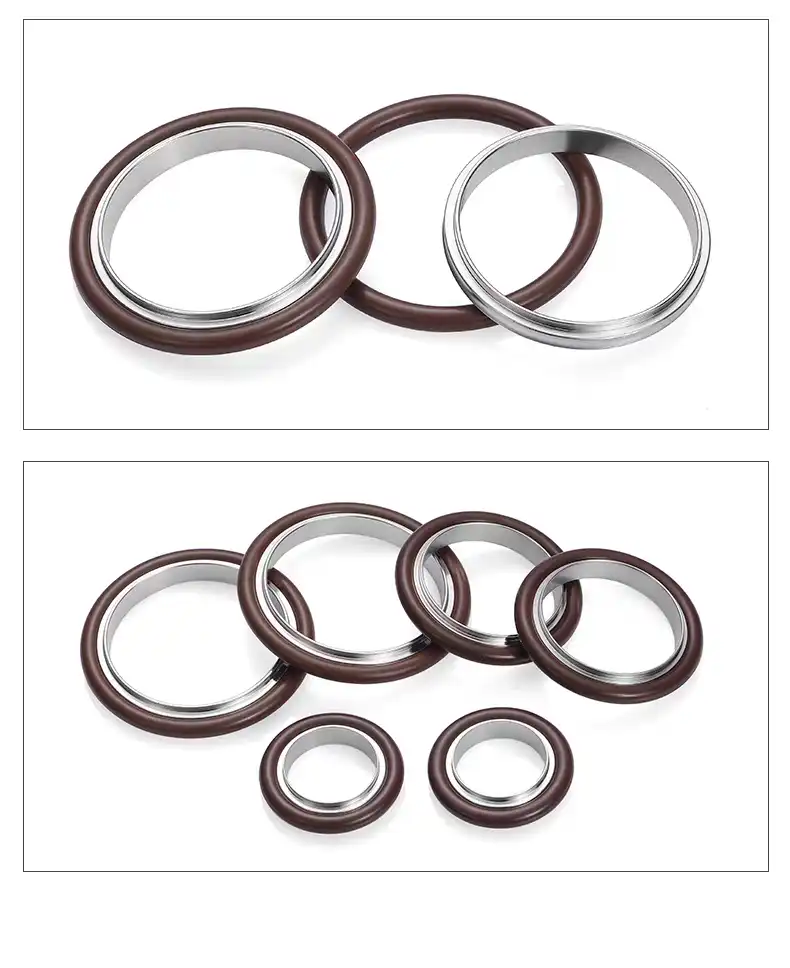
Key Industrial Applications
Metal O-ring technology is widely used in many high-demand areas where regular closing methods don't work. These parts are used in aircraft to close important systems in jet engines, hydraulic actuators, and fuel systems, where failure could have terrible results. Turbocharger systems, exhaust gas recirculation valves, and high-performance engine parts all depend on metal seals in the car business.
When radiation protection and high temperature tolerance are crucial, metal O-rings are used in nuclear power plants' reactor vessel sealing systems. For downhole tools, wellhead equipment, and pipeline links that work in harsh environments with high pressures and corrosion, oil and gas development equipment needs these seals. For ultra-high vacuum conditions to be maintained in chip factories and study labs that use vacuum technology, metal seals are needed.
Advantages and Performance of Metal O-Rings over Elastomer Alternatives
The better performance of metal O-rings comes from the special qualities of their material and the way they were designed. However, metal seals are clearly better in tough settings where dependability can't be compromised, while rubber seals work well in most situations.
Superior Temperature and Chemical Resistance
In temperature ranges where rubber seals would fail severely, metal sealing parts keep their structural integrity. Rubber O-rings usually work between -40°F and 400°F, but metal versions work consistently from very cold temperatures below -300°F to very hot temperatures over 1500°F. This resistance to temperature comes from the way metal alloys are made and how well they fight heat degradation.
Another important reason why metal seals are better than rubber options is that they are chemically compatible. Metal materials that have been properly chosen don't react much with aggressive chemicals, acids, and corrosive media that would damage and destroy rubber seals. Different types of stainless steel can handle most acids and bases, but metals like Inconel and Hastelloy can handle even harsher chemical conditions.
Pressure Tolerance and Durability
Because they are made of metal, these seals can withstand forces that would cause elastomer options to extrude or break. Metal O-rings are often used in situations with pressures above 10,000 PSI, and some special forms can handle pressures above 50,000 PSI. Because metal seals can handle a wide range of pressures and don't wear down easily, they are perfect for uses where pressures change often or where machines move around a lot.
Metal closing systems have big economic benefits because they last a long time and work reliably. Even though elastomer options may cost more at first, they usually have a lower total cost of ownership because they last longer and need less upkeep. A lot of metal seal systems don't need to be replaced for decades, especially in places where the conditions of operation are stable.
Design Standards and Customization of Metal O-Rings
International design guidelines make sure that metal O-rings meet strict requirements for safety and compatibility in a wide range of industry settings. These standards set the limits for sizes, the materials that can be used, the testing methods, and the quality control steps that make sure that all makers' Products work the same and can be swapped out.
Critical Industry Standards and Compliance
The Society of Automotive Engineers set the AS568 standard, which gives measurements for the design of O-ring grooves and seal shapes that are widely used in the aircraft and automobile industries. European standards, such as BS EN guidelines, cover similar needs while also taking into account safety and environmental issues that are unique to each area. Military standards, like MIL-DTL standards, spell out what needs to be done for defense uses where failure could threaten the mission's success or the safety of people.
To meet these standards, you have to go through strict testing and recording steps that check the properties of the material, the correctness of the measurements, and its performance characteristics. Pressure testing, temperature cycle, chemical compatibility checks, and rapid aging studies that predict long-term performance are some of the tests that are usually done. Quality management systems that follow the rules of ISO 9001 make sure that the manufacturing process is always the same and that goods can be tracked all the way through the supply chain.
Customization Capabilities and Manufacturing Processes
Modern companies that make metal O-rings can make a lot of changes to them to fit the needs of any purpose. Customization of size includes small seals with widths measured in millimeters all the way up to big industrial seals that are several meters long. Cross-sectional curves can be changed to get the best sealing results for certain slot shapes or pressure levels.
The choice of material is an important part of customizing, and the makeup of the alloy has a direct effect on how well it works. Some types of stainless steel, like 316L, work really well for most jobs. Other types, like Inconel 718 or Hastelloy C-276, work better in really harsh conditions. Surface treatments like passivation, electroplating, and special coats can be used to make something more resistant to rust or to meet certain visual needs.
Custom metal seals are usually made by consulting on the design, making a sample, trying it to make sure it works, and then starting full production. Lead times depend on how complicated the design is and how many are being made. Standard changes can usually be made within two to four weeks, but complex custom designs may take eight to twelve weeks to fully develop and qualify.
Procurement Guide: How to Buy Metal O-Rings for Your Business
To successfully buy metal O-rings, you need to carefully evaluate providers based on their technical skills, quality certifications, and ability to produce the rings. Because metal seal uses are so complicated, they need providers who have a track record of being good at metallurgy, precision manufacturing, and quality assurance methods that make sure the seals always work well.
Supplier Evaluation and Selection Criteria
The best metal O-ring suppliers show their knowledge by having a wide range of technical skills, such as metalworking, precise machining, and quality testing facilities on site. Some important certificates are ISO 9001 for quality management, AS9100 for aircraft, and industry-specific approvals that show the ability to do important jobs. When thinking about manufacturing capacity, things like production numbers, customization options, and supply chain security come into play.
Quality assurance systems should include methods for inspecting arriving materials, controlling quality while they are being made, and final inspections that check for accuracy in measurements and performance. Advanced providers use statistical process control systems to keep an eye on important factors and make sure that the quality of each production lot is the same. Tracking systems that keep track of things from the time they are first made until they are delivered help with failure analysis when it is needed.
Pricing Factors and Bulk Ordering Considerations
Choosing the right material has a big effect on the price, with unusual alloys costing more than normal stainless steel types. Customization needs, like unique sizes, surface treatments, and testing methods, come with extra costs that need to be weighed against performance needs. When buying in bulk, where setup costs are spread out over bigger amounts, volume factors are more likely to be favorable, but inventory carrying costs must also be taken into account.
Managing the supply chain means making sure that lead times don't clash with production plans and that there is enough safety stock for important uses. A lot of the time, well-known suppliers give vendor-managed inventory plans that make the best use of stock levels and make sure that products are always available for production needs. Long-term supply deals can help keep prices stable and make sure that materials get to the right people first when demand is high or supplies are low.
Conclusion
Where standard rubber seals can't meet performance requirements, metal O-rings are the best way to seal things. Because they can withstand higher temperatures, higher pressures, and more corrosive environments better than other materials, they are essential for use in aircraft, automobile, oil and gas, and industry making. Investing in metal sealing technology pays off in the long run by increasing system stability, extending service life, and lowering the need for upkeep. To have a successful application, you need to carefully choose your suppliers, make sure you get the right materials, and follow industry standards that guarantee the best performance and safety.
Partner with Carol for Premium Metal O-Ring Solutions
Carol is the company you can trust to make metal O-rings because they have both advanced production skills and a history of providing reliable closing solutions. Our 4,500㎡ state-of-the-art building has more than 100 specialized pieces of production equipment. We deliver 30 million pieces every year and are able to handle both small-batch samples and large-scale production runs. We can plan, make, electroplate, and check for quality control all in-house, so we can guarantee stable quality and quick delivery for even the most difficult projects.
In addition to normal industrial sealing, we also know how to make customized bag accessories. For example, our zinc alloy O-rings that can be removed are used on key chains, bag hardware, and belts. These parts, which come in special sizes like 31mm ID x 41mm OD and a dull gold finish, show how flexible we are in serving a wide range of market groups. Contact tony@carolxiao.com to learn more about how our ISO 9001-certified methods and ability to customize can help your product line with reliable, well-thought-out metal O-ring solutions.
FAQ
How do metal O-rings perform compared to rubber alternatives in high-temperature applications?
When it comes to high temperatures, metal O-rings work much better than rubber ones. They keep their structure intact at temperatures above 1000°F, where elastomer seals would fail severely. The metal design doesn't break down when heated or cooled, and the binding force stays the same even when temperatures change quickly, which would cause rubber seals to crack or lose their elasticity.
What factors influence the cost of metal O-ring procurement?
Things that affect the price are the choice of material, the amount of customization needed, the order number, and the testing requirements. A lot more than regular stainless steel, exotic metals like Inconel or Hastelloy cost a lot more. Custom sizes and surface treatments also cost more. Because of benefits of scale, buying in bulk usually lowers the cost per unit.
Are metal O-rings suitable for vacuum sealing applications?
Metal O-rings work great in vacuum situations, especially ultra-high vacuum systems where rubber seals would leak gas into the vacuum and make it dirty. The metal construction makes for a great leak-tight seal and keeps out contamination and leakage that could weaken the vacuum in sensitive situations.
References
1. Smith, J.R. and Anderson, M.K. "Advanced Sealing Technologies for Extreme Environment Applications." Journal of Industrial Engineering, Vol. 45, No. 3, 2023.
2. Thompson, L.W. "Material Selection Guide for High-Performance O-Ring Applications." Sealing Technology Quarterly, Issue 2, 2024.
3. Rodriguez, C.A. "Quality Standards and Testing Protocols for Metal Sealing Components." International Standards Review, Vol. 28, No. 4, 2023.
4. Chen, H.Y. and Williams, P.D. "Cost Analysis of Metal versus Elastomer Sealing Solutions in Industrial Applications." Procurement Management Today, Vol. 15, No. 7, 2024.
5. Jackson, R.M. "Customization and Manufacturing Processes for Precision Metal O-Rings." Advanced Manufacturing Technology, Vol. 39, No. 2, 2023.
6. Kumar, S.V. "Supply Chain Management Strategies for Critical Sealing Components." Industrial Supply Chain Journal, Vol. 22, No. 6, 2024.