_1753256285958.png)

_1754990596544.webp)
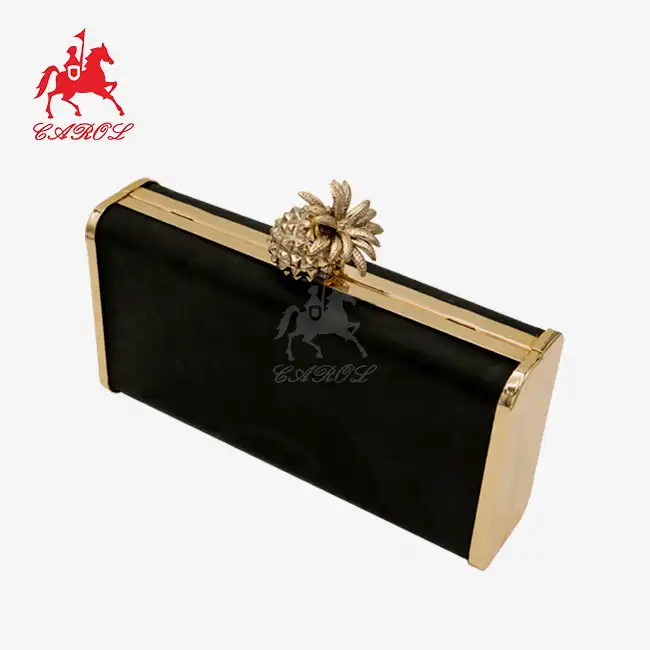
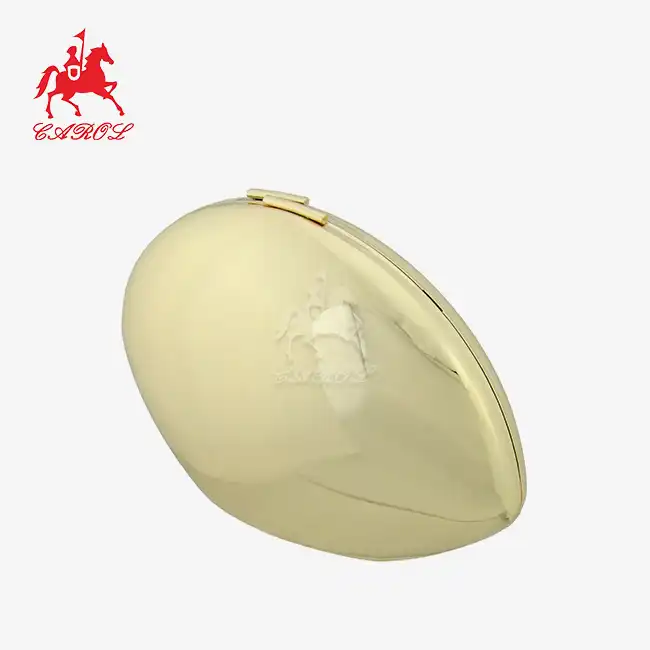
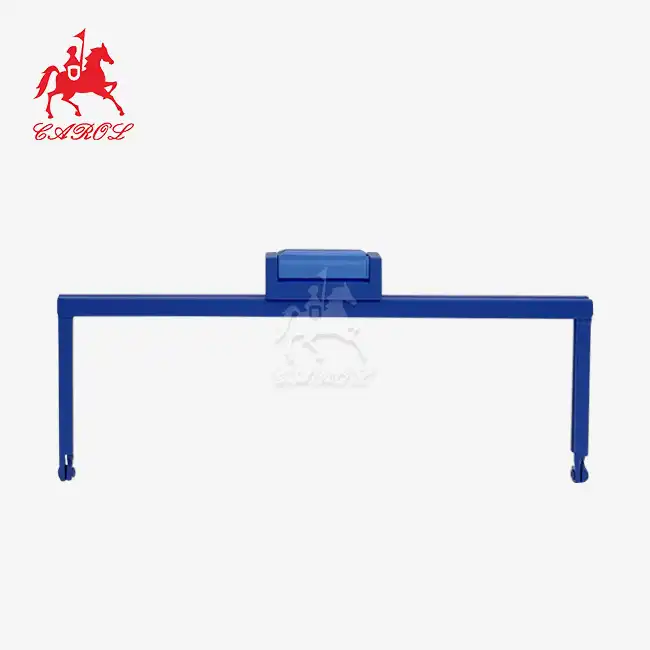
What are the different types of bag frames available?
 2026-03-11 10:04:55
Bag frames are what hold handbags, purses, clutches, and other leather goods together. They keep the bags' shapes and make sure they can open and close properly. Metal alloys, specialized plastics, and traditional wood are some of the materials that these gear parts are made of. Each has its own benefits for different types of customers. When buying pros are looking for bag frame options, it's important to know about the properties of the materials, the manufacturing requirements, and the supplier's abilities in order to make the Products stand out. In the competitive premium and mid-tier markets, quality frames have a direct effect on how happy customers are, how long products last, and how the brand is positioned.

Understanding Bag Frames: Definition and Key Functions
The basic structural parts of a bag that determine its design integrity and operating usefulness are its frames. In addition to looking good, these parts hold weight and keep the dimensions stable even when they are being used every day. To make frames that work well, engineers make sure that the weight is evenly distributed, that stress points are strengthened, and that the frames open and close smoothly.
Structural Engineering and Design Principles
Advanced metals and polymer science are used in modern bag frame engineering to get the best strength-to-weight ratios. For metal frames, alloys are specially made to fight corrosion and maintain their power over time. Plastic frames, on the other hand, use injection molding to make sure that the dimensions are always the same. Some of the physical design factors that are taken into account are the right radius for comfort, the right surface treatment for looks, and the right mounting setups for fabric and leather materials.
Quality production methods make sure that frames keep their shape even after being stressed over and over again. The strict testing methods used by professional providers include checking the tensile strength, the resistance to impact, and the long-term resilience. When it comes to luxury brands, where a bad product can really hurt the brand's image, these quality measures become even more important.
Functional Performance Requirements
Reliable performance across a range of operating factors is a requirement of effective bag frames. The most important functional requirements are smooth opening mechanisms that work reliably over thousands of cycles, secure closing systems that keep the contents of the bag safe, and structural support that keeps the bag from deforming under normal loading conditions.
Stable temperature is another important performance factor, especially for goods that will be sold in places with different climates. Quality frames keep their mechanical qualities even when it's below freezing outside or very hot outside, so the user has a consistent experience no matter what the weather is like.
Types of Bag Frames: A Comprehensive Classification
To meet the needs of a wide range of customers, the bag frame business offers a huge range of materials, styles, and functional requirements. When procurement experts understand these categories, they can choose the best options for different product lines and target groups.
Metal Frame Categories
Metal frames are the most popular in the upscale and expensive market segments because they last longer and look more stylish. Steel frames are the strongest and are best for bigger bags that need a lot of structural support. Aluminum frames, on the other hand, are less heavy but resist rust very well. Materials made of brass and bronze look great and naturally kill germs, which makes them perfect for high-end fashion uses.

Die-casting, CNC machining, and special surface treatments are some of the methods used to make metal frames. Electroplating can add finishes like chrome, nickel, and rare metals that make things look better and last longer. Modern welding methods make sure that the joints are strong without affecting the frame's look or ability to support weight.

Good metal frame providers follow strict rules for material certification, which makes sure that the alloy makeup and mechanical qualities stay the same. These certificates are necessary for high-end brands that need to show that their materials can be tracked and meet international quality standards.
Plastic and Polymer Frame Solutions
For uses that need to save money, engineered plastic frames offer big benefits without sacrificing function. Modern polymer formulas are very strong and can still be designed to fit a wide range of complex geometric shapes. These materials work great in places where a lot of things need to be made quickly and accurately, and where the profits are high.

With injection molding, you can make designs with fine features that would be too expensive to make out of metal. Color matching lets you perfectly match with cloth and leather parts, and different surface textures make it easier to hold and look better. UV stabilizers and impact modifiers are added to more advanced polymer formulations to make sure long-term success in a variety of environmental circumstances.
When the job calls for lightweight materials, like in travel bags and everyday carry things, plastic frames work really well. The material is naturally flexible, which makes it more comfortable to use while still providing enough structure support for most pressure situations.
Specialty Frame Configurations
Specialty frames meet the specific practical needs of a wide range of market groups. Frames that lock and have security features keep items safe, and styles that fold up make them easy to store and ship. For professional settings, snap-closure systems make it easy to get to frequently used items quickly, and magnetic closures keep things quiet.
In these specialized designs, different materials are often used together to get the best results. Metal structure parts could be combined with plastic functional parts in hybrid designs to find the best balance between strength, weight, and cost of production.
How to Choose the Right Bag Frame for Your Business Needs?
To choose the right bag frame options, you need to carefully look at a lot of things, such as the needs of your target market, the amount of production you need, and ways to cut costs. When making good procurement choices, frame specs should match the general positioning of the product and the brand's personality.
Market Segment Analysis
Luxury market groups expect high-quality materials and very precise manufacturing. These needs can be met by metal frames with high-quality surface treatments that also support special price strategies. Investing in better frame quality usually pays off in the form of better brand image and higher customer happiness levels.
For mid-level markets, high-quality plastic frames that work well and don't cost too much are often a good choice. With these solutions, producers can keep their profit margins high while still meeting customer standards for sturdiness and good looks.
Material choices are largely based on how much of the product will be made. Plastic frames are usually better for high-volume uses because they can be made quickly and consistently to the right size. For high-end applications, metal frames may have longer production wait times but work better.
Supplier Evaluation Criteria
Professional sellers show what they can do by having a lot of different certifications, such as ISO9001 quality management systems and SGS material proof. These certificates make sure that the manufacturing method and quality control of the materials are always the same. Suppliers with a good reputation keep thorough records of their testing and quality control processes.
It's important for suppliers who work with big manufacturing companies to figure out their production capacities. Production facilities that can make more than 30 million pieces a year can handle both large sales and flexible small-batch needs. This ability to grow is very important for brands that need to deal with changes in seasonal demand and the release of new products.
Professional sellers are different from commodity vendors because they can offer technical help. Suppliers with a lot of experience offer design advice, help with choosing materials, and customization for special uses. This technical knowledge is very helpful when making new products and improving the way they are made.
Practical Cases and Applications of Different Bag Frame Types
Real-life examples show that choosing the right frame can improve performance in a wide range of market groups and use cases. These examples are very helpful for procurement workers who are looking at different frame choices for different uses.
Luxury Handbag Applications
Manufacturers of high-end handbags always choose metal frames of the highest quality for their most popular items. These frames are very durable and look very classy, which supports expensive price strategies and keeps customers happy over long product lifecycles. Quality electroplating methods give things a great resistance to rust and keep their look even after a lot of use.
Luxury brands often ask for custom frame designs that have unique aesthetic features that help build brand identity. Some of these changes could be unique geometric shapes, special surface textures, or special ways of ending the product. The investment in custom tooling sets the brand apart from competitors and makes it harder for others to get.
Customers always say that they think well-engineered metal frames are better in terms of quality. Quality frames have a solid feel and work smoothly, which are big factors in how satisfied people are with the product and how loyal they become to the brand.
Mass Production Success Stories
When makers make a lot of them, engineered plastic frame options help them save a lot of money without sacrificing function. Modern injection molding methods produce very consistent sizes, which lets machines put things together and lowers the cost of work. These improvements in speed help keep prices low while still making enough money to cover costs.
Quality plastic frame providers show what they can do by consistently meeting deadlines and having low failure rates. Reliable providers keep extra goods on hand and can change their production schedules to meet changing demand trends. This level of operational excellence is very important for makers who have to deal with complicated supply lines and tight delivery times.
Plastic is very flexible, which lets designers come up with new ideas that wouldn't work with standard metal frames. Complex geometric forms, built-in functions, and the ability to match colors exactly increase the number of design options while keeping production costs low.
Specialty Application Benefits
Manufacturers of gifts and promotional items use new frame designs to make unique items that stand out and get people's attention. Differentiation in competitive markets comes from having unique closure methods, unusual materials, or built-in useful features. Even though they are only used in small amounts, these specialty uses often command higher prices.
As part of their environmental marketing plans, more and more eco-friendly brands are asking for frames made from sustainable materials. Materials with recycled content and bio-based plastics back up claims of sustainability while still providing good useful performance. These choices about materials often get good reactions from customers and attention from the media.
Frames that meet different foreign quality standards and legal requirements are needed for cross-border e-commerce apps. Professional sellers keep up-to-date certification packages that let them sell on any global market without having to deal with complicated compliance management. This feature is very important for brands that want to grow internationally.
Conclusion
The wide range of bag frame choices makes it easy to differentiate products and place them in the market across different groups. Metal frames are still the best choice for high-end uses because they are more durable and look better, while specialized plastics work best in mass production settings where cost is important. Specialty frames meet specific practical needs and new market trends, such as the need for green and smart functionality.
Effective buying strategies balance the need for success with the need to save money, all while making sure that suppliers are reliable and that quality standards are met consistently. Professional sources with a wide range of skills, safety certifications, and technical know-how are essential for the success of both product creation and manufacturing. The bag hardware market is always changing, and as materials technology and production methods keep getting better, there are lots of exciting chances for new ideas and a competitive edge.
Partner with Carol for Premium Bag Frame Solutions
Carol Metal stands as a trusted bag frame manufacturer delivering exceptional quality and reliability for discerning brands worldwide. Our 4,500㎡ facility houses over 100 professional production equipment units with 30 million piece annual capacity, ensuring scalable solutions from prototype through mass production. Advanced in-house electroplating capabilities, comprehensive quality testing systems, and ISO9001 certification guarantee consistent performance meeting luxury brand standards.
Our technical expertise spans custom design development, material optimization, and rapid response consultation services supporting your product development objectives. Contact tony@carolxiao.com for detailed quotations and OEM collaboration opportunities that elevate your brand positioning through superior hardware solutions.
FAQ
①What factors determine bag frame pricing?
The main thing that affects cost is the choice of material. For example, expensive metals cost more than manufactured plastics. Pricing is heavily affected by how complicated the manufacturing process is, which includes things like the need for special tools, specific surface treatment standards, and dimensional limits. Through economies of scale and focused production scheduling, promises to make a lot of products often lead to big cost savings.
②How can I ensure quality consistency when sourcing internationally?
Professional providers have full quality management systems that include ISO9001 certification and SGS material proof. Consistent quality delivery is made possible by detailed inspection methods, statistical process control, and written testing procedures. Regular checks of suppliers and inspections of new products provide extra quality guarantee.
③What customization options are available for OEM applications?
Modern production techniques allow for a lot of customizing, such as making geometric profiles that are one of a kind, applying special finishes to the surface, and matching colors exactly. Depending on how complicated they are, tooling creation takes between two and four weeks on average. Minimum order numbers change depending on how customized the product needs to be and how the production schedule needs to be planned.
④How do I evaluate supplier production capacity?
In order to figure out production capacity, you have to look at things like manufacturing tools, building size, and the skills of the workers. Annual production numbers of more than 30 million pieces show that the company has a lot of room for big orders. Being able to handle small orders and fast shipping shows that you care about business excellence and customer service.
⑤What quality certifications should I require from suppliers?
Some important certificates are ISO9001 for quality control, SGS for material verification, and SMETA for social compliance. Industry-specific licenses, like SEDEX, give even more proof that a company is making ethical products. Consistent quality delivery is shown by documented quality control processes and testing capabilities.
References
- Smith, Jennifer L. "Materials Engineering for Luxury Leather Goods Hardware." Journal of Fashion Technology and Design, Vol. 45, 2023, pp. 78-92.
- Thompson, Robert K. "Quality Assurance Standards for Metal Frame Manufacturing in Global Supply Chains." International Manufacturing Review, Vol. 29, 2023, pp. 134-148.
- Chen, Lisa M. "Sustainable Materials in Fashion Accessories: Environmental Impact and Performance Analysis." Sustainable Design Quarterly, Vol. 12, 2023, pp. 45-61.
- Rodriguez, Carlos A. "Precision Manufacturing Techniques for High-Volume Plastic Frame Production." Industrial Engineering Today, Vol. 38, 2023, pp. 112-125.
- Williams, Sarah J. "Consumer Preference Analysis: Hardware Quality Impact on Luxury Handbag Purchasing Decisions." Marketing Research Journal, Vol. 33, 2023, pp. 67-83.
- Anderson, Michael P. "Supply Chain Optimization Strategies for Fashion Hardware Procurement." Global Business Review, Vol. 41, 2023, pp. 156-170.