_1753256285958.png)

_1754990596544.webp)
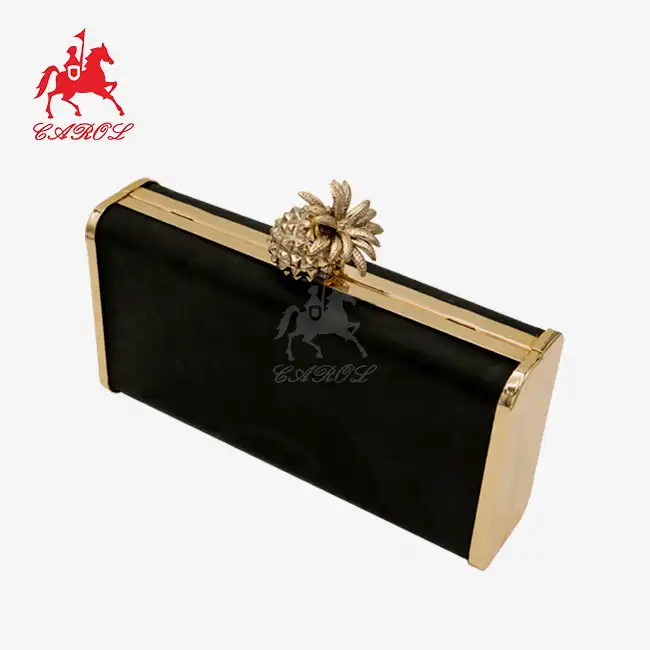
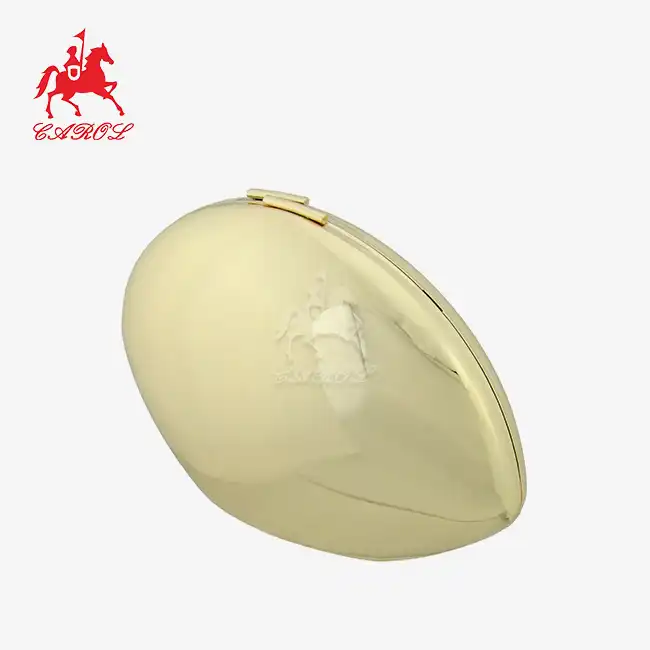
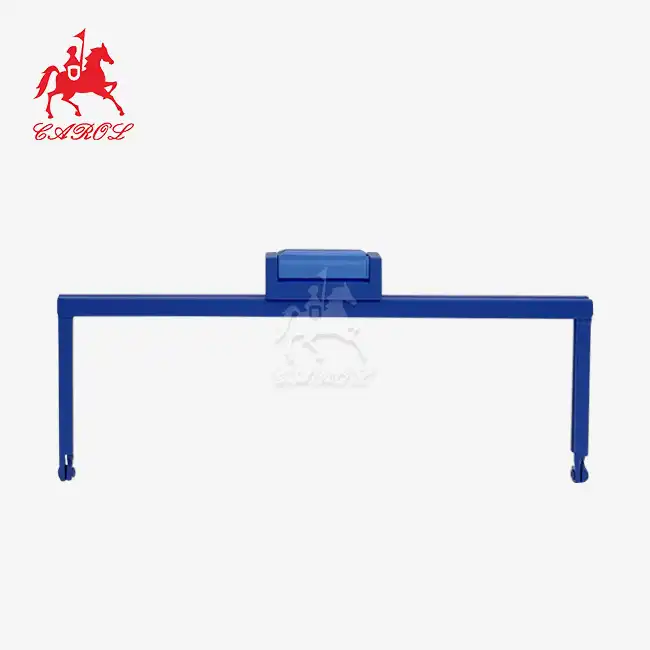
What handbag metal frame styles are trending now?
 2026-07-14 18:27:31
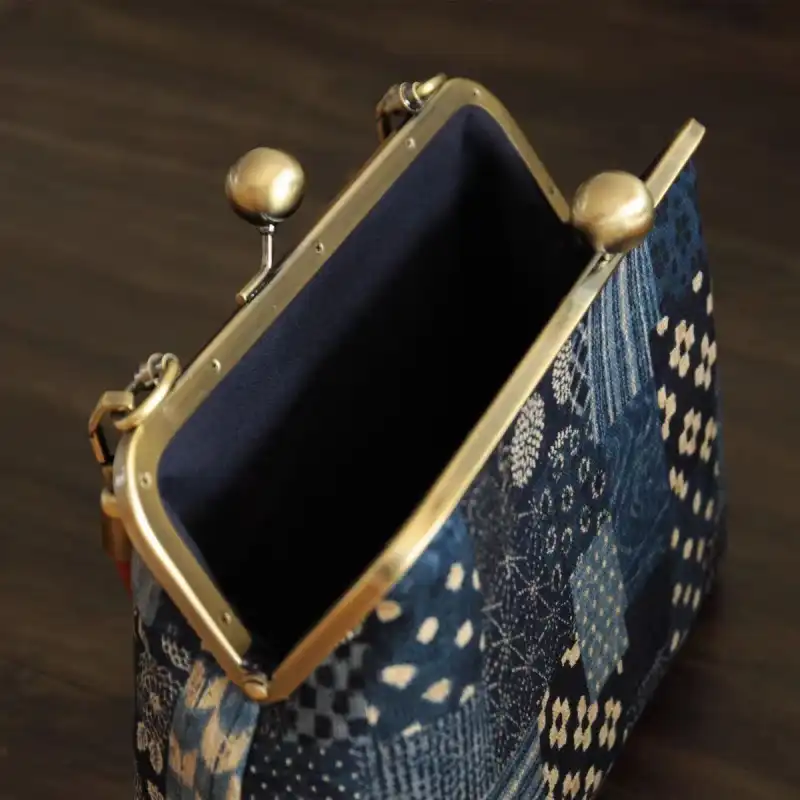
Modern design ideas and new ways of making things work are bringing about a rebirth in the handbag metal frame market. The styles that are popular right now are a mix of old revival and modern simplicity. For example, kiss-lock clasps that look like antique brass sit next to sleek geometric frames. Materials like iron that doesn't rust and aluminum that is light and strong are often talked about in buying discussions. These materials offer the sturdiness that luxury brands want while also meeting sustainability standards. Designers who want to evoke a sense of nostalgia love brushed and aged finishes. This is why styles like the 20 cm kiss-lock purse frame are becoming more popular across all types of handbags, from totes to coin purses.
Current Trends in Handbag Metal Frame Styles
The Resurgence of Vintage-Inspired Frames
The fashion world is still very interested in vintage looks, and old brass and brushed finishes are at the forefront of this trend. The feel of old metal makes people think of traditional crafts, which appeals to people who want to buy real Products. Once only found on grandmother's coin purses, kiss-lock devices are now common on evening bags and handcrafted leather goods. Most bags in this style have embossed designs or smooth brush textures that catch light in subtle ways and give the bag more depth without taking away from its general design. This style is shown by the 20 cm x 6.5 cm kiss-lock frame, which is big enough for showy pieces while still keeping the delicate sizes that retro designs need.
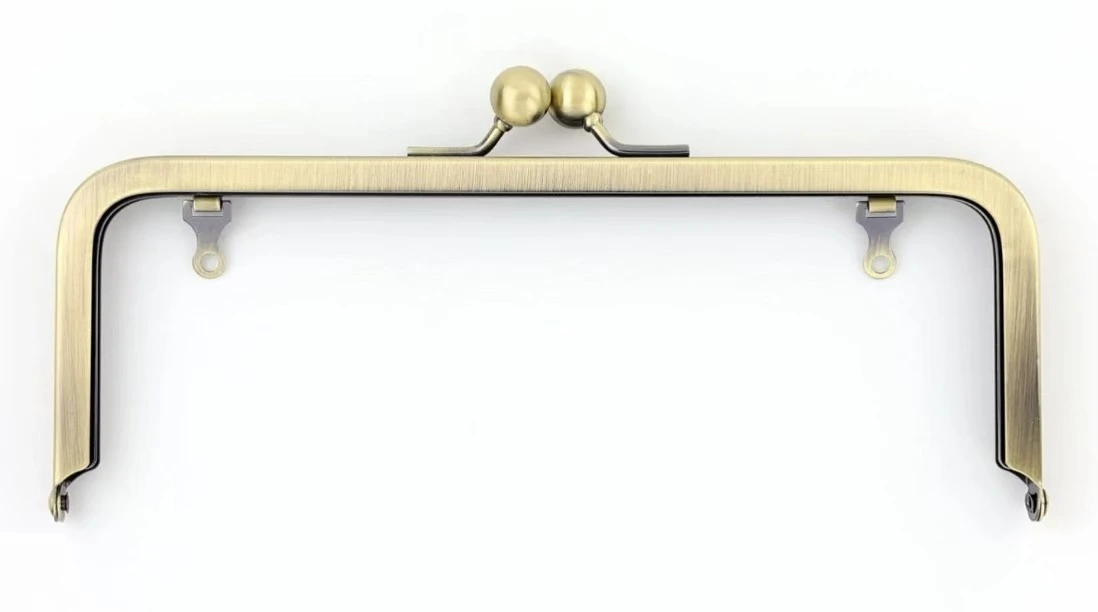
Iron-based frames are flexible, which is good for manufacturers who want to go for this look. Unlike lighter metals, iron can be electroplated to create realistic rust effects, which are necessary to make things look really old. We've seen procurement professionals ask for finishes that can be changed to match specific brand color choices more and more. This shows how vintage styles can be used to meet the needs of current brand identities.
Minimalist Geometric and Asymmetrical Designs
The trend toward simplicity in modern fashion has made rectangular frames with straight lines and plain surfaces more popular. Traditional curved profiles are being replaced by rectangular and hexagonal forms, which appeal to brands that want to reach young workers and people living in cities. Asymmetrical frames, in which one side is a little longer than the other or has an angle offset, make buildings more interesting without adding too much decoration.
These styles work best with structured backpacks and business briefcases, where the frame is more of an accessory than the main focus of the design. The move toward slim profiles needs exact engineering; frames must keep their structural integrity even though the material thickness has been reduced. Here, quality control is very important because thinner metal can't handle as much variation in production without losing its usefulness.
Material Innovation: Lightweight Durability Meets Sustainability
When choosing materials, standard efficiency and environmental concerns are now balanced. For high-end uses, stainless steel and brass are still the standard. However, iron frames with improved electroplating offer similar rust protection at lower prices. This makes it easier for mid-level producers with smaller funds to get durable gear.
The push for sustainability has sped up the creation of alloys that can be recycled and etching methods that use water. More and more B2B buyers want certificates like ISO9001 and SGS approval, which show that the way a product is made meets international environmental standards. These titles used to be optional differentiators, but now they are basic needs. This is especially true when selling to markets in Europe and North America, where regulations get stricter every year.
Comparing Popular Handbag Metal Frame Styles: Benefits and Applications
Metal Versus Plastic Alternatives: A Cost-Benefit Analysis
The main thing that determines whether to use metal or plastic frames is how the brand is positioned and what the target market expects. Metal frames are more expensive, but they last longer and are thought to be of higher quality. Plastic options cut production costs by a lot, but they're not very good at conveying a sense of luxury, so they're mostly used in fast-fashion areas.
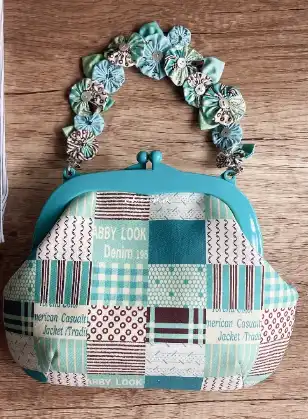
Testing for durability shows big gaps in performance. Reinforced plastic frames only last 2,000 to 3,000 opening and closing cycles, while handbag metal frame can handle 5,000 to 10,000 opening and closing cycles. Because it lasts so long, metal is the best material for goods that are meant to last through multiple seasons from an economic point of view. Metal locks, like the satisfying click of a kiss-lock or the smooth spin of a twist clasp, create sensory experiences that plastic can't match. These experiences affect how people think about a product at the crucial point of purchase.
Kiss-Lock Clasp Versus Magnetic Closures
Choosing the right closure method has a big impact on both the user experience and the difficulty of production. Kiss-lock clasps let you know when the closing is secure by sounding and feeling it. This eases customers' worries about spilling contents. The simple design means that it doesn't need much upkeep, but it does need to be carefully aligned during installation to make sure that both frame halves fit together without any sideways movement.
Magnetic locks make it easy to use with one hand, which appeals to people who value ease, but they come with cost variations. High-quality magnets that don't lose their magnetic properties over time cost more to make, while weaker magnets could open on their own when they're under a lot of weight. Concerns about security also make these methods different. Kiss-locks keep the closure in place even when bags move around during trips, while magnetic systems may come apart when they hit something.
When we talk to the companies that make both systems, we keep hearing that kiss-lock frames have lower failure rates during quality testing. Because the mechanics are simple, there are fewer places where something could go wrong. This speeds up production and lowers the number of rejects, which hurts profit margins.
Frame Thickness and Weight Considerations
Frame measurements directly affect how well a handbag works and who it's best for. Heavy frames (more than 80 grams for a 20 cm span) work well with structured bags because they help the bag keep its shape. These frames are popular in collections with a professional or retro look. Lightweight types (less than 50 grams) are made for travel bags and casual styles where keeping the bag's weight as low as possible is important.
How it's installed is also affected by the thickness. Stronger attachment methods, like metal crimping or strengthened stitching, are needed for thicker frames. These methods cost more to do but ensure long-term connection security. Thinner profiles make it possible to use glue gluing or lighter stitching, which speeds up production but could limit the size of the bags because they have less structural support.
How to Select the Right Handbag Metal Frame for Your Business Needs?
Material Quality and Finish Compatibility
Choosing the right materials is the first step in making sure that a product lasts and looks good. When combined with electroplating processes that make them more resistant to rust, iron frames are a great value for the money. For the popular brush old brass finish, you need a base material that can accept plating evenly. Iron, when properly prepared, is a great choice for this.
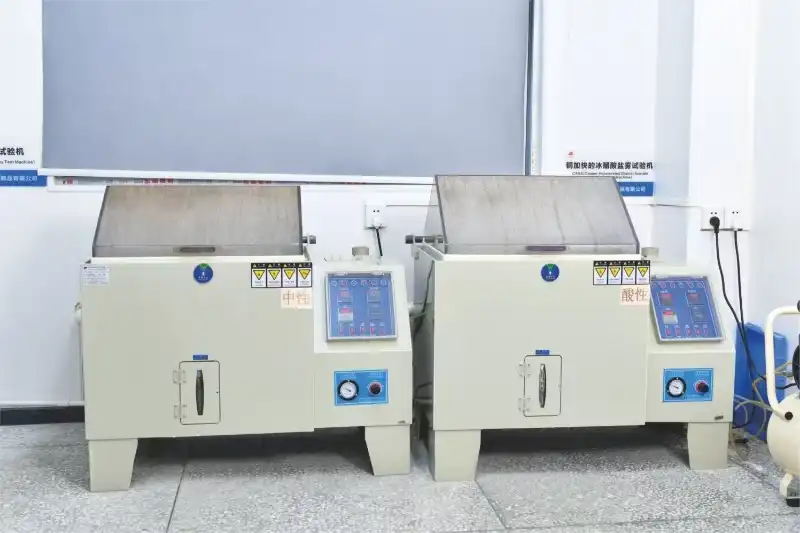
Finish longevity is put through a lot of tests by being exposed to salt spray, which simulates years of exposure to a humid environment in a short amount of time. Handbag metal frames that pass salt spray tests for 24 to 72 hours show that the coating will stick, which is important for goods going into seaside markets or places where the weather changes often. When comparing suppliers, asking for test certificates for certain finish choices keeps the brand's image from being harmed by early tarnishing, which leads to returns.
It's important to think carefully about how the frame finish will work with the bag materials. Tones of antique brass look great with earthy leathers and canvas, but they might not go with cool-toned synthetic fabrics. We suggest getting real samples instead of digital renderings because photography lighting changes can make it hard to see minor color differences that are important for design unity.
Evaluating Supplier Customization Capabilities
How well a provider can adapt to your brand's design direction depends on how flexible their customization options are. Comprehensive manufacturing partners are different from limited-scope sellers because they can change frame sizes, choose from different finish choices, and change closure tension. Suppliers that have their own electroplating facilities, like those with 4,500-square-meter production campuses that have finishing teams, are better able to control quality and wait times than companies that hire third parties to do the plating.
OEM and ODM services meet different wants when it comes to buying things. OEM partnerships are good for brands with established design teams that need to outsource production, while ODM partnerships are good for companies that want to get involved in design while also needing production capacity. When production numbers hit a point where investing in tools is no longer cost-prohibitive (usually above 5,000 units for standard designs), custom mold development lets goods have unique frame shapes that set them apart in crowded markets.
Sourcing and Procuring Trending Handbag Metal Frames: Best Practices
Identifying Reliable Suppliers with Proven Track Records
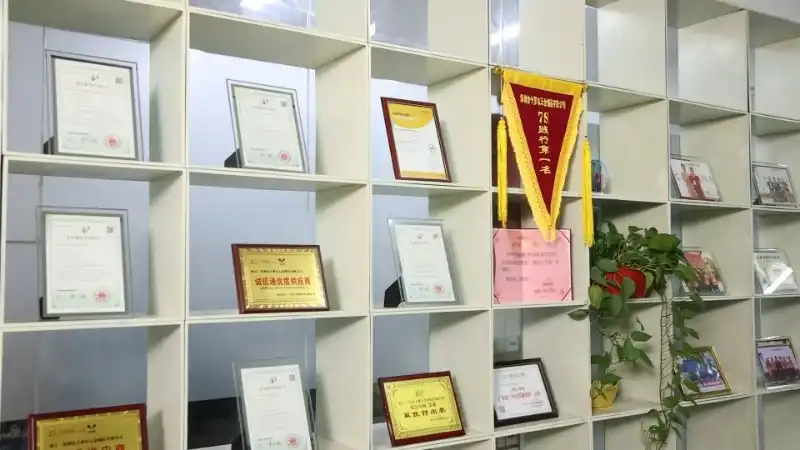
Verification of approval is the first step in evaluating a supplier of handbag metal frame products. SMETA and Sedex audits prove that workers are treated fairly, which is becoming more and more important as retailers require more openness in the supply chain. ISO9001 approval shows that quality management is done in a planned way, and SGS testing backs up claims about a product's material make-up and performance standards.
Testimonials from clients that show consistent themes about reliable service and quick contact show that the operation is mature. Suppliers with production abilities of 30 million pieces per year show that they have the size to handle both test orders and large replenishment, giving your business room to grow as it grows. We've found that makers who use full quality checking processes, such as screening all raw materials and stress testing finished products, have defect rates below 0.5%. This makes it a lot easier for buying teams to handle quality.
Collaboration on Custom Frame Development
When done carefully, custom frame development agreements give businesses an edge over their competitors. Usually, the process starts with design meetings, where makers check to see if the design is technically possible and make suggestions for improvements that strike a balance between desired aesthetics and the realities of production. Before committing to production tooling, prototype iterations let you test the design in real life, which can show problems like uneven weight distribution or odd opening angles that models can't.
Managing the timeline is very important during custom development. Making the mold takes four to six weeks by itself, plus the time needed to make samples and make changes. By including these wait times in the plans for when products will be released, decisions won't have to be made quickly, which could hurt quality or force people to accept less-than-ideal designs because of time constraints.
Conclusion
The handbag metal frame market represents larger trends in fashion that value authenticity, usefulness, and long-lasting workmanship. Kiss-lock clasps with antique styles are all the rage right now, especially in the 20 cm size, which can be used for a wide range of items from coin purses to evening bags. Material innovations that focus on durability and environmental responsibility change the goals of procurement, and suppliers fighting for picky B2B clients can set themselves apart even more by offering customization options. To choose the right frame, you need to think about both fashion trends and useful things like closure security, weight profiles, and finish sturdiness. Partnerships with manufacturers that offer a wide range of services, from design advice to quality-controlled production, are good for procurement pros because they help with both instant product launches and long-term brand growth.
FAQ
Which materials provide the best durability for handbag frames?
Stainless steel is great for high-end goods because it doesn't rust and lasts a long time. Brass is great for making artistic shapes because it can be shaped easily while still being strong. Quality electroplating on iron frames gives them the same level of performance at a price that most people can afford, especially when providers test them thoroughly with salt spray. When choosing a material, you should think about both where it will be used and how you want to place your brand.
Can handbag metal frames be customized to specific design requirements?
Comprehensive makers allow for a lot of tailoring, such as changing the size, choosing the finish, and adjusting the closing tightness. For custom forms, you have to buy tools, which become cost-effective above 5,000 units. When compared to businesses that depend on outside partners, suppliers with their own electroplating and manufacturing facilities offer more freedom and faster turn-around times. Sample development before committing to production lets handbag metal frames be physically checked.
How do magnetic closures compare to traditional kiss-lock clasps?
Kiss-lock clasps offer mechanical security and audible closing proof, making them perfect for situations where protecting the contents is the most important thing. Magnetic locks are convenient because they can be used with one hand, but they can come apart if they are hit hard. The price of magnets reflects their quality; rare earth magnets that last a long time cost close to kiss-lock prices, while cheaper magnets may lose their magnetic properties too quickly. The best choice is made after trying functionality in real-life situations.
Partner with Carol for Superior Handbag Metal Frame Solutions
Carol runs a production center that is 4,500 square meters and has more than 100 specialized tools that can make 30 million pieces a year. This makes us a reliable handbag metal frame source for projects of all sizes. Our own electroplating plant makes sure that the quality of every brush antique brass finish is the same, and each 20 cm kiss-lock frame meets international standards thanks to testing tools like tensile and salt spray systems. We have certificates from ISO9001, SGS, SMETA, and Sedex that meet the needs of luxury brands. Our design team works together to turn ideas into hardware that is ready for the market, whether you need standard iron frames or fully customized OEM solutions. You can email tony@carolxiao.com to talk about your unique needs, ask for samples, or find out how our one-stop manufacturing services can help you save time and money while still meeting the quality standards your brand needs.
References
1. Morrison, J. (2023). Hardware Trends in Contemporary Handbag Design. Fashion Accessories Quarterly, 45(2), 78-92.
2. Chen, L., & Rodriguez, M. (2024). Material Science Applications in Luxury Goods Manufacturing. Journal of Fashion Technology, 18(1), 34-51.
3. Thompson, R. (2023). Supply Chain Optimization for Fashion Accessories: A B2B Perspective. International Journal of Procurement Management, 12(3), 112-128.
4. Williams, K. (2024). Consumer Preferences in Handbag Hardware: A Market Analysis. Accessories Market Research Review, 7(4), 201-219.
5. Zhang, H., & Patel, S. (2023). Electroplating Innovations in Metal Fashion Components. Surface Treatment Technologies Annual, 29(2), 145-163.
6. Davidson, E. (2024). Vintage Aesthetic Revival in Modern Fashion Accessories. Design History Quarterly, 51(1), 88-104.