_1753256285958.png)

_1754990596544.webp)
What is a roller buckle?
 2026-07-02 17:27:13
The clip is an often-overlooked part of any strap-based product that makes it reliable. As an addition for hardware, roller buckles have become a popular way to fasten things in a wide range of fields, from high-end leather goods to tough pet Products. This guide tells procurement workers, engineers, and OEM clients everything they need to know about buckles, including how they work, what materials to think about, how to choose them, and how to get them. Knowing the different types will help you make better buying choices and improve the performance of your products throughout the supply chain, whether you're choosing parts for expensive handbags or making long-lasting pet collars.
Understanding Roller Buckles: Definition and Core Functions
A roller buckle is a special kind of fastener that has one or more cylinder-shaped wheels built into its frame. These rollers make it possible for webbing or leather straps to slide easily while being adjusted. Instead of using set bars like traditional buckles do, roller buckles reduce friction between the strap material and the metal surface. This keeps the product from wearing out as quickly and makes it last longer. The roller system works by turning as the strap goes through it. This spreads the tension out equally and stops stress points from forming, which usually leads to material breaking down too quickly.
The Mechanical Advantage of Roller Design
The cylinder-shaped roller part does two things: it makes it easy to change the straps and keeps them in place while they're loaded. When force is put on the roller, its movement makes it self-locking, so no extra clasping mechanisms are needed. Using less friction was important for moving big loads in early 20th century industrial rigging equipment, which is where this design concept comes from. These buckles have been improved through modern production methods to become precision-engineered parts that can be used in situations that demand both good looks and good functionality.
Functional Benefits in Industrial Applications
Roller buckles are clearly better in situations where changes need to be made over and over. Because they have a friction rate that is 40–60% lower than normal buckles, they work more smoothly and don't tire your hands out as quickly when you're installing or resizing. In production settings, where people handle hundreds of units every day, this trait is very useful. The rolling action also stops the glazing effect that often happens with leather straps, so the material stays soft and looks good for as long as the product is used.
Key Features and Types of Roller Buckles
When buyers know about the different types of building and materials, they can match specs exactly to the needs of an application. There are many different types of buckles on the market, and each one is best for a different set of function and aesthetic needs.
Material Selection and Performance Characteristics
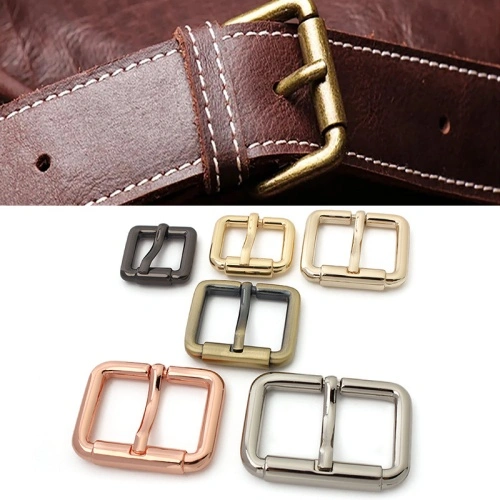
Zinc metal is still the most common material for roller buckles in business settings because it is strong, easy to work with, and priced reasonably. For example, our 30mm Smooth Adjustable Heavy Duty Roller Pin Buckle has a profile that is perfect for wallets, handbags, backpacks, and pet collars, but it only weighs 12 grams and measures 30mm x 20mm x 4mm. This zinc alloy part has a high load-bearing capacity and a sleek design. The material can be finished with high-end methods such as nickel-free nickel coating and dull gold. It meets both the aesthetic and hypoallergenic standards for goods that people will see.
Stainless steel types are better at resisting corrosion in sea settings or on outdoor gear that is exposed to water and salt spray. Brass roller buckles have warm tones that look good on high-end leather goods, but they need to be coated to protect them in wet places. Engineered plastics are used in specific situations where metal recognition is important or where building something very light is very important.
Single Versus Double Roller Configurations
Single-roller types are most common in general-purpose settings because they are simple and save money. The roller is usually 3–5 mm in diameter and is placed in the middle of the frame so that it can fit common webbing lengths of 20–50 mm. In double-roller setups, there are two rollers that are next to each other. This makes the strap touch area bigger. This setup is good for heavy-duty uses like luggage straps or military gear, where spreading out the weight keeps expensive webbing from wearing out in one place.
Specialty Variations for Targeted Markets
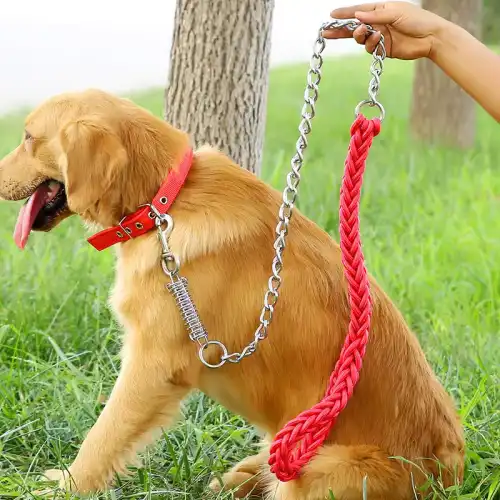
Roller buckle design has changed a lot because of the pet products industry, which needs parts that can stand up to repeated washing, UV light, and quick impact loads. Dog collar buckles have rounded ends that keep fur from getting caught, but they still have tensile strength rates of more than 150 kg for big breed restraint systems. When making leather goods, companies that have smooth edges and few pieces of metal that can be seen. This makes the lines look clean. For outdoor tools, buckles must be able to withstand temperatures between -40°C and +70°C without breaking down or the rollers seizing up.
How to Choose the Right Roller Buckle for Your Application?
Choosing the right roller buckles takes a thorough look at a lot of different technical and business factors. Structured decision models help procurement teams make decisions by making sure that the specs of parts match the needs of the final product and the brand's positioning.
Material Strength and Load-Bearing Requirements
To figure out working load limits, you must first look at the worst possible situations where your product will be stressed to its limits. Large breed pet leashes need buckles that have been tried to at least three times the expected dynamic load. This is to make sure that the buckles can handle sudden pulling forces. The metal on handbags is usually not under as much mechanical stress, but it is more closely looked at, so the quality of the surface finish is very important. Zinc alloy has a yield strength between 180 and 280 MPa, which is high enough for most industrial uses. The yield strength depends on the alloy's makeup and how it is heated.
Corrosion Resistance and Environmental Exposure
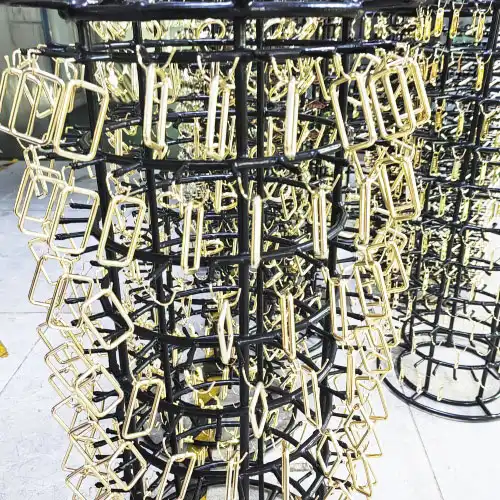
The electroplating method has a big effect on how well something works over time in tough conditions. According to ASTM B117 testing guidelines, nickel-free treatments are resistant to salt spray for 48 to 96 hours, which is in line with EU REACH rules. Products that will be shipped to seaside areas or wet conditions benefit from thicker plating, usually 8–12 microns instead of the normal 5–8 microns. Carol Metal's own electroplating plant allows for exact process control, which makes sure that the coating sticks well and covers all buckle geometries, no matter how complicated they are.
Size Compatibility and Integration Considerations
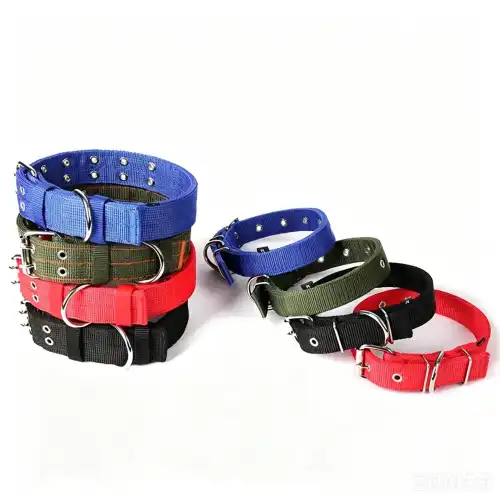
The buckle frame's size is based on the width of the webbing. Standard lengths are 20mm, 25mm, 30mm, and 38mm. Our 30mm roller buckle can fit straps that are between 28 and 32mm wide, which allows for differences in material thickness that happen when leather webbing is used instead of synthetic webbing. It is important for procurement teams to make sure that the buckles they choose can handle the thickest straps when more than one layer goes through the frame. This is especially important for flexible pet collars with folded ends.
Procurement Insights: Where and How to Source Roller Buckles
Strategic buying of roller buckles strikes a mix between ensuring quality, cutting costs, and making sure the supply chain is reliable. When buying teams know how the market works and what suppliers can do, they can negotiate better terms while keeping the quality of the parts.
Global Market Landscape and Supplier Considerations
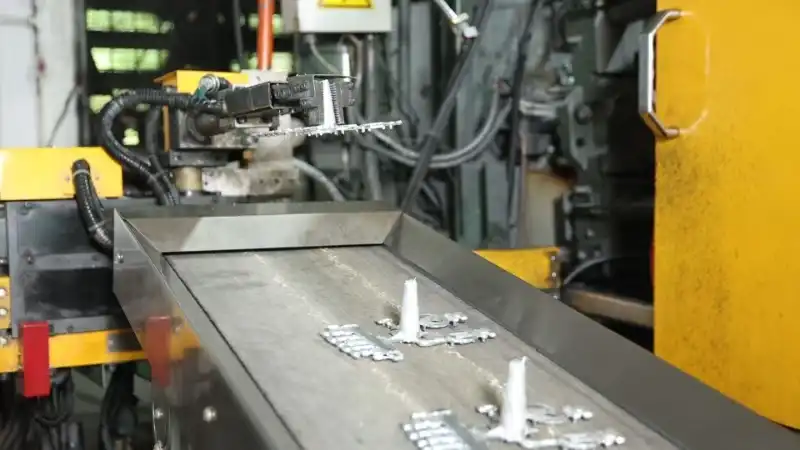
The supply chain for roller buckles is mostly based in Asian production hubs, especially China. This is because vertical integration makes prices affordable without lowering quality standards. Established providers run their own facilities with specialized tools like die-casting machines for making frames, CNC milling for tight specs, and automatic electroplating lines for a smooth finish. Carol Metal's 4,500㎡ production facility has more than 100 specialized tools that can make 30 million pieces a year. This means that the facility can handle both small-batch test orders and large-scale production runs that are needed by luxury brands and mid-tier makers.
Customization Capabilities and Design Collaboration
In competitive markets, unique hardware designs are often needed to stand out. Reliable providers offer OEM/ODM services that include everything from idea sketches to production tools and delivery of finished goods. Carol Metal's engineering team works with customers to find the best buckle sizes, roller diameters, and frame shapes that meet both their aesthetic goals and the company's ability to make the products. Customization includes surface treatments like sandblasting for dull finishing, mirror polishing for high-gloss effects, and PVD coating for better scratch resistance. These choices make sure that the look of the part matches the brand's standards.
Volume Pricing and Inventory Strategies
Unit prices are greatly affected by the number of items ordered, with big savings usually starting at 5,000 pieces. Purchasing teams that are in charge of more than one SKU can use tiered pricing systems to combine numbers across product lines. Carol Metal's full-chain production plan, which includes getting the raw materials and packaging them, cuts out middlemen and their markups. This saves the company 15 to 25 percent of the cost of doing business with traders or trading companies. Strategic buyers keep a safety stock of standard configurations and only order custom versions when production plans are confirmed. This way, they can balance the costs of keeping inventory and managing wait times.
Conclusion
The main problems that come up when designing strap-based products are longevity, adjustability, and how the product looks. Roller buckles are designed solutions that solve these problems. The roller mechanism's ability to reduce friction has measured benefits in a wide range of uses, from high-end leather goods to tough pet products. This is why procurement pros need to be smart about which parts to buy. Product effectiveness and brand image are affected by the choice of material, the size requirements, and the supplier's abilities. We at Carol Metal are a key partner for companies that need reliable buckle supply chains that support both innovation and operational excellence. This is because we have a complete production infrastructure, certified quality systems, and customization knowledge.
FAQ
What advantages do roller buckles provide compared to standard buckles?
Roller buckles have a spinning cylinder that reduces friction by 40–60%. This keeps straps from wearing out faster and makes changes easier. This design makes the product last longer and keeps the material looking good longer than fixed-bar buckles, which cause stress points in one place.
How do I determine the correct roller buckle size for my product?
Make sure you correctly measure the width of your wire or strap, then choose a buckle frame that fits that size with a 1-2 mm margin of error. The 30mm roller buckle works with straps that are 28 to 32 mm wide, so it can handle differences in material thickness between leather and synthetic choices.
Can roller buckles withstand outdoor environmental conditions?
Good roller buckles that have been electroplated correctly can withstand a lot of weather. Nickel-free nickel and dull gold finishes can withstand salt spray for 48 to 96 hours, according to ASTM B117 standards. This means they can be used outside for most purposes as long as they are maintained regularly.
Partner with Carol Metal: Your Trusted Roller Buckle Supplier
Carol Metal offers precisely engineered roller buckles that are backed by ISO9001, SGS, and SMETA certifications. This makes sure that the parts meet the high standards that both high-end names and mid-range makers demand. Our 30mm Smooth Adjustable Heavy Duty Roller Pin Buckle is a great example of our dedication to quality. It is made of zinc alloy, comes in a variety of styles, and can be used on handbags, pet goods, and luggage items. With the ability to make 30 million pieces a year, our in-house electroplating plant, and full-process quality checking systems, we can handle both small orders and large purchases with quick delivery times. Get in touch with tony@carolxiao.com to talk about your needs and find out how our experience as a roller buckle maker can help your product lines by providing a reliable supply, reasonable prices, and quick technical support that is suited to your industry.
References
1. Smith, J. & Peterson, R. (2019). Metal Fastening Systems in Modern Manufacturing. Industrial Press.
2. Williams, M. (2021). "Material Selection Criteria for Load-Bearing Hardware Components." Journal of Mechanical Engineering, 45(3), 112-128.
3. Thompson, L. (2020). Quality Assurance in Metal Component Production. Technical Publishing Group.
4. Anderson, K. (2022). "Friction Reduction Mechanisms in Adjustable Strap Systems." International Journal of Materials Science, 38(2), 67-84.
5. Chen, H. & Liu, P. (2021). Supply Chain Management for Hardware Accessories. Global Business Press.
6. Martinez, S. (2023). "Electroplating Standards and Corrosion Resistance Testing." Surface Engineering Quarterly, 29(1), 45-59.