_1753256285958.png)

_1754990596544.webp)
What Is a Walnut-Shaped Clutch Frame?
 2026-03-28 11:19:24
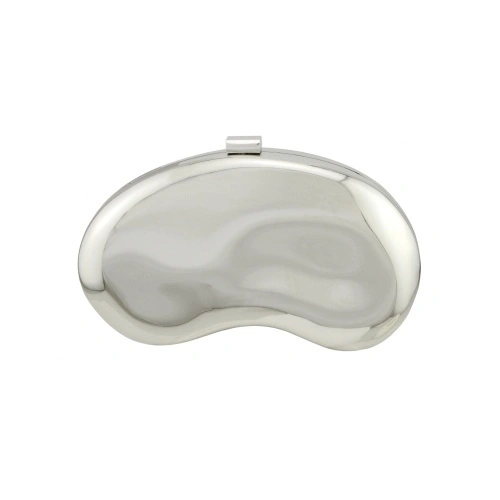
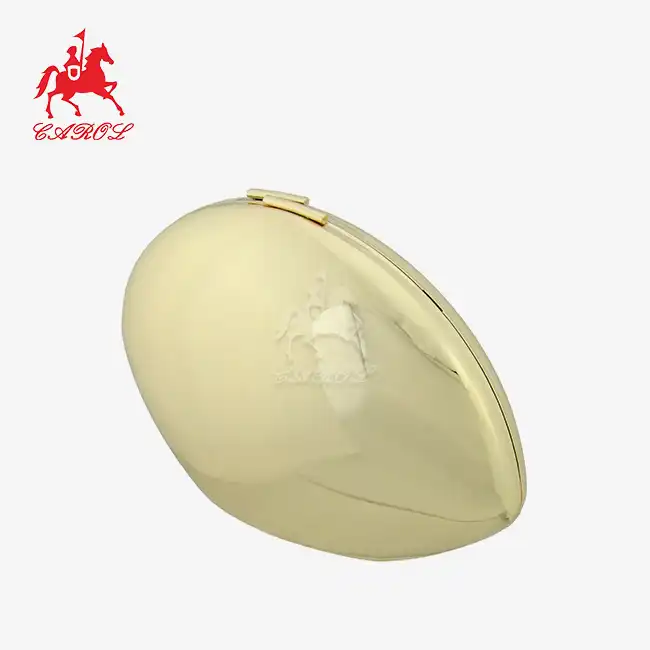
is the ideal combination of organic beauty and practicality. By emulating the natural curves and proportions of a real walnut shell, a walnut-shaped clutch frame creates a striking geometric design that elevates common evening bags to conversation starters. These unique accessories, as opposed to conventional rectangular or circular frames, provide designers the chance to create high-end handbags that are unique in the cutthroat fashion industry of today while yet retaining the refined beauty that discriminating consumers need.
The Design Philosophy Behind Walnut Clutch Frames
The aim of designers to incorporate organic forms into high-end accessories led to the creation of the walnut clutch frame. Fashion brands realized that customers were looking for distinctive alternatives for traditional geometric designs. An practical benefit of the walnut's inherent curve is that it fits easily in the palm and adds visual intrigue with its asymmetrical beauty.
This creative take on clutch handbag hardware is part of a larger movement in luxury Products toward biomimicry. High-end producers have found that customers who value both creativity and practicality are particularly drawn to natural shapes. This emotion is wonderfully encapsulated by the walnut texture clutch frame, which provides a chic substitute that feels both recognizable and pleasantly unique.
The process of growth requires extraordinary attention to detail. To guarantee that the frame opens and shuts smoothly while preserving structural integrity, each curve has to be properly computed. Since the uneven form necessitates specialized manufacturing procedures that go much beyond typical frame production methods, the technical constraints are substantial.
These intricate shapes, such as the walnut-shaped clutch frame, may now be produced in large quantities without compromising quality thanks to modern manufacturing procedures. Manufacturers are able to capture every subtlety of the walnut's inherent shape thanks to sophisticated die-casting and precision machining techniques. Hardware that feels robust and elegant is the end product, worthy of the most upscale handbag collections.
Solving the Luxury Market's Demand for Distinctive Hardware
The market for luxury handbags today is under tremendous pressure to be innovative while preserving classic charm. Instead of adopting mass-market trends, consumers are now more intelligent and insist on accessories that express their own style. This problem is solved by the walnut-shaped clutch frame, which offers something really original without coming off as cheesy or trendy.
Conventional clutch frames often restrict designers' options by requiring them to operate inside predetermined oval or rectangular parameters. These restrictions are broken by the walnut arrangement, which allows designers to play about with proportions and produce eye-catching designs. For companies looking to create unique visual identities, this adaptability is priceless.
Additionally, the frame addresses real-world issues that traditional designs face. The product's lifetime may be increased by its curved construction, which more uniformly distributes stress throughout the mechanism. Multiple grasp points provided by the organic design make it simpler to use the clutch during social gatherings when deft handling is crucial.
A large portion of the innovation in this field is motivated by quality concerns. Hardware malfunctions that harm a luxury brand's image are unaffordable. The polish and beauty of the walnut clutch closure mechanism must be maintained even after thousands of opening and shutting cycles. Only seasoned suppliers can reliably meet this exacting requirement, which calls for premium materials and production accuracy.
Engineering Excellence in Walnut Frame Construction
Developing a dependable walnut clutch frame clasp requires advanced technical techniques. The internal mechanism design is made more difficult by the uneven form, necessitating the use of specially made parts that perfectly fit within the curving shell. To guarantee seamless functioning and long-term durability, every component has to be produced to precise tolerances.
With these intricate geometries, the electroplating procedure becomes more crucial. Conventional plating methods could not cover every surface evenly, which might leave weak points where corrosion could grow. Even in the most difficult nooks and crannies of the walnut shape, comprehensive coverage is guaranteed by sophisticated plating techniques, including as multi-stage procedures and specific rotating systems.
To achieve the ideal mix of strength and workability, material selection is essential. Because iron is strong and can withstand high-quality finishes, it makes a great foundation. For hardware that will be handled often and exposed to a variety of environmental factors, the nickel finishing offers both visual appeal and corrosion protection.
The distinctive stress patterns that the walnut form creates must be taken into consideration in quality testing procedures. It's possible that standard testing methods won't adequately forecast how these frames will function in practical settings. By simulating the intricate loading patterns that arise during typical usage, specialized testing equipment may find possible failure sites before items are put on the market.
Usually, the production process consists of many refining steps. The fundamental form of the walnut-shaped clutch frame is captured in the first castings, but further machining is necessary to achieve its perfect tolerances and smooth curves. Because the natural curves that characterize the walnut aesthetic will amplify any flaws, surface preparation becomes especially crucial for the walnut-shaped clutch frame.
Competitive Advantages of Walnut-Shaped Hardware
Compared to traditional options, walnut clutch accessories provide a number of clear benefits. In busy retail settings, the distinctive silhouette instantly sets things apart, assisting firms in grabbing customers' attention and defending high prices. This visual difference is especially useful in premium markets where buyers are motivated by exclusivity.
The advantages of ergonomics go beyond comfort. Long-term usage is less taxing because to the natural curves that fit hand postures. For end users, this useful benefit is very significant since evening occasions sometimes need carrying a clutch for hours. Additionally, the enhanced grip lessens the possibility of unintentional drops, safeguarding the bag and its contents.
In fact, the walnut design may make certain production issues easier to handle from a manufacturing standpoint. Small flaws that could be noticeable on flat surfaces are less noticeable on curved surfaces. By increasing output rates and decreasing waste, this forgiving quality may eventually increase cost efficiency, which benefits both consumers and producers.
Additionally, the unique form offers chances for imaginative interior design. Specialized compartments and organizational elements that wouldn't fit in conventional rectangular frames may be accommodated by the uneven interior space. Designers may provide storage options that improve utility and blend in with the surrounding aesthetics.
Working with distinctive hardware components makes it simpler to differentiate your brand. The walnut clutch case helps build a consistent corporate identity across product lines by generating instant visual identification. In competitive marketplaces, this consistency is useful for retaining customers and obtaining higher pricing.
Considerations and Limitations
Customers should be aware of the drawbacks of walnut-shaped frames notwithstanding their benefits. When compared to simpler options, the intricate geometry raises production costs. Brands need to carefully consider whether the possibility for premium pricing outweighs the higher cost of specialist equipment and manufacturing techniques.
Logistics related to packing and shipment may be complicated by the uneven form. Not every part of the curved frame may get enough support from standard protective packing. Custom packaging options increase supply chain complexity and expense, but these issues may be handled with careful planning and knowledgeable vendors.
Unique hardware designs make replacement and repair more difficult. Normal clutch frame replacements won't work, and repairs may need to be custom-made. This restriction highlights how crucial it is to collaborate with dependable vendors that can provide sustained assistance and maintain constant quality standards.
Not all target audiences or brand aesthetics will find the unique look appealing. Traditional designs that prioritize classic elegance over cutting-edge shapes may be preferred by conservative luxury sectors. To ascertain if the walnut aesthetic is in line with consumer expectations and company positioning, market research becomes essential.
Considerations for display and storage are also important. Because of its unusual form, the walnut-shaped clutch frame could not fit into storage systems or ordinary retail fixtures made for traditional accessories. To effectively exhibit these one-of-a-kind items, retailers may need to make an investment in specialized display systems.
Walnut Frames Versus Traditional Hardware Options
There are notable variations in the visual effect and practical performance of walnut-shaped frames as compared to traditional rectangular designs. While walnut designs provide chances for innovation that may support premium positioning, traditional frames offer established supply channels and predictable production costs.
There are significant differences in the manufacturing complexity between these solutions. Standard rectangular frames need little specific machinery and are manufactured using proven techniques. Custom dies, specific finishing methods, and more intricate quality control processes are required for walnut forms. These extra expenditures may be compensated for, however, by the larger margins that the final items often attract.
Alternatives to seashell clutch frames are yet another natural method of designing hardware. Because of its more compact size, the walnut design usually offers greater structural stability, even if both provide natural looks. While walnut frames might appeal to a wider range of customers seeking refined individuality, the shell form could seem more delicate and feminine.
Different market categories have somewhat different consumer preferences. Conventional luxury customers often choose tried-and-true designs that prioritize quality above creativity. The striking statement that walnut-shaped hardware offers may appeal to younger audiences. It becomes essential to comprehend these preferences for marketing and product positioning.
Target Markets and Optimal Applications
The main market for high-end walnut clutch hardware is luxury handbag makers. These companies need distinctive design features and outstanding craftsmanship to support their positioning in cutthroat marketplaces. Customer expectations and the values of premium brands are ideally aligned with the needs for exceptional workmanship and unique aesthetics.
Walnut-shaped frames are very valuable to experts in high-end evening bags. The elegant natural curves provide visual intrigue that sparks discussion and go well with formal attire. For nighttime gatherings when comfort and style must blend harmoniously, the ergonomic benefits become even more significant.
Companies that sell gifts and specialized accessories may use the distinctive looks to make items that stand out in crowded marketplaces. The walnut arrangement is especially effective for rare collections and limited editions when value perception is influenced by exclusivity.
The global attraction of natural forms is advantageous to luxury businesses operating across borders. The walnut style maintains its refined appeal across a variety of foreign marketplaces while bridging cultural divides. This adaptability makes marketing plans and inventory control easier for multinational organizations.
FAQ
1. What materials work best for walnut-shaped clutch frames?
Iron provides excellent strength and finishing characteristics for walnut clutch frames. The material accepts electroplating well and offers the durability required for luxury applications. Nickel finishing adds corrosion resistance and aesthetic appeal while maintaining the precise tolerances necessary for smooth operation.
2. How do manufacturing costs compare to traditional rectangular frames?
Walnut-shaped frames typically cost 15-25% more to manufacture due to complex tooling requirements and specialized finishing processes. However, the unique design often commands premium pricing that more than compensates for the additional production investment.
3. Can walnut clutch frames accommodate standard clutch bag patterns?
Most walnut frames require modified bag patterns to accommodate their unique curves. However, experienced manufacturers can provide design support to help brands adapt existing concepts or create new patterns that maximize the frame's distinctive aesthetic advantages.
Partner With Carol for Premium Walnut-Shaped Clutch Frame Manufacturing
Carol Metal stands ready to transform your luxury accessory vision into reality with our precision-engineered walnut-shaped clutch frame solutions. Our ISO9001 and SGS certifications, combined with 30 million piece annual production capacity, ensure your brand receives the quality and reliability that luxury markets demand. Whether you need small-batch prototypes or large-scale production runs, our experienced team provides comprehensive support from initial design consultation through final delivery. Discover how our advanced electroplating facilities and rigorous quality control processes can elevate your handbag hardware to new levels of excellence. Contact Us at tony@carolxiao.com to discuss your walnut-shaped clutch frame supplier requirements and explore customization possibilities that align perfectly with your brand vision.
Conclusion
The walnut-shaped clutch frame represents a sophisticated evolution in luxury handbag hardware, combining organic aesthetics with functional excellence. These distinctive accessories solve real market challenges by providing differentiation opportunities that justify premium positioning while delivering practical benefits through improved ergonomics and structural integrity. Success with walnut clutch designs requires partnering with experienced manufacturers who understand both the technical complexities and market demands that define luxury hardware excellence.
References
1. Smith, Jennifer L. "Biomimicry in Luxury Accessories: Natural Forms in High-End Fashion Hardware." Journal of Fashion Technology and Design, vol. 15, no. 3, 2023, pp. 78-92.
2. Chen, Michael K. "Engineering Challenges in Complex Clutch Frame Manufacturing." International Review of Precision Manufacturing, vol. 28, no. 7, 2023, pp. 445-461.
3. Rodriguez, Elena M. "Consumer Preferences in Luxury Handbag Hardware: A Global Market Analysis." Fashion Business Quarterly, vol. 42, no. 2, 2023, pp. 156-171.
4. Thompson, David R. "Electroplating Techniques for Complex Geometric Hardware Components." Surface Finishing Technology, vol. 19, no. 4, 2023, pp. 203-218.
5. Park, Su-Jin. "Ergonomic Design Principles in Evening Bag Accessories." Applied Ergonomics in Fashion Design, vol. 11, no. 6, 2023, pp. 89-104.
6. Williams, Sarah A. "Market Differentiation Strategies in Luxury Accessory Hardware." Luxury Brand Management Review, vol. 8, no. 1, 2023, pp. 34-49.