_1753256285958.png)

_1754990596544.webp)
What Is a Walnut-Shaped Clutch Frame? Uses and Benefits
 2026-09-26 19:06:54
A walnut-shaped clutch frame is a high-precision hardware component engineered to serve as the structural skeleton of hard-shell evening bags and luxury clutches. Its signature bi-lobed, organic curvature—reminiscent of a walnut shell—delivers both visual distinction and mechanical reliability. Unlike conventional rectangular or oval frames, this design integrates ergonomic grip geometry with a tension-based click-lock closure system, solving persistent industry pain points such as hinge fatigue, plating oxidation from skin contact, and closure misalignment. For B2B procurement professionals sourcing premium bag hardware, understanding this component's properties and applications is essential to making confident supplier decisions.
Understanding Walnut-Shaped Clutch Frames
What Defines This Frame's Architecture
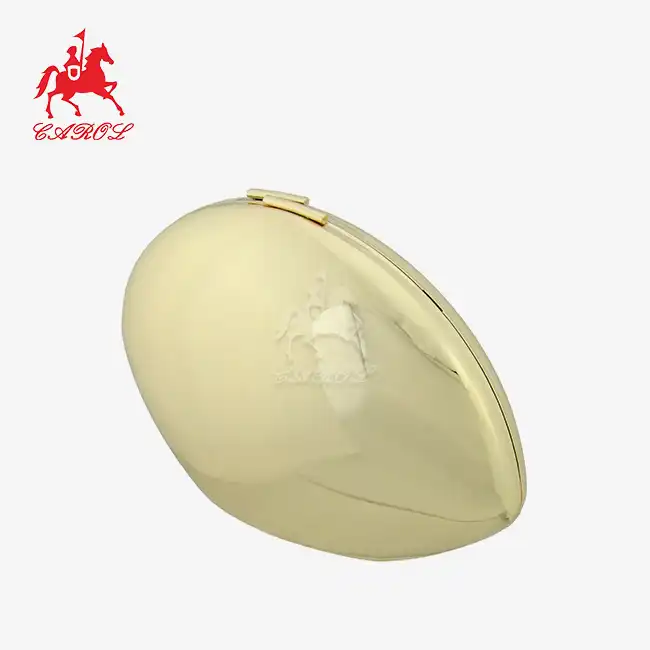
The dual-lobe curve of a walnut-shaped clutch frame, which resembles the natural profile of a walnut shell, is its distinguishing feature. This shape isn't just for looks; it also helps heavy embellishments sit more evenly around the frame's edges than a regular rectangular shape would. The frame is built with an interference-fit clasp mechanism instead of magnetic force. This means that even when the frame is full, the closure stays closed and won't open by accident.
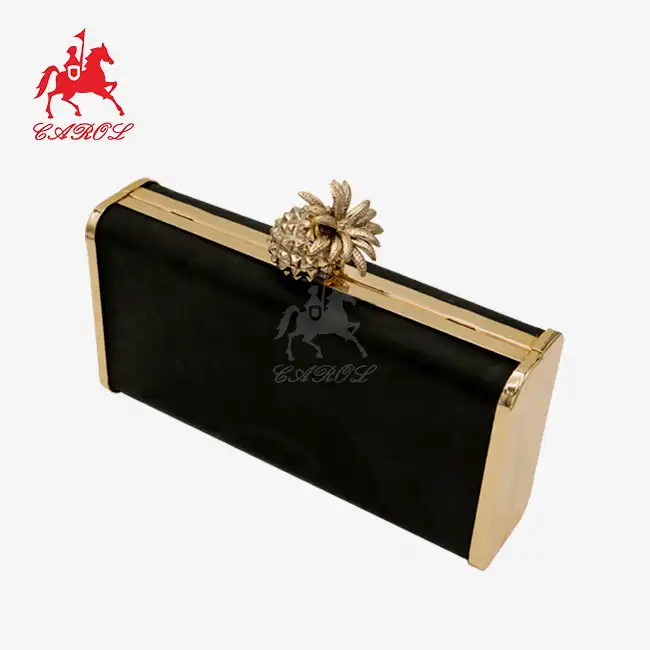
The Walnut-shaped Metal Box Evening Bag Hardware is the item we're highlighting. It's made of iron, measures L 20.9 cm × W 5.3 cm × H 12 cm, finished in nickel. The product is made in China, and the sizes, colors, and materials can be changed to fit the needs of your brand. The nickel finish gives the surface a smooth, jewelry-quality look that goes well with both high-end leather and cloth wraps.
Material and Technical Parameters
This kind of professional walnut-shaped clutch frame is usually made of iron, a high-grade zinc alloy, or architectural brass, and the walls are between 1.2 mm and 2.5 mm thick. The hinge system allows for a continuous 180-degree opening without deforming the structure. This is an important performance level for evening bags where the frame serves as a visual focal point. The bonding of the electroplating meets the requirements of REACH and RoHS, and the resistance to rust is proven by salt spray tests that last for 48 to 72 hours according to ASTM B117 guidelines.
Primary Uses and Applications
There is a specific place in the supply chain for luxury items where walnut-shaped clutch frames can be found. Because of their rigid edge and ergonomic shape, they are the preferred gear in a number of high-end market groups. The main types of applications where this frame type is useful are listed below:
- Luxury Red Carpet Evening Bags: The frame is often finished in PVD gold or rose gold to make it look like jewelry. Its structure is rigid enough to handle high friction without losing its surface over the course of an entire event season.
- Heritage Bridal Collections: This walnut-shaped clutch frame's ability to hold weight is important for structured silk and satin bridal bags. The shape of the walnut gives you a good grip, and the rigid edge can handle heavy beadwork and embroidery—the zinc alloy construction can hold up to 1.5 kg of exterior decoration without the hinges sagging.
- High-End Tech and Cosmetic Clutches: The frame's perimeter is not easily compressed, so it protects delicate electronic components or precise cosmetic tools at events with a lot of people, where bag compression is a real risk.
A requirement that all of these apps have in common is hardware that looks good and works the same way across production batches. That consistency is what sets a reliable supplier apart from one that is just cheaper but not as reliable.
Walnut-Shaped Clutch Frame vs. Other Frame Types
A lot of the time, procurement directors compare this type of walnut-shaped clutch frame to metal flex frames, rectangular box frames, and oval snap frames. The comparison isn't just for looks; it has real effects on how long it takes to put together, how much materials cost, and where the finished product goes.
When it comes to inner volume efficiency, rectangular box frames are the best. However, they don't have any ergonomic curves, so they can feel stiff and cold in the hand. Even though oval snap frames are lighter, they don't have the precise click-lock system that high-end customers associate with good physical feedback. Flex frames work well for casual wallets but aren't stiff enough for structured evening bags that carry a lot of decorations.
The walnut-shaped version is in a separate, higher-end category. The unit cost is higher than stamped oval options because of its organic curvature, but the gap-alignment tolerance—less than 0.05 mm between the two frame halves—prevents fabric snags during assembly and makes sure that the seam line looks smooth. For brands in the luxury or accessible-luxury range, that level of detail justifies the higher price.
Procurement Guide for Walnut-Shaped Clutch Frames
Qualifying a Reliable Manufacturer
To get this walnut-shaped clutch frame tech in large quantities, you need more than a low unit price. For luxury brands, the first time they work with a seller, the qualification process usually takes between four and eight months. This includes a factory audit, sample proof, compliance testing, and trial production runs.
Important standards for approval include passing the SMETA/Sedex audit, getting ISO 9001 certification, and making sure that the product meets the lead-free and nickel-releasing limits set by EU REACH and California Prop 65. Also, buyers should check to see if the seller has its own electroplating plant. If plating is done by a third party, it's hard to be sure that colors will be consistent from batch to batch.
Assembly and Quality Control Checkpoints
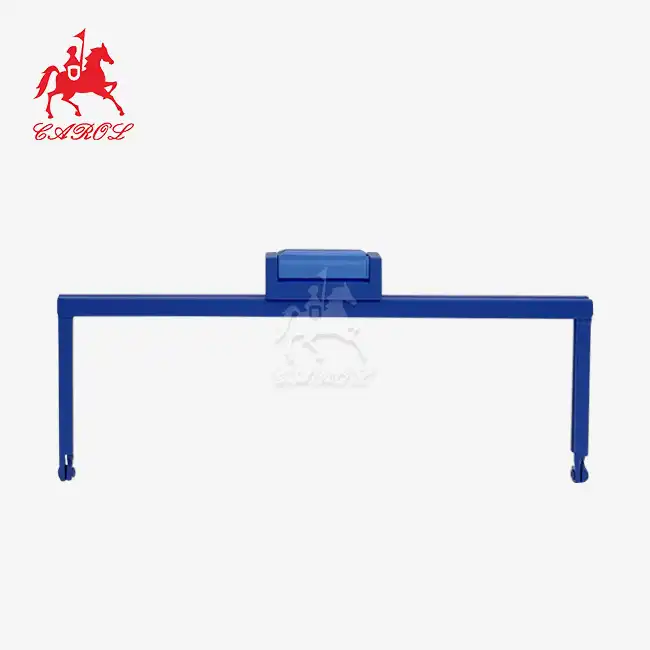
Professional frames are put together with a hollow interior glue-in or screw-in channel that separates the fabric edge from the hinge mechanism. This keeps the fabric from pinching, which happens a lot with lower-tolerance stamped frames. The following checked points should be part of quality control:
- Salt Spray Test (ASTM B117): Checks how long a finish will last against moisture and sweating. It is usually done for 48 to 72 hours.
- Hinge Cycle Test: Makes sure that the frame is solid after more than 5,000 open-close cycles without any tension loss.
- Cross-Cut Plating Adhesion Test: This test makes sure that the coating doesn't peel off when the structure is stressed.
- Gap Alignment Inspection: This test uses fine tools to make sure that there is no more than 0.05 mm of difference between the two halves of the frame.
These checkpoints aren't just for show; they're the proof that a supplier can back up their claim of credibility when they go before a brand's compliance team.
Conclusion
Few other hardware styles in the high-end evening bag market can compare to the walnut-shaped clutch frame's combination of ergonomic intelligence and mechanical precision. Its load-bearing capacity, click-lock closure, and electroplating adhesion performance make it a good choice for brands that can't have quality changes between seasonal production runs. This frame type gives your design the structure and style it needs, whether you are making a wedding collection, a line of accessories for the red carpet, or a structured daily clutch. The best way to protect your brand's reputation is to buy from a supplier that has verified certifications, in-house electroplating, and written quality control protocols.
FAQ
What materials are available for walnut-shaped clutch frames?
Most base materials are made of iron or zinc alloy. For a reasonable price, iron is very rigid. Zinc metal, on the other hand, is better for plating adhesion and fine surface details. Both materials can be made to meet REACH and lead-free standards and come in nickel, gold, antique brass, and PVD finishes for walnut-shaped clutch frames.
How does this frame type compare to metal flex frames in durability?
When it comes to load-bearing and hinge life, walnut-shaped frames made of iron or zinc alloy always perform better than flex frames. Flex frames are made for light casual uses and aren't made to last the 5,000+ open-and-close cycles that rigid evening bags usually need over the course of their service life.
Can the frame dimensions be customized for OEM orders?
Yes. Sizes, colors, and materials can all be changed to fit the design needs of a specific brand. The normal lead time for custom PVD finishes is between 15 and 25 days after the chosen finish has been tested with salt spray for 72 hours.
Does the frame meet international compliance standards?
Premium frames made to the standards of luxury brands are made without lead and nickel, which is in line with EU REACH rules and California Prop 65 rules. Before committing to a large order, SGS, Intertek, or BV test reports should be used to make sure that the supplier is following the rules.
What is the typical MOQ for bulk procurement?
Minimum order amounts depend on the source and how complicated the customization is. The best way to be sure of both MOQ flexibility and production stability at scale is to work directly with a company that has both ISO 9001 certification and SMETA audit clearance.
Request a Custom Quote from Carol — Your Trusted Walnut-Shaped Clutch Frame Supplier
Carol makes precise bag hardware in a 4,500 ㎡ plant that can make 30 million pieces a year and has its own electroplating factory that makes sure that every batch of walnut-shaped clutch frames is the same color. We meet the compliance standards of global luxury brands because we have SMETA, Sedex, ISO 9001, and SGS certifications. You can email us at tony@carolxiao.com or visit carolhardware.com to get samples, specs, or a reasonable bulk quote that fits your collection schedule.
References
- Journal of Fashion Technology & Textile Engineering — 2022
- Leather International Magazine — 2023
- International Journal of Fashion Design, Technology and Education — 2021
- Accessories Magazine (Business of Fashion Accessories) — 2023
- ASTM International Standards — ASTM B117 Salt Spray Testing Standard — 2019
- European Chemicals Agency (ECHA) — REACH Regulation Technical Guidance — 2022