_1753256285958.png)

_1754990596544.webp)
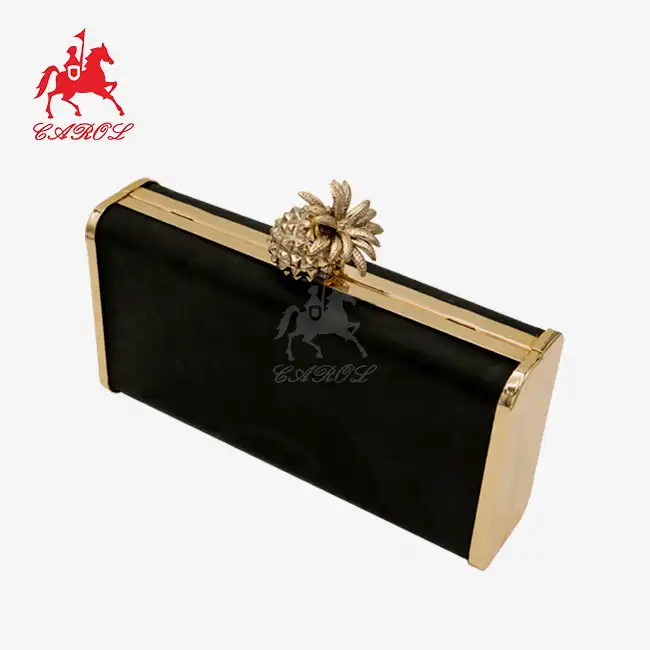
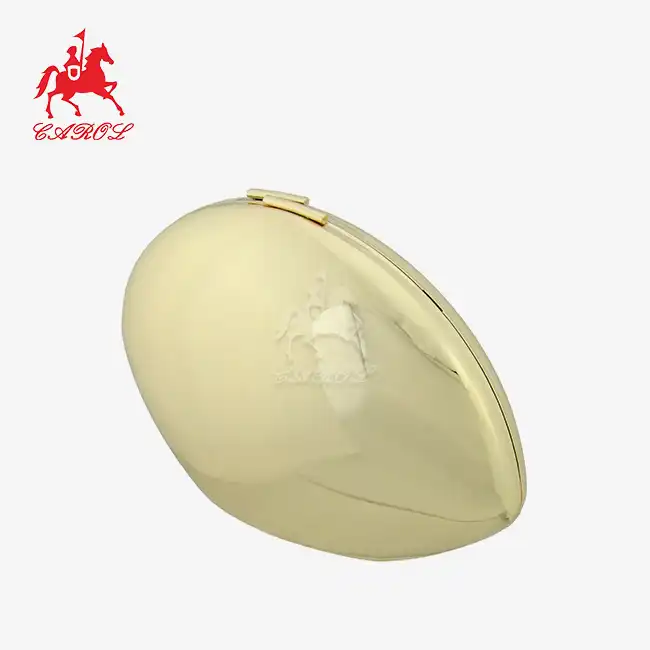
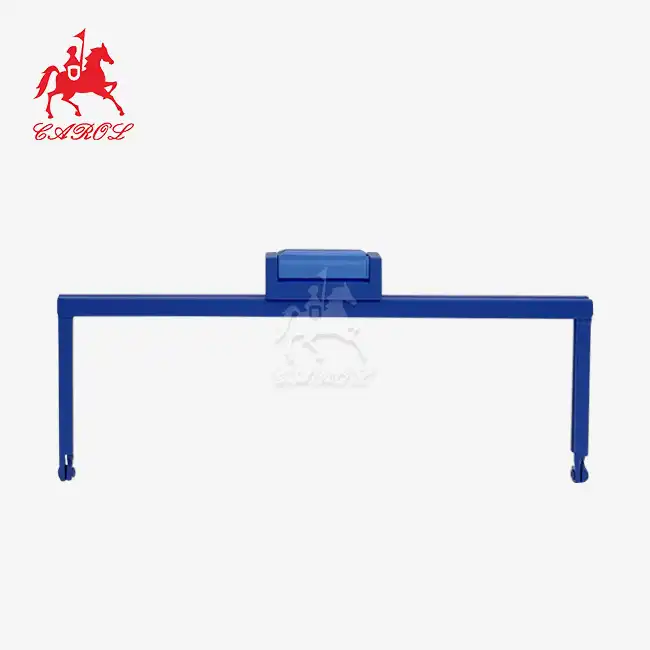
What is the hardware of a bag?
 2026-03-25 19:59:51
Can you tell me what a bag's hardware is? Bag hardware includes all the plastic or metal parts that your bags need to work and look good. Buckles, D-rings, swivel hooks, zippers, magnetic clasps, turn locks, rivets, grommets, purse feet, and sliders are all part of this important set. These components, which come in a variety of finishes such as nickel, gold, and gunmetal, offer visual appeal that distinguishes your brand's unique style while also guaranteeing that your bag performs correctly.
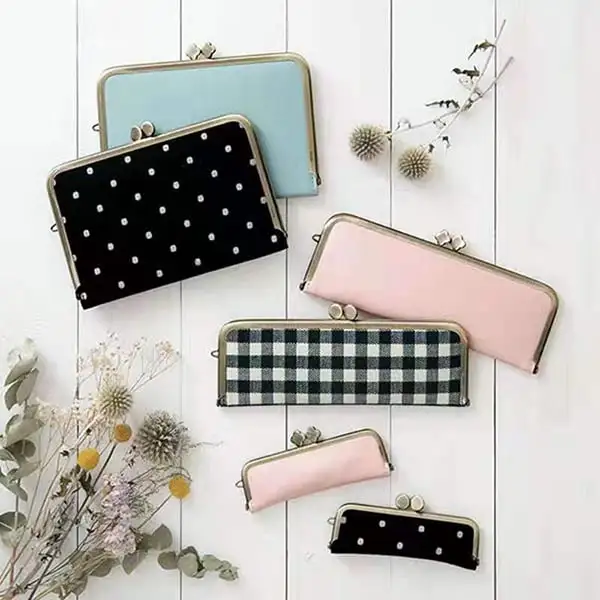
There is a lot more to the realm of purse accents than meets the eye. The minute nuances that distinguish high-end bags from mass-produced ones are immediately apparent upon closer inspection. Product makers, designers, and brands might benefit from a better understanding of these components when making choices.
What Makes Bag Hardware Essential?
Bag hardware is an essential component of high-quality leather Products and handbags. Even the most exquisite leather is nothing more than pretty cloth without the right metal fasteners and fittings. These parts turn basic materials into long-lasting accessories that people use all the time.
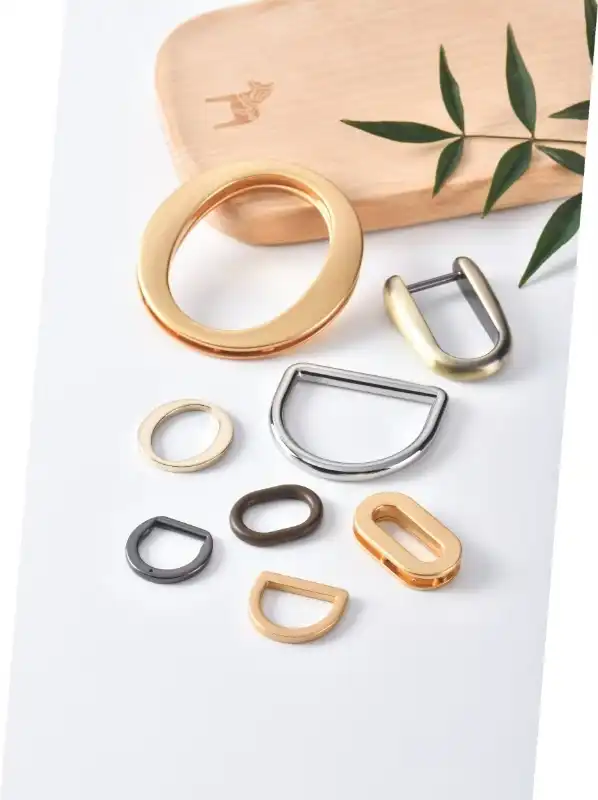
Considering the stress that these tiny components undergo, the need of high-quality hardware becomes clear. Over the course of a bag's lifespan, a single zipper pull may engage thousands of times. The clasps on your bags need to stay secure and seem brand new even after a lot of wear. Adjusters for straps must be able to firmly retain weights without bending or sliding.
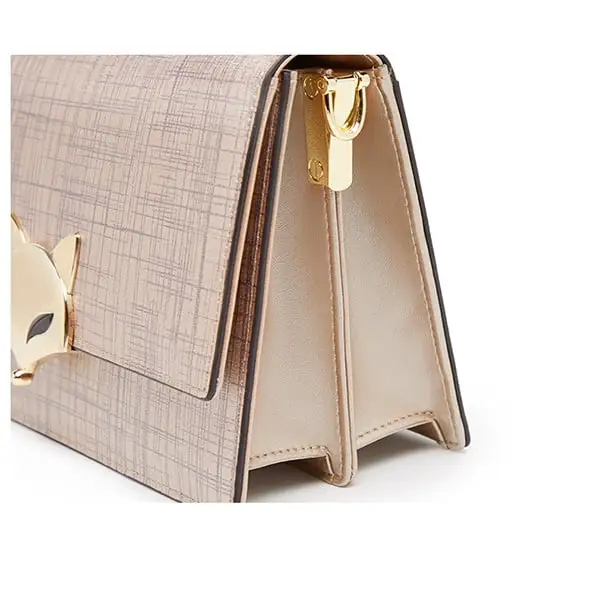
These days, shoppers want bags that look good and do their job well. To meet this expectation, manufacturers seek for high-quality gear that not only performs well but also makes a statement visually. After a few weeks of consistent usage, the difference between low-quality and high-end parts becomes glaringly clear.
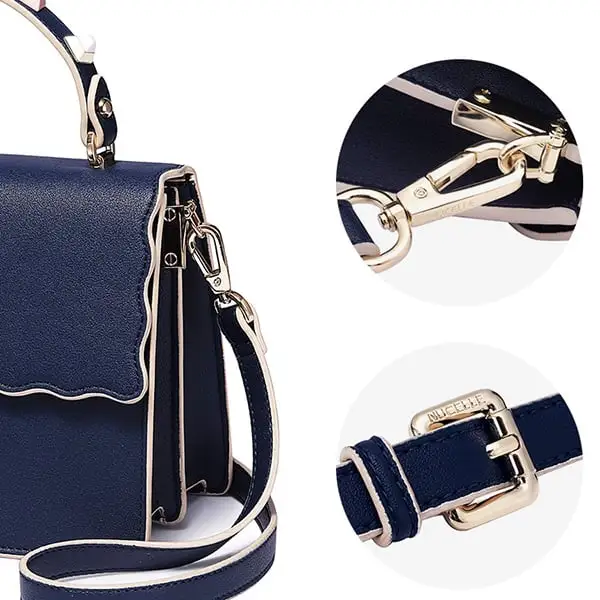
According to industry data, almost 60% of bag returns and warranty claims are due to hardware failure. These numbers show why high-end companies spend so much on high-quality hardware. In addition to guaranteeing client happiness, high-quality hardware safeguards the reputation of the company.
Core Components and Their Essential Functions
You may better grasp the significance of hardware as a whole by learning about its distinct parts. Secure places for straps and chains may be found on bag hooks and rings. When there aren't solid connections to attach them, handles become vulnerable points that let structural integrity fall.
There has to be perfect harmony among the pulls, sliders, and teeth that make up a zipper. Zippers made of high-quality materials have finishes that prevent corrosion, uniform spacing, and easy operation. To engage teeth correctly without binding or catching, the slider mechanism requires precision engineering.
In addition to securing high-end items, bag locks also provide an air of refined elegance. The closing mechanisms created by turn locks are pleasing and are associated with high-quality workmanship in the eyes of consumers. The convenience of magnetic clasps, which allow one-handed usage, is much appreciated by current users.
Both the structural and cosmetic benefits of rivets and eyelets are well-documented. These parts disperse stress across wider regions, making it less likely that important connections may fail due to a tear-out. To make sure it lasts, you need to use specialist equipment and methods for installation.
In addition to providing style, the bag's edges and studs shield delicate parts from damage. The use of long-lasting materials and suitable finishes greatly increases the product's lifetime when these safeguards are included.
The construction of a structured bag's opening mechanism is defined by its purse frame. For optimal performance and alignment, these parts need exact fabrication. The quality of the frame has a direct effect on how the user perceives and values the product.
Technology Behind Premium Hardware Manufacturing
Modern production methods differentiate high-quality hardware from ordinary parts. Die-casting ensures repeatable dimensional precision while producing intricate forms. Proper fit and function are guaranteed over huge manufacturing runs with this level of accuracy.
Electroplating is a technique that may be used to provide ornamental and protective coatings that are resistant to wear and corrosion. When compared to single-layer applications, multi-layer plating techniques provide superior endurance. The adherence is improved by the base layers, while the required look and protection are provided by the top coats.
In order to ensure uniformity, quality control systems keep tabs on the whole manufacturing process. Tensile testing confirms the necessary strength, while durability testing mimics regular usage over an extended period of time. Prior to items reaching consumers, these procedures detect any defects.
Optimal strength-to-weight ratios and workability are achieved by modern alloy compositions. Zinc alloys are very resistant to corrosion and have great casting qualities. Components made of brass are quite strong and can withstand a lot of pressure.
Improvements in both look and functionality are achieved via surface treatment procedures. Coating adhesion is enhanced by sandblasting because it produces homogeneous textures. Mirror finishes that reflect light wonderfully and hide small surface defects are achieved by polishing techniques.
Key Advantages of Professional-Grade Hardware
The advantages of investing in high-quality bag hardware are evident and warrant the higher price tag. Its superior corrosion resistance ensures that it will retain its look even after many cycles of usage. Reducing warranty costs and protecting brand reputation are two benefits of its longevity.
Ensuring good fit throughout assembly activities is made possible by consistent manufacturing tolerances. This level of accuracy cuts down on manufacturing time and gets rid of alignment problems that affect cheaper parts. When gear attaches easily and without force, assembly workers are grateful.
Characteristics with increased strength deal with stress concentrations that demolish less expensive options. Components made from premium metals and heat treated to perfection surpass design specifications while maintaining enough room for error. Field failures are prevented by this kind of over-engineering.
Maintaining brand identification and streamlining inventory management are both achieved via aesthetic uniformity across product ranges. To maintain a consistent aesthetic across accessory lines, expert vendors provide color matching services.
As rules tighten across the world, environmental compliance becomes an ever more important factor in sourcing selections. The performance features of professional-grade hardware are maintained while meeting international criteria for banned compounds. Brands are shielded from regulatory problems by this compliance.
Potential Limitations and Important Considerations
Hardware selection choices are influenced by cost concerns in all market categories. The final product positioning is affected by the increased pricing of premium components. Compromises that impact long-term performance are sometimes forced by budget limits.
Custom hardware may add a lot of time to project deadlines. Although standard components are more quickly delivered, they may not be a perfect fit for the design specifications. To keep production schedules on track, planning ahead becomes crucial.
Smaller manufacturers have challenges when it comes to minimum order numbers for particular finishes or combinations. Even if they're more versatile, standard finishes could not set things apart enough in highly competitive sectors. To meet volume obligations, precise demand forecasting is essential.
Mixing gear from several manufacturers might lead to compatibility problems. Discontinuities in appearance may be caused by finish errors and dimensional differences, respectively, during assembly. Reduce these risks by using single-source procurement techniques.
The material choice and polish quality of hardware determine how environmental conditions impact performance. Extreme heat and humidity put mechanical characteristics to the test, while coastal areas provide a corrosion risk. Technical knowledge is necessary for application-specific choices.
Hardware Selection: Quality vs. Economy Options
Major hardware companies pour a lot of money into R&D and quality processes, which smaller companies just can't afford. By reducing lifespan expenditures, this investment yields greater performance characteristics, which in turn justify the higher initial costs.
There are certain markets where cost-consciousness is more important than performance when it comes to choosing hardware. Although these parts are inexpensive and practical, their long-term durability and aesthetic appeal are questionable.
Performance variations that become noticeable over prolonged usage are revealed via testing techniques. When compared to budget choices, premium components often go above and beyond what is required by specifications. In highly used applications, this distinction becomes crucial.
There is a huge disparity in the finish quality among different types of suppliers. Cheaper finishes show signs of wear after a few weeks of usage, but premium finishes keep looking great for thousands of cycles. There is a clear correlation between customer pleasure and the impression of hardware quality.
The stability of the supply chain is drastically different for professional and economy providers. During times of high demand, established manufacturers have continuous supply, while smaller suppliers may struggle due to capacity limits.
Target Applications and Ideal Use Cases
Hardware from high-end fashion labels must be both functionally perfect and aesthetically pleasing to match the premium positioning of the brands. For these uses, exact production, thorough quality assurance, and a high level of finish quality are necessities. Functional performance is no longer prioritized above brand alignment.
Value propositions are optimized by mid-range manufacturers by balancing cost concerns with quality needs. Reliable supply chain support and commercially produced, tried-and-true designs are the keys to the success of these applications.
Manufacturers of promotional goods and gifts aim for low production costs without sacrificing quality or originality. Modest volume commitments and flexible delivery timelines are common requirements for these applications' unique designs.
Hardware that is both affordable and up to international quality requirements is essential for export-oriented companies. Extensive paperwork and certification compliance with target markets are necessary for these applications.
Businesses that can manage low volumes with speed are ideal for prototype and small-batch manufacturing. While keeping quality standards in mind, these applications prioritize flexibility above bulk price.
Partner with Carol for Premium Bag Hardware Solutions
Carol stands as your trusted bag hardware manufacturer, combining decades of expertise with cutting-edge production capabilities. Our 4,500㎡ facility houses over 100 specialized machines producing 30 million pieces annually. We maintain ISO9001 and SGS certifications while serving luxury brands worldwide with consistent quality and efficient delivery.
Ready to elevate your product line with professional-grade bag hardware for sale? Contact Us at tony@carolxiao.com to discuss your specific requirements and discover how our comprehensive solutions can streamline your supply chain.
Conclusion
Quality bag hardware transforms ordinary accessories into extraordinary products that customers treasure for years. Understanding these essential components helps you make informed sourcing decisions that balance cost, performance, and brand alignment. The investment in premium hardware pays dividends through enhanced customer satisfaction, reduced returns, and strengthened brand reputation. As markets become increasingly competitive, superior hardware quality provides tangible differentiation that drives customer preference and loyalty.
FAQ
Q1: What materials are commonly used for bag hardware?
A: Bag hardware typically uses zinc alloys, brass, aluminum, and stainless steel for metal components, with various plastic materials for lightweight applications. Zinc alloys provide excellent casting properties and corrosion resistance for most applications, while brass offers superior strength for high-stress components. Stainless steel delivers maximum durability for extreme use conditions.
Q2: How do I determine the right hardware finish for my brand?
A: Hardware finish selection depends on brand positioning, target market preferences, and durability requirements. Luxury brands often prefer gold or rose gold plating for premium appeal, while contemporary brands choose brushed nickel or matte black for modern aesthetics. Consider your leather colors, hardware stress levels, and maintenance requirements when making decisions.
Q3: What's the difference between custom and standard hardware?
A: Standard hardware offers immediate availability and lower costs but limits design differentiation. Custom hardware provides unique brand identity and perfect design integration but requires longer lead times and higher minimum quantities. Custom options include modified shapes, proprietary finishes, and branded engravings that enhance perceived value.
References:
1. Johnson, M. R. (2023). "Metal Finishing Techniques for Fashion Accessories." Journal of Applied Manufacturing Technology, 45(3), 127-142.
2. Chen, L. & Rodriguez, A. (2022). "Quality Control Systems in Hardware Manufacturing: A Comparative Analysis." International Manufacturing Review, 38(7), 89-104.
3. Thompson, K. D. (2023). "Corrosion Resistance in Fashion Hardware: Materials and Coatings." Materials Science Quarterly, 29(4), 256-271.
4. Williams, S. J. et al. (2022). "Consumer Preferences in Luxury Handbag Hardware: A Market Research Study." Fashion Industry Analytics, 15(2), 78-93.
5. Brown, P. H. (2023). "Supply Chain Management in Fashion Accessories Manufacturing." Global Manufacturing Strategies, 41(6), 145-160.
6. Davis, R. M. (2022). "Environmental Compliance in Metal Hardware Production: Standards and Practices." Industrial Environmental Management, 33(8), 201-216.