_1753256285958.png)

_1754990596544.webp)
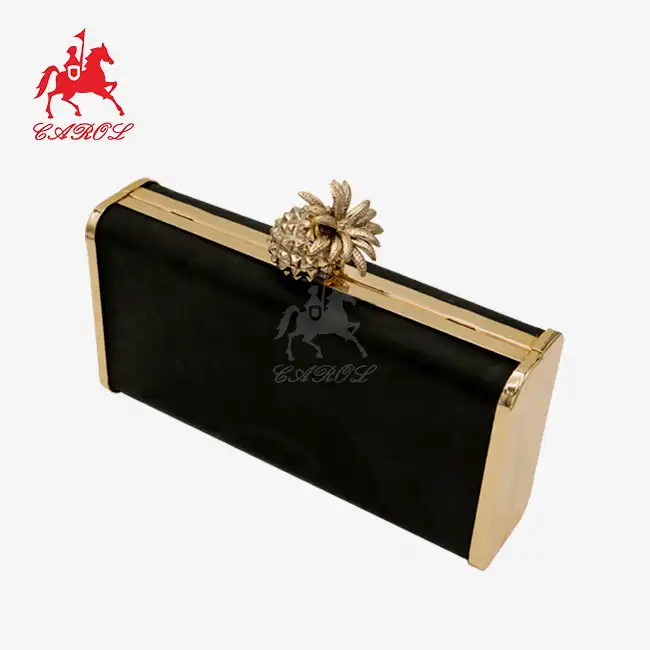
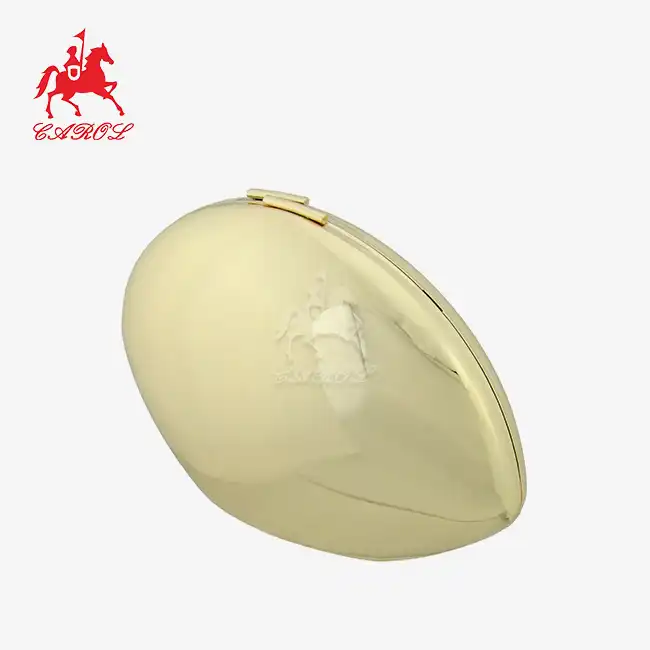
What is the metal on handbags called?
 2026-07-11 19:45:39
This group of metal parts on handbags includes the shiny clasp on a luxury clutch and the structural frame that gives an old purse its unique shape. It's called handbag hardware or, more specifically, handbag metal frames. These important parts do two things: they keep the structure strong and improve the way it looks. Anyone who makes, buys, or designs handbags needs to know how these metal parts work and what their different properties are.
Frames made of metal are very different from fittings like rings and chains that are used for decoration. They are the framework of some types of bags, describing how they open and keep their shape over time. This book talks about the technical details, material options, production methods, and sourcing plans that are most important to B2B buyers, makers, and brand managers. These tips will help you make choices that balance quality, cost, and market appeal, whether you're starting a line of high-end handbags or handling supply chains for making leather goods.
What Are Handbag Metal Frames?
Defining Metal Frames and Their Purpose
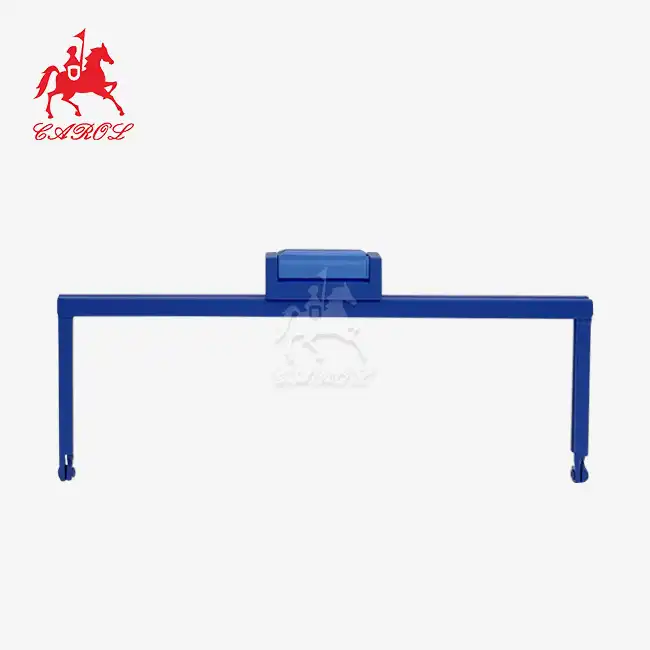
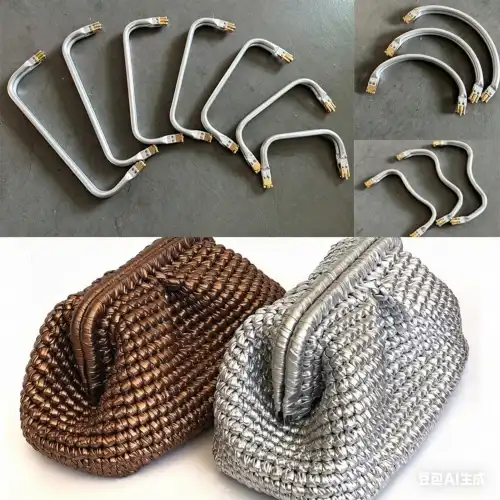
Handbag metal frames are specialized pieces of hardware that are used to structure bag openings and firmly connect handles. Unlike artistic elements, these frames are put under mechanical stress when they are opened and closed over and over again. They keep pieces of cloth or leather in place, giving the bag clean lines and a professional look that sets it apart from poorly made bags. The frame is like a doorway, both literally and figuratively, between the inside of the bag and the outside world.
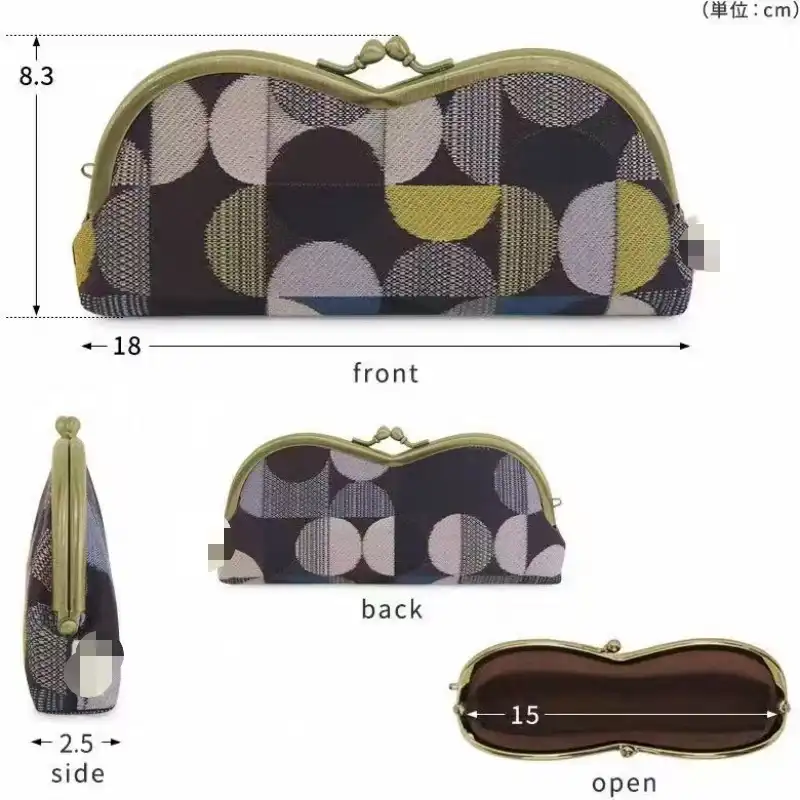
In the Victorian era, these parts were just simple metal lines bent into shape. Today, they are made with CNC machines and are very precisely designed. Brass and steel were used in the early frames because they were strong and easy to shape. Iron, aluminum, and special metals that meet certain weight, toughness, and appearance standards are used in modern production. The change shows a bigger trend in manufacturing: from handiwork by artisans to scalable industrial methods that keep quality while cutting costs.
Common Materials and Their Properties
Iron frames, like our 20 cm kisslock metal purse frame that is finished in brushed antique brass, last a long time and don't cost too much. Electroplating, powder coating, and brushed finishes are just a few of the surface processes that iron can take. This lets producers create a wide range of looks. Stainless steel is very resistant to corrosion, which makes it perfect for bags that will be used in wet or seaside areas. Brass has warm tones and an old-fashioned look, but it needs to be coated to keep it from rusting.
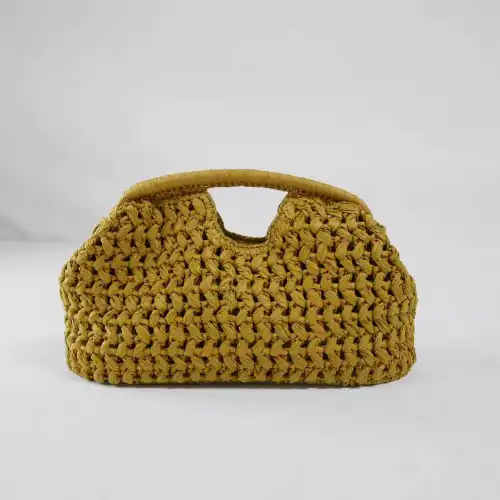
Aluminum wins as the lightweight winner, with bags made of aluminum weighing up to 40% less than bags made of iron. This is very important for evening bags, where comfort is important for long-term holding. There are pros and cons to each material when it comes to weight, power, cost, and appearance. Material choices must be in line with what the target market wants. For example, high-end brands tend to use brass and stainless steel, while mass-market brands often pick iron because it is both strong and cheap.
Distinguishing Frames from Other Hardware
Clasps, buckles, and decorative bands are not the same as metal frames in a basic way. Frames give the bag its shape and define its opening, while clasps only hold closing in place. A frame usually goes around the whole opening of the bag. It can be as short as 8 cm for coin purses or as long as 30 cm for bigger handbags. For this structural role, higher technical standards are needed—frames have to be able to withstand thousands of opening cycles and keep their orientation to within millimeters.
Knowing this difference is important when negotiating with a seller. Hardware suppliers who focus on decorative parts need different skills than frame makers. Specialized frame makers buy testing tools like cycle life machines, alignment jigs, and salt spray tanks to make sure their frames work well in real life. When looking for suppliers, business-to-business buyers should make sure that the suppliers have these quality control systems. This is especially important for goods aimed at high-end markets, where a broken part can really hurt the brand's image.
Types and Sizes of Handbag Metal Frames
Kiss Lock Frames: Mechanics and Applications
There are two connecting beads on kiss lock frames. When the handbag metal frames are closed, you can hear a "kiss" sound. To give satisfactory tactile feedback without needing too much force, this device depends on precise alignment and spring tension that has been calibrated. This group includes the 20 cm x 6.5 cm kisslock frame, which is the right size for medium wallets, coin purses, and makeup bags where quick access is more important than security against determined theft.
Quality kiss lock systems go through a lot of tests. Manufacturers test the hinges' durability by opening and closing them 5,000 to 10,000 times and looking for signs of wear and tear or tension loss. Electroplated finishes can stay in damp places for 24 to 72 hours without rusting or peeling, according to tests using salt spray. These standards tell the difference between parts that work well and ones that don't and break after a few months of daily use.
When used in certain situations, kiss locks work great. Evening bags look good and are easy to carry because they are slim. Larger kiss lock frames are used on professional medical bags because they make it easier to get to tools quickly. DIY makers like kiss locks because they are easy to set up—the frame channels can hold cloth edges that are glued or crimped in place, so you don't have to do all the complicated sewing that other frame types require.
Snap Lock, Zipper, and Vintage Frame Variations
There are no kissing beads on snap lock frames; instead, they use magnetic or mechanical catches. They are safer than kiss locks, but you don't get the physical pleasure that kiss locks do. In structured bags where full closing is more important than quick access, zipper frames often have metal tracks that guide the zipper mechanisms. Frames from the past often have intricate designs and hinges that look like they belong in the past. These features are popular in retro-styled bags aimed at specific markets.
Size differences cover a huge range. Coin purse frames are 8 to 12 cm tall, clutch frames are 15 to 25 cm tall, and doctor bag frames can be over 35 cm tall. While there are standard sizes, custom measurements let creators give their goods unique proportions that set them apart. A high-end brand might choose a 22.3 cm frame to make unique bag shapes that become brand symbols.
The choice of frame is based on how well the style fits with the target market. High-end brands like metal frames with finishes that are hand-polished and tight production tolerances that make closures that fit perfectly. The painted iron frames of casual bags are a good compromise between price and sturdiness. For vintage-style imitation bags, the frames need to have patina finishes and designs that are right for the time period. Knowing these connections helps procurement professionals match parts with brand positioning, making sure that hardware choices support the general message of the product instead of going against it.
How to Choose the Right Metal Frame for Your Handbag Products?
Evaluating Durability and Weight Requirements
Durability tests start with the choice of material and include the quality of the production process as well. Iron frames have a tensile strength of more than 400 MPa, which is strong enough for most handbag metal frame uses. Stainless steel raises this to 500 MPa or more, which is only needed when bags often carry big things. When choosing a bag style, weight is very important. Evening clutches need frames that are very light, but structured satchels can have heavy parts that make them look better.
Standardized tests give us clear ways to measure things. Manufacturers with a good reputation put 50 to 100 Newtons of force on frame parts to make sure they don't bend. Impact testing involves dropping heavy bags from normal heights, which makes sure that the frames stay together. Exposure to salt spray is like years of environmental stress squished into a few days. This shows covering flaws before goods reach stores.
The best choices are those that strike a mix between longevity and weight. Aluminum frames that weigh 30 grams might be enough for handles that are only used for a short time at events in the evening. Structured handbags that are carried every day benefit from 65-gram iron frames that stay in shape even when they are under a lot of stress. Instead of aiming for maximum longevity no matter what the application is, procurement decisions should be based on real use cases. This way, costs that aren't necessary and don't add any functionality are avoided.
Metal Versus Plastic: Material Comparison
When compared to plastic frames, metal frames are stronger, last longer, and look more expensive. Metal can handle multiple stress cycles—10,000 or more openings—and still stay in place. UV light and changes in temperature break down plastic frames, making them weak and easy to crack after two to three years. Plastic parts are instantly recognizable to high-end customers as being cheap, even if there are other signs of quality.
In some situations, plastic frames are better than wood frames. Because they cut weight by 60%, they are very important for kids' bags or very light travel items. With injection casting, you can make complicated geometric shapes that are hard to make with metal production. Costs are cut by forty to fifty percent, which is appealing when goal prices call for extreme thrift.
The choice depends on how the business is positioned and who the target audience is. Premium brands need metal frames to meet customer standards; putting plastic parts in bags that cost $200 or more hurts the brand's reputation and makes people want to return them. To balance cost and appearance, mid-market names might use metal frames for hardware that people can see on the outside while taking plastic for parts that are inside. Knowing these trade-offs helps you choose key parts that fit with your overall price and marketing plans.
Conclusion
It's important to find the right handbag metal frames by combining technical requirements, artistic concerns, cost factors, and the supplier's capabilities. Knowing about frame types, materials, production methods, and quality standards helps you make smart choices about which parts to use that are in line with your brand's messaging and the expectations of your target market. When made to the right standards, kiss lock frames like the 20 cm brushed antique brass type can be used for a wide range of things, from coin purses to evening bags. Strategically choosing suppliers based on quality assurance, production capacity, customizable freedom, and delivery reliability lowers risks while allowing product differentiation that makes it easier to compete in handbag markets that are getting more crowded.
FAQ
What metals provide the best durability for handbag frames?
Stainless steel is the most durable material because it has a tensile strength of over 500 MPa and is very resistant to rust. Iron is very strong for its price, and it works well in most situations when it is properly finished. Brass has the right amount of mechanical qualities and a unique, warm look. Aluminum is light, but it doesn't last as long as other materials. Choosing relies on the purpose—evening clutches focus on being light, while daily-use bags focus on lasting a long time.
Can I order custom frames in bulk with specific branding?
Of course. For equipment expenses to be worth it, custom orders usually need at least 5,000 to 10,000 pieces of these handbag metal frames. Customization includes choosing the size, material, finish, and any extras you want, like laser etching or stamped logos. Suppliers offer development services, which involve making models for approval before the full production starts. Lead times for special items range from 6 to 10 weeks, based on how complicated they are. Working with experienced sources speeds up this process by giving advice on how to improve the design so that it can be made more easily.
How do metal frames affect overall handbag weight?
The weight of a frame depends on the size and material. A 20 cm iron kiss lock frame weighs around 50 to 65 grams, while a metal frame of the same size weighs 20 to 30 grams. This is very important for wallets and dinner bags that people carry for a long time. Bigger satchel frames can weigh more than 100 grams, which isn't a big deal when the bags are worn over the shoulders instead of being carried by hand. Weight should be taken into account based on the type of bag and how it will be used.
Partner with Carol Metal for Premium Handbag Frame Solutions
All of Carol Metal's handbag metal frame making skills are ready to help you with your handbag production needs. Our 4,500㎡ factory makes 30 million precision-engineered frames every year, in a range of styles, from basic kiss lock designs to fully personalized ones. Through in-house electroplating, we keep full control over production, which lets us guarantee stable quality and keep your production lines running smoothly.
Our ISO9001 and SGS certifications show that we have a system for managing quality, and our tensile machines, salt spray chambers, and cycle life tests make sure that every frame meets strict standards for sturdiness. Our flexible capacity can handle both new brands and well-known makers, whether you need 1,000-piece trial orders to try out new designs or full containers of well-known goods. Email our team at tony@carolxiao.com to talk about your needs and get samples of our 20 cm kisslock frames with a brushed antique brass finish. You can also look into how our handbag metal frame supply services can help your product line.
References
1. Thompson, M. (2021). Hardware Components in Luxury Handbag Manufacturing: Technical Standards and Quality Criteria. Fashion Industry Press.
2. Chen, L. & Rodriguez, P. (2020). Metal Finishing Techniques for Fashion Accessories: Electroplating, Coating, and Surface Treatment Methods. Industrial Manufacturing Quarterly, 45(3), 127-145.
3. Davidson, S. (2022). Supply Chain Management for Fashion Hardware: Sourcing Strategies and Supplier Evaluation. Textile Business Review.
4. International Organization for Standardization. (2019). ISO 9001:2015 Quality Management Systems—Requirements for Fashion Component Manufacturing.
5. Williams, J. (2020). Kiss Lock Mechanisms: Engineering Analysis of Closure Systems in Small Leather Goods. Journal of Fashion Technology, 18(2), 89-104.
6. Martinez, A. & Singh, R. (2021). Material Selection for Fashion Hardware: Comparative Analysis of Iron, Brass, Stainless Steel, and Aluminum Alloys. Materials in Design, 34(4), 201-218.