_1753256285958.png)

_1754990596544.webp)
What is the most reliable locking mechanism for carabiner?
 2026-08-21 21:13:26
When specifying hardware connectors for high-stakes applications, the most reliable locking mechanism for a large locking carabiner depends on operational context and risk tolerance. Auto-locking mechanisms—including twist-lock and triple-action variants—dominate technical rescue and industrial rope access environments because they eliminate human error by automatically securing the gate upon release. Screw-gate locks remain the industry standard for climbing and outdoor sports, offering manual control and proven durability across millions of field cycles. The key to reliability lies not in choosing the "best" mechanism universally, but in matching gate design, locking action, and material composition to the specific load profile, environmental exposure, and user competency level of your application. Understanding these variables transforms a simple purchasing decision into a strategic safety investment.
Understanding Locking Mechanisms in Large Carabiners
What Defines a Large Locking Carabiner?
When normal connections don't have enough gate clearance or internal volume, a large locking carabiner can handle multiple attachment points or hardware that is too big for the connector. These connections, which usually have gate openings bigger than 22mm and load values higher than 25kN, are used as master links in complicated rigging systems. Size directly affects functionality: a bigger basket keeps the ropes from wearing out, keeps the gates from getting in the way when loading in more than one direction, and makes it easier to work with gloves on or heavy tools.
Carol Metal makes zinc alloy carabiner hooks that are 67 mm x 25 mm and have a 25 mm inner gap. This gives them plenty of room for keychain assemblies, attaching camping gear, and other outdoor uses. This design strikes a good mix between mobility and functionality by having a nickel finish and weighing only 35.3 grams. It shows how careful sizing can meet realistic field needs.

Common Locking Mechanism Types
Different locking methods deal with different types of failure. Knowing how they work helps users match the specs of gear with the risks that come up in real life.
Screw-Lock Mechanisms: This is the most common type. It has a threaded cover that you have to screw over the gate nose by hand. Simple things are more reliable because they don't have any moving parts or worn-out springs. Users like that they can feel when the device is engaged, and it works reliably in a wide range of temperatures. The trade-off is that it needs to be actively secured, which means that users could miss something during high-stress situations.
Twist-Lock and Auto-Lock Systems: These use spring-loaded plates that go back to the locked position when the handle is released. To open a twist lock, you have to twist and pull it, but a full auto-lock engages without any rotating step. Their advantage in terms of dependability comes from not having to worry about leaving gates open. Industries like these designs because they make operators less reliant on their own judgment, which is helpful when workers are responsible for multiple link points at once.
Triple-Action and Magnetic Locks: Triple-action systems need three separate movements—usually a twist, a pull, and a lift—to open the gate. This makes it very hard for someone to open it by accident. Rare-earth magnets hold the sleeve in place, and magnetic locks can be opened quickly with one hand. These more complex systems are only used in certain situations where the extra cost is worth it for maximum security or quick operations.
The dependability equation compares the chance of failure to the complexity of the machine. Screw-locks and other simple devices have fewer places where they could break, but people are more likely to make mistakes with them. This connection is turned around in automatic systems, which are willing to deal with a little more technical complexity in order to get rid of failure modes that depend on the user.
Evaluating the Reliability of Locking Mechanisms
Technical Performance and Safety Standards
The dependability of a large locking carabiner locking device depends on the materials that make it up. Professional-grade carabiners are made of steel that has been heated and a 7075-T6 aluminum alloy. Aluminum has better strength-to-weight ratios, which is important for mobile uses. Steel, on the other hand, is the most durable material for fixed installs that will be loaded and unloaded over and over again. Carol Metal's zinc alloy construction resists rust and maintains its structural integrity, making it perfect for everyday outdoor and industrial accessory uses where resistance to impact and stability in harsh environments are more important than high load requirements.
Ratings for load only show a small part of how reliable something is. When looking at accidental unlocking cases, the gate-open strength, which is usually 30% lower than the closed-gate grade, becomes the most important factor. When the gate is loaded from the side, good closing mechanisms keep it in place. This stops the pressure forces that can damage cheaper designs. As required by EN 362 and ANSI Z359.12 standards, testing procedures check not only the final breaking strength but also the resistance to cyclic wear over thousands of opening cycles.
Comparative Assessment: Ease of Use vs. Security
The tension between working speed and fail-safe guarantee is something that procurement teams have to deal with. Screw-gate systems work best when users have time to check connections, like when climbing and need to give each link their full attention. The manual interaction acts as a safety check and reinforces the right way to join.
In fast-paced workplace settings, auto-locking systems work better. Self-securing gates are helpful for tower workers who work at height and have to keep track of many lanyards while focused on their work. Case studies from rescue operations show how automatic locking stopped people from falling when they were too tired or stressed to lock screw-gates by hand. When you add up the speed edge over hundreds of daily contacts, it lowers both risk and operational friction.
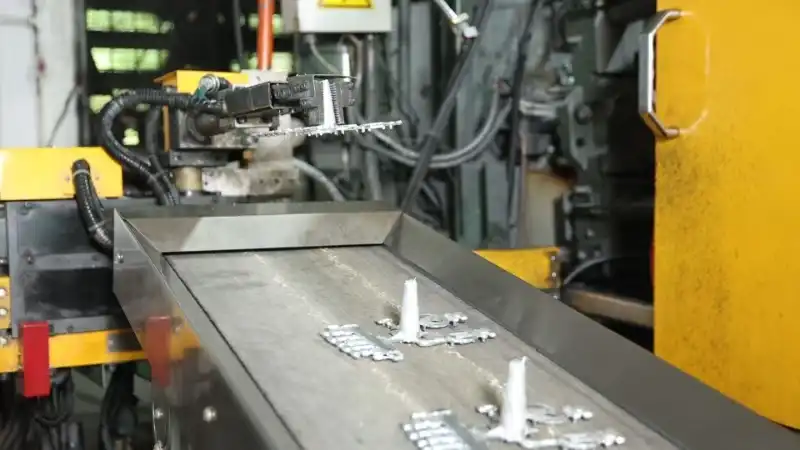
Reliability in the real world goes beyond tests done in a lab. Conditions in the field include things like mud getting into the system, ice forming, and mechanical wear that make closing less effective. Precision machining limits and surface treatments are two ways that good makers deal with these problems. Carol Metal's own electroplating facilities make sure that the nickel finish is uniform and doesn't rust, so the product will keep running smoothly for a long time. This all-in-one quality control, which includes choosing the raw materials and treating the surface, shows how manufacturing skills directly affect effectiveness in the field.
Maintenance and Safety Tips for Large Locking Carabiners
Routine Inspection Protocols
To keep locking mechanisms reliable, they need to be inspected on a regular schedule. A visual check should show any gate alignment issues, sleeve thread wear, or surface rust that get in the way of smooth operation. When gates are opened and closed without any load, functional testing shows signs of approaching failure, such as binding, rough action, or reduced spring tension.
The amount of use and weather contact affect how often inspections are done. Industrial uses that are loaded and unloaded every day need to be inspected carefully once a month, while camping gear that is only used occasionally needs to be checked before the season starts. The checking process doesn't have to be hard; the gate opens easily and doesn't stick; the locking sleeve threads connect without cross-threading; and there are no cracks visible in high-stress areas like the gate hinge or nose.

Environmental Factors Affecting Longevity
Exposure to moisture speeds up rust in parts that don't have enough surface protection. Carol Metal's zinc alloy items come standard with nickel plating, which acts as a good shield against dampness and light chemicals. When you clean regularly, you get rid of contaminants before they damage this protected layer. A simple rinse in fresh water after being in sea or mud greatly increases the service life.
Extreme temperatures have different effects on different systems. When it's below zero, auto-locking springs may become stiff, making it take more force to squeeze them. If water freezes inside the tube, the screw-gate threads can get stuck. Knowing these limits helps users plan for changes in performance and change how often they check based on the season. Many temperature-related breakdown processes can be slowed down by storing things in climate-controlled areas between uses.
People who work in industrial areas need to pay extra attention to chemical pollution. Solvents, acids, and petroleum Products can break down metal surfaces and any lubricants inside closing mechanisms. Making sure that the working environment and material standards are compatible stops failure before it happens. Carol Metal's technical consulting services help buyers make these kinds of choices about specifications, making sure that the materials they choose are right for the conditions they will be exposed to.
Market Trends and Future Outlook for Locking Mechanisms
Innovations Reshaping the Industry
New ideas are changing the industry. The next big thing in large locking carabiner is smart-locking technologies that use load sensors and digital tracking. These systems let people know when links get close to their load limits or stay open. They do this by adding digital verification layers on top of mechanical reliability. Sensors are currently only useful in high-value industry settings, but as they get smaller and cheaper, they will be able to be used in more places.
More recent progress in material science has made it possible to get better strength-to-weight ratios without lowering reliability. While titanium alloys and advanced aluminum composites are better at what they do than standard materials, they are currently only used in a few specific situations because they are more expensive. New technologies in the manufacturing process, such as precise forging and computer vision-based automatic quality checking, make the process more consistent while lowering the cost of production.
Implications for B2B Procurement Strategies
Changes in the prices of raw materials and problems with transportation put constant pressure on global supply lines. More and more, buyers value a stable provider and clear communication over small cost benefits. Customers don't have to worry about the communication problems that come with multi-vendor supply lines because Carol Metal does all of its own electroplating and final assembly. This combination keeps prices stable and keeps schedules reliable.
As brands look for gear that fits their changing design languages, the ability to customize it becomes a way to stand out. When you can choose the size, finish, and branding of hardware within an acceptable minimum order quantity, it goes from being a simple buy to an important part of your design. Carol Metal's OEM/ODM services support this trend by helping with creation from the beginning of the idea to the final product. This collaborative method works especially well for mid-tier brands that don't have their own hardware tech staff.
Sustainability concerns change the standards for buying things. More and more, choosing a provider is based on certifications that prove fair labor practices and environmental compliance. Carol Metal's SMETA and Sedex credentials provide this kind of security. Buyers know that the duty of the supply chain goes beyond the specifications of the product and includes the effects of the production process on people and the environment.
Conclusion
To choose the most reliable locking device, the gate design, the working setting, and the level of skill of the users must all be matched to specific risk profiles. In workplace settings where human error is most likely to happen, auto-locking systems are most common. On the other hand, manual screw-gates are used when connection proof is desired. How well theoretical reliability works in the real world depends on the quality of the materials, the accuracy of the making, and the credibility of the provider. When buyers are trying to find the best balance between safety, cost, and brand alignment, partners who offer flexible design, thorough testing, and stable production capacity are very helpful. Smart integration and new materials are what will make locking mechanisms of the future, but when buying things today, we should focus on tried-and-true designs that are made with great care.
FAQ
What distinguishes large locking carabiners from standard sizes?
Large locking carabiners have gate holes that are usually bigger than 22 mm and internal areas that can fit a lot of ropes or big hardware. This size keeps gates from interfering with complicated rigging and keeps ropes from wearing out when they are loaded in more than one way. Standard carabiners are used for single-connection tasks where weight or room limits are more important than the need for more capacity.
Which locking mechanism balances security with operational speed?
Twist-lock auto-locking systems are the best mix because they don't need to be locked by hand and require conscious effort to open. This design lowers the chance of user mistake without the problems that come with triple-action systems. Triple-action complexity is needed for applications that need the highest level of security, while screw-gates are fine for easy keychain or ornament uses.
Can locking carabiners serve across multiple industries?
Modern locking carabiners are amazingly useful in a lot of different industries. For a gate to close securely under load, it needs to meet basic standards for industrial safety, rescue operations, climbing, and outdoor tools. Specifications for materials and load levels must match industry standards, but basic locking concepts work well in all fields. Because Carol Metal can be customized, a single production base can be used for a variety of tasks by making small changes to the specifications.
Partner with Carol Metal for Reliable Locking Hardware Solutions
When working with a large locking carabiner manufacturer that combines production scale with customization freedom, it's easy to find the locking mechanism specs you need. Carol Metal can make 30 million pieces a year, which is enough for both small runs of prototypes and long-term large sales. Every carabiner hook in our combined quality system—which has been checked by ISO9001, SGS, SMETA, and Sedex—meets exact requirements. The 67 mm x 25 mm zinc alloy design with nickel finishing is a good example of how we work: we balance dependability, good looks, and low cost. From the first design meeting to the final delivery, our technical team gives you the application knowledge that turns choosing hardware from a guessing game into a strategic advantage. Get in touch with tony@carolxiao.com to talk about how our OEM/ODM services and full-spectrum tests can help you meet your needs. Visit carolhardware.com to learn more about all of our products.
References
1. Pavier, M. (2019). Carabiner Strength and Design: Engineering Principles for Climbing Safety. Mountain Equipment Research Institute.
2. Industrial Safety Equipment Association. (2021). Comparative Analysis of Locking Mechanisms in Fall Protection Hardware. ISEA Technical Report TR-2021-14.
3. Williamson, J. & Chen, L. (2020). Material Science in Load-Bearing Connectors: Aluminum Alloys vs. Steel Applications. Journal of Applied Metallurgy, 45(3), 112-128.
4. European Committee for Standardization. (2018). EN 362:2018 Personal Protective Equipment Against Falls from a Height—Connectors. CEN Standards Publication.
5. Reynolds, T. (2022). Field Performance of Auto-Locking Carabiners in Technical Rescue Operations: A Five-Year Study. International Rescue Equipment Journal, 18(2), 67-81.
6. Zhao, K. & Martinez, R. (2023). Emerging Technologies in Smart Safety Hardware: Sensor Integration and Real-Time Monitoring. Advanced Manufacturing Review, 31(1), 44-59.