_1753256285958.png)

_1754990596544.webp)
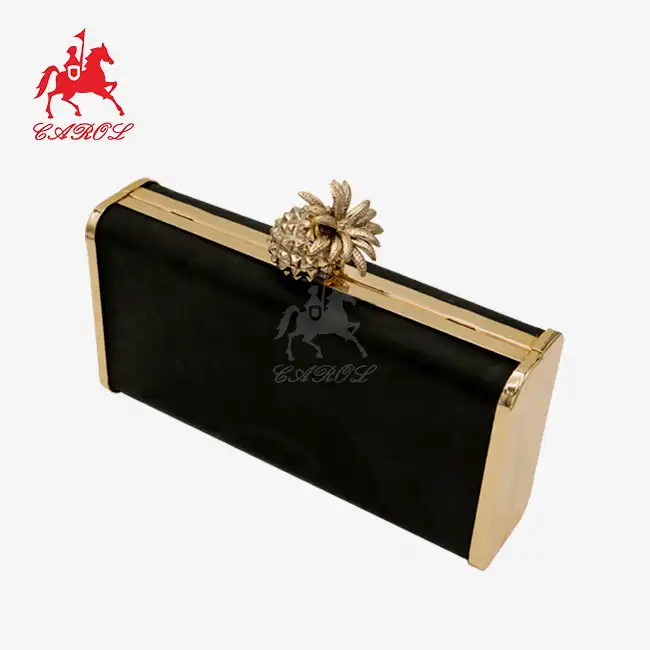
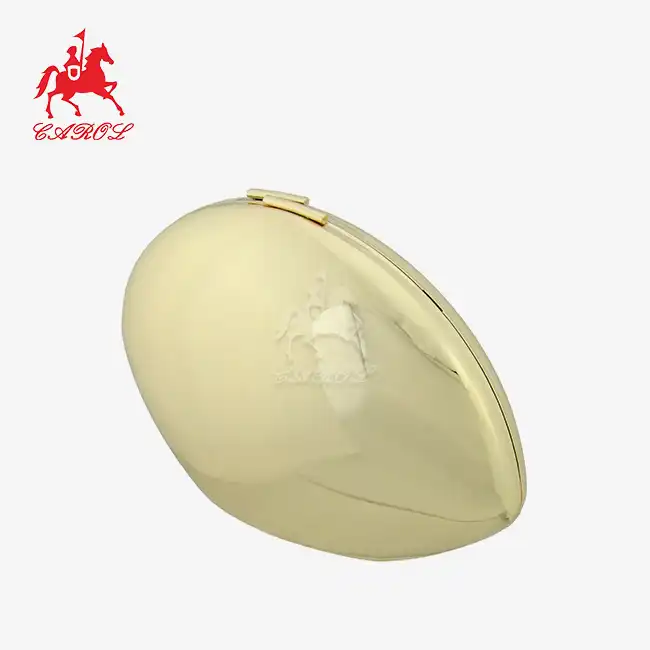
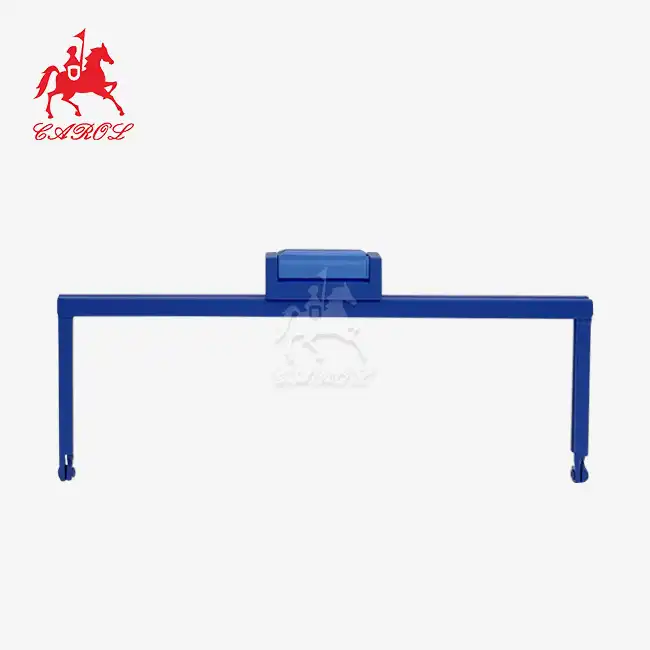
What is the purpose of a twist lock?
 2026-03-27 23:46:38
A twist lock is a kind of mechanical fastener that uses a revolving locking mechanism to secure containers, tools, and accessories. Its main function is to provide dependable, tamper-proof fastening that can tolerate a lot of movement and stress. these locks are used in the fashion and accessory industries as both practical closing mechanisms and decorative design components, providing companies with an elegant way to combine security and style in handbags, purses, and high-end leather items.
Introduction
Twist locks are an essential part of contemporary production in a variety of sectors, from luxury fashion items to shipping containers. Because they are more reliable than conventional closure techniques, these mechanical devices have completely changed the way we think about safe fastening systems. Hardware solutions that provide both functional excellence and design sophistication are becoming more and more necessary in the global B2B procurement market.
This thorough manual meets the essential requirements of manufacturers, design teams, and procurement specialists who want to comprehend the many uses of twist lock mechanisms. Knowing the basic ideas, advantages, and selection criteria for locks guarantees that you make well-informed decisions that meet your operational needs and quality standards, whether you're purchasing parts for high-end handbags or industrial machinery.
Lock technology is very useful in the fashion sector, as these devices serve as both practical closures and unique design elements.ements that enhance brand identity and user experience.
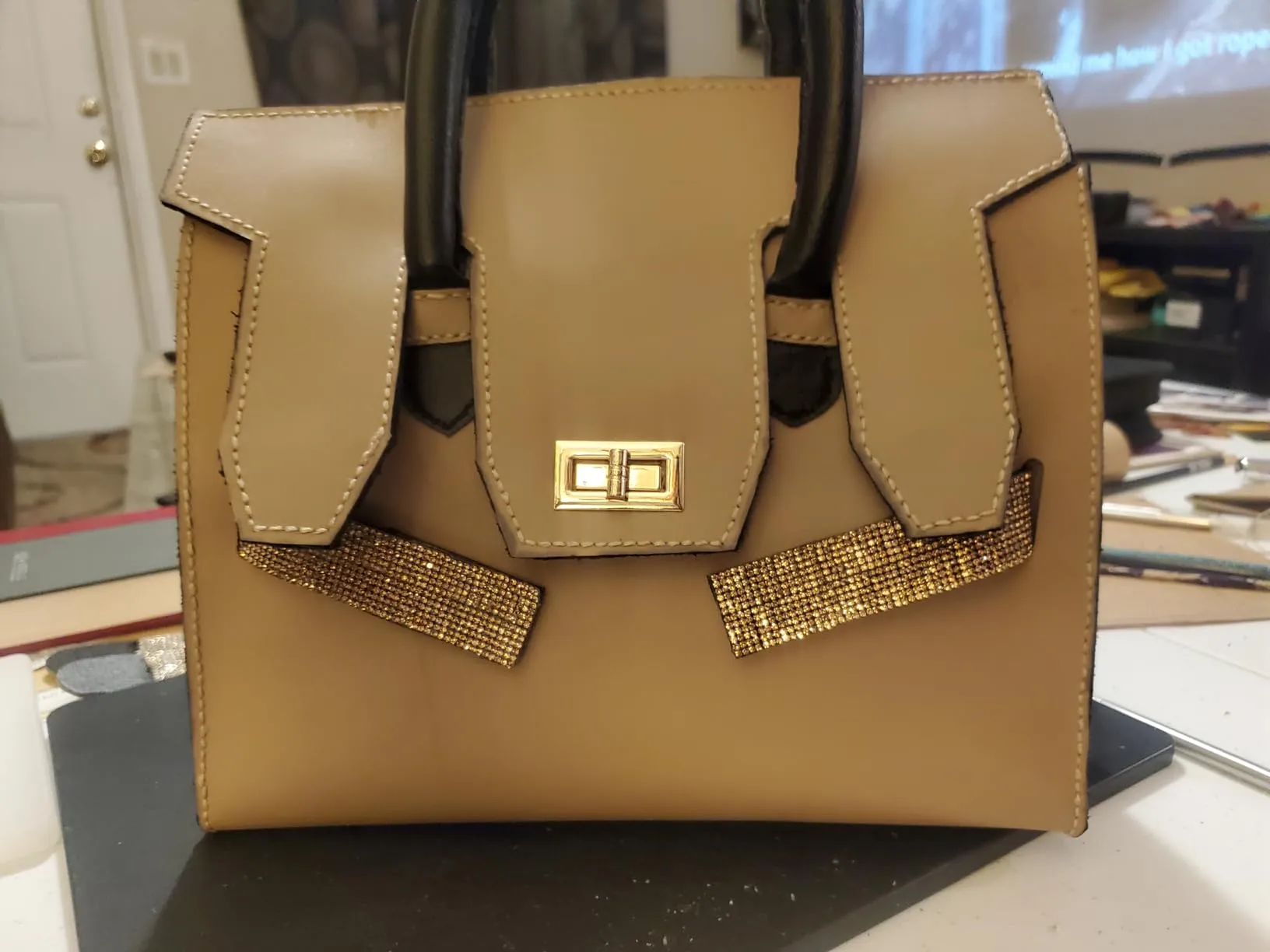
Understanding Twist Locks: Definition and Mechanism
Fundamental Working Principles
A rotating mechanism that engages locking tabs or cams with matching receptacles is how twist locks work. The device creates a secure connection that resists unintentional disengagement when it is spun, usually 90 degrees, from an open to a locked state. Robust performance under a range of load circumstances is ensured by the mechanical advantage created by the twisting action, which distributes stress uniformly throughout the locking surface.
For reliable functioning, the engineering of twist lock mechanisms depends on exact tolerances and material selection. Throughout the device's operating life, smooth rotational movement and the required strength are provided by high-quality zinc alloy construction.
Common Types and Variations
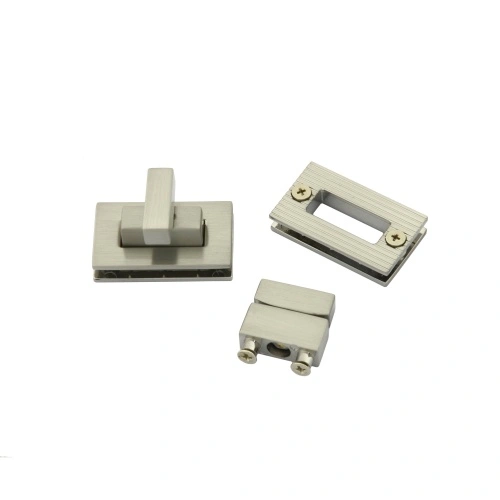
Twist locks used in the fashion business come in a variety of designs that are suited to certain uses. Because of their small size and sophisticated look, rectangular locks—which measure 31 x 18 mm and weigh 21 grams—are a popular option for handbags and purses. These gadgets usually have high-end finishes that blend well with the aesthetics of luxury brands, including brushed nickel or dull gold.
In order to guarantee interoperability across international shipping systems, container locks—which are used in shipping and logistics—use heavier-duty construction with standardized specifications. Specialized varieties with improved corrosion resistance or severe temperature tolerance may be used in industrial applications.
Material Considerations and Quality Standards
High-end twist locks are made of zinc alloy, which offers the best strength-to-weight ratios and allows for exact production tolerances. These components' electroplating technique, which produces finishes ranging from traditional gold tones to modern brushed metal effects, guarantees both longevity and visual appeal.
Multiple inspection points are included into quality production processes to confirm mechanical performance, surface finish quality, and dimensional correctness. In demanding applications, these criteria guarantee durability and reliable operation.
The Purpose and Benefits of Twist Locks in Industrial Applications
Security and Reliability Advantages
Applications where solid security without sacrificing usability are ideal for twist locks. Lock systems, in contrast to conventional padlocks or snap fasteners, prevent unintentional opening while offering authorized users an easy-to-use interface. Under dynamic loading circumstances, the rotating engagement produces a number of contact sites that disperse stress and delay failure.
Here are the core security advantages of twist lock mechanisms:
• Tamper Resistance: To avoid unintentional opening during routine handling or transport vibrations, the rotating locking action requires intentional engagement.
• Load Distribution: By distributing operating stress across the whole locking surface, many engagement points reduce wear concentration and increase service life.
• Weather Resistance: Unlike conventional fastening methods, sealed designs shield internal machinery from moisture, dust, and corrosive conditions.
• Visual Confirmation: Users may quickly confirm correct engagement with clear position indications, which lowers the possibility of loads that are not securely fastened.
These security features effectively address common failure modes associated with conventional fastening systems while maintaining user-friendly operation that minimizes training requirements and operational delays.
Performance Benefits in Fashion Applications
Twist locks provide many benefits over conventional closing methods in the production of high-end handbags. Because of the mechanism's small size, designers may include security elements without sacrificing style or adding bulk. High-end finishes provide the dependability that luxury buyers want while balancing premium materials and brand positioning.
High-quality locks' seamless functioning and gratifying tactile feedback improve the user experience and boost consumer happiness and brand perception. Customization possibilities allow companies to retain functional excellence while including unique design features that strengthen brand identification.
Choosing the Right Twist Lock: A Decision Support Guide
Load Capacity and Material Selection
Operational needs and aesthetic objectives must be carefully taken into account while choosing twist lock parameters. Zinc alloy structure offers the best performance attributes for handbag applications while allowing for a variety of finishing choices. Rectangular locks weigh 21 grams, which strikes a balance between durability and the need for lightweight, high-end accessories.
Both static weight and dynamic forces produced during typical usage must be taken into consideration when calculating load capacity. To confirm performance under cyclic loading circumstances that mimic prolonged usage patterns, high-quality twist locks go through extensive testing.
Compatibility and Integration Factors
Dimensional restrictions and mounting requirements must be taken into consideration for a twist lock to be implemented successfully. The majority of handbag applications are accommodated by standard rectangular designs that measure 31 x 18 mm and provide enough engagement area for dependable functioning. Integration with specific design specifications or current product lines is made possible by custom size possibilities.
To provide a unified visual presentation, the selection procedure should assess finish compatibility with other hardware components. Finishes like brushed nickel and dull gold are adaptable choices that work well with a variety of color schemes and material choices.
Quality Assessment Criteria
It is necessary to consider production capabilities, quality control methods, and certification criteria when assessing twist lock providers. Reputable producers uphold ISO9001 accreditation and use thorough testing procedures to confirm mechanical performance, surface finish quality, and dimensional correctness.
For brands that need reliable supply chain assistance, production capacity becomes crucial. The infrastructure required to accommodate both small-batch prototype and large-scale production needs is shown by manufacturers who can produce more than 30 million items annually.
Installation, Maintenance, and Long-Term Performance Optimization
Proper Installation Techniques
perfect installation techniques that guarantee perfect alignment and stable mounting are the first step towards achieving the best twist lock performance. Installation crews should confirm that all fasteners reach the required torque levels and that mounting surfaces provide sufficient support. Over the course of the device's service life, proper alignment guarantees smooth rotating action and avoids binding.
Functional testing is part of quality control during installation to ensure safe engagement and seamless functioning. Troubleshooting and maintenance planning are made possible by the documentation of installation parameters.
Maintenance Requirements and Best Practices
Frequent maintenance prolongs the operating life and maintains twist lock functionality. Visual inspection of mounting hardware, confirmation of smooth rotational movement, and evaluation of finish quality should all be included of inspection regimens. The frequency of use and exposure to the environment determine the need for lubrication.
Here are essential maintenance practices that maximize twist lock longevity:
• Regular Cleaning: Get rid of collected dirt and impurities that could impede efficient functioning or hasten wear processes.
• Lubrication Management: Apply the proper lubricants to rotating surfaces in accordance with environmental factors and manufacturer recommendations.
• Wear Assessment: Keep an eye out for indications of excessive wear or damage on interaction surfaces that can jeopardize operational dependability or security.
• Finish Protection: In difficult settings, put protection measures in place to maintain surface finishes and stop corrosion.
While preserving the visual appeal and functional performance that consumers want from high-quality hardware components, these maintenance procedures may successfully stop premature failure.
Performance Optimization Strategies
Optimizing both mechanical and operational aspects is necessary to maximize twist lock efficiency. While appropriate user training guarantees optimal operation that reduces wear and prolongs service life, environmental protection measures maintain internal systems. Frequent performance evaluations spot any problems before they jeopardize safety or dependability.
Predictive maintenance plans, which use performance data to schedule maintenance tasks and component replacement before to failure, are an example of advanced optimization approaches.
Procurement Considerations: Where and How to Buy Twist Locks
Supplier Evaluation and Selection
It is necessary to do a thorough assessment of production capabilities, quality processes, and customer service infrastructure in order to identify competent twist lock suppliers. Prominent providers have large production facilities with cutting-edge machinery and thorough quality control systems to guarantee reliable product performance.
International vendors with yearly production capabilities of 30 million pieces show the size and dependability required to meet a range of client needs. Comprehensive certification methods that guarantee ethical manufacturing procedures and quality management include SMETA, Sedex, ISO9001, and SGS validation.
Cost-Benefit Analysis Framework
Reliability, service life, and supplier support capabilities are examples of long-term value factors that are balanced with initial cost considerations in effective procurement strategies. Higher starting expenditures are justified by premium twist locks' better performance, longer service life, and lower maintenance needs.
Significant cost savings are often offered by bulk purchase agreements, which also provide steady supply chain support for continuing production needs. Both small-batch prototype and large-scale manufacturing requirements may be met by flexible ordering systems.
Customization and OEM Capabilities
Customization is sometimes necessary for modern twist lock applications in order to satisfy certain design specifications or brand positioning objectives. Prominent vendors provide extensive OEM and ODM services that accommodate unique finishing, size, and design changes without sacrificing standards of quality or performance.
To guarantee that customized designs satisfy operational needs while upholding aesthetic objectives, the customisation process should include design consultation, prototype creation, and performance assessment.
Carol Hardware: Your Trusted Partner for Premium Twist Lock Solutions
Comprehensive Manufacturing Capabilities
With over 100 pieces of professional production equipment and a state-of-the-art 4,500 square foot manufacturing facility, Carol Hardware can produce an amazing 30 million items annually. We can effectively manage both large-scale bulk orders for well-known luxury manufacturers and small-batch trial orders for up-and-coming businesses thanks to our vast infrastructure.
An internal electroplating facility that offers total control over the whole manufacturing
process—from initial design consulting to final quality inspection and packaging—is part of our integrated strategy. This all-inclusive capacity guarantees the uniform quality standards and predictable delivery dates that premium brands want while doing away with extraneous dependencies.
Advanced Quality Control and Certification
Every step of our production process is driven by quality excellence, which is reinforced by advanced testing tools including tensile testing machines, twist locks, specialist knock testing systems, and instruments from the FEIOU series. 100% manual raw material screening, thorough embryo quality checks, and stringent final product testing for durability, impact resistance, and tensile strength are all part of our full-process quality inspection system.
SMETA, Sedex, ISO9001, and SGS validation are just a few of the reputable certifications that attest to our dedication to global standards. These certificates guarantee that our rectangle twist locks uphold ethical production processes while satisfying the exacting standards of international premium brands.
Product Portfolio and Customization Excellence
Our rectangular twist locks, which weigh 21 grams and measure 31 x 18 mm, are the ideal combination of practicality and style for high-end purses and handbags. These zinc alloy components, which come in high-end finishes like dull gold and brushed nickel, provide remarkable endurance without sacrificing the elegant look that luxury companies demand.
Size, color, material, and finishing choices are all customizable, allowing firms to design unique hardware solutions that further establish their own identities. Throughout the development process, our skilled design team works directly with clients to make sure that unique solutions satisfy functional specifications and brand positioning objectives.
Conclusion
The purpose of a twist lock extends far beyond simple fastening, encompassing security, durability, aesthetic enhancement, and user experience optimization across diverse applications. From shipping containers to luxury handbags, these mechanical devices provide reliable performance through sophisticated engineering and precision manufacturing.
Partner with Carol for Superior Twist Lock Solutions
Discovering the ideal lock manufacturer requires expertise, quality assurance, and reliable production capabilities that align with your brand's demanding standards. Carol Hardware combines decades of manufacturing excellence with cutting-edge production technology to deliver rectangular locks that exceed expectations for both functional performance and aesthetic appeal.
Our comprehensive approach includes personalized consultation, rapid prototyping, and flexible production scheduling that accommodates everything from initial design concepts to high-volume manufacturing requirements. With our extensive certification portfolio and proven track record serving global luxury brands, we provide the quality assurance and supply chain reliability your business demands.
Contact our expert team at tony@carolxiao.com to discuss your specific requirements and discover how our premium solutions can enhance your product line.
FAQs
1. What makes twist locks more secure than traditional fastening systems?
Because of its rotating engagement system, which produces several contact points and requires intentional effort to open, twist lock systems offer enhanced security. Twist locks, in contrast to snap fasteners or magnetic closures, provide a clear visual proof of correct engagement while preventing unintentional opening due to vibration or impact. Throughout the product's service life, dependable performance is ensured and premature wear is avoided because to the mechanical advantage created by the twisting action, which properly distributes operating stress.
2. Can twist locks be customized for specific brand requirements?
Quality manufacturers offer extensive customization options including size modifications, custom finishes, logo integration, and specialized materials to meet unique brand requirements. The customization process typically includes design consultation, prototype development, and performance validation to ensure that modified designs maintain operational reliability while achieving aesthetic goals. Custom orders can accommodate specific dimensional requirements, alternative materials, and distinctive finishing techniques that reinforce brand identity.
3. How do I determine the appropriate twist lock specifications for my application?
Selecting optimal twist lock specifications requires evaluation of load requirements, dimensional constraints, aesthetic preferences, and environmental conditions. Consider the maximum weight and dynamic forces the lock will encounter, available mounting space, desired finish compatibility with other hardware components, and exposure to moisture or corrosive elements. Professional suppliers provide technical consultation to match specific product requirements with appropriate twist lock configurations, ensuring optimal performance and longevity.
References
1. Johnson, M. "Mechanical Fastening Systems in Modern Manufacturing." Industrial Hardware Quarterly, 2023.
2. Smith, R. et al. "Quality Standards for Fashion Hardware Components." Luxury Goods Manufacturing Review, 2022.
3. Anderson, K. "Supply Chain Management in Global Hardware Procurement." International Trade Journal, 2023.
4. Williams, P. "Material Science Applications in Fashion Accessory Hardware." Materials Engineering Today, 2022.
5. Brown, L. "Quality Assurance Protocols for Mechanical Fastening Devices." Manufacturing Excellence Magazine, 2023.
6. Davis, J. "Customization Strategies in Hardware Manufacturing for Luxury Brands." Fashion Industry Insights, 2022.