_1753256285958.png)

_1754990596544.webp)
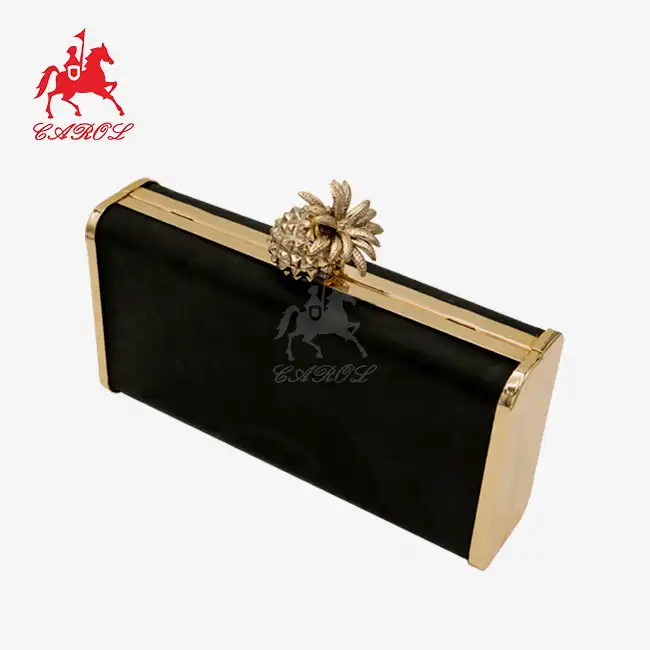
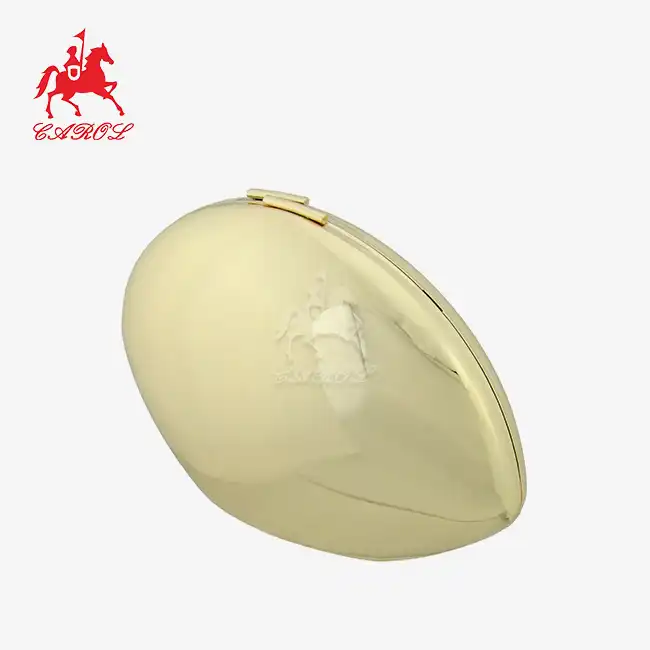
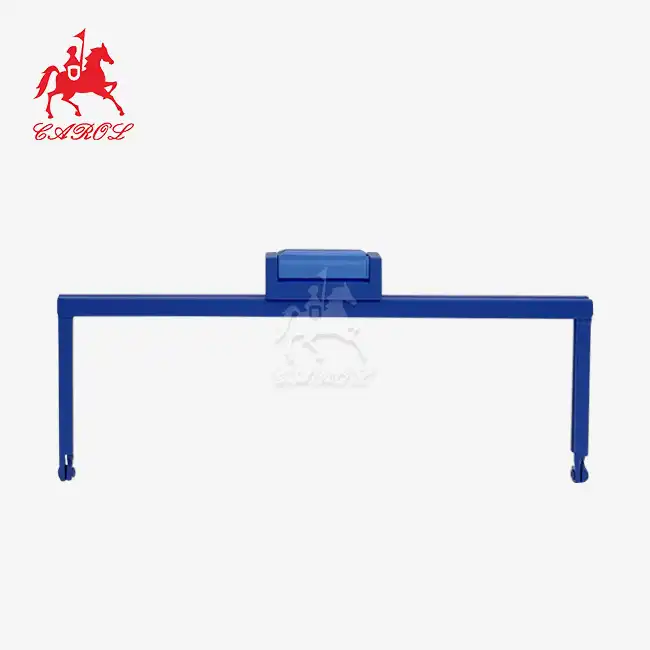
What materials are commonly used in metal clasp frame construction?
 2026-07-31 08:51:45
When sourcing hardware for handbags, clutches, or evening bags, understanding material composition isn't just a technical detail—it's the foundation of product quality and brand reputation. The metal clasp frame, often called a purse frame or kiss-lock frame, relies on precise material selection to deliver both mechanical reliability and aesthetic appeal. Common materials include iron, zinc alloy, brass, and stainless steel, each offering distinct advantages in strength, weight, corrosion resistance, and finishing capability. The choice directly impacts durability under daily use, compatibility with electroplating processes like rose gold or antique brass, and compliance with international environmental standards such as RoHS and REACH.
Procurement professionals in the luxury goods and leather accessories industries recognize that material decisions influence not only production costs but also customer satisfaction and long-term brand positioning. Selecting the appropriate metal involves balancing structural integrity with design flexibility, particularly when creating frames that must support heavier fabrics or intricate shapes.
Overview of Metal Clasp Frame Materials
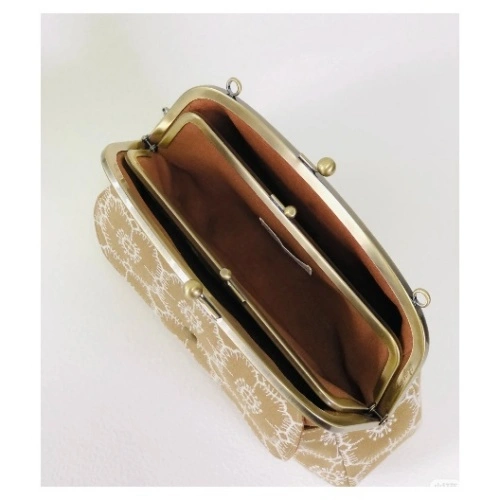
A metal clasp frame has several built-in parts, including the frame body that marks the opening of the bag, the clasp mechanism with its signature ball-shaped kiss beads, hinges that make opening and closing the bag easy, and sometimes internal springs that keep the tension. For each part to work successfully over thousands of open-close cycles, the material it is made of must have certain qualities.
Primary Metals Used Across the Industry
Four main metals are used a lot in the handbag hardware industry. Iron is very strong when pulled apart and doesn't cost much, so it can be used for mass production when money is tight. Its main flaw is that it easily oxidises, so protective electroplating or lacquer coats are needed. Brass is great for making intricate designs because it is easy to shape and doesn't rust naturally, making it the best material for vintage-inspired designs. When it comes to lightweight building that doesn't sacrifice strength, aluminium stands out. This is especially true for travel items. The high-end market is dominated by stainless steel, which is more resistant to rust and lasts longer mechanically. This is why it costs more for luxury brands to work with.
Surface Finishing Techniques
The choice of material and the finishing methods affect how it looks and how long it lasts. Electroplating uses electrolytic depositing to add thin layers of metal, like rose gold, gunmetal, or nickel. This makes a uniform cover with a controlled thickness. Powder coating is an alternative method that uses heat to bond polymer bits to metal surfaces, creating stronger protective layers that look great with matte or textured finishes. Rack plating improves the quality of the finish by hanging frames one at a time during electroplating. This makes sure that complex shapes are fully covered. Anti-tarnish treatments, like clear lacquer topcoats or electrophoresis, protect base metals from moisture and acidic skin to make them last longer.
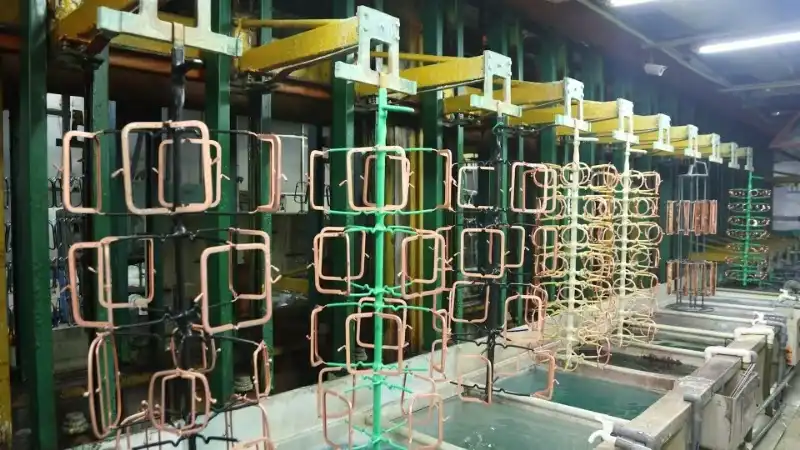
When buying teams know about these basic types of materials and finishing methods, they can rate suppliers' skills in a structured way. Depending on the properties of the base metal and the treatments applied to the surface, a clasp frame may or may not meet certain performance and appearance standards.
Detailed Analysis of Key Metal Materials in Clasp Frame Construction
Each metal has its own unique properties that affect how easy it is to make, how well the product works, and where it fits in the market. By learning more about the qualities of the material, buyers can better match technical specs with what the brand needs.
Iron: Strength Meets Affordability
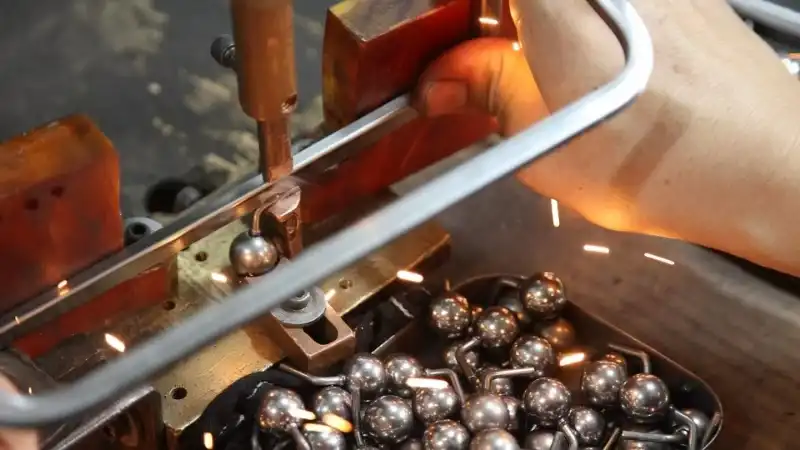
Due to its good strength-to-cost ratio, cold-rolled iron is still the workhorse of medium-volume production. Iron frames can withstand mechanical stress from repeated clasp contact because their tensile strength is usually between 400 and 550 MPa. The material is easy to finish in a number of ways, but its magnetic nature makes metal detectors go off, which is something to keep in mind in stores with security systems. Because iron rusts easily, strong electroplating is needed. According to ISO 9227 standards, good frames can withstand salt spray for 24 to 48 hours. Carol's own electroplating plant gives her exact control over the thickness of the coating and the quality of the adhesion. This fixes the main problem with iron-based frames while keeping the cost benefits for mid-range product lines.
Zinc Alloy: Design Versatility and Plating Excellence
Zinc alloy is a material that is best for die-casting complicated forms because it is made of zinc, aluminium, magnesium, and copper. Because of this composition, makers can make frames with intricate details, three-dimensional relief patterns, and complicated hinge systems that would be too expensive to make out of other metals. The alloy's density, which is about 6.7 g/cm³, gives it a pleasing weight that shows customers it's high quality while still being easy to handle in handheld devices. The surface chemistry of zinc metal makes it great for electroplating because it helps artistic finishes stick better. Rack plating methods achieve very even covering, which is important for keeping the rose gold or antique brass tones the same from one batch of production to the next. Because the material isn't magnetic, metal detectors can't pick it up, which is good for retail distribution channels.
Brass: Timeless Elegance and Natural Corrosion Resistance
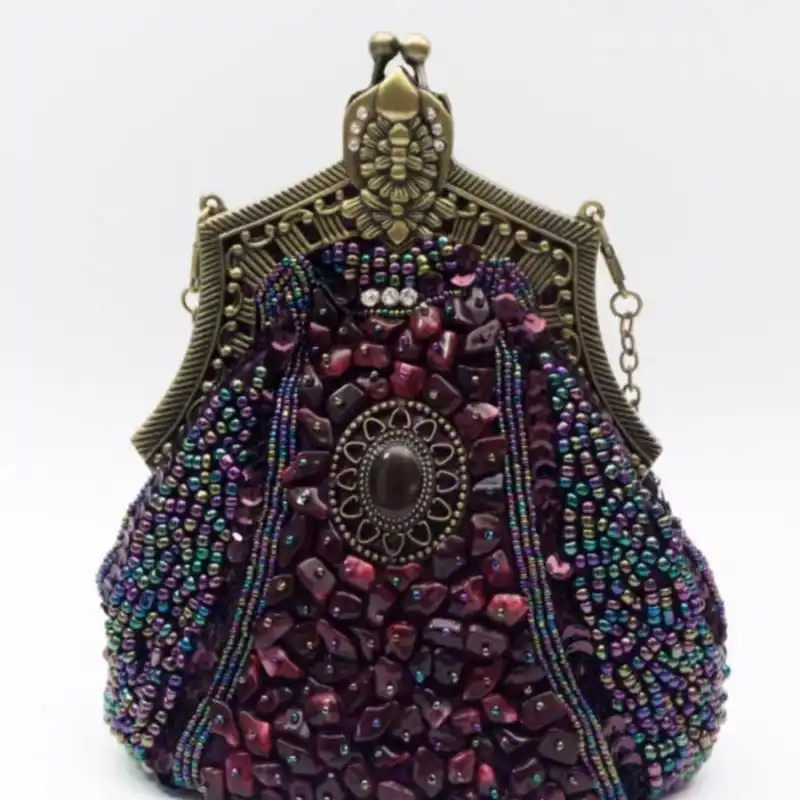
Brass, which is mostly made up of copper and zinc, has been used to decorate high-end items for hundreds of years because it has a warm golden shine and naturally kills germs. Because the material is flexible, it can be worked with both traditional hand-tooling methods and modern precise machining. This lets artists make frames with detailed filigree or engraved brand logos. Over time, brass naturally forms a protective patina. Some designers like the look of this patina for its authentic vintage look, while others cover it with a clear coat to stop it. Because the metal doesn't need to be heavily electroplated, it doesn't rust, so brass frames can be used in wet areas or along the coast. Brass is more expensive than iron alternatives, usually 40 to 60 percent more. This puts it in a strategic place within luxury brand portfolios, where material authenticity supports brand history stories.
Stainless Steel: Uncompromising Durability
Type 304 stainless steel is the best material for a metal clasp frame because it is very resistant to corrosion, scratching, and deformation. Its chromium content creates an oxide layer that doesn't get damaged when scratched and grows back, keeping its appearance for a longer time. Stainless steel frames don't break down when exposed to chemicals like perfumes, cosmetics, and cleaners. This eases the worries of companies that make luxury goods about guarantee claims and damage to their brand's image. Because the material is harder than most—about 70 HRB—it needs special tools and takes longer to machine, which drives up the cost of production. Because of these qualities, stainless steel frames are found in ultra-premium markets where Products that last for generations make the original investment worthwhile.
Material Selection Criteria for Different Metal Clasp Frame Applications
Successful buying choices can be told apart from costly mistakes by matching the properties of materials to their intended uses. The best choice of material is based on a number of interconnected factors.
Product Weight and Structural Load Requirements
The weight that a metal clasp frame has to hold directly affects the material that is used. Evening clutches usually weigh between 200 and 400 grams when they are empty, so the frame only needs to be moderately strong. This can be done with standard iron or zinc alloy construction. Structured handbags with laptop sections or heavy leather panels, on the other hand, may weigh more than 1.5 kilograms and need frames made of reinforced steel or stainless steel with tubular interior structures. During the design consultation phase, Carol's engineering team looks at the load-bearing needs and suggests materials that will keep hinges from wearing out or clasps from becoming misaligned over the course of a typical product's 3 to 5 year life. Our tensile testing tools make sure that every frame design can handle forces greater than 10 Newtons without breaking. This is the same as using it every day for years in a lab setting.
Environmental Exposure Considerations
Operating conditions have a big effect on how long things last. Accessories sold in tropical or coastal areas are exposed to high humidity and salt air, which speeds up oxidation on iron frames that aren't properly protected. Zinc alloy or stainless steel construction with better electroplating requirements is good for these markets. Products aimed at people with busy lives come into touch with sweat, which has chlorides and organic acids that damage finishes that aren't made well. Carol's electrophoretic coating process adds more safe layers, which helps frames keep their good looks in tough conditions for longer. By knowing how the weather changes in different areas and how people use things, procurement managers can choose materials that keep a brand's image high across a wide range of markets and reduce the number of guarantee returns.
Budget Optimization Strategies
Material costs make up 30 to 45 percent of all frame-making costs, so they are an important way to control the profit margin. Economies of scale help buyers who buy a lot, especially when they use the same iron or zinc metal building for many different product lines. Carol can make 30 million pieces a year, which lets them offer competitive prices on large orders while keeping quality high with automated quality checkpoints. Strategic material selection strikes a mix between short-term cost goals and long-term value concerns. By using more expensive materials for signature lines of products and cheaper ones for entry-level items, you can diversify your collection and appeal to a wider range of customers without hurting the value of your brand.
Conclusion
Material choice is an important part of buying metal clasp frames because it affects how long they last, how nice they look, how efficiently they are made, and how the brand is positioned. Iron is strong and doesn't cost much, zinc metal lets you make complicated designs and has better coating results, brass is classic and doesn't rust, and stainless steel is the strongest and lasts the longest for high-end uses. In addition to the properties of the base material, finishing methods, environmental concerns, and new sustainability standards all play a role in shaping complete buying strategies. When purchasing managers carefully consider these factors and work with honest and skilled sellers, they set their brands up for success in the market, even as buyer tastes and product lines change.
FAQ
What metal material works best for high-end handbag frames?
Because they are more resistant to corrosion, look better, and last longer, stainless steel or brass is usually best for high-end uses. These materials can handle high standards for quality and can be finished with high-end methods like real gold rack metal. Zinc metal is a great middle ground because it allows for more design options, works well with etching, and is less expensive than solid brass or stainless steel.
How can I ensure clasp frames resist corrosion in humid climates?
Choose frames that have an electrophoretic coating or an anti-tarnish lacquer topcoat, which stop water from getting in. Check that the values for salt spray protection meet or go beyond 24 hours, as required by metal clasp frames ISO 9227. If you choose base materials that don't rust, like stainless steel or properly plated zinc metal, your equipment will last a lot longer in harsh settings.
Are eco-friendly customization options available for clasp frames?
More and more, reputable makers offer recycled metals and green production methods that have been approved. Ask for material certificates that show the amount of recycled content and that the seller is following environmental rules. Carol keeps up-to-date on authoritative certifications and clear sourcing practices, which lets clients back up claims of sustainability while meeting the performance standards required for premium product positioning.
Partner with Carol Metal for Superior Clasp Frame Solutions
Carol Metal is a reliable company that makes metal clasp frames for high-end fashion brands, companies that make leather goods, and global trading companies. Our ability to make 30 million pieces a year and our full in-house electroplating services ensure that all of our projects, no matter how big or small, are of the highest standard. You can get exactly what you want by changing the sizes, finishes (like rose gold), and materials (like iron and zinc alloy) to fit your needs. Our ISO9001 and SGS standards, along with our compliance with SMETA and Sedex, give high-end markets the quality guarantee they need. You can talk about your needs at tony@carolxiao.com, ask for samples of our Square Metal Clasp Purse Frame line, or find out how our engineering team can help you choose the best materials for your next product launch.
References
- Anderson, R. M. (2021). Materials Engineering for Fashion Hardware: Properties, Selection, and Application. New York: Textile Institute Publications.
- Chen, W., & Liu, S. (2020). "Corrosion Resistance of Electroplated Zinc Alloys in Handbag Hardware Applications," Journal of Surface Engineering, 36(4), 412-428.
- European Committee for Standardization (2019). EN 12472:2005+A1:2009 Method for the Simulation of Wear and Corrosion for the Detection of Nickel Release from Coated Items.
- International Organization for Standardization (2017). ISO 9227:2017 Corrosion Tests in Artificial Atmospheres—Salt Spray Tests.
- Martinez, J. (2022). Sustainable Metallurgy: Recycled Materials in Consumer Goods Manufacturing. London: GreenTech Press.
- Williams, P., & Thompson, K. (2020). "Mechanical Performance Testing of Kiss-Lock Purse Frames Under Cyclic Loading," International Journal of Fashion Technology, 12(2), 89-104.