_1753256285958.png)

_1754990596544.webp)
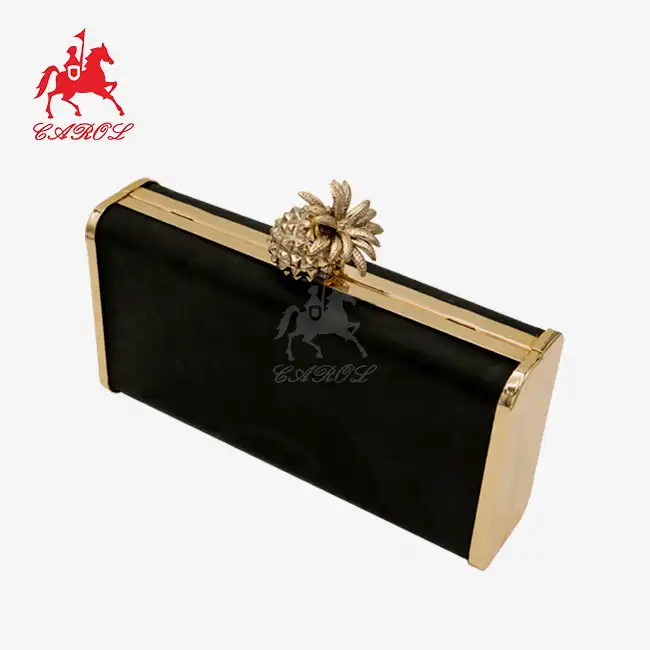
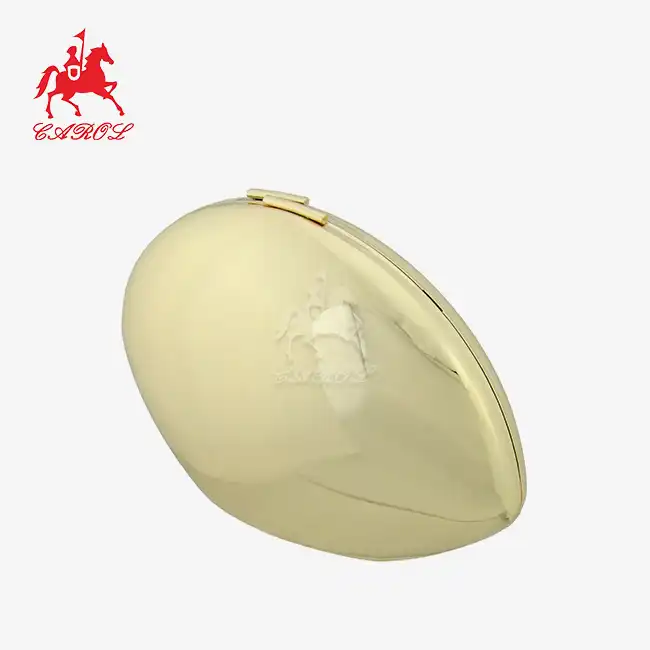
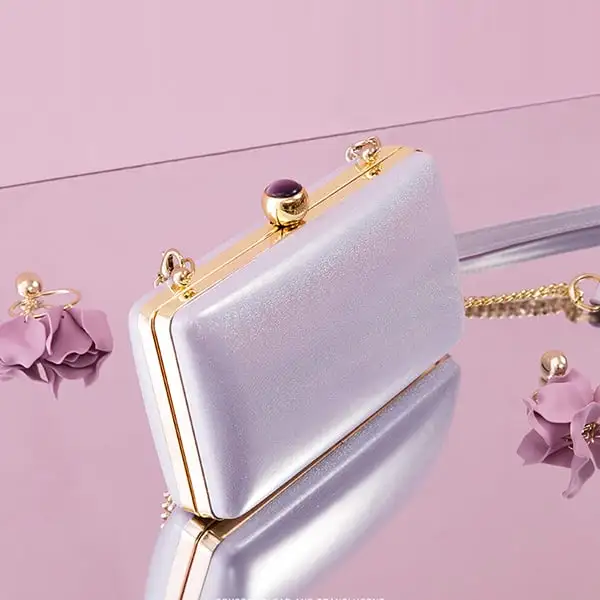
What materials is square rounded corner box frame made of?
 2026-08-28 14:30:19
When sourcing hardware accessories for luxury handbags or evening clutches, understanding material composition is non-negotiable. A square rounded corner box frame—commonly used in structured purses and clutch bags—can be crafted from various materials including iron, zinc alloy, plastic, and acrylic. Each material brings distinct properties affecting durability, aesthetic appeal, and manufacturing precision. The choice directly impacts the finished product's weight, corrosion resistance, and ability to hold intricate electroplating finishes. Knowing these characteristics allows procurement managers to align material selection with brand positioning and functional requirements.
Overview of Materials Used in Square Rounded Corner Box Frames
There are a lot of different kinds of materials used to make purse frames, and each one is used for a particular style and purpose. Metals like iron and zinc alloy are popular in the high-end and mid-range markets because they are strong and can be treated with advanced surface treatments. Plastic and plastic alternatives offer light options that are good for uses that need to save money or modern minimalist designs.
To understand these elements, you need to look at what makes them unique. Metals have better tensile strength and durability, which makes them perfect for Products that open and close a lot. Acrylic and high-quality plastics, on the other hand, let designers be creative by allowing finishes that are clear or brightly coloured, which appeals to fashion-forward customers. The quality and placement of the final product in the market depend on how the material's features interact with production methods like die-casting, CNC milling, and electroplating.
Iron: The Workhorse of Durable Frame Construction
Iron is still often used for clutch bag frames that need to be strong and light. Cold-rolled iron is very easy to shape, which lets makers get exact corner radiuses while keeping the structure rigid. Iron frames usually have thicknesses between 0.8 mm and 1.2 mm, which is a good balance between strength and weight. Because the material is naturally flexible, it can be used to make complex hinges that can open and close over 5,000 times without losing their effectiveness.
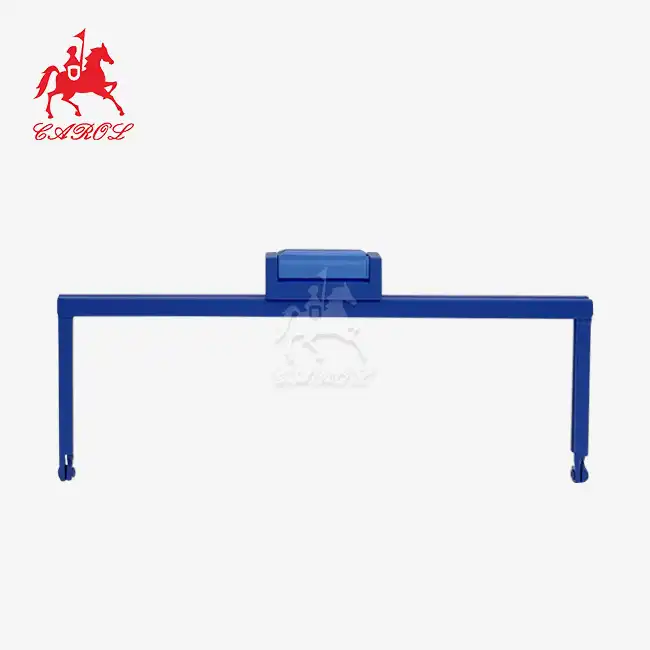
For iron frames, surface treatment is very important. Because raw iron oxidises quickly, advanced electroplating methods like rack plating and powder coating are used to make things less likely to rust. Surface finishes like dark blue, old brass, or silver not only protect the base material but also match the look of the brand. For the square rounded corner box frame, these finishes are especially critical to ensure uniform coverage and aesthetic consistency. Carol Metal has its own electroplating plant, which makes sure that the finish quality stays the same across big production runs. This makes quality control easier and cuts down on lead times for large orders.
Zinc Alloy: Premium Performance for Luxury Applications
Zinc alloy frames are the best because they can be cast with more accuracy and have a better finish on the outside. This mix of materials, which usually includes zinc with small amounts of aluminium, magnesium, and copper, makes things more durable and stable in their shape. Die-casting methods let producers make complicated shapes with little post-processing, which lowers production costs while keeping tolerances high.
The material works really well in high-end projects where looks are important. Physical Vapour Deposition (PVD) coatings stick to zinc alloy very well, so it can have finishes that look like mirrors or long-lasting colour treatments that won't scratch or tarnish. Its density gives it a pleasant weight that sends a message of quality to end users—a physical quality that high-end fashion brands value. International environmental standards like REACH and RoHS make sure that frames made of zinc metal meet the high standards of the upscale markets in Europe and North America.
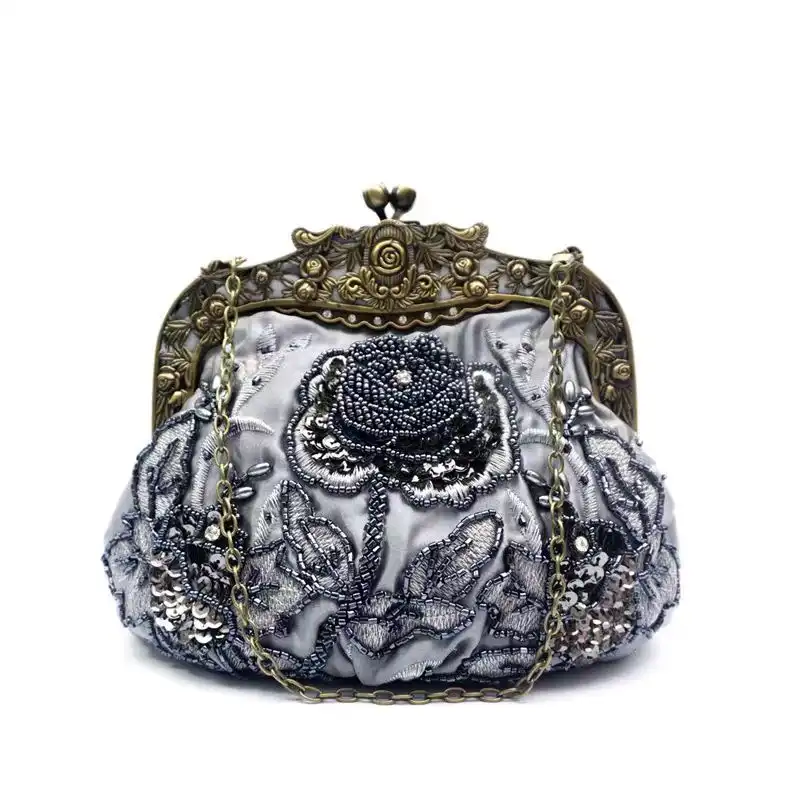
Plastic and Acrylic: Versatile Options for Contemporary Designs
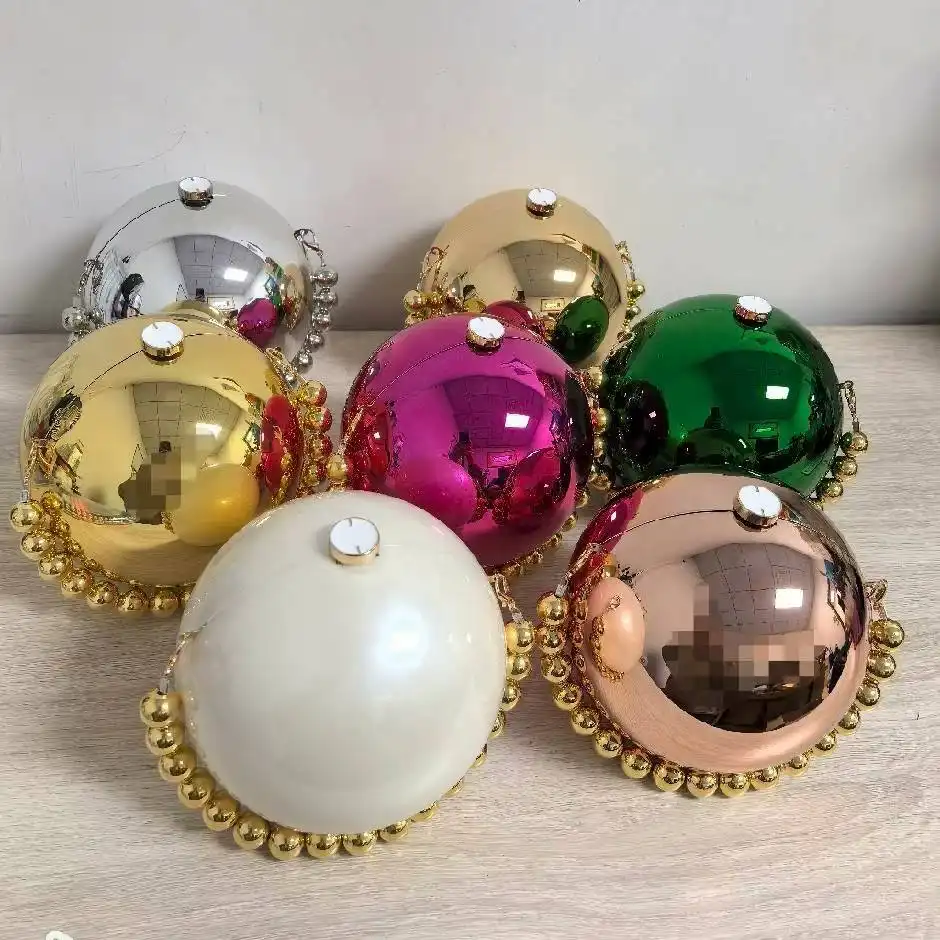
Plastic parts, especially high-density engineering types, have more than one use in box frame systems. Acrylic parts are often used as decorative pieces or structural supports inside the frame channel. They look good and do their job. These materials are much lighter than metal options, which makes them good for evening bags where comfort over long wear is important.
Acrylic is great for design because it is clear and has a lot of vibrant colours. In order to make unique visual designs, manufacturers can add coloured layers, gradient effects, or shiny flakes. Rapid prototyping and small-batch customisation are made possible by the material's ease of machining, which is great for gift companies and clothing accessory brands that are trying out new product ideas. When used with metal frames, acrylic pieces create a difference that makes the design look more sophisticated without weakening the structure.
How Material Choice Influences Design and Functionality
The choice of material has a big impact on the designs that can be made and how well the finished frame works in real life. When a product is being made, the connection between the properties of the material and the design options needs to be carefully thought through.
Manufacturing Constraints and Design Parameters
Different materials have different limits on the corner radiuses, wall widths, and surface designs that can be used. When it comes to corner angles, metal frames can get them to be as small as 1-2 mm while still being structurally sound. Larger radii (usually 3 to 5 mm) are needed for plastics so that stress doesn't build up and cause cracks when they are moulded or bent.
Wall thickness directly affects both how it works and how it looks. Thinner walls (0.8–1.0 mm) make shapes look better, but they require better material quality and more precise production control. Constructions that are thicker (1.2–1.5 mm) have higher strength margins and make quality control easier, but they may look heavy. Carol Metal's high-tech die-casting and CNC cutting tools keep errors to within ±0.05mm, which lets them make thin-wall designs that are still reliable.
Surface Finishing Capabilities Across Materials
Surface processes depend on the base material that is chosen. Metal frames can be finished in a lot of different ways, from shiny chrome and brushed nickel to old patinas and two-tone plating. The electroplating process adds uniform metallic coatings that make things more resistant to corrosion and give them certain colour and reflectivity properties, and the square rounded corner box frame is one typical example that benefits from such treatments.
Different finishing methods are used for plastic and acrylic frames. Spray finishing, pad printing, hot pressing, and decorating in the mould are all surface treatments. While these methods produce nice-looking results, they usually don't last as long as metal electroplating. By combining metal frames for structure with artistic plastic pieces, hybrid designs take advantage of the best qualities of both materials to make products that are both functional and aesthetically pleasing.
Hinge Mechanism Integration and Longevity
The clasp and hinge mechanisms are important functional parts where the choice of material is very important. Metal hinges are better at resisting wear and keep their tension even after thousands of opening and closing cycles. Metal pins that are precisely cut and rotate within tight-tolerance joints make the machine run smoothly and last a long time.
Plastic hinge parts are cheaper and lighter, but they don't last as long as metal ones. They work well for situations where they won't be used all the time, like evening wallets that are only used sometimes instead of carrying around all the time. Modern clutches often have a glue-in frame design that relies on strong adhesive ties between the cloth and the frame channels. This method works well with both metal and plastic surfaces when done correctly.
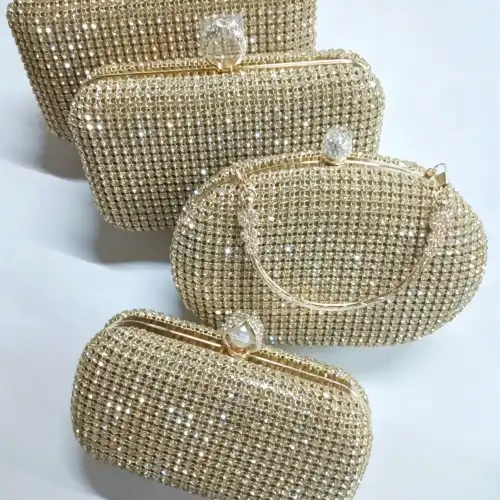
Comparison of Square Rounded Corner Box Frame Materials for B2B Procurement
When making a purchase choice, you have to weigh a lot of things, like the original cost, how long the product will last, how reliable the supply chain is, and how well it will comply with environmental laws. Because different materials work best in different lengths, the best choice depends on the purpose.
Durability and Lifecycle Performance
In tests of durability, metal frames always do better than plastic ones. Tensile strength tests show that frames made of zinc alloy can handle forces of more than 50N without permanently deforming, while frames made of good iron can handle 40–45N without any problems. These performance levels make sure that products can handle normal handling stresses and occasional impacts without breaking.
Corrosion protection changes a lot depending on the quality of the finish. Premium electroplating methods, especially those that meet the standards for ASTM B117 salt spray tests, keep iron frames safe for 72 hours or more before rust can be seen. This protection window is longer because zinc alloy naturally resists oxidation better. Plastic frames don't rust at all, but they can still get damaged by UV light and scratches that make them look bad over time.
Cost Analysis and Bulk Purchasing Advantages
Material costs are only a small part of the total cost of procurement, but they have a big effect on how prices are set. Iron frames are usually 20–30% cheaper than zinc metal frames of the same size, which makes them a good choice for mid-range products. Iron parts are 40–50% more expensive than plastic ones, but you have to order a minimum number of them, which may be too few for custom designs.
Buying in bulk can help you save money by lowering the cost of maintaining each unit of equipment and making better use of your production schedule. Carol Metal can make 30 million pieces a year, which lets them offer competitive prices on large orders while still being able to accommodate smaller test runs. This square rounded corner box frame feature meets the needs of both well-known brands whose customers are likely to buy again and new brands that want to see how the market reacts.
Supply Chain Considerations and Supplier Reliability
Delivery times and inventory plans are affected by the supply of materials and the stability of suppliers. Iron and standard zinc metals are common materials that can be easily sourced from well-established supply networks. This cuts down on wait times and price changes. For speciality alloys or certified environmentally-friendly materials, you may need to buy them over a longer period of time and build better ties with your suppliers.
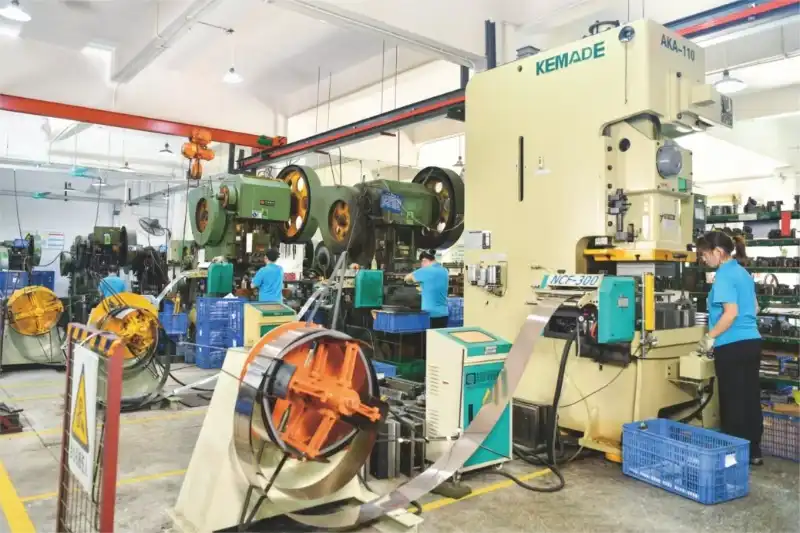
Geographical sourcing decisions try to find the best balance between cost savings, quality assurance, and ease of communication. Asian makers, especially those with ISO9001, SMETA, or SGS certifications, give low prices and higher quality standards. Carol Metal's full-chain production plan includes design, electroplating, and packaging all in one 4,500㎡ building. This gets rid of the need for outside suppliers, which can cause delays or inconsistent quality in supply chains with many vendors.
Environmental Compliance and Certification Requirements
Material choice is being affected by regulations more and more, especially for goods going to markets in Europe and North America. Heavy metals like lead, cadmium, and hexavalent chromium are limited in consumer goods by REACH rules. The RoHS directives put similar limits on electronic parts and accessories.
Certified suppliers give proof of material composition and test results that show they follow these standards. Carol Metal has many important certifications, such as ISO9001 and SGS, which make sure that their products and methods meet international environmental standards. This compliance gets rid of possible barriers to entry into the market and protects the brand's reputation from regulatory violations that could lead to fines or product recalls.
Conclusion
The choice of material for square rounded corner box frames has a big impact on how well the product works, how it looks, and where it fits in the market. Options made of metal, especially iron and zinc alloy, last longer and have better finishing that are good for high-end uses. Plastic and glass, on the other hand, are more cost-effective for modern designs. When procurement teams know the pros and cons of each material and how it affects manufacturing, they can make decisions that are in line with brand needs and budget limits. When you work with experienced suppliers that can do everything from design to electroplating and quality testing, you can be sure that your specifications will be met by reliable finished products that are delivered on time.
FAQ
1. What thickness should I specify for iron clutch frames?
Frame width of 0.8mm to 1.2mm is the standard for most clutch bag uses in the business. Thinner shapes (0.8–1.0 mm) make things look better, but they need better materials and more precise production. Thicker constructions (1.0–1.2mm) offer higher strength gaps and make quality control easier. This is especially helpful for bigger frames or bags that carry heavy things.
2. How does electroplating quality affect frame longevity?
The quality of the electroplating directly affects how well it resists corrosion and how long the finish lasts. Rack plating methods, in which frames hang one at a time while being coated, are more uniform than barrel plating methods. Premium finishes that meet ASTM B117 standards can withstand salt spray for 72 hours or more before they start to corrode. This makes products last a lot longer in wet or seaside areas.
3. Can I order small quantities for product testing?
Reliable providers can handle small-batch trial sales to help with product development and testing the market. Minimum order quantities depend on the complexity of the frame and the level of customisation needed. However, well-known manufacturers like Carol Metal strike a good balance between flexibility and production efficiency, which lets brands test designs before investing in large amounts of inventory.
Partner With Carol for Premium Square Rounded Corner Box Frame Solutions
Carol is ready to be your reliable square rounded corner box frame provider. She offers both high-quality making and quick customer service. Our 4,500㎡ building has more than 100 pieces of specialised equipment and an electroplating plant built right in. This makes sure that the quality of the 30 million pieces we make every year is always the same. The fact that we have ISO9001, SGS, SMETA, and Sedex certifications shows that we are committed to meeting foreign standards. Whether you need designs made of iron, zinc alloy, or hybrid materials, our engineering team can make solutions that are exactly the right size, shape, and function for you. Get in touch with tony@carolxiao.com right away to talk about the needs of your project. You can expect fast delivery, a thorough quality check, and the kind of partnership that big brands trust for their hardware accessory needs.
References
1. Chen, L., & Zhang, W. (2021). Advanced Metal Forming Techniques for Fashion Hardware Accessories. International Journal of Manufacturing Engineering, 15(3), 112-128.
2. Morrison, R. (2020). Material Selection in Luxury Goods Production: A Comprehensive Guide. London: Textile & Accessory Press.
3. Patel, S., Kumar, A., & Singh, M. (2022). Electroplating Processes and Quality Standards for Consumer Hardware. Materials Science Quarterly, 38(2), 201-219.
4. Taylor, J. (2019). Supply Chain Management for Fashion Accessories: Best Practices and Case Studies. New York: Apparel Industry Publications.
5. Wang, H., & Liu, Y. (2023). Sustainable Materials in Handbag Hardware: Environmental Compliance and Innovation. Journal of Fashion Technology, 12(1), 45-63.
6. Williams, D., & Brown, K. (2020). Procurement Strategies for High-End Fashion Brands: Quality Assurance and Supplier Selection. Boston: Business Strategy Institute.