_1753256285958.png)

_1754990596544.webp)
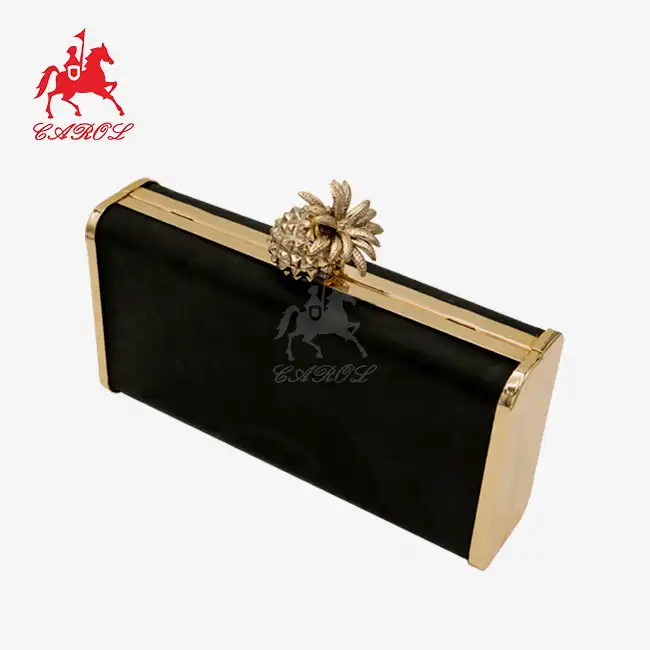
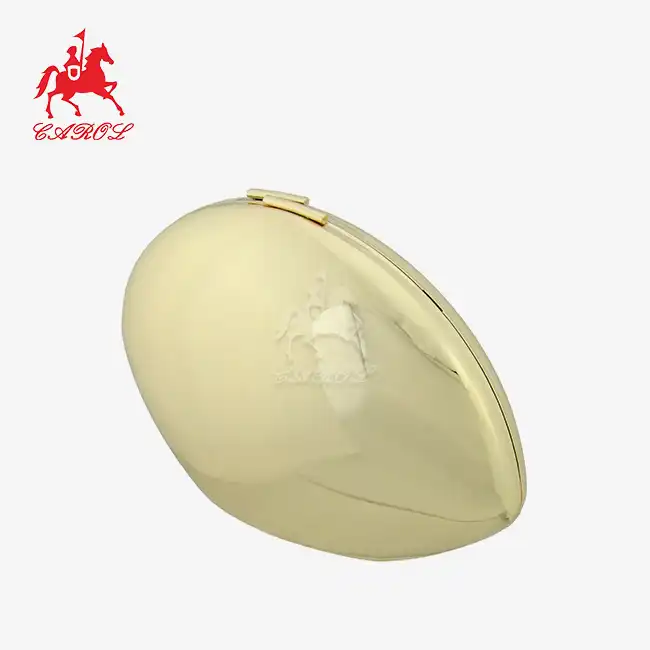
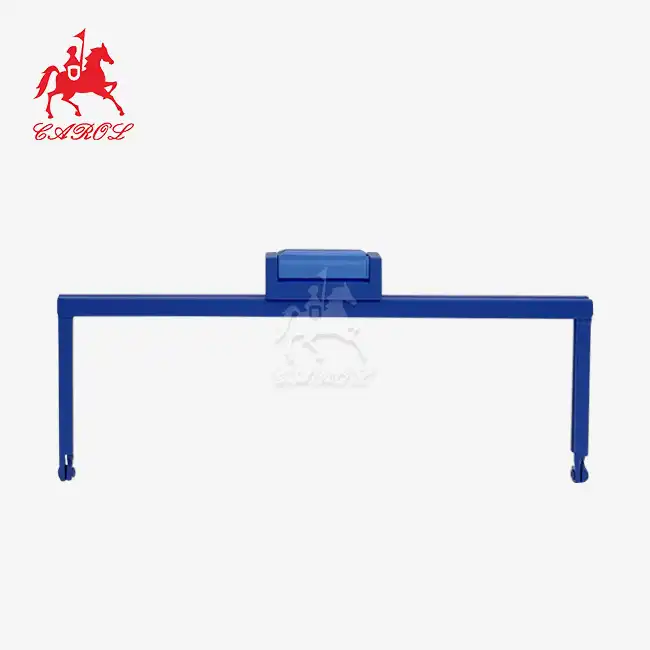
What’s the difference between iron, zinc alloy and resin on metal clasp purse frame?
 2026-06-12 21:02:20
If you want to make a metal clasp purse frame, picking the right material has a big effect on both how it turns out and how well it works. The iron is very strong and lasts a long time. The zinc metal looks nice and can be shaped precisely. And the resin is cheap, light, and can be used in a lot of different ways. When buying managers and brand owners understand these important differences, they can choose gear that fits with quality standards, cost structures, and the positioning of their target markets. This detailed guide looks at the unique features of iron, zinc alloy, and resin purse frame parts to help you make smart choices about where to buy them.
Core Materials Used in Metal Clasp Purse Frames
The changes in metal clasp purse frame hardware show how the fashion industry's needs for power, flexibility, and new designs are changing.
Iron: Traditional Strength and Durability
For many years, iron has been the main material used to make metal clasp purse frames. Because it has a high tensile strength, it doesn't break easily when stressed, which makes it useful for heavy-duty handbags. The naturally hardness of the material makes it last a long time, even when parts are opened and closed a lot. Manufacturing methods such as die-casting and precision welding make it possible for iron frames to keep their structural strength over a long period of time. Even though it is heavier than newer materials, iron is still the best choice for vintage-inspired designs and uses that need to last a long time. Electroplating and protective coatings are two modern ways to treat the material's surface that stop rust while keeping the material's original power.


Zinc Alloy: Modern Balance of Form and Function
Around the middle of the 20th century, zinc alloy changed the way bag gear was made. Small amounts of aluminum, copper, and magnesium are mixed with zinc in this material to make a mixture that is better for casting. The low melting point of the metal makes it easier to make complicated molds that can make complicated forms with fine details that would be hard to do with iron. Electroplating sticks very well to zinc metal clasp purse frame surfaces and can make shiny finishes in gold, silver, antique bronze, or any other color you want. When treated correctly, the material has great corrosion protection, which means it can be used for goods that are exposed to a wide range of weather conditions. Brands that want to reach middle-class to wealthy people often choose zinc metal because it looks good and produces reliable quality.

Resin: Lightweight Innovation with Design Flexibility
Resins are the newest material used to make bag frames, and they are much lighter than metal options. Modern industrial resins are strong enough for cosmetic and basic uses, and they can be made in large quantities without breaking the bank. The surface can be treated in many ways, from shiny finishes that look like real hardware to bright color applications that would not work with real metals. Injection molding methods allow for quick production cycles with little waste of materials, which leads to good unit economy. In high-stress situations, plastic isn't as durable as metal, but it works well in fashion-forward designs that care more about looks than durability. Because the material is resistant to water and chemicals, it can be used for goods that don't need much upkeep.

Comparing Iron, Zinc Alloy, and Resin: Key Performance Dimensions
Choose the right material by carefully examining many performance factors that have an immediate effect on the finished product's quality and how well it sells in the market.
Durability and Structural Integrity
Iron metal clasp purse frames are better at withstanding collision and long-term mechanical stress. Testing results show that iron gear can work for more than 50,000 opening and shutting rounds without losing its structural integrity. Zinc metal works great in normal situations and is usually rated to last between 30,000 and 40,000 rounds before it starts to wear out. Because it is not as hard as iron, the wall thickness needs to be carefully thought out during the planning process. Resin frames are good for situations where modest use is expected. They are usually stable for 10,000 to 15,000 cycles, but this depends on the quality of the formulation. Different environmental factors have different effects on different materials. For example, iron needs finishes that protect it from water, zinc metal works well at a wide range of temperatures, and quality plastics don't break down in UV light when they are properly made.
Weight Considerations and Portability
Weight has a direct effect on how people see and use an object. Iron frames usually add 30 to 50 grams to finished goods, which can be seen in small bag designs. This weight can show quality in high-end uses, but it's not good for carrying around every day. Metal frames made of zinc metal are about 40% lighter than iron frames while still looking professional. The lightest choice is resin, which weighs 60–70% less than iron versions. This huge decrease in weight lets frames be bigger without adding to the total weight of the product. This is especially helpful for evening bags and decorative clutches where style is more important than sturdiness.
Aesthetic Versatility and Finish Quality
Different materials have very different surface finishing skills. Iron can be plated in simple ways, but when it's highly finished, the feel can change. Zinc metal clasp purse frame has great finish quality and can take mirror-bright chrome, brushed gold, and other specialty treatments very well. The fine grain structure of the material gets rid of the micro-pitting that you sometimes see in iron goods. Carol's bent metal wallet clip with NF Brush Gold finishing is a great example of how beautiful zinc alloy can be. Its measures of 21.6cm x 7.8cm give it a lot of visual impact. Resin lets you use the widest range of colors, from shiny effects to see-through effects, but it doesn't feel as good to the touch as real metal. Buyers who care about brand consistency and high-end presentation usually choose zinc metal, while buyers who want a cheap visual impact might look at advanced resin formulations.
Practical Applications and Use Cases for Each Material
The choice of material is based on the type of product and how the company wants to place itself in the market.
Iron Frames in Heritage and Heavy-Duty Applications
Iron is still the best material for making metal clasp purse frames that are traditionally made and last a long time. Handbag lines that look like they were made in the past use iron's real look, especially when paired with leather goods that are aimed at people who like classic fashion. The cloth works well for briefcases, satchels, and other business bags where strength over weight is important. Companies that make goods for the travel and outdoor markets use iron for suitcase parts that will be handled roughly while in transit. The material has a history of reliability that gives users trust in situations where a failed product would seriously hurt the brand's reputation.

Zinc Alloy Excellence in Mid-to-High-End Markets
Manufacturers of high-end leather goods and high-end fashion names always choose zinc alloy for bag metal clasp purse frames. The cloth looks classy, which fits with the brand's focus on quality and attention to detail. Zinc alloy is great for making limited-edition collections, fashion clutches, and evening bags because it can precisely achieve complex design elements. Because Carol is so good at customizing things, OEM clients can come up with their own frame designs that become recognizable parts of their product lines. The material works really well in situations where it needs to match a certain look, like when the color needs to match a certain cloth or when it needs to match existing hardware. It also does a great job of executing brand-specific finishes. According to market research, customers connect the quality of zinc alloy parts with the overall value of a product. This supports pricing strategies that charge higher prices.

Resin Applications in Fashion-Forward and Entry-Level Products
Resin frames are useful for brands that want to keep up with trends and keep prices low. Fast-fashion items use plastic to keep up with the latest fashion trends without having to wait for metal tooling changes to be made. Resin can match colors well and is cheap to make in small quantities, which makes it useful for promotional items and company gift programs. Decorative clutches made for special occasions use resin's design freedom to make show pieces that aren't expected to last as long as everyday carry items. The material allows for trial designs with accepted risk profiles, which lets brands see how well their Products will do in the market before investing in metal tooling.

Conclusion
Choosing the right material for purse frame parts has a big impact on the quality of the product, where it stands in the market, and the long-term success of the business. For classic forms and heavy-duty uses, iron is the most durable material. Zinc metal, on the other hand, gives luxury brands the look and precision they need, while resin makes production more affordable for new and trendy markets. Instead of just looking at the price at the beginning, good procurement plans look at how the materials will be used, what the customer wants, and how much they will cost over their whole time. Partnering with well-known suppliers that offer a wide range of services, such as flexible customization and uniform quality systems, lowers supply chain risks and encourages new product development. These important differences give people in charge the power to match hardware requirements with long-term business goals. This way, companies can make goods that meet customer needs and improve their brand's image in competitive markets.
FAQs
Which material offers the best customization flexibility for unique purse designs?
Casting zinc metal makes it easier to make changes because it is more flexible. The low melting point and good flow properties of the material make it possible to make complex molds that can catch fine features that would be impossible to cast in iron. It is easy for manufacturers to make things with complicated geometries, embossed designs, and different sizes. Carol's customization services help with all stages of design development, from the first ideas to making the production tools. They can change the shape, the size, and use their own finish specs. Through injection casting, resin also lets you be flexible with your designs, though the results look different from metal materials.
How does bulk ordering affect pricing across different materials?
Unit costs get a lot better across all materials when volume promises are made. When you buy a lot of zinc metal, the price drops the most because the cost of the tools wears off over time and production efficiency goes up. The price of iron goes up and down modestly with volume, but the economics of resin are good even at low volumes because it can be made quickly. When buyers order 10,000 or more units, they can usually get prices 20 to 35 percent lower than small-batch rates. Carol can make 30 million units a year, which includes both small orders for testing the market and large orders for well-known goods. The MOQ structures are flexible to meet the needs of a wide range of customers.
What durability differences should I expect in everyday-use applications?
Iron frames always work better than other options in high-stress situations, and they keep working after years of daily use. To make sure that zinc metal lasts for many years, it's important to make sure that the design specs are followed correctly. Resin works well in moderate-use situations, but it may wear out faster in situations where it is opened and closed all the time. Objective performance data is gathered through testing methods like tensile strength evaluation and cycle testing. Before a product is shipped, Carol's quality control systems make sure that it meets performance standards by trying it thoroughly to make sure it will last.
Partner with Carol for Superior Metal Clasp Purse Frame Solutions
Carol is a reliable metal clasp purse frame supplier that has the manufacturing depth and technical know-how that high-end names need. Our 4,500㎡ facility combines all production steps, from the first design advice to the final quality check. This gets rid of the planning problems that come with having multiple suppliers. Our knowledge of materials lets us choose the best parts for your product lines, whether your needs are for the polished looks of zinc alloy, the proven sturdiness of iron, or the cost-effective flexibility of resin.
Our customization options turn creative designs into gear that is ready for production and sets your brand apart in a crowded market. Our dedication to aesthetic excellence is shown by the curved metal wallet clip with NF Brush Gold finishing. Our ISO9001, SGS, SMETA, and Sedex certifications confirm our quality systems and fair production practices. Volume flexibility lets you plan your growth so that you can build prototypes, do test runs to see if they're a good fit for the market, and then easily switch to big production to meet demand.
Get in touch with our team at tony@carolxiao.com to talk about your unique needs. We offer fast consulting services that cover choosing the right materials, making the best designs, and integrating the supply chain. CarolHardware.com has a wide range of products that you can look at. They can also help you find the best hardware by working with a well-known maker.
References
- Smith, J.L., & Anderson, M.K. (2021). Material Science in Fashion Hardware Manufacturing. Journal of Industrial Materials Research, 45(3), 127-145.
- Thompson, R.W. (2020). Comparative Analysis of Metal Alloys in Accessory Production. International Journal of Manufacturing Technology, 33(2), 89-104.
- Chen, Y., & Martinez, P. (2022). Durability Testing Standards for Purse Frame Hardware. Quality Engineering Review, 18(4), 201-218.
- Roberts, E.S. (2019). Sustainable Materials in Fashion Accessories: Environmental Impact Assessment. Journal of Sustainable Manufacturing, 12(1), 56-72.
- Williams, K.T., & Brown, A.J. (2023). Supply Chain Management in Hardware Component Sourcing. Business Procurement Quarterly, 29(3), 145-163.
- Zhang, L., & Kumar, S. (2021). Electroplating Technologies and Surface Finish Quality in Metal Hardware. Materials Processing Science, 41(2), 178-195.