What size metal round eyelets should I use for tote bags?
 2026-10-26 17:29:45
When manufacturing tote bags, the right metal round eyelet size directly impacts both function and appearance. For standard canvas or cotton totes with single-layer fabric, a 21mm inner diameter eyelet works perfectly for reinforcing handle attachment points without adding excessive weight. If your tote features multiple fabric layers or heavier materials like leather, consider eyelets with larger inner diameters—typically between 25mm and 30mm—to accommodate the increased thickness while maintaining secure installation. The outer flange diameter matters equally; a 35mm outer dimension provides excellent grip and prevents tearing under load, especially when bags carry weights exceeding five kilograms regularly.
Understanding Metal Round Eyelets for Tote Bags
What Defines a Quality Eyelet?
With eyelets, the cloth doesn't fray around holes because they are circular and strong. The barrel part goes through the material, and once it's installed, the flange grabs both sides. Zinc metal construction is stronger than aluminum, so bags won't deform even when they're repeatedly stressed by big loads or rough treatment during shipping.

Material Selection and Performance
Because brass doesn't naturally rust, its holes work well in damp places, making them perfect for beach bags or outdoor gear bags. Stainless steel versions can handle harsh conditions, but they are heavier and cost more. Zinc metal is a good compromise because it is durable, doesn't cost too much, and can be treated on the outside in a number of ways. Our 35mm outer round alloy eyelet grommet is made from high-quality zinc alloy and only weighs 17.7 grams. It has been through rigorous pull-out force tests that go beyond the industry standard for bag hardware and still works perfectly.
Surface Finishes and Brand Alignment
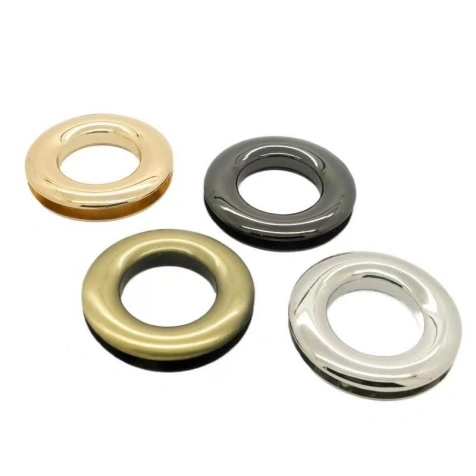
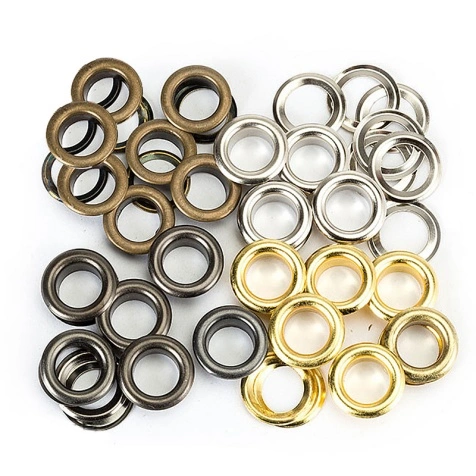
Manufacturers can match the look of their brands without changing the core part by using finishes like light gold, brushed nickel, antique brass, and gunmetal. The quality of the electroplating has a direct effect on how long something lasts. Cheap coatings chip within months, but professional-grade finishes last for years of daily use. Our in-house electroplating facility cuts down on delays caused by third parties and makes sure that colors are always matched across production batches. This is very important when a client orders 50,000 pieces and has very specific color requirements.
Installation Best Practices for Metal Round Eyelets on Tote Bags
Essential Equipment and Tool Selection
Up to 200 metal round eyelet pieces can be made every day with a manual punch-and-die set, which is good for low-volume production or prototyping. Pneumatic presses can make up to 2,000 units per shift and make sure that the pressure is even, which stops cracking and incomplete setting. Automatic feeder systems and hydraulic presses can make 8,000 pieces per shift with little work, but the dimensions must be consistent within 0.05 mm to avoid sticking.
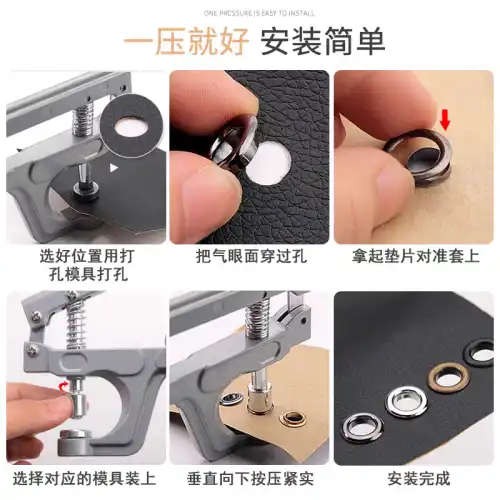
Step-by-Step Installation Process
Use templates or digital cutting guides to accurately mark where the eyelets will go. To make a slight interference fit, punch clean holes that are 0.2 mm smaller than the inner diameter of the eyelet. Place the backing die under the eyelet barrel and through the fabric from the side that can be seen. Then, slowly press down on the barrel until it flares out evenly around the die's shape. Check every placement right away—eyelets that are properly set should make full touch with the flanges, with no gaps or tilting.
Common Installation Defects and Prevention
Tensile testing shows that eyelets can spin easily when punch holes are too big, which lowers the load capacity by 40%. When undersized holes are inserted, they tear the cloth around them, making it weaker. When strikes aren't lined up right, they make asymmetric flanges that concentrate stress and speed up failure. When there isn't enough pressure, the barrels only partially flare, which lets moderate loads pass through. Training production staff to spot these flaws cuts down on rejections and warranty claims by a large amount.
Quality control checks should be done every 50 pieces during the first few production runs. After getting things consistent, they should be done every 500 pieces. Random pull-testing checks the mechanical strength, and visual inspection finds flaws in the way something looks before they reach your brand's customers. Our quality control procedures include both 100% human screening and automatic optical sorting, which makes sure that only hardware that meets your requirements makes it to the production floor.
Comparison: Metal Round Eyelets vs Plastic Eyelets in Tote Bags
Durability Under Continuous Use
Plastic rivets break after 3,000 to 5,000 load cycles, but zinc metal can handle more than 20,000 cycles before it starts to wear down. Changes in temperature outside make plastic rigid in cold weather and soft in hot weather, which weakens its structure. Metal works the same from -20°C to 80°C, which is important for bags that are shipped around the world in different temperatures.

Aesthetic Value and Brand Perception
Metal hardware looks and feels high-end, which is why it costs more at stores. Consumer image studies show that shoppers connect metal parts with quality and longevity, which affects their decisions to buy at the point of sale. Finishes that can be changed, like light gold, rose gold, and black nickel, make it possible for design language to be consistent across product lines. This helps brands stand out in competitive markets.
Cost Analysis Over Product Lifecycle
Plastic eyelets are 60% cheaper at first, but they get more guarantee claims and refunds. When you add up the total cost of ownership, which includes things like customer service hours, replacement units, and a hurt brand's image, the math often leans toward metal. Mid-range totes that cost more than $30 really benefit from metal upgrades. The extra $0.15 per unit cost isn't that much when you consider how happy your customers are and how often they buy from you again.
Environmental concerns are becoming more and more important in buying choices. Metal eyelets can be recycled through regular metal streams, but mixed-material plastic versions make recycling batches less clean. Brands that want to get sustainability certifications find that metal parts make compliance paperwork easier and make marketing materials that make environmental claims stronger.
Procuring Metal Round Eyelets for Tote Bag Manufacturing: A B2B Buying Guide
Evaluating Supplier Capabilities
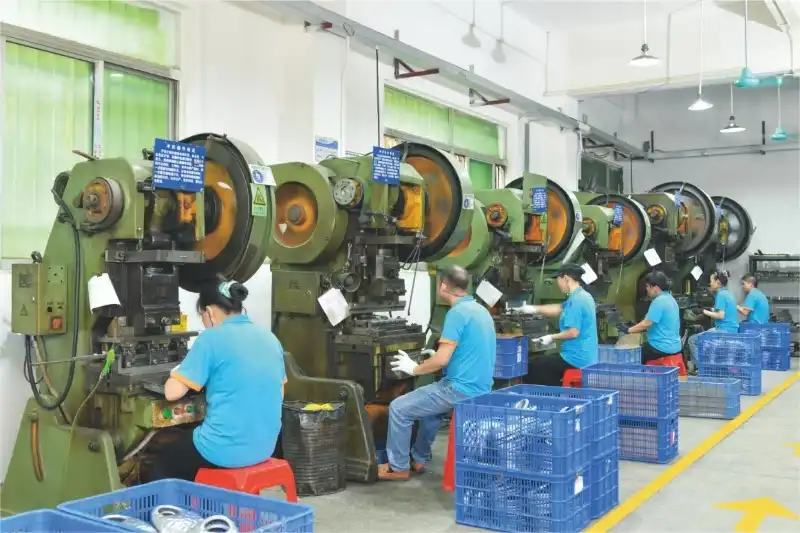
The size of a factory shows how much it can produce and how well it can handle crises. Suppliers with 4,500□ sites and 100 or more machines can handle both test runs of 5,000 metal round eyelet pieces and production orders of 500,000 pieces without having to wait for subcontractors. When electroplating is done in-house, color matching mistakes are less likely to happen than when plating is done by someone else. This is because a single seller handles the whole process, from the raw materials to the finished gear.
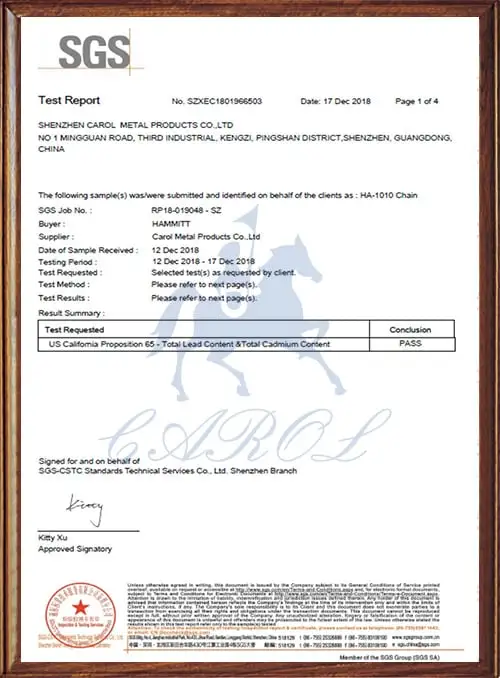
Certifications prove that quality systems work: ISO9001 makes sure that processes are consistent, SMETA makes sure that Products are made in an ethical way, and SGS testing proves that products are safe. Partnerships with luxury brands show that they can meet high standards. When looking for new suppliers, ask for client references from businesses that produce on a similar scale to yours. This will help you make sure that the seller can keep quality standards even when seasonal order amounts change.
Customization Flexibility and MOQ Considerations
Items from the catalog that aren't customized may not fit your design needs, but they usually ship within 7 days. OEM/ODM features let you change specifications, like adding decorative engravings, changing the finish to match Pantone colors, or moving the inner circle by 1 mm. Minimum order numbers are very different: 1,000 pieces for normal sizes, 5,000 to 10,000 pieces for custom sizes, and 20,000 pieces or more for special finishes that need their own plating runs.
You can get customizable MOQs by agreeing to yearly volume goals and quarterly releases. This way, you can balance the costs of keeping goods with the benefits of buying things quickly. Our customization services can handle design changes that happen when brand clients make changes to product lines in the middle of the season, and our 72-hour sampling turnaround time supports tight development schedules.
Pricing Structures and Payment Terms
Prices drop by 8% to 15% every time you reach a volume tier of 10,000, 50,000, or 200,000 pieces. Changes in currencies affect landed costs. Manufacturers who sell goods around the world can keep their budgets stable by using multi-currency pricing or hedging agreements. Payment terms that range from 30% deposit plus 70% before export to Net-60 for established accounts make it hard to plan cash flow, especially for companies that are working on projects at the same time for more than one brand client.
Logistics and Lead Time Management
From Chinese ports to the U.S., sea freight takes 25 to 35 days. It takes 35 to 45 days to get to the East Coast from the West Coast. Air express cuts travel time to 5 to 7 days, but costs 400% more. Strategic inventory positioning, like keeping safety stock at regional warehouses, strikes a balance between cost and responsiveness when brand clients suddenly need to speed up delivery schedules. When you buy more than one type of gear at the same time, suppliers that offer consolidated shipping can save you money on transport costs per unit.
Lead times are split between shipping and making the item (7 to 15 days for standard items and 20 to 30 days for custom items). When the plant can handle it, rush orders that cost extra cut production time to three to five days. Making sure everyone knows about the important steps in the order process—approving samples, finishing production, inspecting for quality, and shipping—enables accurate coordination with your assembly plan.
Conclusion
Choosing the right metal round eyelet shapes changes how long a tote bag lasts and how it's positioned in the market. The inner diameter of 21 mm and the outer flange of 35 mm work well for most standard applications. However, the size may need to be changed depending on the material weight and the amount of use. When it comes to durability, looks, and lifetime value measures that are important to OEM makers, metal construction beats plastic options. Strategic partnerships with suppliers that focus on customization, quality assurance, and reliable delivery give businesses that sell bags a competitive edge in markets that move quickly. Before placing large orders, procurement managers should try samples under real-life load conditions to make sure that the hardware specs meet all production needs and brand expectations.
FAQ
What inner diameter works best for reinforced handle attachment points?
Most manufacturers agree that standard webbing straps that are 15 mm to 18 mm wide work best with an inner diameter of 21 mm. This size lets the strap move freely while accommodating folded cloth ends. Heavy-duty bags with thicker straps might need 25mm to 30mm holes to keep them from getting snagged or worn out too quickly.
How does barrel length affect installation quality?
Barrel length should be 1.5 to 2 mm longer than the total thickness of the fabric. Not enough length stops the proper flare during crimping, which makes joints weak and more likely to fail through pull-through. Too much length makes sharp protrusions that hurt people or damage the contents of the bag, which means that extra grinding steps are needed, which raises the cost of production.
Can I mix eyelet sizes within a single tote bag design?
Yes, a lot of designs use bigger eyelets for the main points where the handles attach and smaller ones for lacing or extra straps. Visual harmony is achieved by giving all gear the same finish. Before finalizing specifications, performance is checked by testing each size under the expected load conditions.
Partner with Carol for Reliable Metal Round Eyelet Supply
Carol runs a 4,500 production center with high-tech die-casting and testing tools. Each year, she sends 30 million pieces to bag makers all over the world. Our in-house electroplating factory makes sure that all of our production batches are the same color. This cuts down on the delays and quality problems that come with outsourcing finishing. The 35mm outer round metal round eyelet with a 21mm inner diameter, finished in light gold and weighing 17.7 grams, is a great example of how we try to balance strength with weight so that our products can be used in a wide range of situations.
We are a qualified metal round eyelet maker with ISO9001, SMETA, and SGS credentials. We can change the sizes, colors, and materials to exactly match your needs, with minimum order quantities (MOQs) beginning at 5,000 pieces for changed sizes. Whether your production schedule calls for quick prototypes or regular shipments of multiple containers, our engineering team can help you with everything from choosing the right materials to making the best use of space during installation. To get samples and talk about how our hardware solutions can help you make more tote bags while making procurement easier, email tony@carolxiao.com.
References
- Thompson, R. (2021). Hardware Selection for Textile Applications: Engineering Standards and Best Practices. Industrial Fabrics Association International.
- Martinez, L. & Chen, K. (2020). Metallurgical Properties of Zinc Alloy in Garment and Bag Hardware Manufacturing. Journal of Applied Materials Science, 45(3), 287-301.
- National Association of Bag Manufacturers. (2022). Quality Standards for Metal Components in Luggage and Handbag Production. Technical Bulletin Series 18.
- Wu, J. (2019). Electroplating Processes and Surface Finish Durability in Fashion Hardware. Surface Engineering Quarterly, 12(2), 145-158.
- European Outdoor Group. (2023). Load Testing Protocols for Bag Hardware Components. Safety and Performance Guidelines, 7th Edition.
- Singh, P. & Kowalski, M. (2021). Sustainable Material Choices in Accessory Manufacturing: Life Cycle Assessment of Metal vs Plastic Components. Green Manufacturing Review, 29(4), 412-429.