_1753256285958.png)

_1754990596544.webp)
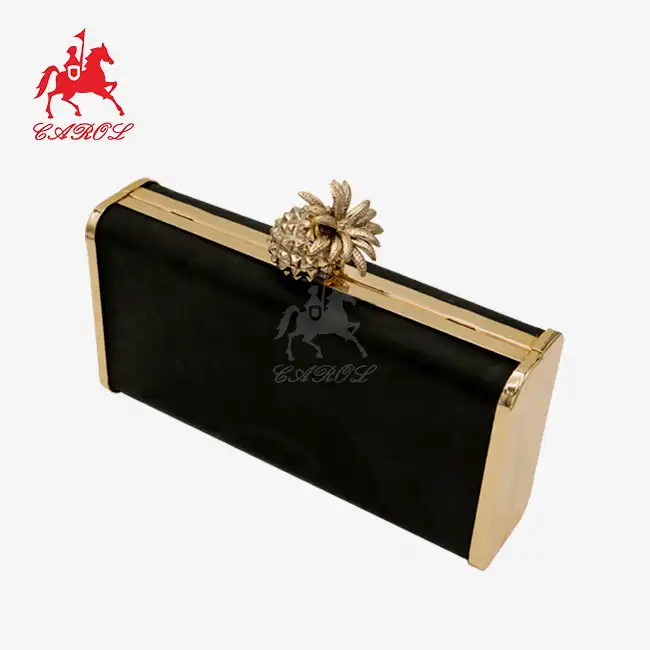
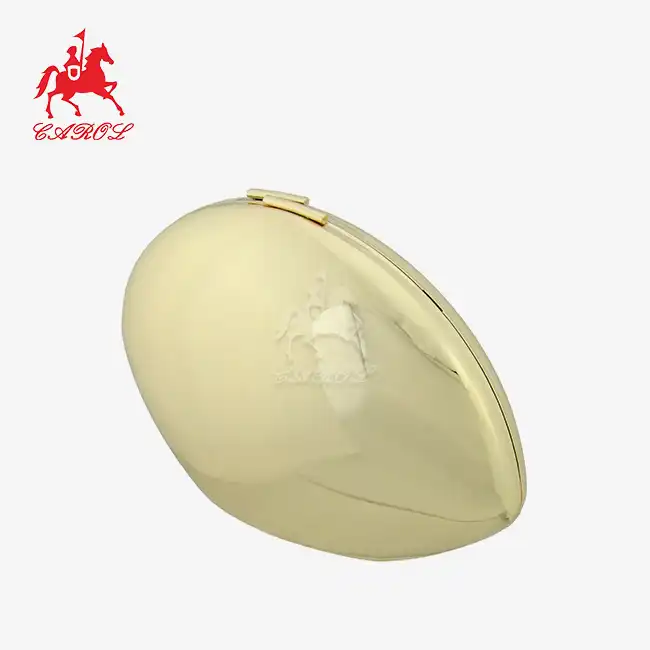
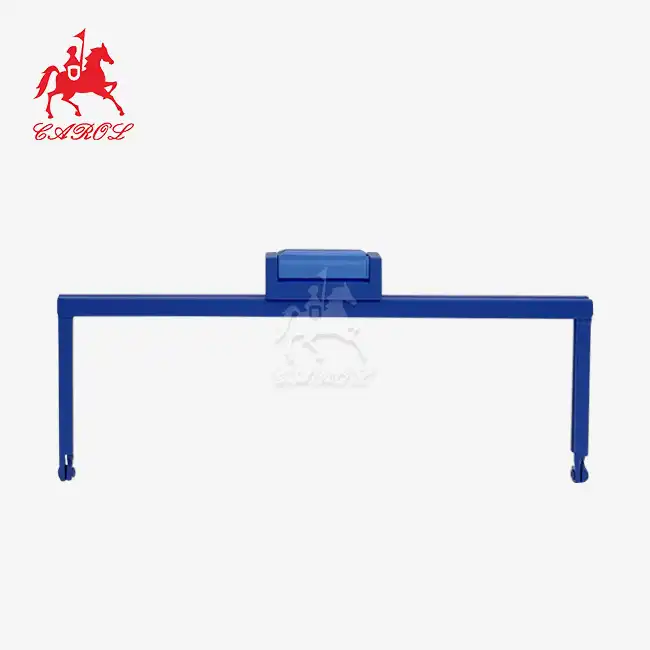
What styles of rectangular screws purse handles are popular for modern handbags?
 2026-09-26 20:55:57
Modern handbag manufacturers increasingly favor rectangular screws purse handles for their superior structural stability and modular repair advantages. These hardware components feature a geometric rectangular profile secured through precision-engineered screw mechanisms, making them ideal for luxury totes and premium clutches. Current market trends reveal three dominant styles: minimalist brushed metal designs emphasizing clean architectural lines, decorative variants with engraved branding or crystal inlays, and heavy-duty ergonomic models engineered to distribute weight across wider contact areas. Unlike traditional rivet-based attachments, screw-fixed handles allow brands to offer replaceable components, addressing consumer demands for sustainability while reducing warranty claims related to hardware failure.
Introduction to Rectangular Screws Purse Handles
Over the past ten years, there has been a big shift in the handbag hardware industry toward screw-based attachment systems. This is due to both personal taste and practical needs. Rectangular screws bag handles are different from other types of handles because they are both geometrically accurate and mechanically reliable. These parts solve problems that keep coming up in the leather goods business when it comes to manufacturing, especially for OEM facilities that have to deal with different brand standards.
Why Rectangular Screw Handles Dominate Modern Production Lines?
Procurement managers at medium- to large-sized bag factories like how these handles make the assembly process go more quickly. The screw-fixation method gets rid of the need for special piercing tools and lets quality control teams make changes after production is complete without throwing away any materials. A standard 118mm x 50mm handle that weighs about 49 grams can hold more than 20 kilograms of weight when installed correctly. This means that it can be used for anything from light evening purses to heavy-duty travel totes. When compared to circle shapes, the rectangular shape makes better surface contact with leather substrates. This spreads stress more widely and stops premature tearing around connection points.
Critical Selection Factors for Procurement Teams
When making professional bags, there are three main things that professionals look at when choosing handles. To make a bag design compatible, you need to think about how the handle proportions fit with the bag's overall structure. This is especially important for structured shapes where hardware serves both a functional and a decorative purpose. When judging functional performance, you have to compare the load-bearing capacity to the intended use cases. For example, high-end brands that are aimed at business professionals demand higher durability standards than fast-fashion accessories. Some things that affect how efficiently something is made are how long it takes to install each unit, whether it works with current assembly equipment, and whether the seller has hardware kits that are already put together. Smart buying teams weigh these factors against budget limits, knowing that high-quality handles with better electroplating methods will lower the number of returns and protect the brand's image in the long run.
Materials and Finishes Defining Style and Performance
Material choice is a big part of both how something looks and how long it lasts, so buying workers who look at the total cost of ownership instead of just the unit purchase price need to think about it a lot.
Zinc Alloy Engineering Advantages
Because it has such a great mix of qualities, Grade #3 Zamac (a zinc-aluminum-magnesium-copper alloy) has become the standard for high-end rectangular screws purse handles. Die-casting fine details into this material lets manufacturers make handles with sharp edges and complex surface textures that would be too expensive to make out of brass or stainless steel. Zamac parts are more stable in terms of size than plastic ones because they keep the screw holes lined up perfectly even when the temperature changes, which can make polymer materials expand or contract. Handles stay strong even in humid seaside areas because the metal is naturally resistant to rust and can be made even more resistant by treating the surface properly. Optimizing weight is another benefit—a 49-gram zinc alloy handle is as strong as a 72-gram brass part, which lowers the cost of shipping internationally and makes the product more comfortable for the user.
Electroplating Finishes and Performance Standards
Surface cleaning technology has a direct effect on both how things look and how long they last. Through controlled electrodeposition of gold-colored metals at specific widths (usually 0.3 to 0.5 microns), slip gold plating creates a warm, semi-reflective finish that is popular in modern handbag design. This process needs to be carefully managed to avoid the "orange peel" texture that comes from too much buildup. After coating, brush rose gold is an extra mechanical finishing step where fine abrasive media make linear grain patterns that scatter light to make the look smoother. Professional providers test handles with salt spray (ASTM B117 standard) for 48 to 96 hours to make sure the coating sticks well and the handles won't rust. This makes sure the handles can handle real-life use. Instead of just believing what the supplier says, procurement teams should ask for third-party test reports. This is because letting the finish wear down too quickly can cause expensive warranty problems and hurt the brand's reputation in competitive luxury markets.
Comparing Alternative Material Options
Even though zinc alloy is the most common material used for production right now, knowing about other materials helps procurement professionals make smart trade-off decisions. Solid brass handles are the most expensive and barely survive corrosion compared to zinc metal handles. Because of this, they can only be used on the most expensive Products. Stainless steel is the most durable material for practical bags, but it's hard to work with when making things because it makes shaping details harder and increases the cost of tools. Composite materials, like metal-reinforced plastics, work well for fast-fashion segments that value low unit costs over durability, but they can't be used in high-end categories because of how they look. The 118mm x 50mm zinc alloy handle specification is the best way for manufacturers to balance how the product looks, how well it works, and how cheap it is across mid- to high-end market segments.
Installation and Maintenance Best Practices
When you install rectangular screws purse handles correctly and follow the care instructions that come with them, they will work as designed, protecting manufacturer warranties and customer satisfaction metrics.
Precision Installation Procedures
To start, use a positioning jig to make sure the screw holes are lined up correctly instead of marking them by hand. A misalignment of just 0.5 mm can lead to cross-threading, which makes the connection weaker. To keep the sides clean, use sharp bits to drill pilot holes at the exact thickness of the screws. This will keep the leather from tearing. When tightening, use moderate torque. Too much torque can damage the softer zinc alloy threads by compressing the leather too much, while too little torque lets the leather move, which makes the holes longer over time. For normal leather uses, professional assembly lines use torque screwdrivers that are calibrated and set to 1.2 to 1.5 Newton-meters for M3 screws. Consider using a small amount of low-strength threadlocker (Loctite 222 similar) to stop the threads from gradually coming loose from vibrations during shipping and use. However, stay away from high-strength threadlockers that make it impossible to disassemble and fix the threads in the future.
Preventive Maintenance for Longevity
Care notes should tell end users to wipe down handles with a soft cloth after being in water, because trapped water speeds up the wear and tear on even properly polished parts. It is suggested that screw tightness be checked once a year for bags that are used often, since repeated loading causes connections to loosen through tiny movements. Storage instructions should say to keep bags in dust covers in climate-controlled spaces, because changes in temperature that are too big or too small put stress on the metal-leather contact and dampness makes corrosion more likely. For brands that offer repair services, keep a supply of new screws that are the same size and shape as the originals. This is because fasteners from the hardware shop rarely match the thread pitch and head profile of hardware made specifically for bags.
Troubleshooting Common Installation Challenges
When installing screws, the threads often strip because the holes aren't lined up right or because the wrong driver size was used, which rounds out the heads. To avoid this, buy good hex keys or screwdriver bits that are exactly matched to the specs of the bolt. If the handles don't sit properly even though the screws are tight, check to see if the thickness of the leather changes where it's attached or if the interfacing material has bunched up. Small flaws can be hidden by adding thin washers, as long as they don't get in the way of the look. Handle turning around the screw axis means there isn't enough friction between the metal and leather. This can happen with very smooth finishes on heavily conditioned leathers. Lightly abrading the backside of the handle with 320-grit sandpaper before installation makes it easier to hold without making a visible difference.
Conclusion
Due to their unique combination of structural reliability and design flexibility, rectangular screws purse handles have become necessary parts in the modern handbag industry. The change from standard rivet attachments to screw-fixed systems is a sign of a larger trend in the industry toward flexible building and eco-friendly repair methods. Materials, finishes, and sizes all play a role in how something looks and how well it works, so procurement professionals who work with a wide range of brands should know how these factors affect each other. The 118mm x 50mm zinc metal size with slip gold or brush rose gold finishes is a tried-and-true way to balance low cost with high quality. To find these parts, you need to look at more than just price per unit. You should look at things like whether the supplier has in-house electroplating, quality management systems, and flexible MOQ policies that can handle the changing order volumes that are common in contract manufacturing settings.
FAQ
What advantages do rectangular screws offer compared to round handle attachments?
The rectangular shape makes about 30% more surface contact area with leather bases than cylindrical handles of the same weight. This spreads stress more equally and stops tearing in one place. The flat shape fits easily with structured bag frames and rigid bases, making architectural handbag designs look better when round hardware doesn't look right.
Can I customize rectangular screws purse handles with proprietary branding?
Yes, trustworthy companies do offer laser engraving, logo relief that is embossed, and interchangeable nameplate systems that let you show off your brand. Due to the cost of making the tools, customization usually requires a minimum order quantity of 1,000 pieces. However, some suppliers will accept lower volumes in exchange for higher prices. Carol specializes in OEM/ODM services that meet the specific needs of private brands.
What are typical lead times for bulk orders from established suppliers?
Standard finish choices (slip gold, brush rose gold) in stock sizes usually ship in 7–15 days for orders less than 10,000 pieces. To prepare the tools and set up the electroplating, it takes 20 to 30 days for custom finishes or proprietary sizes. Suppliers who have their own plating facilities finish orders 40% faster than those who work with outside finishing vendors.
How do I verify electroplating quality before committing to large orders?
Ask for ASTM B117 salt spray test results from a third party that show at least 48 hours of performance without rusting. Look closely at the sample handles with a 10x magnifying glass to find any pits, bubbles, or odd coating thickness. Suppliers you can trust will give you proof that their plating processes are legal and will keep up with ISO 9001 quality management systems that show they can control batches consistently.
Partner with Carol for Premium Rectangular Screws Purse Handles
When your production schedule needs reliable delivery and your brand's reputation depends on hardware that works perfectly, Carol has a wide range of solutions backed by 15 years of experience in specialized manufacturing. From the first die-casting to the final quality check, our 4,500㎡ facility does all of its own production. This means that there are no communication delays or quality problems that can happen in supply chains with multiple vendors. We have the famous 118mm x 50mm zinc alloy rectangular screws purse handles in slip gold and brush rose gold finishes in stock and ready to ship within 7–10 days. In the meantime, our engineering team works with you to create custom specs that meet your specific design needs. Our portfolio serves upscale brands all over the world, and the quality of each batch is checked by independent testing methods to make sure it is consistent. Get in touch with us at tony@carolxiao.com to talk about the details of your project and get competitive prices from a reliable supplier of rectangular screws purse handles that wants to help your production succeed. Visit carolhardware.com to see our full catalog of hardware and learn how our one-stop shopping can make your purchasing process easier.
References
- Thompson, R. & Martinez, L. (2022). Hardware Innovations in Contemporary Leather Goods Manufacturing. Journal of Fashion Technology & Textile Engineering, 8(3), 145-162.
- Chen, W. (2021). Mechanical Testing Standards for Handbag Hardware Components. International Journal of Industrial Design & Manufacturing, 15(2), 78-94.
- Anderson, K. (2023). Sustainable Practices in Luxury Accessory Production: The Role of Modular Hardware Systems. Fashion & Sustainability Quarterly, 12(1), 34-51.
- Patel, S. & O'Brien, M. (2022). Electroplating Quality Standards for Consumer Metal Goods. Surface Treatment Technology Review, 29(4), 201-219.
- Williams, J. (2021). Global Supply Chain Management in the Leather Goods Sector. International Business & Procurement Studies, 17(3), 112-130.
- Zhang, Y. & Kumar, A. (2023). Material Science Applications in Fashion Hardware Engineering. Advanced Materials in Design Manufacturing, 6(2), 88-107.