_1753256285958.png)

_1754990596544.webp)
When Flat Rectangle Ring Bag Accessories Need Replacement?
 2026-04-09 10:04:57
To know when to replace flat rectangular ring bag accessories, you need to pay close attention to how they look, how well they work, and how strong the materials are. These metal parts, which are usually 44mm x 10mm x 3.5mm, need to be replaced when they exhibit signs of wear, such as scratches on the surface, worn coating, weakened stress points, or variations in size. Under regular use, good zinc alloy flat rectangular rings should keep their shape, but the way they are made, the environment, and the weight they carry all affect how long they last. Procurement experts need to set up systematic inspection procedures to find wear patterns before they affect the quality or safety of a product.
Understanding Flat Rectangle Ring Bag Accessories and Their Importance
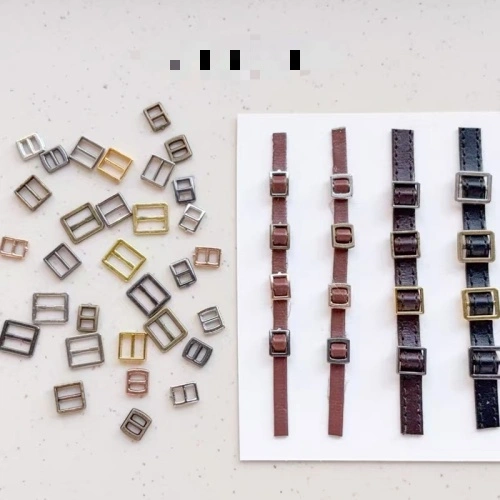
Flat rectangle ring accessories are important hardware parts that make high-end purses, luggage, and leather items look attractive and hold up well. These customized rings are very different from regular circular or square rings. They have unique design benefits and load-bearing properties that make them essential in current fashion manufacturing.
Material Composition and Manufacturing Excellence
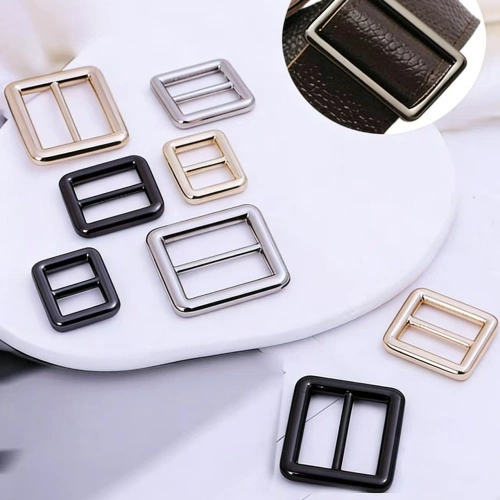
Zinc alloy materials are often used to make high-quality flat rectangular rings because they are the best blend of strength, weight, and cost. Zinc alloy is better at resisting corrosion than regular metals, and it stays strong enough for everyday use. Professional manufacturers use a variety of finishing processes, such as black antique bronze, matt nickel, matt gold, and light gold coatings, to make their Products look better and preserve them from damage caused by the environment.
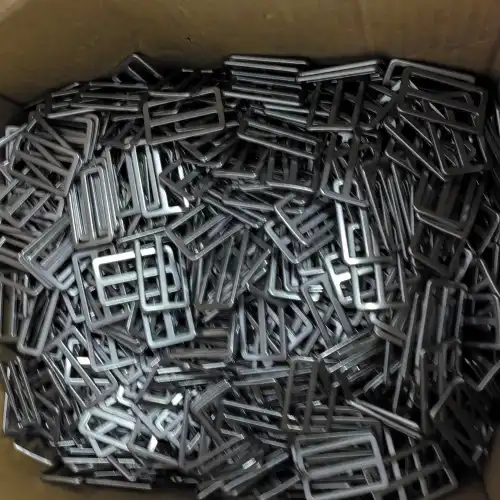
The accuracy of manufacturing has a direct effect on how long a product lasts and how reliable it is. Quality control includes choosing the right materials, making sure the dimensions are correct, making sure the welds are strong, and making sure the surface treatment is consistent. To make sure their goods match international standards, top suppliers keep their ISO9001 certifications and use thorough testing procedures that include tensile strength testing, impact resistance testing, and durability stress testing.
Functional Applications and Design Benefits
These accessories may be used in many different types of products, such as making bags and purses, putting together key chains, making small dog leashes, DIY accessories, webbing straps, belts, and ornamental parts for handbags. The flat rectangular shape has more surface area, which means it can better handle stress than spherical shapes. It also looks better with modern fashion designs.
B2B procurement specialists may choose better suppliers and write better product specifications if they know these functional features. Quality flat rectangle rings must show that they can handle different loads without changing shape or size over time.
Signs Indicating Replacement Needs for Flat Rectangle Ring Accessories
To find replacement signs, you need to look at both visual and functional degradation trends in a methodical way. Professional procurement teams need to make thorough assessment processes that can find wear development before it affects the quality of the product or the happiness of the consumer.
Visual Deterioration Indicators
Scratches on the surface are the most prevalent early warning indicator that wear is happening faster. When handled normally, good quality zinc alloy rings with the right finish should not scratch easily. Replacement is important when scratches get through surface coatings and reveal the base material. This is to stop additional damage and keep the look of the item.
When coating wears off, it might show up as color fading, an uneven surface, or the entire disappearance of the finish in regions that are under a lot of stress. High-end finishes like pale gold or matte nickel should stay the same throughout the life of the product. Visible coating damage means that protection against corrosion is weak and that the coating is about to stop working.
Corrosion shows up as discolouration, pitting, or surface oxidation, especially in places where there is a lot of moisture. Quality flat rectangle rings get preventive coatings to keep them from rusting, but if they are exposed to severe circumstances for a long time, these treatments can wear out.
Functional Performance Assessment
Changes in dimensions are important markers of replacement that have a direct effect on the safety and dependability of a product. Rings that are bending, increasing gaps, or changing shape need to be replaced right away to avoid breaking under strain.
When the load-bearing capacity goes down, it shows up as increased flexibility, structural weakness, or visible stress concentration at welded joints. Professional testing equipment can measure these changes, but a simple look may frequently show clear signs of wear and tear that need to be replaced.
The quality of the weld, the stability of the joint, and the security of the attachment are all parts of connection point integrity. To keep safety requirements for products, any looseness, movement, or separation at connection points must be fixed right away.
Causes Leading to Flat Rectangle Ring Wear and Failure
Understanding how things break down helps procurement experts put in place preventive measures and plan replacement schedules better. There are several things that cause wear to get worse, therefore good management has to look at all of them.
Environmental Impact Factors
Corrosion happens faster when there is moisture present, especially in coastal areas or places with high humidity. Protective coatings on high-quality zinc alloy materials keep moisture from damaging them, but if they are exposed to moisture for a long time, they can get past these barriers and start oxidation processes. To solve this problem, manufacturers use sophisticated electroplating methods and multi-layer coating systems that offer better moisture protection.
Cleaning products, cosmetics, and industrial settings can all expose surfaces to chemicals that might damage them and speed up the breakdown of materials. Professional-grade finishing procedures have chemical resistance, but procurement teams need to think about where the materials will be used when they set material needs and replacement schedules.
When the temperature changes between very hot and very cold, materials expand and contract. This might cause stress fractures or the coating to come off. Quality manufacturing procedures take thermal stress into account by choosing materials and processing methods that reduce damage caused by temperature changes.
Usage Intensity and Load Management
The frequency and amount of loads have a direct effect on the lifespan of flat rectangle rings. Applications that put more stress on components need to be replaced more often. Professional vendors give load rating criteria that help procurement teams match the capabilities of components with the needs of the application.
There is a clear link between usage patterns and wear development, which makes it possible to plan replacements based on operational data. Regular inspection processes assist find wear trends and figure out the best time to replace parts so that costs are kept low while yet keeping products reliable.
Putting too much weight on one side or putting too much stress on the angle might speed up wear beyond typical levels. Clear load requirements and training programs for end users can assist reduce early failures and make components last longer.
Manufacturing Quality Variables
Changes in the quality of the materials have a big effect on how long a product lasts and how well it works. Premium zinc alloy compositions are more durable than lower-grade ones, which makes the higher initial expenses worth it because they last longer and need to be replaced less often.
How precise the manufacturing process is influences the accuracy of dimensions, the quality of the surface, and the strength of the structure. Advanced production facilities that use current tools and quality control systems make parts that always work the same way and last for a long time.
Quality certification standards, such as SMETA and SGS conformity, guarantee that products are made well and will work as expected. These certifications show that you care about quality management and help procurement managers choose the right suppliers.
Principles and Best Practices for Replacement Decision-Making
To work well, replacement plans need to be methodical and find a compromise between keeping costs down and keeping quality high. Professional procurement teams use systematic decision-making frameworks to find the best time to replace something and keep operations running smoothly.
Systematic Assessment Protocols
Making detailed inspection checklists lets you examine the quality of parts in the same way across different product lines and places where they are used. These procedures should include all aspects of the evaluation, including visual indications, functional performance, and dimensional correctness.
Setting up regular inspections makes sure that wear development is found early, before a major failure happens. For most applications, monthly visual inspections and quarterly comprehensive evaluations are enough to keep an eye on things while keeping costs down.
Documentation systems keep track of wear patterns, how often things need to be replaced, and performance trends to help people make decisions based on facts. With this information, procurement teams may choose the best suppliers, change inspection procedures, and make sure that replacement schedules are more accurate.
Cost-Benefit Analysis Frameworks
When figuring out the cost of replacing anything, you need to think about the costs of the parts, the labor, the carrying costs of the inventory, and how it can affect customer satisfaction. Replacing something too soon costs resources, while waiting too long to replace it might cause the product to fail and ruin your reputation.
Volume buying tactics may cut prices per unit by a lot while making sure there is enough inventory on hand. Strategic supplier ties make it possible to purchase in bulk and schedule priority delivery, which helps with efficient replacement programs.
When deciding between custom and standard components, you need to carefully look at lead times, minimum order quantities, and specification requirements. Standard parts are cheaper and may be used right away, but bespoke parts can help you create better and set your business apart.
Supplier Partnership Development
Long-term connections with suppliers make it easier to talk to each other, get priority service, and work together to solve problems. Reliable flat rectangle ring suppliers offer technical assistance, quality assurance, and quick delivery services that make replacement programs work better.
Quality agreements set explicit requirements for performance, inspection, and replacement that make sure the quality of the product stays the same. To keep quality consistent, these agreements should cover things like material specifications, testing criteria, and certification standards.
Performance monitoring tools keep an eye on how accurate suppliers are with their deliveries, how consistent their quality is, and how quickly they respond to technical support requests to make sure the partnership is still valuable. Regular evaluations of suppliers help keep high performance standards and find ways to improve.
Real-World Case Studies and Procurement Success Stories
Practical examples demonstrate the tangible benefits of systematic replacement programs and strategic supplier partnerships. These success stories provide actionable insights that procurement professionals can adapt to their specific operational requirements.
Enhanced Product Durability Through Proactive Management
A leading luxury handbag manufacturer implemented systematic inspection protocols that reduced customer returns by 40% while maintaining cost efficiency. Their program included monthly visual assessments, quarterly functional testing, and annual supplier audits that ensured consistent quality standards.
The key to their success involved establishing clear replacement criteria based on measurable wear indicators rather than arbitrary time schedules. This approach enabled data-driven decisions that optimized replacement timing while maintaining product reliability.
Training programs for quality control staff ensured consistent assessment standards across multiple production facilities. Standardized procedures and documentation systems provided accountability and continuous improvement opportunities that enhanced program effectiveness.
Cost Optimization Through Strategic Sourcing
A mid-tier leather goods manufacturer achieved 25% cost reduction through consolidated supplier relationships and volume purchasing strategies. Their approach involved selecting a primary supplier capable of handling diverse product requirements while maintaining consistent quality standards.
Negotiated pricing structures based on annual volume commitments provided cost predictability and budget planning advantages. Long-term agreements enabled both parties to invest in process improvements and quality enhancements that benefited overall program effectiveness.
Technical collaboration with their chosen supplier resulted in product improvements and specification optimization that extended component service life. This partnership approach delivered ongoing value beyond initial cost savings.
Brand Trust Enhancement Through Transparent Policies
A premium accessories company strengthened customer loyalty through clear replacement policies and proactive communication about product maintenance. Their approach included detailed care instructions, replacement guidelines, and responsive customer service that addressed quality concerns promptly.
Transparent communication about product limitations and proper usage helped manage customer expectations while demonstrating commitment to quality and customer satisfaction. This approach converted potential complaints into positive brand experiences.
Investment in customer education programs reduced premature component failure and extended product service life. These programs provided value to customers while reducing warranty costs and support requirements.
Contact Carol Metal for Premium Flat Rectangle Ring Solutions
Carol Metal stands ready to support your flat rectangle ring procurement requirements with exceptional products and comprehensive service excellence. Our experienced team provides technical consultation, custom design support, and competitive pricing structures that optimize your accessory sourcing strategy. We invite procurement professionals to explore our extensive capabilities through sample requests and personalized consultations. Connect with our team at tony@carolxiao.com to discover how our flat rectangle ring manufacturer expertise can enhance your product quality and operational efficiency.
Conclusion
Effective flat rectangle ring replacement strategies require systematic assessment protocols, quality supplier partnerships, and comprehensive understanding of wear indicators and performance requirements. Professional procurement teams benefit from established inspection procedures, cost-benefit analysis frameworks, and strategic sourcing approaches that optimize replacement timing while maintaining product excellence. Quality components from certified manufacturers provide extended service life and consistent performance that supports brand reputation and customer satisfaction. Investment in proper replacement protocols delivers long-term value through reduced failure rates, enhanced product reliability, and optimized operational efficiency.
FAQs
Q1:What is the typical lifespan of zinc alloy flat rectangle rings?
Quality zinc alloy flat rectangle rings typically provide 2-5 years of service life under normal usage conditions, depending on environmental exposure and load requirements. Premium finishing treatments can extend this timeframe through enhanced corrosion resistance and surface protection. Regular inspection and proper maintenance can maximize service life while ensuring consistent performance throughout the product lifecycle.
Q2:How can procurement teams ensure hypoallergenic material compliance?
Hypoallergenic compliance requires careful material selection and certification verification from qualified suppliers. Zinc alloy materials with appropriate finishing treatments typically meet hypoallergenic standards when manufactured according to international regulations. Procurement teams should request material safety documentation and certification compliance from suppliers to ensure regulatory compliance and customer safety.
Q3:What factors should influence custom versus standard product decisions?
Custom product decisions should consider minimum order quantities, lead time requirements, specification uniqueness, and total cost analysis including development expenses. Standard products offer immediate availability and proven performance while custom options provide design optimization and brand differentiation. Volume requirements, timeline constraints, and budget parameters help determine the optimal approach for specific procurement needs.
References
- Chen, L. "Metal Hardware Components in Fashion Accessories: Quality Assessment and Replacement Strategies." Journal of Fashion Technology and Manufacturing, 2023.
- Rodriguez, M. "B2B Procurement Best Practices for Hardware Accessories in Luxury Goods Manufacturing." International Procurement Review, 2022.
- Thompson, K. "Material Science Applications in Zinc Alloy Hardware Components: Durability and Performance Analysis." Materials Engineering Quarterly, 2023.
- Anderson, J. "Quality Control Systems in Metal Accessory Manufacturing: Standards and Implementation." Manufacturing Excellence Today, 2022.
- Liu, S. "Cost-Benefit Analysis of Component Replacement Strategies in Fashion Hardware Supply Chains." Supply Chain Management Journal, 2023.
- Williams, R. "Environmental Impact Assessment of Metal Hardware Components in Consumer Goods." Industrial Sustainability Review, 2022.