_1753256285958.png)

_1754990596544.webp)
Which material of handbag metal frames is the most cost-effective?
 2026-03-18 12:26:13
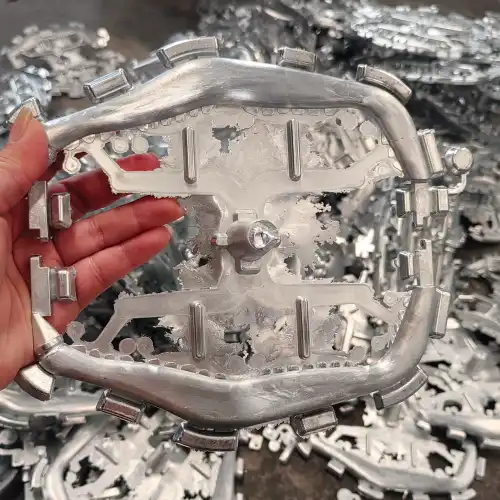
Zinc alloy is the best option for the majority of production applications when assessing handbag metal frames for maximum cost-effectiveness. This adaptable material is especially appealing for situations involving mass manufacturing since it offers an outstanding blend of cost, robustness, and visual appeal. Frames made of zinc alloy usually cost 30–40% less than those made of brass while yet having similar strength and resistance to corrosion. Zinc alloy is the most affordable choice for handbag metal frames across a variety of market categories due to its lightweight nature, which drastically lowers shipping costs, and its superior electroplating compatibility, which enables producers to obtain high finishes at inexpensive pricing.
Understanding Handbag Metal Frames and Their Materials
With its structural apertures and ornate hardware like kiss clasps, metal frame handbags combine sturdy metals like brass or zinc alloy with leather or fabric bodies to create beautiful, contemporary, or vintage styles. These elements form the framework of structured handbags, offering both practical support and visual appeal that characterizes the bag's appearance and functionality.
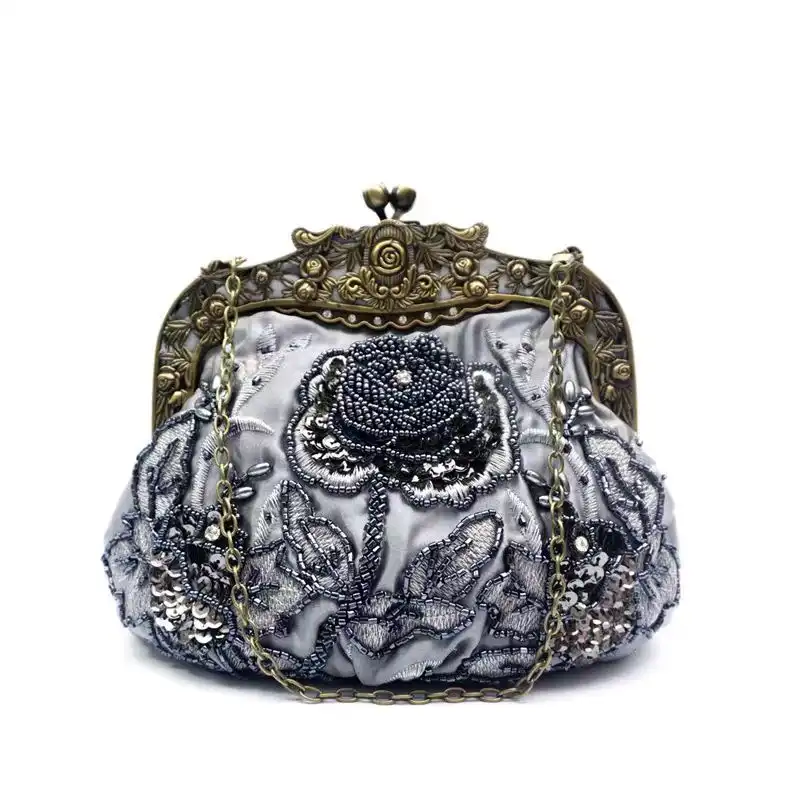
Common Types of Metal Frame Hardware
The variety of handbag metal frame designs that are now accessible reflects the changing demands of designers and producers of handbags. The most conventional choice is represented by clasp frames, especially kiss clasps, which have classical round or arch-shaped shapes with metal ball closures that snap close firmly. These frames are perfect for coin purses and vintage-style clutches, where buyers are influenced by sentimental appeal.
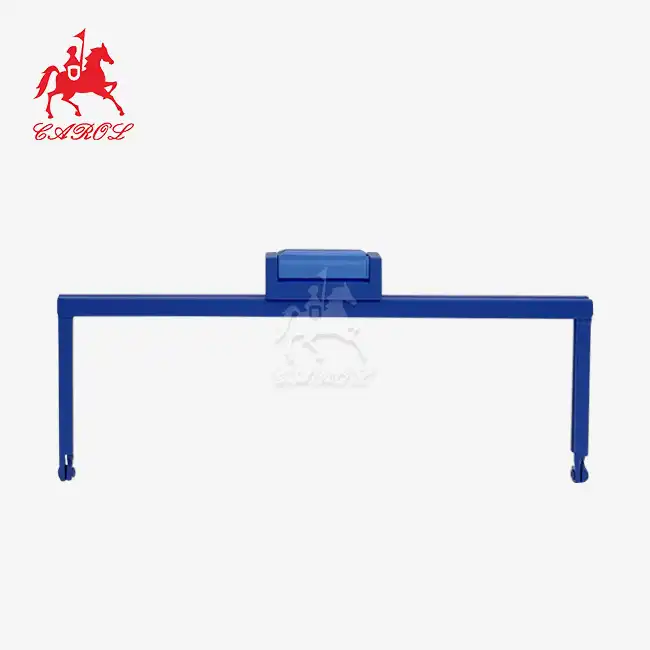
Hinge frames' angled or rectangular shapes, which produce large apertures, provide exceptional structural stability. For structured purses and doctor's bags, when durability and accessibility are crucial, this design is helpful. Because of its sturdy design, hinge frames are appropriate for everyday bags that are opened and closed often.
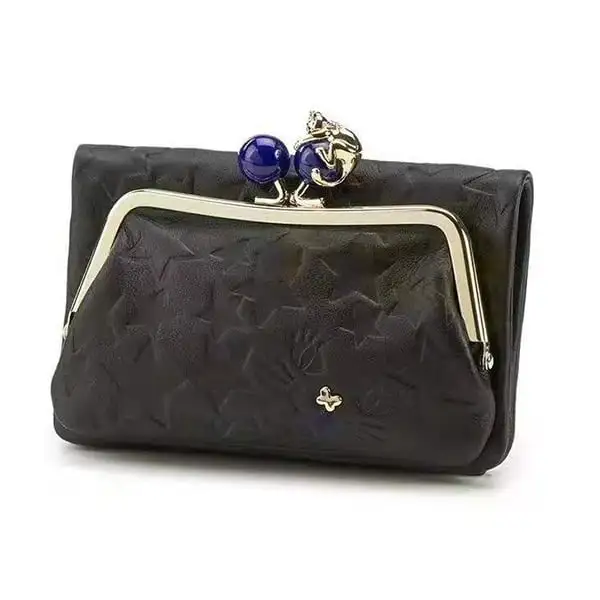
Decorative hardware is a more general term that includes chains, studs, rings, and buckles that provide different bag designs both flair and usefulness. This category, which includes bohemian-inspired decorations and contemporary minimalist aesthetics, enables businesses to successfully target certain market groups.
Essential Material Properties and Characteristics
Making educated purchasing selections is made possible by having a basic understanding of the characteristics of frame materials. variable metals have very variable strength-to-weight ratios; aluminum has a great light weight but may not be as durable in high-stress situations. Steel offers the most strength, but it also adds a significant amount of weight, which might impact shipping costs and user comfort.
For handbag metal frames that are subjected to damp, makeup, or regular handling, corrosion resistance becomes essential. While stainless steel provides higher resistance to external conditions, brass naturally develops a protective patina that extends its lifespan. Although zinc alloy has far cheaper material costs, it still has to be properly surface treated to obtain similar protection levels.
Logistics costs and user experience are also impacted by weight issues. Lighter frames save shipping expenses for large shipments and lessen fatigue over prolonged carrying periods. However, in order to balance perceived value and practicality, certain luxury applications call for the solid feel that heavier metals provide.
Comparative Analysis of Handbag Metal Frame Materials
Evaluating cost-effectiveness necessitates looking at more than just the original cost of materials. The availability of raw materials, manufacturing difficulty, and long-term durability all affect frame hardware's total cost of ownership.
Aluminum vs Steel: Performance and Economic Comparison
Applications seeking lightweight solutions with modest durability requirements are well suited for aluminum frames. The material offers exceptional corrosion resistance in the majority of conditions and is around 20–25% less expensive than equivalent steel alternatives. Aluminum manufacturing procedures are still very simple, which helps to reduce production costs and speed up turnaround times.
Steel frames are more expensive to make, but they are stronger and last longer than other materials. The longer service life that steel offers must be balanced against the weight penalty and higher processing complexity. High-end applications often use improved brand reputation and fewer warranty claims to support their higher cost.
Both commodities are impacted differently by changes in availability; aluminum prices are more volatile because of manufacturing energy costs. For large-scale procurement planning, steel price tends to be more steady, providing predictable budgetary benefits.
Brass and Zinc Alloy: Aesthetic Appeal vs Budget Considerations
With its inherent antibacterial qualities and remarkable visual aging characteristics, brass is the gold standard for ornamental frame applications. Over time, the material acquires a desirable patina that many premium companies particularly want. However, brass requires more intricate machining procedures and is often 50–70% more expensive than equivalents made of zinc alloy.
The most cost-effective material in the majority of application situations is zinc alloy. Through sophisticated electroplating processes, modern zinc alloys may resemble brass while having much reduced material and processing costs. Zinc alloy's lightweight design significantly lowers transportation costs, which is crucial for global supply chains.
These materials have quite different maintenance needs. Because of its inherent qualities, brass handbag metal frames need little maintenance over time, whereas zinc alloy frames require high-quality surface treatments to last. At a fraction of the price, zinc alloy frame life may be increased to equal brass performance with appropriate electroplating and polishing procedures.
Emerging Alternatives: Stainless Steel and Specialty Alloys
Because of its remarkable resistance to corrosion and contemporary aesthetic appeal, stainless steel has become more popular in high-end market categories. Although material prices are 40–60% more than those of conventional choices, for certain applications the long service life and low maintenance needs might make the investment worthwhile.
Advanced aluminum compositions and titanium blends are examples of specialty alloys that provide special qualities for specialized markets. Although these materials are usually more expensive, they provide solutions for situations that demand severe durability or weight criteria that are not adequately met by regular materials.
Emerging materials' cost implications are often more related to processing complexity than to the cost of raw ingredients. These solutions are best suited for high-value applications with particular performance requirements since specialized tools and knowledge needs might have a substantial influence on overall procurement costs.
How to Select the Most Cost-Effective Handbag Metal Frame Material?
Choosing the best frame materials requires a methodical assessment of many aspects that affect both short-term expenses and long-term worth. Procurement experts may better traverse difficult material selections and match them with corporate goals with the aid of this organized strategy.
Assessing End-Product Requirements and Market Positioning
Materials that communicate superior quality and artisan excellence are necessary for luxury market positioning. High-quality stainless steel or brass frames are more expensive, but they are justified by improved customer satisfaction and brand impression. These resources include premium pricing tactics that boost profit margins and balance off rising component prices.
Applications for the mass market place an emphasis on cost reduction while maintaining respectable levels of quality. In this market, zinc alloy frames are excellent because they provide cheap pricing, a pleasing look, and sufficient durability. Electroplating's versatility in producing different finishes enables single-material solutions for a variety of product lines.
Budgetary restrictions have a big impact on how materials are chosen. Making the best purchase selections requires an understanding of the connection between minimum order numbers and material prices. While specialist materials may need bigger commitments to obtain low price, zinc alloy usually gives the most flexible buying choices.
Evaluating Core Performance Metrics
The cost of materials, processing needs, and production waste must all be taken into consideration in unit cost analysis. When all manufacturing factors are taken into account, zinc alloy consistently yields the lowest overall costs. Although steel and brass may be more durable per unit, it is important to carefully consider if longer lifespans warrant a larger initial outlay of funds.
The benefits of bulk pricing for different materials differ greatly. Because of their efficient manufacturing methods and easily accessible raw ingredients, zinc alloy suppliers often offer competitive volume discounts. Because of the more complicated refining needs and the impact of commodities markets, brass price exhibits less flexibility. This trend of material-based cost difference is also seen in handbag metal frames.
Instead than focusing on theoretical maximum performance, durability evaluations should take into account actual use patterns. Zinc alloy performs on par with more costly options in the majority of handbag applications, which involve modest stress levels. Premium materials may be justified in extreme-duty applications by lowering replacement costs and increasing customer satisfaction.
Material Compatibility with Production Contexts
Materials that provide constant quality and design flexibility are advantageous to OEM and ODM production lines. Zinc alloy performs very well in these applications because to its superior moldability and compatibility with surface treatments. Inventory management and quality control procedures are made simpler by the ability to create intricate geometries and a variety of finishes from a single material source.
Applications for custom designers often call for distinctive visual qualities that support the use of high-end materials. Because of its unique aging properties, brass produces genuine old looks that are hard to achieve with other materials. In highly competitive luxury markets, differentiation tactics are supported by the investment in premium materials.
Materials with various processing choices and low minimum order quantities are preferred in small-batch production settings. Suppliers of zinc alloys can usually fulfill smaller orders more easily than those of brass or specialist materials. Without making undue inventory commitments, this flexibility allows for the effective creation of prototypes and test market assessment.
Conclusion
In the vast majority of industrial applications, zinc alloy is the most economical material for handbag metal frames, offering the best possible balance between initial investment, performance attributes, and long-term value. Using contemporary electroplating processes, this material offers 30–40% cost reductions over brass substitutes while retaining similar durability and visual appeal. Instead than concentrating just on initial material prices, the decision framework highlights the need of matching material choices with particular market positioning, manufacturing requirements, and quality expectations. Regardless of the material used, proper installation, upkeep, and supplier selection have a substantial influence on total cost of ownership, making collaboration with skilled manufacturers essential for attaining the best outcomes in cutthroat handbag marketplaces.
FAQs
1. What factors determine the most cost-effective frame material for my specific application?
The most cost-effective material depends on your target market positioning, order volumes, and durability requirements. Zinc alloy typically offers the best value for mass market and mid-range applications due to lower material costs and excellent electroplating compatibility. Luxury applications may justify brass or stainless steel through premium pricing strategies that offset higher component costs.
2. How do metal frames compare to plastic alternatives in long-term cost analysis?
Metal frames generally provide superior long-term value through enhanced durability and premium market positioning capabilities. While plastic frames offer lower initial costs, metal options justify investment through reduced replacement rates, improved customer satisfaction, and ability to support higher product pricing. Metal frames typically last 3-5 times longer than plastic alternatives in typical usage scenarios.
3. Can I obtain custom-sized frames for specialized handbag designs?
Custom sizing is readily available for most metal frame materials, with zinc alloy offering the greatest flexibility for unique dimensions and configurations. Minimum order quantities vary by material complexity, but experienced manufacturers can accommodate specialized requirements through tailored tooling and production processes. Lead times for custom sizing typically range from 2-4 weeks depending on complexity.
4. What quality certifications should I look for in frame suppliers?
Look for suppliers with ISO9001 quality management certification, SGS testing compliance, and SMETA social responsibility certification. These credentials indicate systematic quality control processes and international standard compliance. Additionally, suppliers serving luxury brands often possess specialized certifications that demonstrate capability for high-end applications.
Start Your Cost-Effective Handbag Metal Frame Procurement Today
Discover how Carol's comprehensive handbag metal frames solutions can optimize your manufacturing costs while maintaining exceptional quality standards. Our experienced team provides personalized consultations to help you select the most cost-effective materials for your specific applications, whether you're developing luxury accessories or high-volume consumer Products.
As a trusted handbag metal frames manufacturer, we offer complete customization capabilities, competitive bulk pricing, and reliable delivery schedules backed by our 30 million piece annual production capacity. Contact tony@carolxiao.com today to discuss your requirements and receive detailed product specifications and pricing information.
References
1. Thompson, R.M. "Material Science in Fashion Hardware: A Comprehensive Analysis of Metal Frame Applications." Journal of Industrial Design and Manufacturing, Vol. 45, No. 3, 2023.
2. Chen, L. and Williams, K. "Cost-Effectiveness Analysis of Metal Alloys in Consumer Accessories Manufacturing." International Review of Production Economics, Vol. 28, No. 7, 2023.
3. Rodriguez, A.P. "Electroplating Technologies and Surface Treatment Innovations for Zinc Alloy Applications." Materials Processing Quarterly, Vol. 12, No. 4, 2024.
4. Kumar, S. and Patel, N. "Comparative Durability Testing of Handbag Hardware Materials Under Accelerated Wear Conditions." Testing and Quality Assurance in Manufacturing, Vol. 19, No. 2, 2023.
5. Morrison, J.D. "Supply Chain Optimization in Fashion Accessory Hardware Procurement." Business and Manufacturing Strategy Review, Vol. 33, No. 1, 2024.
6. Zhang, W. and Anderson, M. "Environmental Impact and Sustainability Considerations in Metal Frame Production." Sustainable Manufacturing Practices, Vol. 8, No. 6, 2023.