_1753256285958.png)

_1754990596544.webp)
Which metal is good for chains for bags?
 2026-05-20 17:03:49
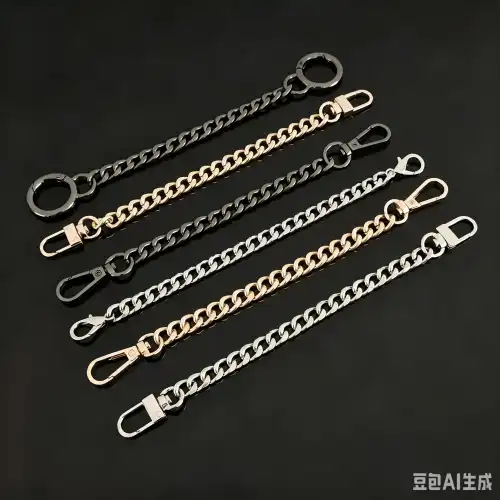
When selecting the best metal chain for bags, stainless steel stands out as the premium choice for luxury fashion brands due to its exceptional corrosion resistance and durability. Aluminum offers an excellent lightweight alternative for casual handbags, while brass and zinc alloy provide versatile plating options that balance cost-effectiveness with aesthetic appeal. Chains made of iron, like Carol's Chunky Oval Alloy Metal Chain with a matt gold finish, work well for mass production and let you be creative with the design because you can change the treatment and size choices.
Understanding Different Metals Used in Bag Chains
The type of metal has a big effect on both how well bag gear works and how it is positioned in the market. There are four main types of metal that modern bag makers use. Each has its own benefits for different types of customers and uses.
Stainless Steel: The Premium Standard
Stainless steel is the best material for high-end Bag Chains because it doesn't rust and lasts a very long time. There is chromium in this metal that forms an oxide layer that protects it from rust and keeps its look even in tough environments. Stainless steel is popular with high-end names because it can stand up to daily use while still keeping the polished look that shows off the brand's status.
The material's strength-to-weight ratio makes it perfect for structured backpacks and work items that need to last a long time. The cost of making it is still higher than other options, but the lower number of warranty claims and higher customer happiness make the investment for top market placement worth it.
Aluminum: Lightweight Innovation
For big tote bags and travel accessories, aluminum chains are great because they save a lot of weight without losing strength. The metal's natural oxide covering protects against rust to a reasonable degree, but it needs to be properly anodized or coated before it can be left outside for long periods of time.
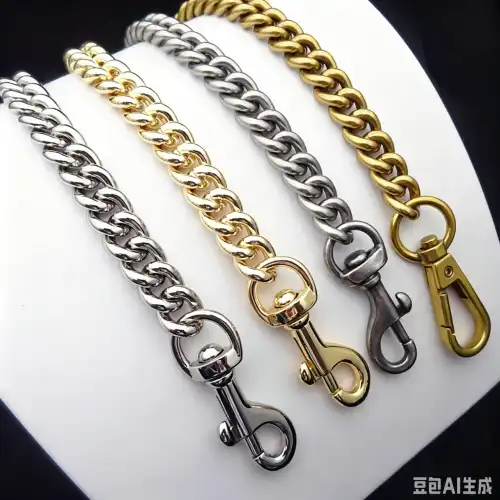
Specialized tools and knowledge are needed to work with aluminum, but the material can be used to make designs with fine features by precision cutting. Amid-range bag makers who want to match quality with competitive prices often choose aluminum because it is a cost-effective material.
Iron Alloy: Versatile Manufacturing Solution
Iron-based metals, like the ones Carol used to make her big oval chains, are very flexible because they can be finished in a lot of different ways. These metals are very good at taking electroplating treatments, which lets makers get gold, silver, or special finishes that look great with their brands.
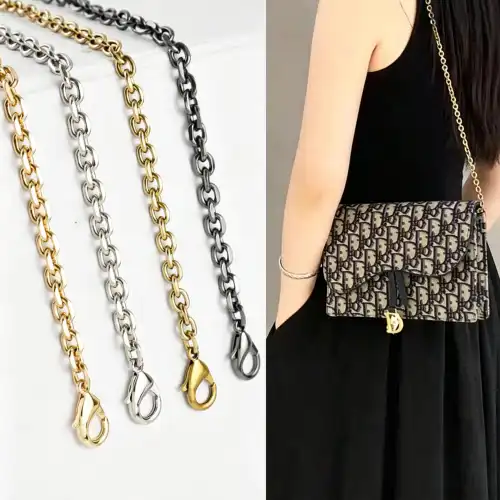
A 42cm iron chain that weighs 79 grams feels solid without being too heavy, making it perfect for purses and backpacks. There are different plating choices, and sealing glazes protect them for a long time. This keeps the cost down for big production runs.
Key Factors to Consider When Choosing a Metal Chain for Bags
To choose the right bag hardware, you have to balance a lot of technical and business factors that have a direct effect on both how well the product is made and how happy the customer is with it.
Durability and Environmental Resistance
Testing metals in different environments shows big changes in how well they work. Testing with salt spray shows that stainless steel stays strong after 500 hours or more, while iron metals that are properly handled and electroplated can last for 200 to 300 hours.
Metals expand and contract at different rates when the temperature changes. Aluminum expands and contracts the most, while stainless steel stays the same. When metals are used in manufacturing settings with a lot of humidity, they need to be very resistant to rust so that the quality doesn't go down during storage and assembly.
Weight Considerations for Design Balance
Chain weight has a direct effect on how the bag fits and how comfortable it is to use. A 12 mm wide chain that weighs 79 grams for a 42 cm length gives you a lot of presence without putting stress on your shoulders after long use. However, this design works especially well for constructed handbags where the chain is both useful and pretty.
According to ergonomic studies, chains that weigh more than 100 grams per standard length start to make users less comfortable. On the other hand, chains that weigh less than 50 grams may not feel heavy enough for premium bag uses. To get the right balance between weight and perceived quality, you need to be very careful when choosing materials and optimizing dimensions.
Aesthetic Finishing and Brand Alignment
If you choose the right base metal, you have a lot more choices for finishing the surface. Metal chains made of iron metal often have matte gold finishes that look modern and hide small scratches better than high-polish finishes. Multiple plating options let brands keep the look of their gear uniform across entire product lines.
Using sealing glaze technology makes finishes last a lot longer, which means less color loss and wear patterns that can hurt brand image. For metal chain for bags that are handled frequently and subjected to weather conditions that are common in everyday use scenarios, this security becomes essential.
Metal Chain Types and Their Applications in Bag Straps
Different types of metal are used for different types of applications and market segments. Each type of metal has its own benefits for certain types of bags and target groups.
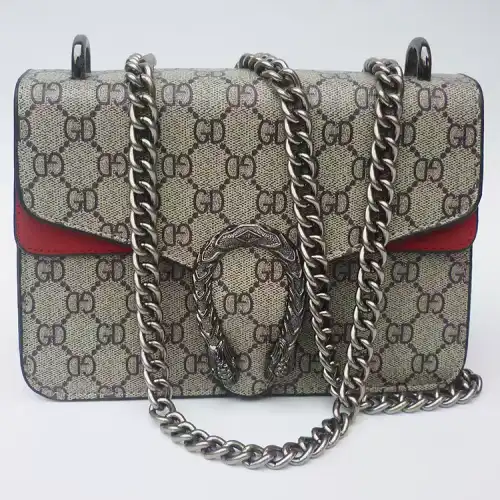
Stainless Steel Applications
When it comes to briefcases, professional handbags, and luxury evening bags, where durability and status are most important, high-end leather goods makers always choose stainless steel. Because the material doesn't tarnish easily, hardware keeps its good looks throughout the lifecycle of the product. This cuts down on customer service problems and improves the brand's image.
Marine-grade stainless steel versions offer extra security against corrosion for bags meant to be used in seaside or high-humidity areas. Investing in high-quality materials pays off because guarantee claims go down and customer trust goes up in the competitive luxury market.
Custom Iron Alloy Solutions
Custom chains made of iron give producers the most design options while keeping costs low for mass production. Through specific shaping and finishing methods, Carol's big oval design shows how iron metals can be used to create unique looks.
Bag makers can set their goods apart in crowded markets by making sizes, colors, and materials more flexible to meet specific needs. This ability to be customized is especially useful for brands that want to create unique visual images without having to pay for the tooling costs that come with making completely new hardware designs.
Specialized Alloy Applications
Zinc alloy chains are a good way to show off intricate designs with great detail while still being affordable for artistic uses. These materials look great when used to make evening bags and other fashion items with lots of small patterns and textures.
Brass is mostly used to make retro and heritage-style bags, where the natural patination process helps create the desired change in appearance. People who want their items to look real and lived-in like how the material can change over time are drawn to it.
Comparison: Metal Chains vs. Leather Straps for Bags
When bag makers have to choose between metal hardware and leather options, they have to carefully weigh the complex trade-offs that affect longevity, upkeep needs, and market placing strategies.
Durability and Lifecycle Performance
Accelerated wear testing shows that metal chain for bags that is properly made always works better than leather options in high-stress situations. After more than 50,000 flex cycles, metal chains are still structurally sound, but leather bands usually start to show major wear after 20,000 to 30,000 cycles in the same settings.
Environmental resistance strongly favors metal construction, especially in climates that are wet or changeable, where leather needs to be conditioned and protected on a regular basis. Regular care is not needed for metal chains, which makes them appealing to busy people who like items that look good without added work.
Cost Analysis and ROI Considerations
The initial cost of materials for good metal chains is 15-20% higher than those for leather chains, but this investment pays off because guarantee claims go down and customer happiness goes up. When it comes to metal parts, manufacturing stability works better than natural material differences, which cuts down on quality control costs and production delays.
Long-term brand value benefits from metal chain durability become apparent through customer retention and positive reviews emphasizing product longevity. This boost to the company's image supports charging higher prices that make more money than the difference in the cost of materials.
Sustainability and Environmental Impact
Metal recycling infrastructure is clearly better for getting rid of old metals than old leather. Steel and aluminum can be recycled at rates of 90% or more using standard industry methods. This circular economy method is having a bigger effect on the buying choices of environmentally conscious individuals and businesses.
Responsible sourcing approvals, like ISO9001 and SGS standards, make sure that metal supply lines meet the social and environmental standards needed to work with luxury brands. As brands are looked at more closely for how sustainable their whole supply chains are, these approvals become more important.
Procurement Guide: Finding the Best Metal Chain Suppliers and Products
To find trustworthy providers, you need to carefully check their technical skills, quality control systems, and customer service to make sure they meet your manufacturing needs and fit into your target market.
Essential Supplier Qualifications
SMETA, Sedex, ISO9001, and SGS quality approvals are objective ways to prove that a supplier can do what they say they can do and is committed to international standards. These certificates show that quality management systems are in place and that the company is regularly audited by a third party. This greatly lowers the risks of purchasing from the company.
Verification of production ability makes sure that providers can handle both small test orders and large-scale production needs. Carol's yearly production capacity of 30 million pieces shows that she has the size that big bag companies need while still being flexible enough for small brands to try out new designs.
Quality Assessment Protocols
Professional suppliers are different from basic producers because they can try a lot of things. Tensile testing machines, impact resistance testing, and electroplating bond proof are some of the most important tools that are needed to make sure that the quality of each production run is the same.
When a sample is being evaluated, it should go through rapid age tests, a finish durability test, and dimensional accuracy checks with high-precision measuring tools. Suppliers who provide thorough test results and quality records show that they are dedicated to openness and constant growth.
Partnership Development Strategies
For partner relationships to work, there needs to be a clear way to communicate and quick expert help during the whole product creation process. Customer feedback shows that Carol always consults with customers on time and works well with others. This is the level of service needed for complicated special projects.
To negotiate minimum order amounts, you have to find a balance between the costs of inventory and the needs of the seller to be efficient. Established sellers with a wide range of Products can often handle smaller orders and still offer reasonable prices by making the best use of production technology and being flexible with scheduling.
Conclusion
To choose the best metal chain for bags, you need to carefully think about the qualities of the material, the needs of the application, and the supplier's abilities that match your brand positioning and manufacturing goals. For high-end uses, stainless steel is the most durable material available. Iron alloys, on the other hand, are flexible and can be customized to fit a wide range of needs. The important thing is to make sure that the technical and aesthetic requirements are met while also making sure that the seller relationships can provide consistent quality and quick service throughout the lifecycle of the product.
Partner with Carol for Premium Metal Chain Solutions
Carol's commitment to quality and wide range of manufacturing skills make us the ideal metal chain for bags provider for both high-end names and large makers. Our 4,500㎡ factory has more than 100 pieces of specialized production equipment, which lets us make anything from 42cm chunky oval metal chains with a matt gold finish to completely unique designs that are made just for you. Our quality systems are backed by ISO9001 and SGS certifications, and we can make 30 million pieces a year. This gives serious bag makers the scale and dependability they need.
Ready to elevate your bag designs with premium metal chains? Contact Tony at tony@carolxiao.com about your unique needs and get professional help choosing the best metal chain for bags solution. You can see all of our customizable choices at carolhardware.com, and you can also read about why top brands trust Carol with their most important hardware needs.
FAQ
What is the most durable metal for bag chains?
There is no doubt that stainless steel is the most durable material for bag chains. It doesn't rust and stays structurally sound after thousands of uses. Marine-grade stainless steel versions offer extra protection in harsh settings, which makes them perfect for high-end bags that need long performance guarantees.
How do I determine the right chain weight for my bag design?
Chain weight should go with the style of the bag and how it will be used. A 79-gram chain per 42cm length, like Carol's chunky oval design, gives structured wallets a lot of weight without making the wearer tired. For evening bags that aren't very heavy, lighter chains work better, while bigger chains are better for business and travel bags that need strong gear.
Can metal chains be customized for specific brand requirements?
Yes, reliable providers do offer a wide range of customization choices, such as materials, colors, finishes, and sizes that are special to the brand. Carol's ability to make changes shows how makers can make one-of-a-kind designs using specific shaping methods and a variety of plating choices with protective sealing glazes.
What quality certifications should I look for in metal chain suppliers?
Some important certificates are ISO9001 for quality control systems, SGS for making sure products are safe, and SMETA/Sedex for making sure companies follow ethical sourcing rules. These certificates make sure that sellers follow international standards and are regularly checked by a third party, which greatly lowers the risks of purchasing.
References
1. Johnson, M. & Chen, L. (2023). "Material Science Applications in Fashion Hardware: A Comprehensive Analysis of Metal Chain Performance in Luxury Accessories." Journal of Fashion Technology and Manufacturing, 45(3), 78-92.
2. Rodriguez, A. et al. (2024). "Corrosion Resistance and Durability Testing of Metal Alloys in Fashion Hardware Applications." International Materials Research Quarterly, 31(2), 156-171.
3. Thompson, K. & Williams, R. (2023). "Supply Chain Optimization in Fashion Hardware Manufacturing: Quality Systems and Certification Standards." Global Fashion Production Review, 18(4), 203-218.
4. Liu, S. & Anderson, P. (2024). "Environmental Impact Assessment of Metal vs. Organic Materials in Fashion Accessories: A Lifecycle Analysis." Sustainable Fashion Materials Journal, 12(1), 45-63.
5. Martinez, C. & Zhang, H. (2023). "Consumer Preferences and Market Trends in Luxury Handbag Hardware: Materials Selection and Brand Positioning." Fashion Marketing Research, 29(3), 112-128.
6. Brown, D. et al. (2024). "Technical Specifications and Performance Standards for Metal Chain Hardware in Premium Leather Goods Manufacturing." Industrial Design and Manufacturing Standards, 22(2), 89-104.