_1753256285958.png)

_1754990596544.webp)
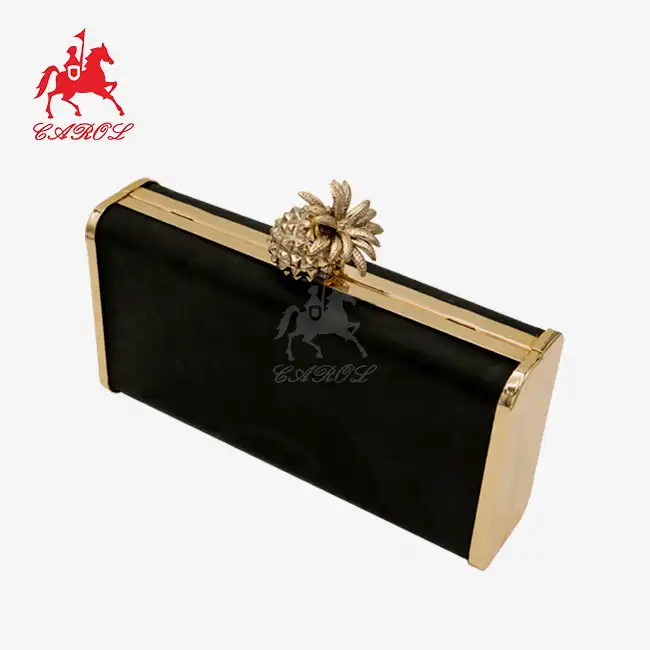
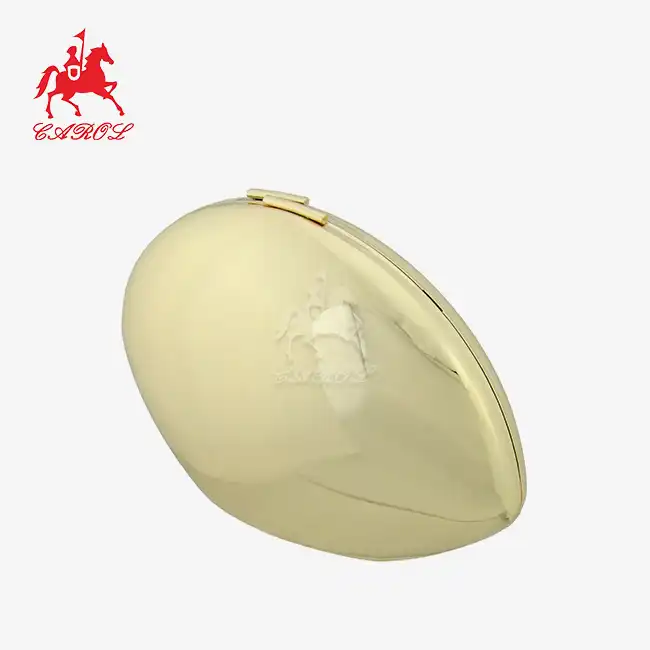
Why is coin purse clasp hardware made of zinc alloy?
 2026-06-08 20:32:32
Zinc metal is mostly used to make coin purse clasp hardware because it is strong, light, and inexpensive. This substance allows for accurate die-casting methods that create complex patterns and keep their structural integrity over time. When the right surface finishes are used, zinc metal doesn't rust, which makes it perfect for items that get wet and are handled every day. Because it can be plated with different materials and given different finishes, makers can achieve a wide range of looks, from shiny chrome to old bronze, meeting both practical and branding needs in the competitive fashion accessory market.
Coin Purse Clasp Hardware Material Requirements
The gear that holds a coin purse together has two important functions that directly affect how well the product does. In addition to offering technical closure, these parts make a big difference in how good the finished accessory looks and how it fits your style. Material choice affects not only how long a product lasts, but also how happy customers are with it and how well the brand is known.
Functional Demands of Quality Clasp Hardware
Coin purse frames and clasps can be opened and closed thousands of times over the course of their useful life. The chosen material must be able to handle mechanical stress without deforming, keep working smoothly over time, and not be affected by changes in humidity and temperature. Pay close attention to the welding places because that's where most structural breakdowns happen, where different types of materials meet or where stress builds up over time.
Aesthetic Versatility in Design Applications
When making modern coin purse clasp hardware, you need materials that can be finished in a variety of ways. Various surface treatments, such as etching and powder finishing, need to stick well and look good. What the base is made of affects how well the artistic layers stick to it and how the colors look across different batches of production. The properties of the material directly affect whether customization projects can still use etching, stamping, or stone setting.
Compatibility with Manufacturing Processes
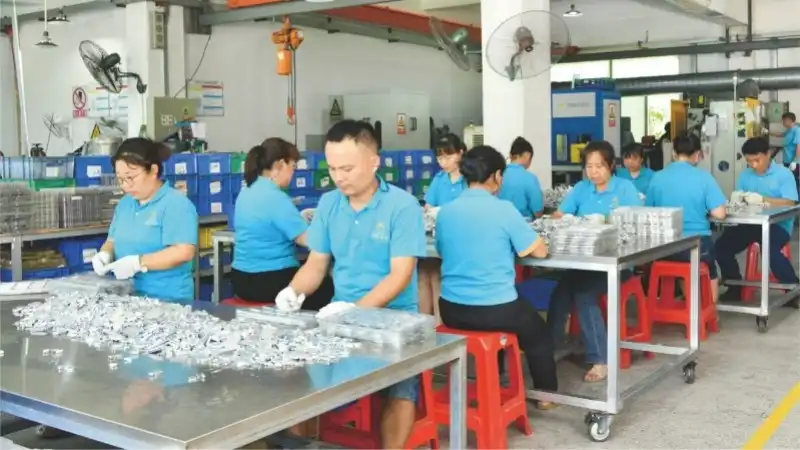
How well materials behave during production affects how efficiently they are made. The needs for die-casting are very different from those for pressing or forging. When materials run regularly into mold cavities, the number of flaws and post-casting adjustments is lower. When something works with automatic assembly systems, like riveting and sewing machines, it speeds up output and lowers the cost of labor. At Carol's 4,500㎡ manufacturing facility, more than 100 pieces of specialized equipment work with materials that were chosen for their manufacturing benefits. This lets us make 30 million pieces a year while keeping quality standards high.
Why Is Zinc Alloy the Preferred Material for Coin Purse Clasp Hardware?
When comparing zinc alloy to other metals for small tool uses, material science shows that zinc alloy has clear benefits. These qualities exactly match the needs that high-end brands and mid-range makers have when they're choosing parts for their lines.
Superior Strength-to-Weight Ratio
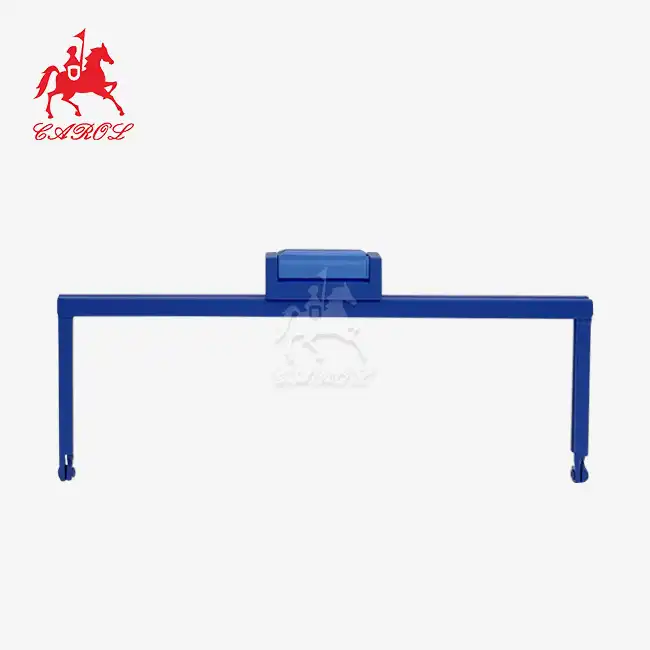
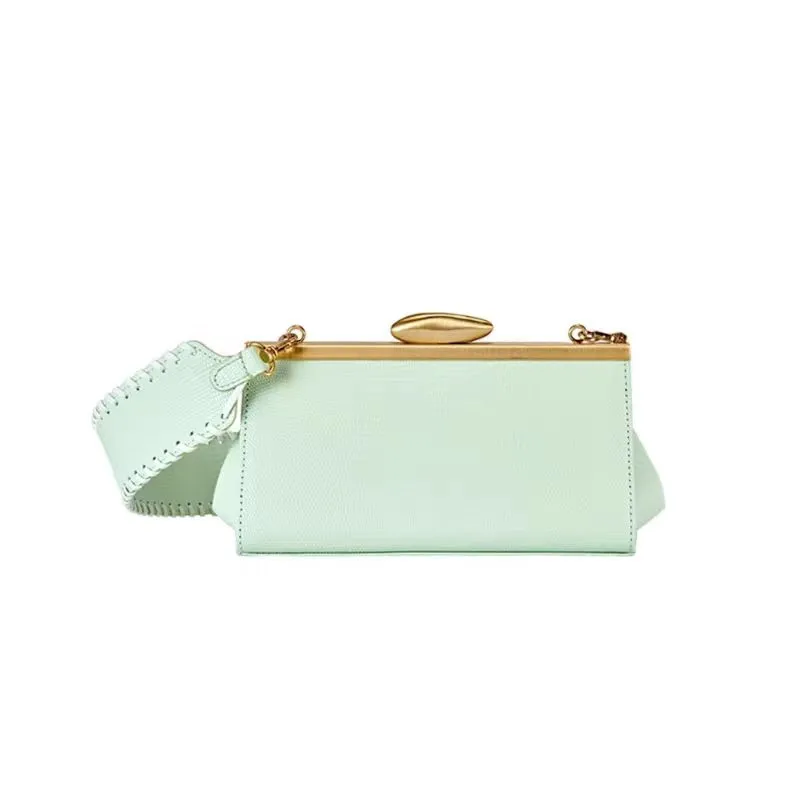
Zinc alloy has tensile strength about the same as many steel alloys, but it is much lighter. This feature is very important for evening bags and wallets, where the total weight can make the user less comfortable. A zinc alloy coin purse clasp hardware that is 18.2 cm x 6.5 cm provides strong closing mechanisms without adding too much weight that pulls cloth or makes weight distribution uneven. Testing with special tools shows that zinc alloys that are properly made can withstand pressure and tension forces that are much higher than what is normally needed for their use.
Corrosion Resistance Through Protective Treatments
In nature, raw zinc makes a protective oxide layer that keeps it from breaking down too quickly. When paired with electroplating processes that can be done in integrated facilities, zinc alloy gear becomes resistant to rust and can be used for a long time. Our own electroplating plant handles the whole treatment process and can use nickel, brass, or other finishes that meet SGS and ISO9001 quality standards. This unified method gets rid of the differences that come from using third-party processors. This makes sure that the protective coats on every dark blue-finished bag frame or antique-style buckle stay the same.
Cost Advantages in Large-Scale Production
When making a lot of coin purse clasp hardware, the costs of manufacturing favor zinc metal. Die-casting tools have short cycle times and lose little material, which means that large orders can be bought at low prices. Compared to rare metals or high-end stainless steel types, the prices of raw materials stay the same. These economic factors make it possible for mid- to high-end bag makers to offer reasonable pricing. They have to balance the need for quality with the need to stay within their budgets, especially when orders go from small test runs to full production runs.
Plating and Finishing Flexibility
Different finishing methods can be used on zinc metal surfaces without damaging them. Electroplating can add nickel, chrome, gold-tone, or unique color coatings that fit the color schemes of certain brands. The methods of sandblasting and polishing give surfaces a range of patterns, from shiny and reflective to matte and brushed. This adaptability meets the needs of businesses that sell gift and clothing accessories and want to customize their Products by giving them unique gear that makes their products stand out. Carol's skills in mold cleaning and blasting give her exact control over the surface properties, so she can meet the needs of both traditional and modern design trends.
Comparison: Zinc Alloy vs Other Coin Purse Clasp Materials
When choosing a material, you have to weigh the pros and cons of its performance, its ability to be manufactured, and your project's budget. When you know how zinc alloy stacks up against other materials, you can see why it's the market leader in bag gear.
Zinc Alloy vs Stainless Steel
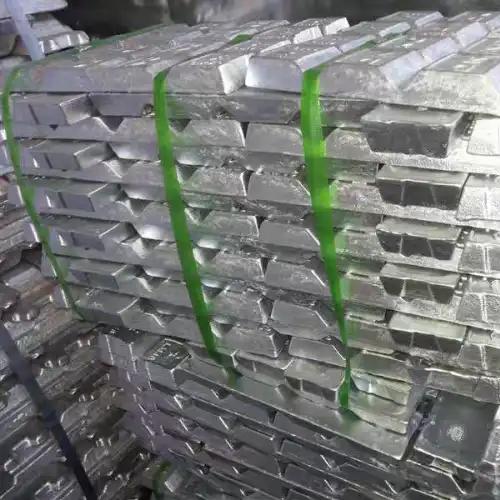
Stainless steel is very resistant to rust and feels high-end, but it comes with some problems. The hardness of the material makes tools wear out faster during production, which raises the cost of production. For bigger frames, weight becomes an issue; a coin purse clasp hardware made of stainless steel that is the same size and shape as one made of zinc alloy weighs about 40% more. Specialized tools and knowledge are needed to weld stainless steel, which limits the production options. Stainless steel is best for uses that need the highest level of rust resistance, but zinc alloy is good enough for most secondary uses and costs less and is lighter.
Zinc Alloy vs Aluminum Alloys
Aluminum is lighter, which is a good thing, but it's not as strong or has a good finish on the outside. Because the material is soft, die-casting can't be used for very complicated designs, and threaded or riveted joints or parts may come loose over time when they are stressed. To get the same level of bonding as zinc surfaces when electroplating aluminum, a lot of prep work is needed. Aluminum is more likely to get scratched during use and building because its surface roughness stays lower. Because of these issues, aluminum can only be used in situations where its very low weight supports some practical compromises.
Zinc Alloy vs Plastic Components
Plastic clasps cut costs by a lot, but they also mean that the product is positioned lower. The material doesn't have the feel and sound that people expect from high-end items. Plastic breaks down when exposed to UV light and changes in temperature, which limits the uses of outdoor products. Over time, mechanical traits get worse, especially where stress is concentrated, like on hinge pins. To keep up the image of their names, luxury brands and makers that focus on quality avoid using plastic hardware. For mid-tier placing, zinc alloy is the minimum standard that can be used.
Conclusion
Zinc alloy is the most common material used to make bag frames and clasps because it has great mechanical qualities, is easy to work with, and looks good with a lot of different styles. The material is strong and resistant to rust in the same way that more expensive options are, but it is also lightweight and can be finished in a variety of ways. Manufacturing methods that are designed for zinc metal make it possible to make prototypes and millions of units every year at a low cost. When purchasing hardware components, procurement professionals should know about these material advantages and judge suppliers based on their full range of skills, such as certifications, integrated production facilities, and quick service protocols that help new products launch successfully and stay competitive in the market.
FAQs
How does zinc alloy resist rust and corrosion?
It is normal for zinc to make a protective oxide layer, and when it is electroplated with nickel or brass, it becomes very resistant to corrosion. When zinc alloy hardware is properly finished, it can handle being wet and the normal weather conditions that come up when accessories are used without breaking down.
Can zinc alloy clasps handle heavy-use applications?
Zinc alloy hardware has been tested and found to meet the longevity standards for everyday items. Tensile and impact testing proves performance under stress levels higher than usual. The right alloy makeup and design make sure that the mechanical stability lasts for thousands of opening cycles. For heavy-duty uses, the specifications may need to be changed so that the walls are thicker or the hinges are stronger.
How do I select appropriate clasp sizes for my product?
The size of the clasp should match the size of the bag and what it's meant to hold. Coin purses and card cases fit in smaller frames, while makeup bags and evening clutches can fit in bigger frames, like 18.2cm x 6.5cm frames. Take into account how the weight is distributed and the user's comfort—putting big hardware on small items makes them unbalanced. Talking to skilled makers about the best hardware to use when making a product helps.
Partner With Carol for Premium Coin Purse Clasp Hardware Supply
Carol makes high-quality zinc metal purse frames and clasp hardware that is backed by ISO9001 and SGS certifications. She works with accessory and luxury brand makers all over the world. Our 4,500㎡ building has more than 100 pieces of specialized tools that make 30 million parts a year. The whole process is inspected for quality, from screening the raw materials to testing the finished products. Customization services let you choose from different finishes, sizes, and accents. For example, the dark blue metal clasp purse frames have clean square designs made of iron, zinc alloy, and stone combinations. Our in-house electroplating factory and quick reaction procedures make sure that shipping goes smoothly, whether you need small test batches or large orders. Get in touch with tony@carolxiao.com to talk about your project needs with an experienced coin purse clasp hardware supplier that offers fair prices and full technical support.
References
- Davis, J. R. (2001). Alloying: Understanding the Basics. ASM International Materials Park.
- Goodwin, F. E. (2004). Zinc Alloys Properties and Characteristics. International Zinc Association Technical Publication.
- American Society for Testing and Materials. (2018). ASTM B86-18 Standard Specification for Zinc and Zinc-Aluminum Alloy Die Castings. ASTM International.
- Porter, F. C. (1994). Corrosion Resistance of Zinc and Zinc Alloys. Marcel Dekker Incorporated.
- Kalpakjian, S., & Schmid, S. R. (2014). Manufacturing Engineering and Technology (7th ed.). Pearson Education Limited.
- European Committee for Standardization. (2017). EN 1774:2012 Zinc and Zinc Alloys - Alloyed Zinc - Chemical Composition and Forms. CEN Technical Standards.