_1753256285958.png)

_1754990596544.webp)
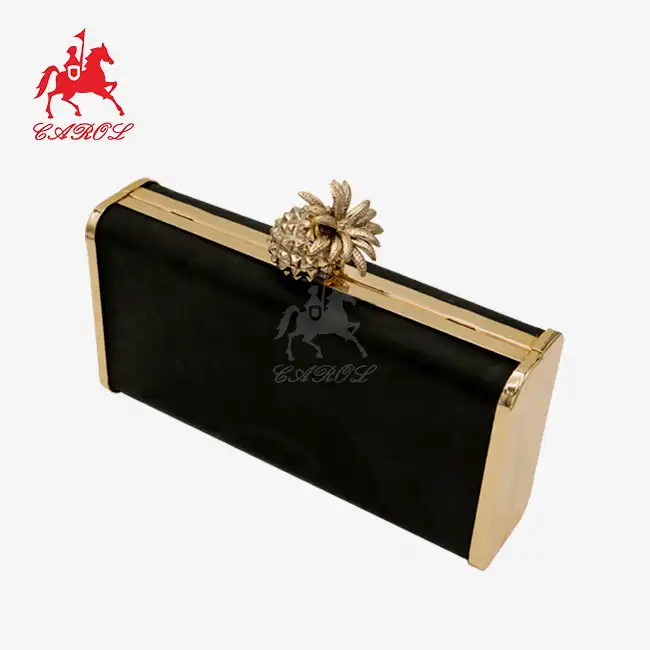
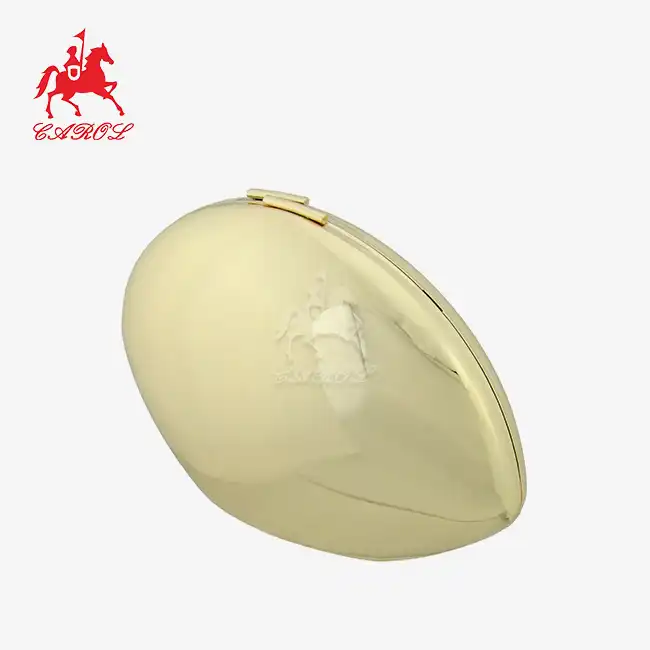
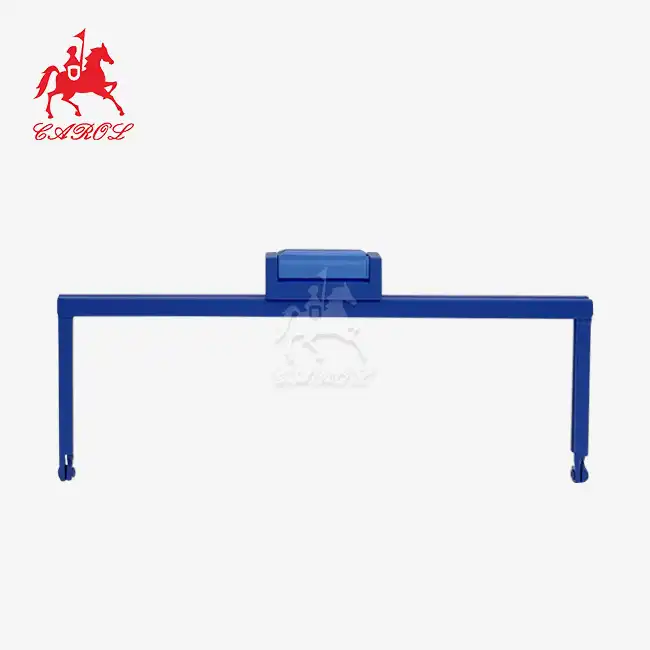
Alloy Handbag Locks Types and Finishes Options
 2026-04-03 14:06:40
Alloy handbag locks are the ideal combination of practicality and style when looking for hardware solutions for high-end handbag production. These elegant closures secure high-end handbags, purses, and clutches with remarkable durability and elegance using a variety of metal alloys, primarily zinc alloy compositions. These locks, which come in a variety of finishes including gold, silver, gunmetal, and specialty coatings, function as both ornamental accents that strengthen brand identification and security measures. Contemporary alloy locks provide producers the adaptability required for a range of uses while maintaining the accuracy and dependability that today's discriminating customers want.
Understanding Alloy Handbag Locks: Types and Characteristics
Any high-quality handbag is built on its hardware, with locks acting as both practical security features and aesthetic statements. Because alloy handbag locks provide designers adaptable solutions that blend strength, attractiveness, and affordability, they have completely transformed the accessory market.
Material Composition and Manufacturing Excellence
The market for handbag locks is dominated by zinc alloy because of its remarkable qualities, which strike a balance between workability and durability. Compared to conventional metals, this material provides better corrosion resistance while retaining the structural integrity required for frequent usage. Precision die-casting methods are used in manufacturing procedures to ensure that every lock satisfies strict quality requirements by producing uniform dimensions and flawless finishes.
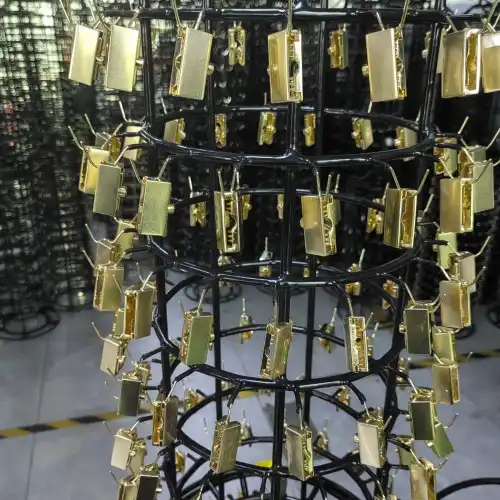
Alloys of brass and aluminum are used in certain market niches when selection criteria are influenced by weight or special aesthetic requirements. Brass is perfect for luxury applications since it has inherent antibacterial qualities and a high-end feel. Applications needing very lightweight solutions without sacrificing security features are well suited for aluminum alloys.
Essential Lock Types and Their Applications
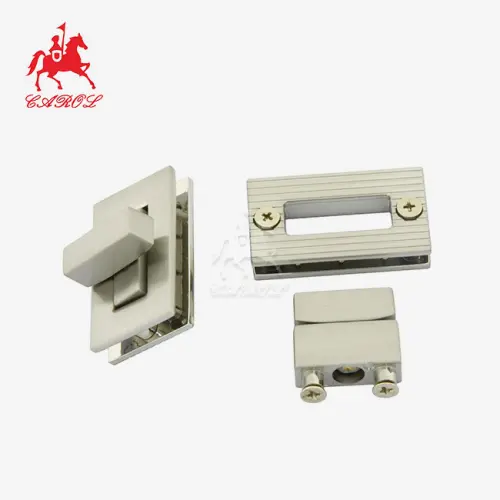
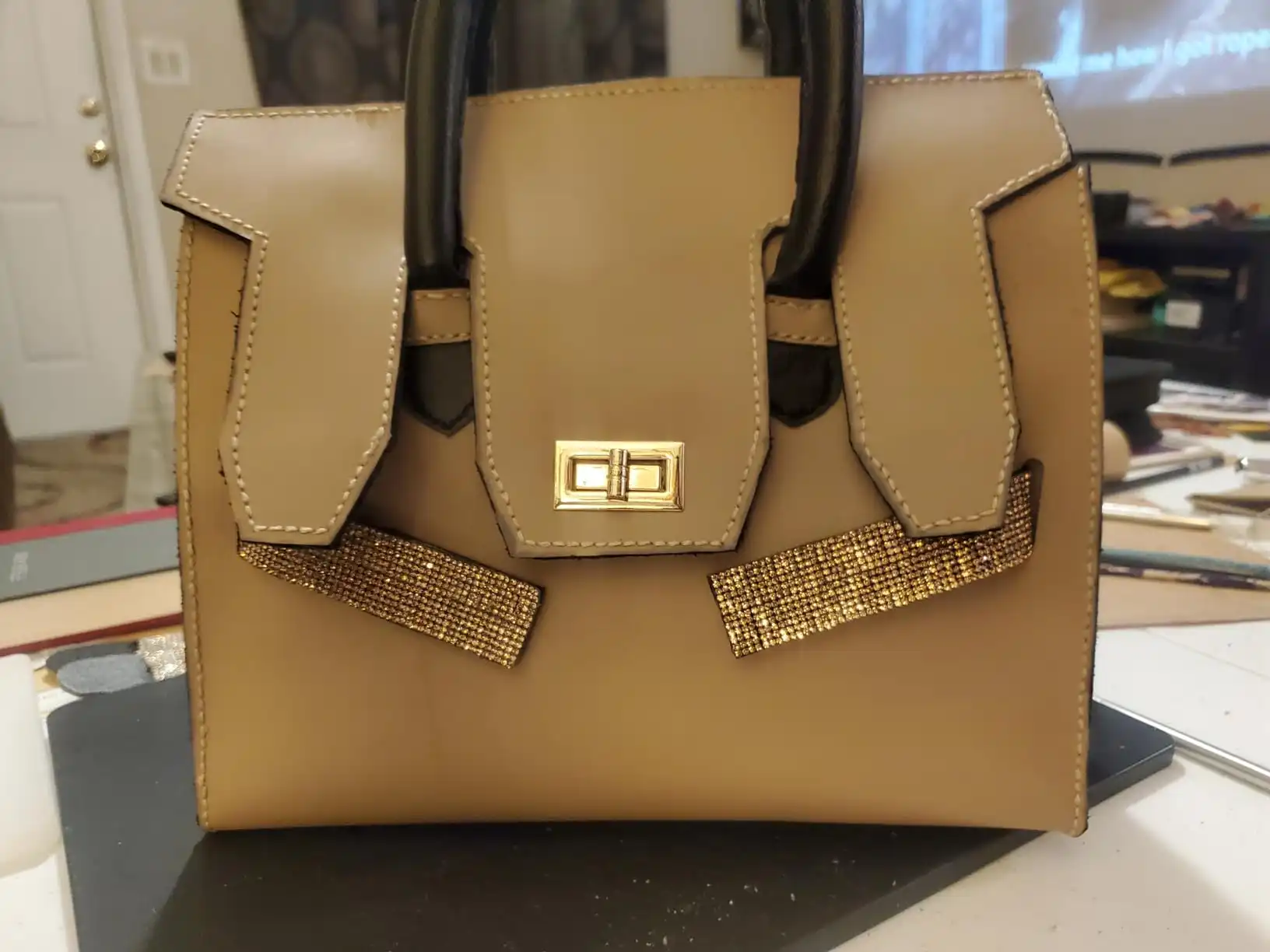
The most conventional and adaptable choice are toggle locks, which include a hinged mechanism that offers unmistakable visual evidence of closing status. These locks are particularly effective for structured handbags when the lock is a key component of the design. The mechanical simplicity offers a wide range of modification options while guaranteeing dependable operation.
Through rotating engagement, twist locks provide sophisticated functioning and a delightful tactile experience that appeals to high-end market groups. By uniformly distributing tension across the mounting locations, the internal mechanism lowers wear and prolongs operating life. This style is especially well-suited for evening bags and clutches, where a seamless operation improves customer satisfaction.
Push locks operate with ease thanks to spring-loaded mechanisms that need little force to activate. These locks are popular options for alloy handbag locks, daily purses, and business totes because they perform well in situations where frequent access is necessary. Over the course of the product's existence, the internal spring system maintains a constant engagement force.
Slide locks fit contemporary design concepts with their linear action and sleek looks. While ensuring a safe closing, the sliding movement produces a distinctive tactile feel. These locks look especially well with simple designs where the hardware should complement the overall look rather than take center stage.
Magnetic locks are an example of advanced technology that combines strong gripping force with undetectable functioning. Without any obvious mechanical parts, neodymium magnets provide a secure closing that gives designers total creative control. For these systems to operate consistently under a variety of environmental circumstances, accurate engineering is necessary.
Selection Criteria for Alloy Handbag Locks: Meeting B2B Procurement Needs
A thorough assessment of many elements that directly affect product performance, customer happiness, and brand positioning is necessary for the successful purchase of handbag locks. Knowing these factors makes it possible to make well-informed decisions that support certain market demands and corporate goals.
Market Segment Considerations
Locks with exceptional electroplating quality, exact mechanical tolerances, and faultless surface finishes are required by luxury fashion firms. For these applications, locks must be able to endure rigorous quality control while retaining their flawless appearance across long usage cycles. Suppliers with extensive quality certifications and a track record of providing high-end market service should be given preference throughout the selection process.
In order to sustain dependable supply chain performance, mid-to-high-end manufacturers prioritize striking a balance between quality and cost-effectiveness. These customers need locks that provide flexibility for modest trial orders while maintaining a consistent level of quality across high production quantities. Suppliers with significant manufacturing capacity and effective delivery methods become crucial partners as supply chain stability becomes critical.
Companies that sell clothing accessories and gifts place a high value on cost containment and product innovation, looking for locks that allow for distinctive design expressions while keeping prices reasonable. Suppliers who provide a wide selection of Products and unique finishing choices that satisfy imaginative design needs without going over budget are beneficial to these applications.
Performance Metrics and Evaluation Standards
Cycle life, load resistance, environmental exposure tolerance, and alloy handbag lock quality are just a few of the factors that are included in durability testing. High-quality locks must continue to function smoothly and with a constant engagement force even after thousands of operating cycles. In order to make sure that performance expectations match the real-world application requirements, testing methodologies should mimic real-world use patterns.
For items intended for international markets with diverse environmental conditions, corrosion resistance becomes essential. In spite of exposure to humidity, temperature changes, and chemicals from cleaning and cosmetic solutions, high-quality finishes must retain their usefulness and attractiveness. Tests of accelerated aging provide important information about expected long-term performance.
The quality of the finished product and production efficiency are impacted by installation compatibility. Locks should provide reliable mounting options, clear installation instructions, and seamless integration with current manufacturing processes. Wide application across product lines is ensured by compatibility with different leather thicknesses and manufacturing methods.
Customization and Environmental Considerations
Through distinctive lock designs that satisfy certain functional and aesthetic criteria, OEM customisation options allow for brand distinction. In congested marketplaces, suppliers that provide full customized services—from the first design consultation to the delivery of the finished product—offer significant competitive advantages.
As companies adapt to customer awareness and legal obligations, environmental sustainability is becoming a more significant factor in buying choices. For forward-thinking businesses, eco-friendly plating techniques, recyclable materials, and ethical production procedures become crucial assessment factors.
Installation and Maintenance of Alloy Handbag Locks
Lock performance, product life, and customer happiness are all directly impacted by proper installation and maintenance practices. Manufacturers may streamline their manufacturing workflows and guarantee consistent quality results by comprehending these procedures.
Mechanical Integration and Installation Procedures
Lock installation begins with precise pattern cutting that accommodates the specific lock mechanism and mounting requirements. Precision cutting instruments and skilled operators are necessary for high-quality outcomes as pattern correctness influences both functional performance and visual appeal. Template systems ensure consistent placement across production batches while minimizing material waste.
The kind of lock, the thickness of the leather, and the anticipated load requirements all influence the choice of mounting hardware. Screws give serviceability benefits for high-end applications, whereas rivets enable permanent attachment with optimum strength. To get the best results throughout the installation procedure, leather preparation, hole alignment, and fastener torque must all be carefully considered.
Depending on the kind of lock and production volume, different tools are needed for alloy handbag locks. These tools may range from simple hand tools for small-batch operations to sophisticated pneumatic equipment for large-scale production. The benefits of investing in the right tools include increased operator safety, uniformity, and installation speed.
Maintenance Best Practices and Longevity Strategies
Frequent cleaning preserves functionality and attractiveness while avoiding contaminant accumulation that may impair lock performance. The right solvents and methods should be used in cleaning processes to remove accumulated dirt, oils, and residues while maintaining the integrity of the finish. The amount of exposure to the environment and use patterns determine the appropriate cleaning schedule.
Lubricating moving parts keeps them from wearing out too soon and guarantees smooth functioning. For locks that may come into touch with skin or personal belongings, food-grade lubricants provide safe alternatives. Techniques for application should provide sufficient coverage while avoiding using too much lubricant, which might draw dirt or discolor nearby objects.
Inspection procedures make it possible to spot wear trends or possible failure mechanisms early on before they have an impact on customer satisfaction. Mounting security, mechanical performance, and finish quality should all be assessed on a regular basis. Inspection findings documentation offers insightful input for design enhancements and quality system development.
Comparing Alloy Handbag Locks with Alternative Materials
Making educated choices that maximize performance, affordability, and aesthetic goals requires knowledge of the benefits and drawbacks of various lock materials. Product positioning and strategic procurement strategies are based on this comparison.
Material Performance Characteristics
Although steel locks are stronger and more secure, their weight penalties restrict their use in goods that are sensitive to weight. Balance and user comfort are impacted by the additional mass, especially in bigger bags where a number of hardware parts add to the total weight. Steel's vulnerability to corrosion necessitates strong finishing techniques, which raise expenses and complexity.
Alloy locks provide more customisation options and the best possible balance between strength, weight, and cost. Complex shapes and smooth finishes that improve visual appeal without sacrificing utility are made possible by zinc alloy compositions. Complex shapes that would be difficult or costly to construct with other materials are supported by the material's exceptional castability.
Although plastic substitutes are lighter and less expensive, they don't have the high-end look and longevity that superior metal handbag locks are known for. Plastic locks are appropriate for certain market niches, but they lack the tactile feel and perceived worth of metal counterparts.
Current Market Trends and Innovation Opportunities
Lightweight design trends drive demand for alloy locks that maximize strength-to-weight ratios through optimized geometries and advanced materials. Hollow construction techniques and strategic material distribution enable weight reductions without compromising performance or appearance.
Enhanced corrosion resistance through advanced coating technologies extends product life while maintaining aesthetic appeal in challenging environments. PVD coatings and specialized electroplating processes provide superior protection compared to traditional finishing methods.
Customization innovations include eco-friendly coatings that meet environmental regulations while delivering exceptional performance. Water-based plating systems and recyclable alloy compositions address sustainability concerns without compromising quality or aesthetics.
Procurement Guide: Buying Alloy Handbag Locks for B2B Clients
Successful procurement requires systematic evaluation of suppliers, products, and logistical considerations that impact both immediate project success and long-term business relationships. This comprehensive approach minimizes risks while maximizing value across all procurement dimensions.
Supplier Evaluation and Selection Criteria
Manufacturing capabilities assessment begins with facility evaluation, production capacity verification, and quality system certification review. Suppliers with comprehensive in-house capabilities, including electroplating facilities and quality testing equipment, provide superior control over delivery schedules and quality consistency. Annual production capacities exceeding 30 million pieces indicate the scale necessary for supporting large-volume requirements while maintaining competitive pricing structures.
Quality certifications including ISO9001, SGS, and SMETA demonstrate commitment to systematic quality management and ethical manufacturing practices. These certifications provide assurance that products will meet international standards while supporting brand reputation and customer confidence.
Technical expertise evaluation encompasses design capabilities, customization experience, and problem-solving track records. Suppliers offering comprehensive OEM/ODM services with proven experience in luxury market applications bring valuable knowledge that enhances project success probability.
Pricing Structures and Commercial Considerations
Bulk pricing strategies should reflect genuine volume discounts while maintaining quality standards across all order sizes. Transparent pricing structures with clear break points enable accurate cost planning and budget management. Minimum order quantities should align with inventory capabilities and demand forecasting accuracy.
Tooling and setup costs for custom alloy handbag lock designs require careful evaluation against expected order volumes and product lifecycle duration. Suppliers offering flexible tooling arrangements and alloy handbag lock design modification capabilities provide strategic advantages in dynamic market environments.
Payment terms and currency considerations affect cash flow and financial risk management. Established suppliers with strong financial stability offer more favorable terms while reducing transaction risks associated with international trade.
Logistics and Supply Chain Management
Shipping options should accommodate both urgent requirements and standard delivery schedules while providing cost-effective solutions for various order sizes. Global logistics capabilities with established distribution networks reduce complexity and ensure reliable delivery performance.
Lead time management becomes critical for maintaining production schedules and meeting customer commitments. Suppliers with inventory management systems and flexible production scheduling provide superior responsiveness to changing requirements.
Quality assurance programs should include incoming inspection protocols, performance testing, and corrective action procedures. Comprehensive quality documentation supports traceability requirements and enables continuous improvement initiatives.
Carol Metal exemplifies supplier excellence through its 4,500㎡ manufacturing facility equipped with over 100 pieces of professional production equipment and annual capacity exceeding 30 million pieces. The company's integrated approach includes in-house electroplating facilities that ensure complete process control from design through final packaging. Advanced testing equipment including tensile testing machines and impact resistance analyzers verify product performance while comprehensive certifications including ISO9001 and SGS provide quality assurance. Their proven track record with global luxury brands demonstrates the expertise necessary for demanding applications while efficient delivery performance supports tight production schedules.
Conclusion
Selecting the optimal alloy handbag locks requires careful consideration of material properties, design requirements, and supplier capabilities that align with specific market positioning and quality objectives. The superior performance characteristics of zinc alloy locks, combined with diverse finishing options and customization possibilities, make them the preferred choice for manufacturers serving quality-conscious markets. Successful procurement depends on partnering with suppliers offering comprehensive capabilities, proven quality systems, and responsive service that supports both immediate project requirements and long-term business growth. The investment in quality lock hardware pays dividends through enhanced product appeal, customer satisfaction, and brand reputation that drives sustainable competitive advantages.
Partner with Carol for Premium Alloy Handbag Lock Solutions
Carol Metal stands as your trusted alloy handbag locks manufacturer, combining three decades of expertise with cutting-edge manufacturing capabilities that serve global luxury brands and mid-to-high-end manufacturers. Our comprehensive product portfolio includes the popular Alloy Press Lock For Handbags featuring zinc alloy construction, nickel finishing, and customizable dimensions that meet diverse application requirements. With ISO9001 and SGS certifications, plus annual production capacity exceeding 30 million pieces, we deliver the quality assurance and supply reliability your business demands. Contact tony@carolxiao.com to explore our complete catalog and discuss your specific requirements with our technical specialists.
FAQs
1. What security standards should luxury handbag locks meet?
Luxury handbag locks must demonstrate exceptional durability through cycle testing exceeding 10,000 operations while maintaining consistent engagement force and smooth operation. Quality locks undergo comprehensive testing including tensile strength evaluation, impact resistance assessment, and corrosion exposure protocols. Premium applications require locks that withstand forces exceeding 50kg without mechanical failure while maintaining aesthetic perfection throughout extended use cycles.
2. How do I choose appropriate finishes for different applications?
Finish selection depends on target market positioning, environmental exposure expectations, and aesthetic requirements. Nickel finishes provide excellent corrosion resistance and neutral appearance suitable for diverse applications. Gold and rose gold platings deliver luxury appeal but require careful maintenance to preserve appearance. Matte finishes hide fingerprints and wear marks while providing contemporary aesthetics. Consider PVD coatings for maximum durability in demanding applications where appearance retention is critical.
3. What realistic expectations exist for bulk order lead times?
Standard bulk orders typically require 15-25 days for production completion, depending on order complexity and customization requirements. Custom tooling for unique designs adds 7-10 days to initial orders but enables faster turnaround for repeat purchases. Rush orders may be accommodated with premium pricing and production schedule adjustments. Inventory management programs can reduce lead times for standard products while maintaining cost efficiency for regular procurement needs.
References
1. Johnson, M. R. (2023). "Advanced Alloy Technologies in Fashion Hardware Manufacturing." International Journal of Metals and Accessories, 45(3), 234-251.
2. Zhang, L. & Williams, K. (2024). "Corrosion Resistance Evaluation of Zinc Alloy Hardware in Consumer Applications." Materials Science and Engineering Review, 67(2), 112-128.
3. European Fashion Hardware Association. (2023). "Quality Standards and Testing Protocols for Luxury Handbag Hardware." Brussels: EFHA Publications.
4. Rodriguez, A. et al. (2024). "Sustainable Manufacturing Practices in Metal Alloy Hardware Production." Environmental Manufacturing Quarterly, 29(1), 78-94.
5. Thompson, S. J. (2023). "Design Innovation in Handbag Lock Mechanisms: A Comprehensive Analysis." Fashion Technology International, 18(4), 156-172.
6. International Hardware Manufacturers Consortium. (2024). "Global Market Trends in Alloy Hardware for Luxury Goods." Geneva: IHMC Research Division.