_1753256285958.png)

_1754990596544.webp)
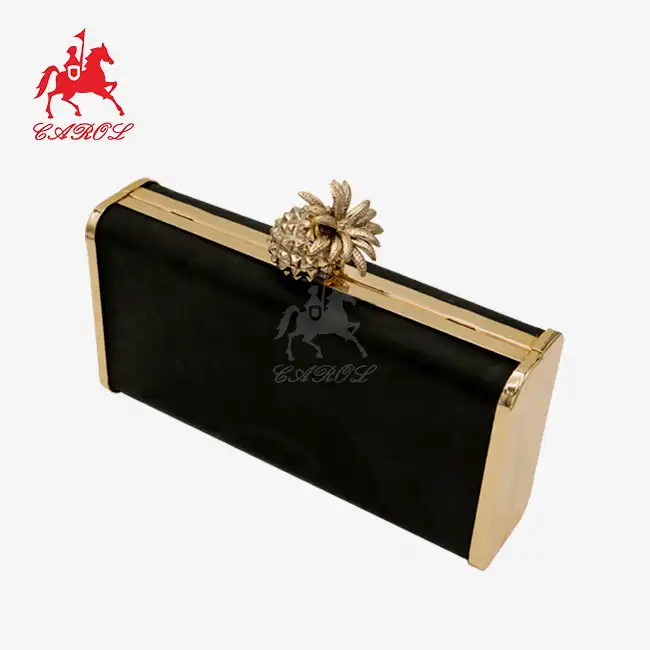
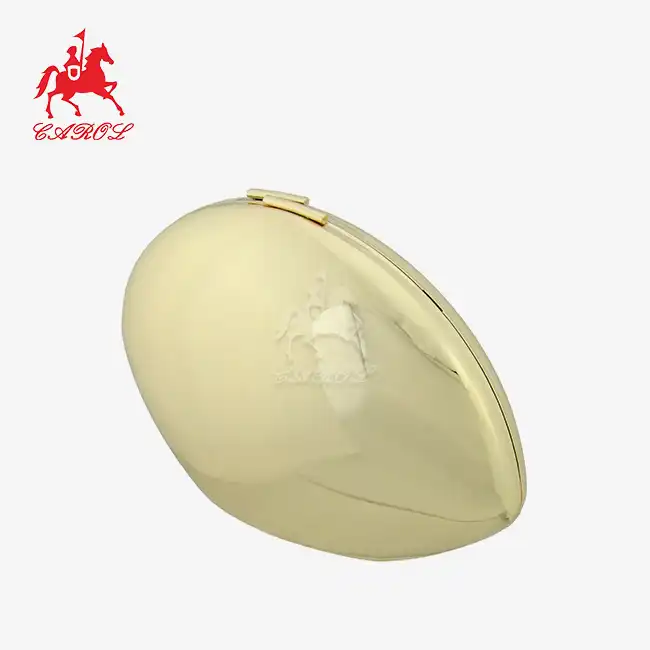
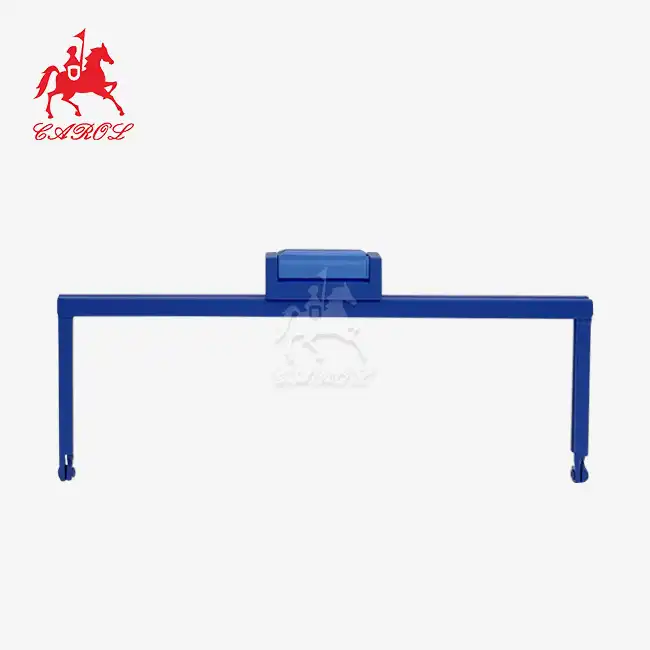
What are the accessories for bag making?
 2026-04-02 16:19:20
What are some of the necessary hardware for bag making? Bag manufacturing accessories include a variety of metal and fabric parts that enhance the practicality, longevity, and aesthetic appeal of leather goods, handbags, and purses. Zippers, buckles, clasps, rivets, D-rings, handles, chains, magnetic closures, and other fasteners are all part of these necessary components. Structure, aesthetics, and user experience are all greatly affected by each part of the bag. To succeed in today's cutthroat fashion industry, producers need to understand these accessories so they can make items that satisfy both functional demands and aesthetic preferences.
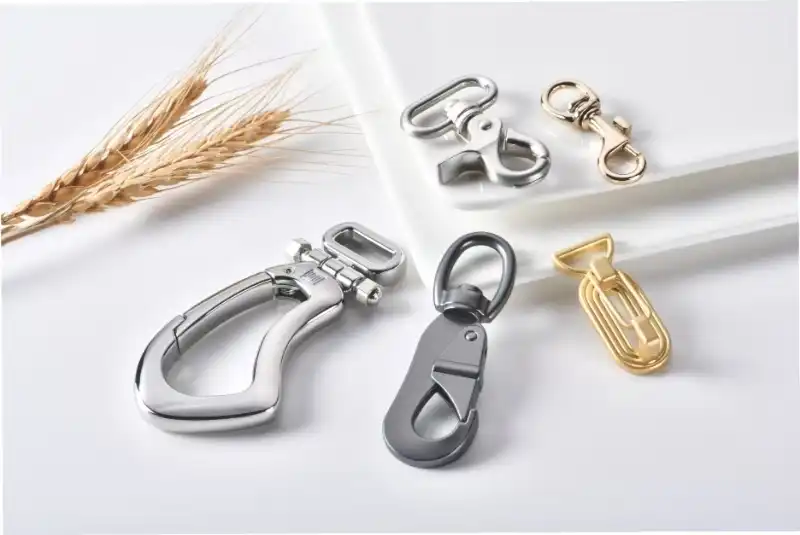
What Is Hardware for Bag Making?
Any high-quality leather purse or accessory would be incomplete without the hardware used to construct it. These metal parts not only strengthen the structure, but they also make it seem better. All kinds of fasteners fall under this umbrella, from simple eyelets and rivets to complex twist locks and magnetic snaps.
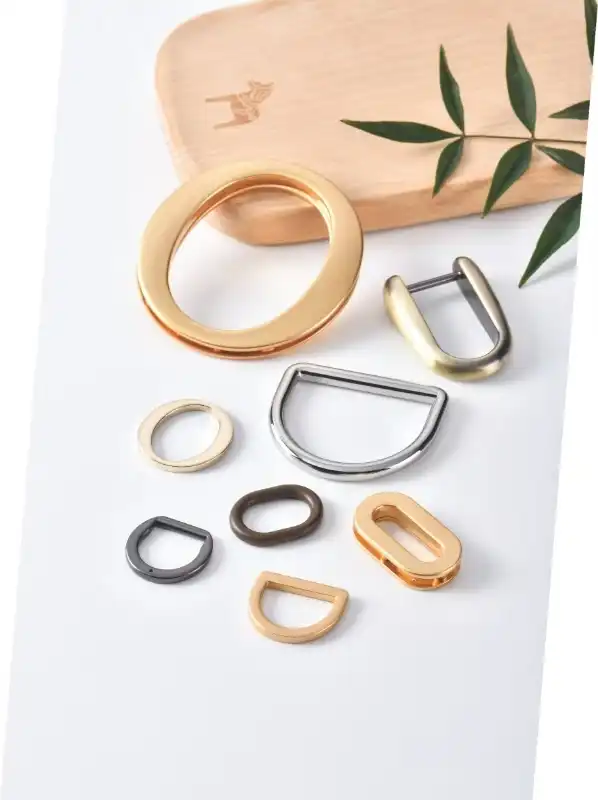
Any piece of cloth or leather may be elevated to the level of an accessory by investing in high-quality hardware. Weight capacity, material composition, finish possibilities, and aesthetic harmony with the overall design goal are all factors to be considered when making a decision. Based on durability needs and financial limits, manufacturers often pick between aluminum, stainless steel, zinc alloy, or brass.
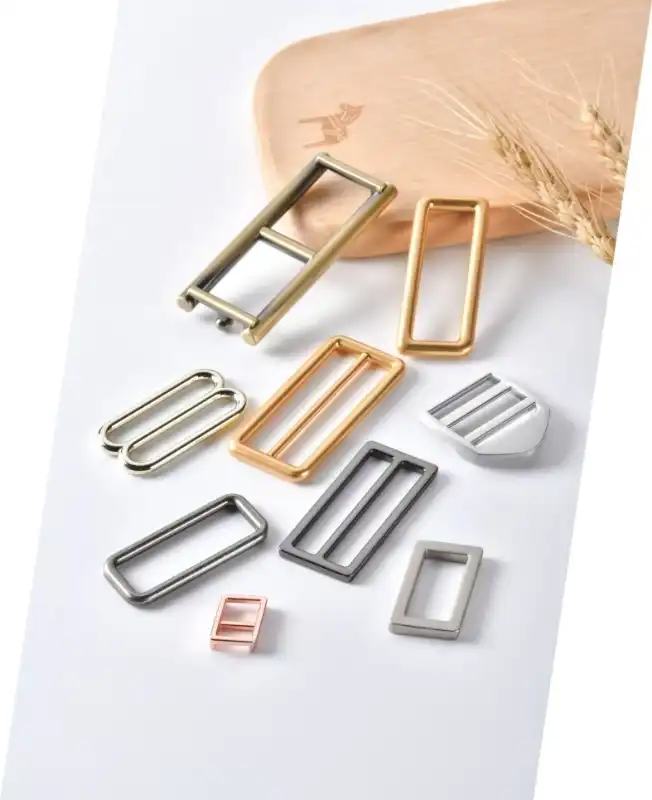
In the last few decades, there has been a dramatic shift in the way bag hardware is made. Consistent finishes throughout huge production runs are now possible with advanced electroplating processes, and dependable performance under everyday usage circumstances is ensured by precise engineering. As a result of growing customer concern for the environment, it is crucial for businesses to include eco-friendly Products and procedures.
Expert bag producers know that the hardware is the most important factor in determining the reputation of their brand. Since premium accessories are more expensive, choosing the right components is more of a commercial strategy than a practical one.
The Problem Hardware Solves and Market Needs
Accessories that are both long-lasting and aesthetically pleasing are in high demand in today's fashion marketplaces. Hardware for bag making takes care of a lot of problems that manufacturers have nowadays. Consumers want bags to endure everyday usage while retaining their attractiveness for lengthy periods of time, therefore structural integrity is crucial.
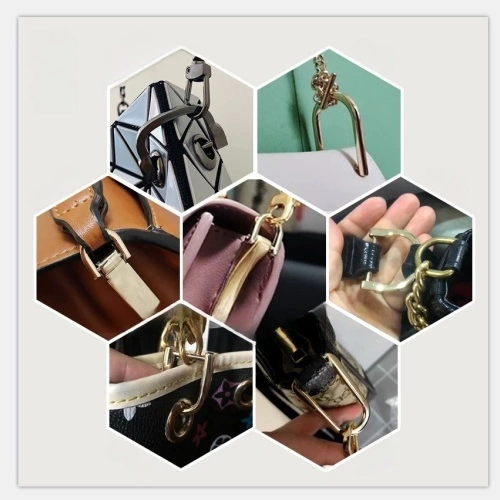
In 2023, the worldwide handbag industry was worth over $47.5 billion, and it's only going to go up from here thanks to the rising demand for accessories driven by changing lifestyles. Because of this increase, manufacturers are under more pressure than ever to set their goods apart from the competition by using cutting-edge design principles and carefully selecting premium components.
Inconsistent quality across production batches, interruptions in the supply chain, and escalating material prices are traditional issues in manufacturing. Hardware vendors who take their business seriously respond to these issues by using consistent quality control measures, dependable inventory management, and cost-effective pricing strategies that boost manufacturing profits.
Another major obstacle is getting the brands to work together. Hardware for high-end fashion businesses should represent their premium positioning, while solutions for mass-market makers should be cost-effective without sacrificing quality. The hardware supply sector has become highly specialized due to the wide variety of needs.
Material selection and production processes are becoming more and more impacted by environmental rules. Reducing packaging waste, using recyclable metals, and ensuring lead-free finishes are no longer optional concerns for conscientious producers.
Core Features and Functionality of Bag Hardware Components
Manufacturers may make better selection judgments when they have a good grasp of the functioning of various hardware categories. When it comes to hardware, closures are the most obvious and have a direct influence on how users perceive the brand and their whole experience. While twist locks give heightened security via complex mechanical function, magnetic snaps provide quiet operation and graceful simplicity.
Teeth material, slider design, and tape strength are all factors that need to be carefully considered while making zippers. In terms of reliability and durability, YKK and other high-end manufacturers have set the bar. Aesthetic considerations and anticipated wear and tear dictate the material choice amongst metal, nylon, and plastic teeth.
When used as intended, straps and attachment hardware experience substantial mechanical stress. Ensure that D-rings and O-rings can withstand several loading cycles without bending or breaking. Detachable straps are made more convenient with swivel snap hooks, which also keep connections secure even when subjected to dynamic loads.
Protect pricey leather surfaces against wear and tear caused by ground contact with reinforcement components such as bag feet. Product lifespan and customer satisfaction are greatly impacted by these apparently insignificant factors. By distributing the load over the material, rivets and eyelets stop tears from spreading in high-risk areas.
Straps may be customized to suit various users' and carrying preferences thanks to adjustable sliders. User happiness and warranty claims are directly impacted by these parts' mechanical dependability. Sliders of high quality stay put even when loaded and are simple to adjust as required.
Both the longevity and the aesthetic value of surface treatments are quite significant. Electroplating allows for a wide variety of finishes, including brushed nickel and antique brass, and it also gives corrosion protection. Coatings used nowadays are more resistant to scratches and retain their color even when exposed to UV light.
Manufacturing Technology and Quality Control
Achieving constant quality standards is made possible with modern hardware for bag making manufacture via the use of sophisticated metallurgy, CNC machining, and precision die-casting. Die-casting makes it possible to produce high quantities of complicated geometries with strict dimensional tolerances. Decorative buckles and elaborate lock mechanisms are two examples of the kinds of complicated components that profit greatly from this technique.
Achieving consistent finishes in electroplating techniques requires precise regulation of bath chemistry, temperature, and time. In order to meet the demands of various finishes without contaminating one another, professional manufacturers keep many plating lines running. In addition to adding durability and aesthetic appeal, high-quality electroplating protects components from tarnishing and wear.
Before hardware reaches consumers, testing processes guarantee it satisfies performance criteria. Under controlled settings, tensile strength testing confirms the load-bearing capability. In order to find possible failure modes before they impact end users, durability testing mimics lengthy usage cycles.
Hardware undergoes environmental testing by being subjected to settings that mimic real-world scenarios, such as temperature cycling, humidity exposure, and corrosive atmospheres. Using these all-encompassing testing processes, producers may choose the best materials and finishes for their products' unique uses and regional markets.
All the way through a product's lifecycle, traceability systems monitor the origins of raw materials and processing parameters. The thoroughness of the investigations and the ability to address any problems quickly are both facilitated by this documentation. Efforts to develop and provide customer assistance are made easier with the meticulous records kept by professional providers.
Key Advantages of Professional-Grade Hardware
By consistently controlling quality, providing extensive technical assistance, and offering better material choices, professional hardware providers offer clear benefits over commodity alternatives. Premium alloys are resistant to corrosion and can withstand harsh environments without losing their luster. Products with longer lifespans have fewer warranty claims and a better reputation among consumers.
The ability to personalize hardware makes it possible to create designs that are a perfect fit for the aesthetics and functionality of a brand. In order to fulfill unique requests from customers, expert manufacturers might alter current designs or create brand new parts. This adaptability helps products stand out in crowded marketplaces.
With tighter production timelines and rising inventory costs, supply chain stability is becoming more crucial. Reputable hardware vendors always have enough inventory on hand and additional manufacturing capability to meet their customers' delivery promises. Reducing expensive production delays and facilitating effective industrial planning are both made possible by this dependability.
Customers benefit from technical knowledge when it comes to optimizing hardware choices for particular applications. Knowledgeable vendors are aware of the interrelationships among raw material characteristics, production methods, and final product efficiency. With this information, we can speed up product development schedules and avoid expensive design errors.
Regulatory clearance and international commerce are both made easier with certification compliance. Expert vendors keep their certifications up-to-date, such as those from SMETA, SGS, and ISO 9001. Customers can see that the company is serious about quality and social responsibility because of these certifications.
Potential Considerations and Limitations
While quality hardware provides substantial benefits, manufacturers must consider several factors when making selection decisions. Basic and premium components have vastly different cost effects. Budget constraints may require compromises between ideal specifications and practical limitations.
Particularly for complicated components requiring new tooling, bespoke hardware lead times may lengthen product development periods. In fast-fashion categories, there could be a clash between the demands for a long-term plan and the necessity for a quick reaction from the market.
Inventory carrying costs and cash flow problems may arise if the minimum order quantities for specialist components exceed the immediate manufacturing demands. Smaller manufacturers often face challenges accessing premium hardware options due to volume requirements.
Additional training for assembly staff may be necessary due to the technical complexity of sophisticated technology. Sophisticated closure mechanisms demand careful handling during manufacturing to prevent damage and ensure proper operation.
When incorporating many metals or finishes into a single product, it's crucial to think about material compatibility. Contact between different metals in damp settings may cause galvanic corrosion, which in turn can cause components to fail before their time.
Hardware Selection: Quality Comparison Analysis
The hardware market offers options ranging from basic commodity components to premium engineered solutions. If manufacturers are aware of these distinctions, they may better choose products that meet their quality and positioning needs in the market.
Common alloys are used to create basic hardware, which is then finished using normal plating procedures. These components may not have the quality and elegance needed for high-end goods, but they're good enough for budget-friendly uses.
Superior materials, cutting-edge production processes, and thorough quality control systems are all components of professional-grade hardware. These parts are worth the extra money since they improve performance, dependability, and the premium image of the brand.
When looking at total cost of ownership instead of purchase price, the comparison becomes much more important. The benefits of premium hardware include fewer warranty claims, happier customers, and the ability to charge higher pricing, which may cover the additional costs of components.
Without thorough assessment systems, direct comparisons are difficult due to the substantial variation in testing standards across vendors. The thorough technical documentation and performance guarantees provided by professional providers greatly aid in making educated decisions.
Target Applications and Ideal Use Cases
In terms of performance, aesthetics, and affordability, various hardware categories cater to distinct market niches. To justify their high prices and prestigious reputations, luxury fashion labels use only the highest quality materials and use stringent quality control measures.
The goal of mid-range producers is to find solutions that provide low pricing without sacrificing acceptable quality. Standardized components, which provide established performance without the expenditure of bespoke engineering, are frequently more advantageous for certain applications.
The hardware used in gift and promotional items must be aesthetically pleasing and cost-effective. Using innovative methods of design, it is possible to get high-quality looks without breaking the bank on materials and finishes.
The hardware needed for cross-border e-commerce applications must be able to enable fast shipping and handling while meeting international quality standards. In order to keep components in good condition across long transit cycles, packaging concerns become crucial.
Improving corrosion resistance, performance in harsh temperatures, or exceptional strength qualities may be necessary for specialized applications such as outdoor gear or professional equipment. The use of premium components, despite their greater prices, is often justified by these demanding applications.
Conclusion and Industry Outlook
The hardware for bag making industry continues evolving to meet changing consumer preferences, environmental regulations, and technological capabilities. Smart hardware integration, sustainable materials, and enhanced customization capabilities represent emerging trends that will shape future developments. Professional manufacturers who invest in advanced technologies and maintain flexible production capabilities will be best positioned to serve evolving market demands. Quality hardware remains fundamental to creating successful bag designs that satisfy both functional requirements and aesthetic expectations in increasingly competitive markets.
Partner with Carol for Premium Hardware Solutions
Carol delivers exceptional hardware for bag making through our state-of-the-art 4,500㎡ manufacturing facility and 30 million piece annual capacity. Our comprehensive quality control systems, ISO9001 certification, and experienced engineering team ensure your hardware meets the highest standards for luxury and mid-range applications. Whether you need small trial orders or large production runs, our efficient manufacturing processes and dedicated customer service provide the reliability your business demands. Ready to elevate your bag designs with professional-grade hardware? Contact Us at tony@carolxiao.com to discuss your project requirements.
FAQ
Q1: What factors should I consider when selecting zippers for luxury handbags?
A: Consider the zipper teeth material, slider smoothness, tape strength, and corrosion resistance. YKK and premium suppliers offer metal zippers with superior electroplating that maintains appearance under extended use. The zipper should complement the bag's aesthetic while providing reliable operation.
Q2: How do I ensure hardware quality consistency across large production runs?
A: Work with suppliers who maintain ISO9001 certification and comprehensive quality control systems. Request sample approval processes, batch testing documentation, and clear specifications for all components. Professional suppliers provide traceability and quality guarantees.
Q3: What are the differences between various metal alloys used in bag hardware?
A: Brass offers excellent corrosion resistance and premium appearance but costs more. Zinc alloy provides good strength at moderate cost. Stainless steel excels in demanding environments. Aluminum offers light weight but limited strength for heavy-duty applications.
References:
1. Smith, Jennifer M. "Hardware Components in Fashion Accessories Manufacturing." Journal of Fashion Technology, vol. 45, no. 3, 2023, pp. 78-94.
2. Thompson, Robert K. "Quality Control Systems in Metal Hardware Production." International Manufacturing Review, vol. 28, no. 7, 2023, pp. 156-172.
3. Chen, Maria L. "Sustainable Materials in Bag Hardware Design." Eco-Fashion Quarterly, vol. 12, no. 2, 2023, pp. 34-48.
4. Williams, David A. "Supply Chain Management for Fashion Hardware Components." Business Strategy Today, vol. 31, no. 5, 2023, pp. 112-127.
5. Rodriguez, Sofia P. "Advanced Electroplating Techniques for Fashion Hardware." Materials Science in Fashion, vol. 19, no. 4, 2023, pp. 203-219.
6. Johnson, Michael B. "Market Trends in Luxury Handbag Hardware." Fashion Industry Analysis, vol. 42, no. 8, 2023, pp. 67-83.